
Mythologist | Author | Speaker | Illustrator

-
Articles
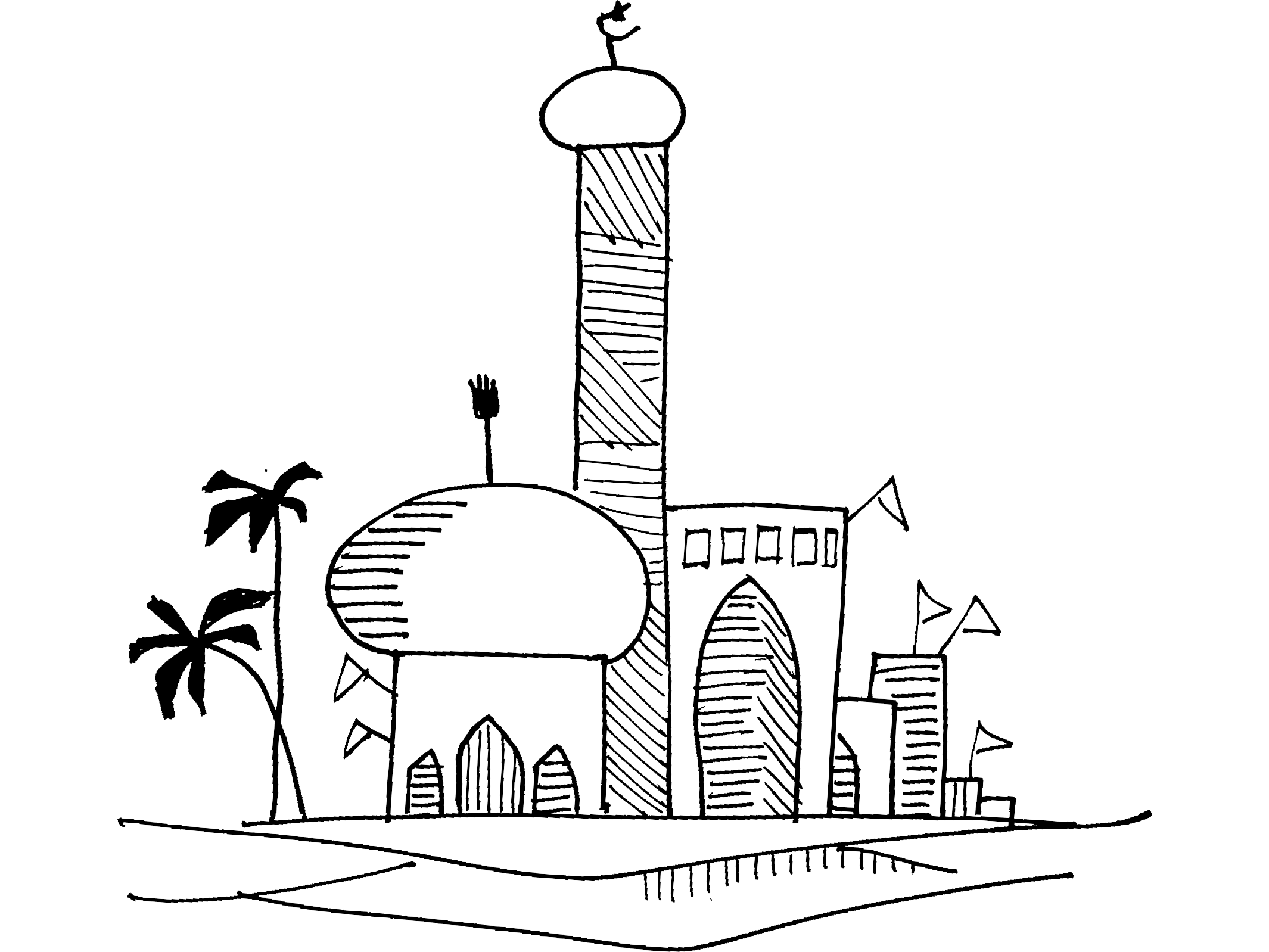
Sultan, Badshah and Shahenshah: What These Titles Say About India’s Muslim Rulers
Politicians usually refer to the Islamic period (1000 to 1800) as the Mughal period (1500-1800), but that is not quite correct…
-
Articles

Brahmin Scripts, Bania Scripts
Right now the Harappan script decipherment is divided into two groups: those seeking consonants, alphabets and syllables (the Brahmin school) and those seeking trade symbols, codes and stamps (the Bania school). …
-
Articles

Aryans Did Not Invade Harappa; They Came Much Later
Harappan cities were never invaded by Aryans, as postulated by the British a hundred years ago. Archeological, linguistic and genetic studies indicate that Aryans came to India and Iran with domesticated horses after the Harappan cities had ceased to exist…
-
Articles

Bhairava in Baghdad
We have often heard about the great Islamic Caliphate, established by the Abbasid Empire in Baghdad in the 8th century and destroyed in the 13th century by the Mongols. What is less discussed is how Buddhism played a pivotal role in both the rise and fall of Baghdad, the centre of the great Islamic Empire…
-
Articles
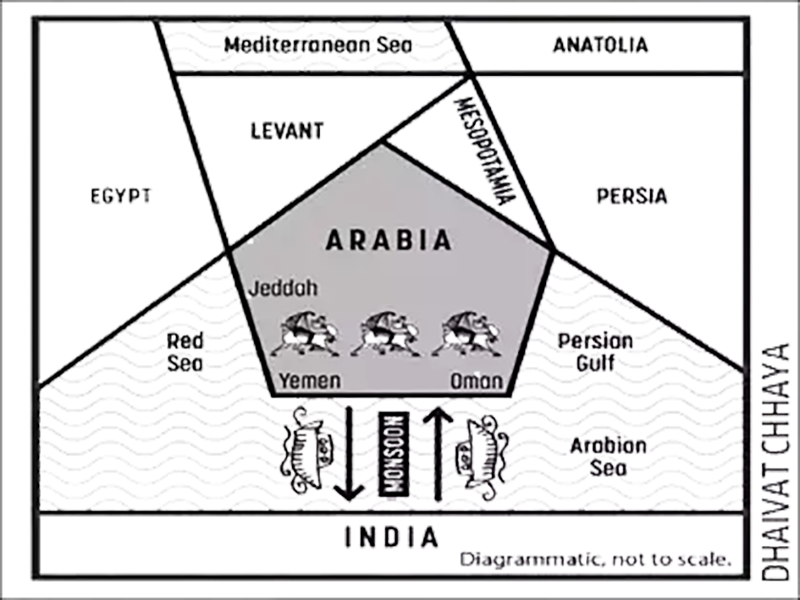
A Starry Network of Arabian Trade
The word monsoon comes from the Arabic word ‘mausam’, meaning season. Incidentally, the word ‘ara’ in Sanskrit means desert…
-
Articles

Did the Tantrik King, Indrabhuti, Live in India or Pakistan?
Odisha’s deep connection with Buddhism is ignored even by Indian historians including the current politically powerful crop of Hindutva historians. This was not the elite Buddhism of meditation. This was the Buddhism of ritual magic to solve daily problems, bring luck and fortune, ideas that appealed to local merchants and common people a lot…
-
Articles

Crescent Moon of Rome
Many Islamic nations choose the Crescent Moon as their symbol, a reminder of when Islam overpowered the Christian city of Constantinople, the second Rome. We can say the Crescent Moon is not so much about Islam as it is about the Muslim victory over Christendom…
-
Articles

How to Visit a Temple
A visit to a Hindu temple can be a lesson in history and geography, politics and economics, along with spiritual upliftment. If we allow it, the structure, to speak to us…
-
Articles
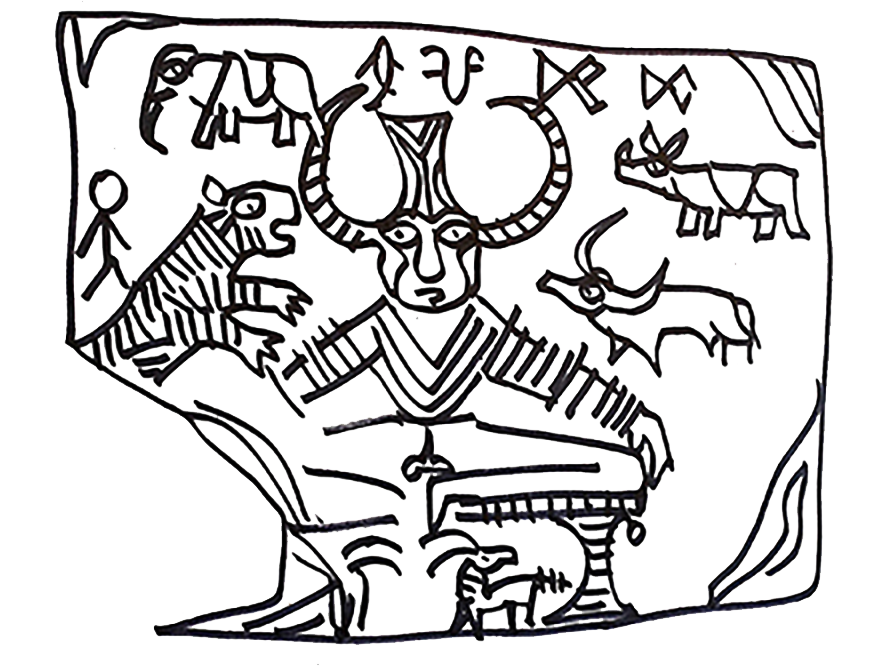
When Harappans Had Unicorns
Harappans used seal-based administrative technology like the Mesopotamians. The most common seal — almost 80% of the 2,000-odd ones found till date in the wide area — has the image of a one-horned bull-like creature, the unicorn…
-
Articles
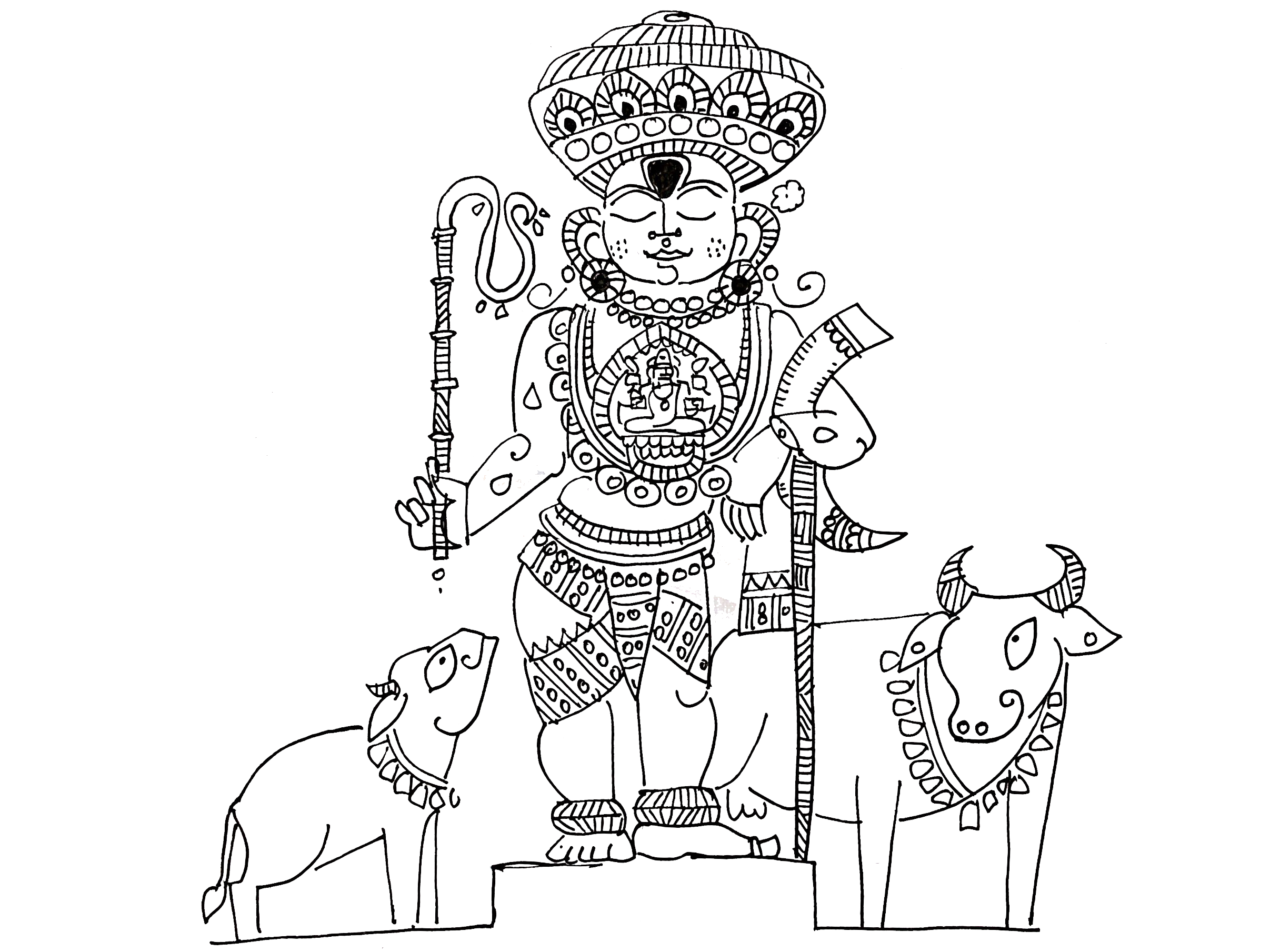
Feet Of Fortune
After the devotee pays obeisance to the deity (darshan), the priest places a crown on his head. But it is not quite a crown. On top are the footprints of the deity…
-
Articles
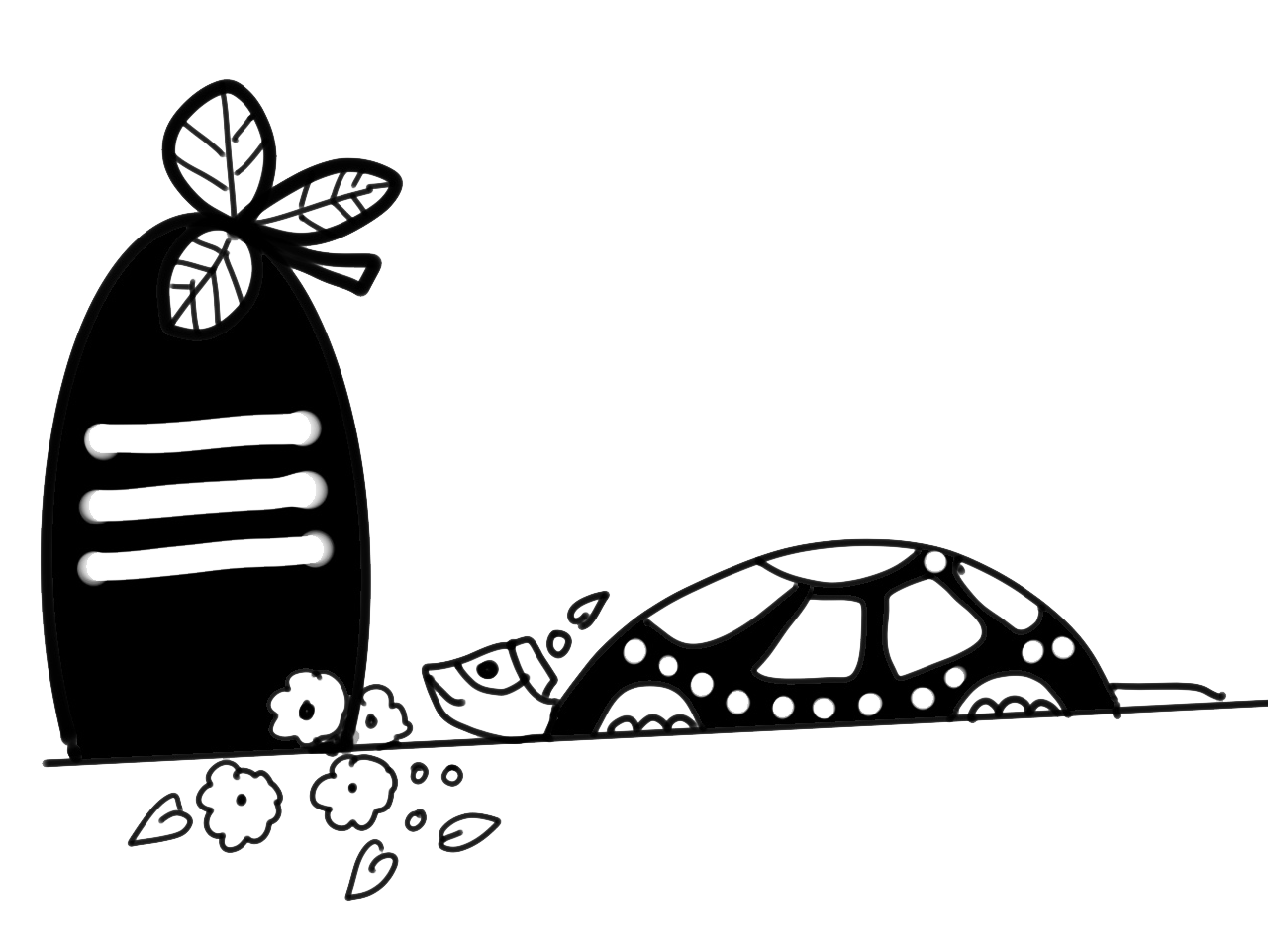
The Turtle In Shiva’s Temple
Between the Nandi Bull and the Shiva Linga is a turtle. No one quite knows the significance of this turtle, though many interpretations have been offered…
-
Articles

Month of Muharram
The month of Muharram marks the first of twelve months of the Islamic calendar, and it has very different meanings for the Shia and the Sunni communities…
-
Articles

When Spitting on Someone Is Considered Good Luck
The idea that Muslims spit on food is now spreading virally across Indian social media. It is seen as some kind of Islamic practice to contaminate Hindu food, the claim is made by people with a long history of trying to demonise the Muslim community and therefore needs to be taken with a large dose…
-
Articles

Ancient Indian Fashion Today
How old is Indian fashion? It is extremely difficult to prove continuity in the realm of fashion history…
-
Articles

Legacy Of Those Denied Success By Heartless Gods
This is a story from Sumerian mythology. Sumer is a region in southern Iraq where the world’s first cities were established around 3500 BC…
-
Articles
Rediscovering the Unique, Prehistoric Sites
The word prehistory is typically used for pre-writing cultures and more specifically for cultures that existed before farming and the use of metal tools…