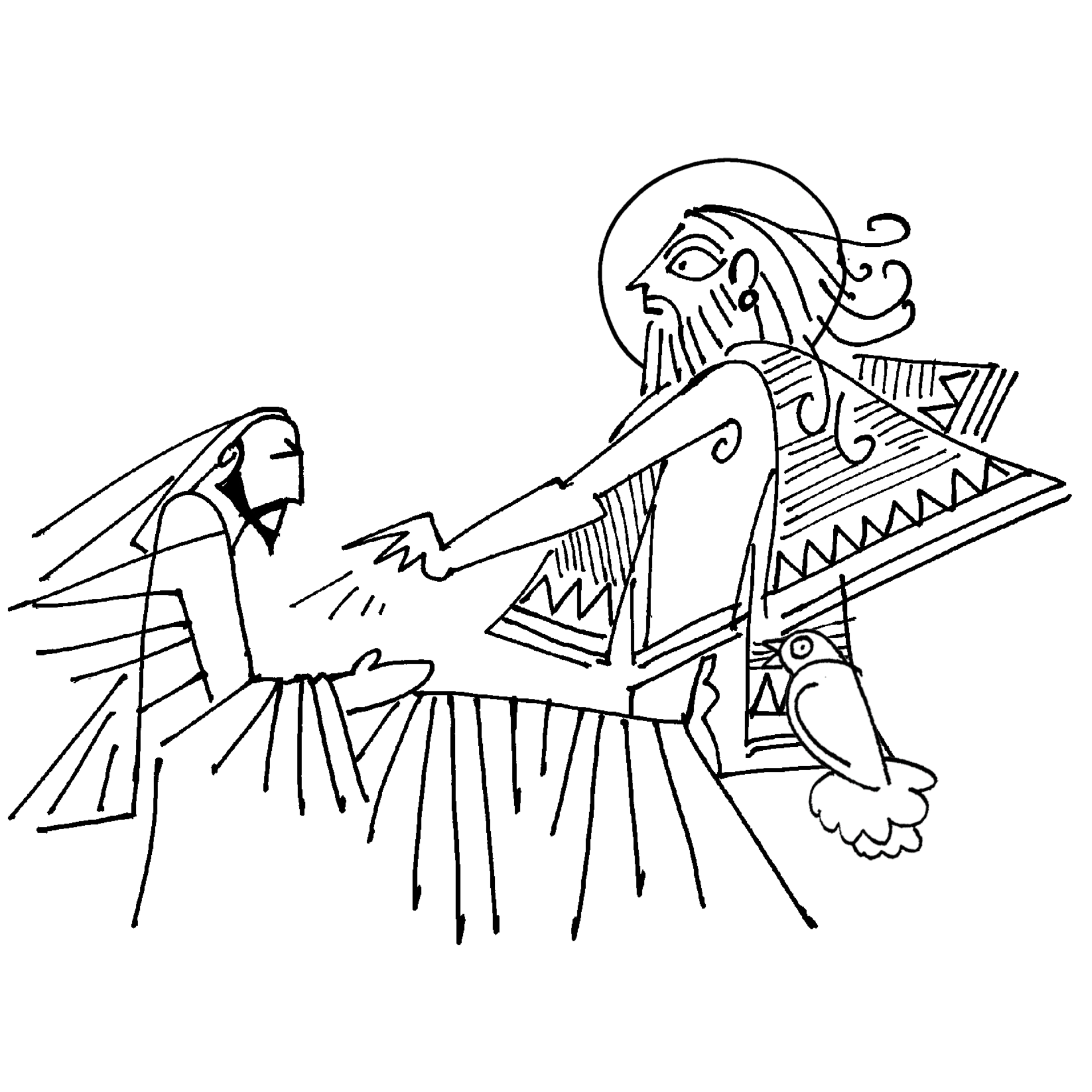
As per Tantrik lore, Indrabhuti saw red birds flying in the air. He realised these were not birds but monks in red robes rising to the sky. One of these monks dropped a book to satisfy Indrabhuti’s curiosity, as well as a dagger, a bell, a lotus and wheel.
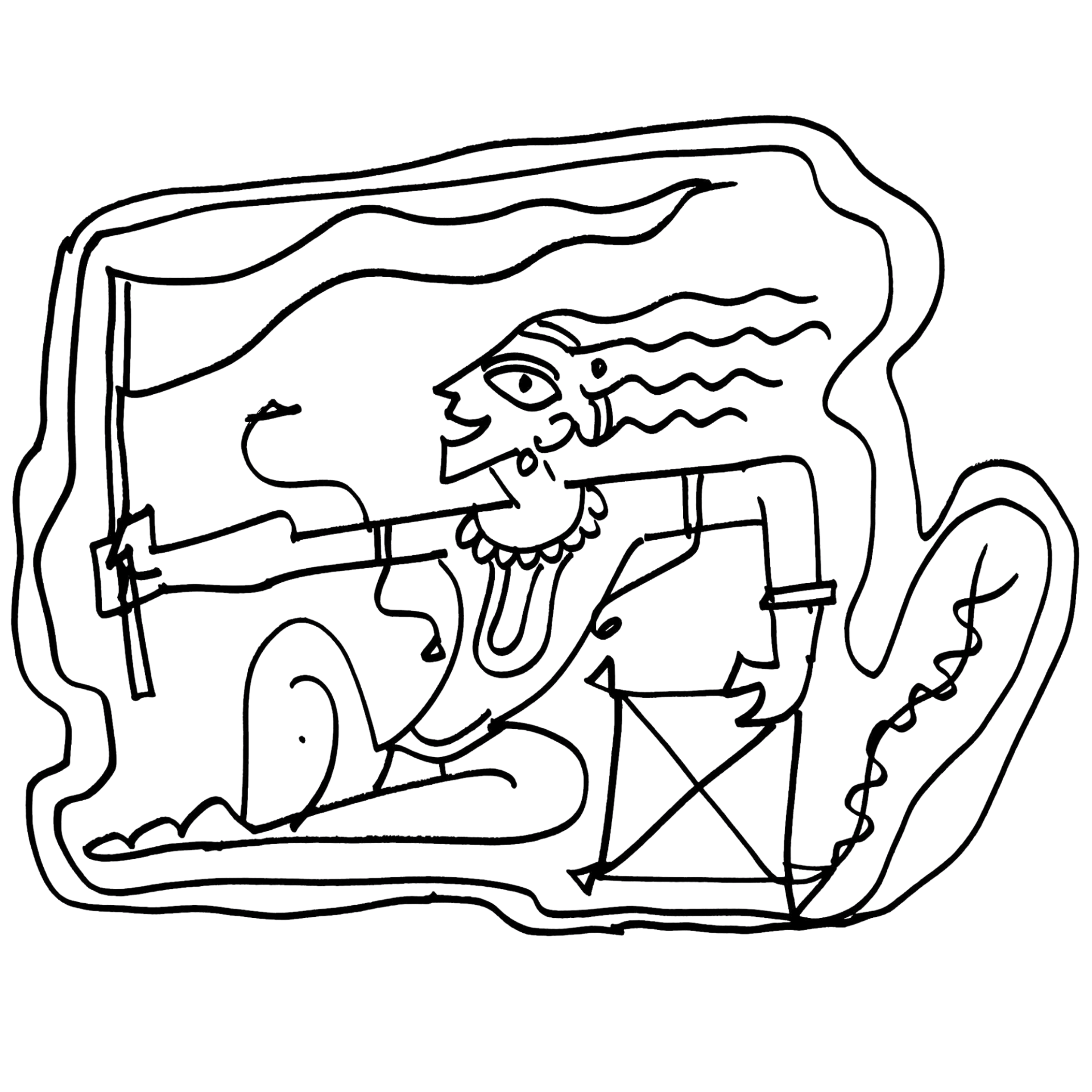
The book contained ideas, chants and instructions that Indrabhuti could not understand. So he asked the help of Kukuraja, the lord of dogs, also known as Bhairava, who said the secret could only be revealed when Indrabhuti’s sister, Lakshinkara was also next to him. The dogs were not dogs; they were dakinis, shape shifting female Tantra teachers, who shun the company of stupid people.
This incident happened 1200 years ago in Oddiyana. Western scholars argued that this was in the Swat valley of Pakistan. But as per contemporary Chinese travellers, much of Swat valley had been destroyed by Hun invaders. Buddhists had moved to Kashmir valley, but that was the stronghold of Hindu Tantra.
Why it might be Odisha
Now scholars are convinced that Oddiyana is Odisha. As per Tantrik lore, now surviving only in Tibet, Oddiyana had two kingdoms: Shambala and Lankapuri. The former was the Buddhist kingdom of Indrabhuti. Lankapuri, once home of the Rakshasa king Ravana (seen as Buddhist in Mahayana Buddhist work Lankavatara-sutra), was now ruled by a Hindu king.
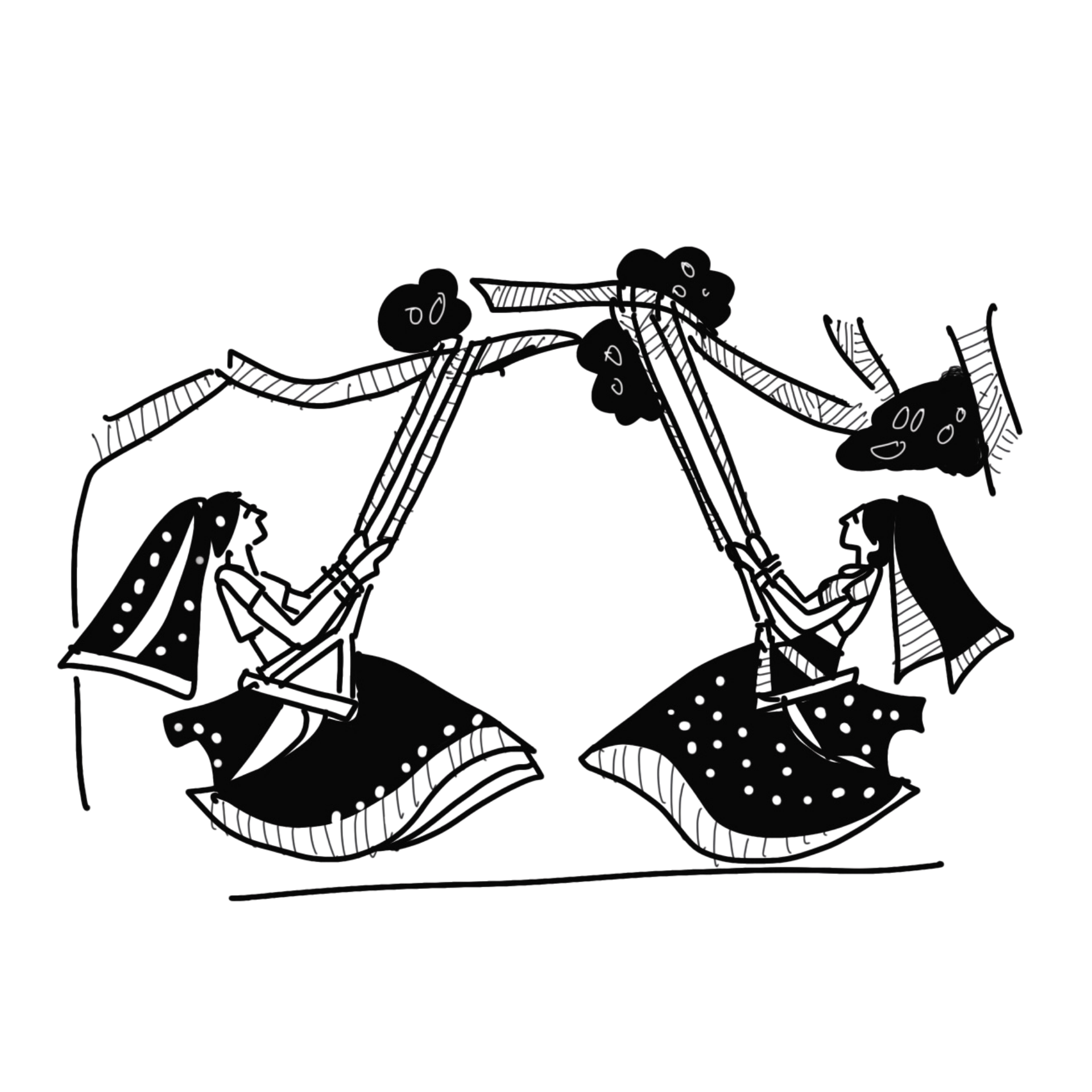
To end wars, a wedding was fixed between King Jalandhara, and Indrabhuti’s sister Lakshinkara. She, however, refused to marry a Hindu king. She gave up her dowry, and took residence in a cemetery, and became a Mahasiddha, just like her brother. Jalandhara wanted to be her student, but she advised him – if he was truly serious – to learn from his palace toilet cleaner, a great Tantrik master.
Today, Shambala is known as Sambhalpur, and Lankapuri is known as Sonepur (golden city), where Lankeshwari Devi is still worshipped. Odisha has long been denied its place in Hindu and Buddhist history, as the original Lanka and the original Shambala. Hindu activists prefer to shift Lanka to the South and Shambala to Tibet, Bhutan, even Pakistan.
To tap into the rising flow of Hindu pilgrims, Sri Lanka’s Tourism Ministry advertises Lanka as the island of Ravana. This initiative is also supported by the Indian Government to bolster spread of Hinduism. But scholars have long argued that Sri Lanka’s link with Ravan began only in the 10th century around the time of the Chola conquest and composition of the Tamil Ramayana
Gold found in Sri Lanka is also found in Odisha, where it was obtained by panning the water of the Subarnarekha (golden-strip) river that ows north of Subarnapur, now called Sonepur. But Sri Lanka does not have the famous Sala trees that grew in Lanka. They are found in Odisha.
Lanka’s maternal family name was ‘Salan-katankata’ meaning rulers of Sala forests. Besides, the Valmiki Ramayana’s geography is restricted to the south by Godavari, for those who bother with texts. And many tribal communities of Central India say they are descendents of Pulatsya, Ravana’s ancestor.
The links between Buddhism and Odisha
Odisha’s deep connection with Buddhism is ignored even by Indian historians including the current politically powerful crop of Hindutva historians. This was not the elite Buddhism of meditation. This was the Buddhism of ritual magic to solve daily problems, bring luck and fortune, ideas that appealed to local merchants and common people a lot.
- The first merchants who fed Buddha came from Ukkala (Utkala, another old name of Odisha). Buddha taught them to build a stupa. This would earn them merit and fortune. They did not have to become monks.
- Ashoka turned to Buddhism in Odisha after the Kalinga (another name for Odisha) war that he fought to gain access to Odisha’s seaports and iron mines.
- The Mahayana Buddhist scholar Nagarguja was born in Dakshina Kosala, located in the borders of modern Odisha and Chattisgarh. Its capital Sirpur is a major Buddhist site. He later moved to Krishna river delta, south of Odisha, where stands Buddhist sites of Amaravati and Nagarjunakonda.
- Adi Shankaracharya travelled to Odisha in the 7th century to debate Buddhists and played a key role in changing the identity of Purushottama from Shunyarupa Adi Buddha to Jagannatha.
- Odisha has over 100 Buddhist sites such as viharas (similar to Nalanda in Bihar), chaityas, stupas, and the earliest location where miniature votive stupas are arranged in a circular fashion, the mandala!
- The mandala form travelled from Odisha to Java, Indonesia, where the circular Tantrik Borbodur structure was built in the 8th century.
- Ratnagiri monastery of Odisha has the Tara image surrounded by the eight great fears of travellers and traders. The male form of this image is found in Maharashtra, dated to the 8th century.
- There are hundreds of statues of Bodhisattvas and Yoginis and Taras at sites such as Lalitgiri and Udayagiri and Langud. Unlike Nepalese and Tibetan counterparts, these Tantrik images are less violent and less sexual. They rarely tell the story of Sakyamuni Buddha. It is all about Manjushri with the flaming sword, Avalokiteshwar Padmapani of Mahayana Buddhism and Vajrapani Heruka of Vajrayana Buddhism.
- Two circular temples of 64 yoginis, key to all Tantrik traditions, dated to the 10th century, are found in Odisha: at Bhubaneswar and Bolangir.
- As per Buddhist historian Taranath, who lived in the 17th century, the Gajapati kings supported Buddhist viharas as late as the 15-16th century, three centuries after the attack on Nalanda by Muslim warlord Bhaktiyar Khilji.
With the rise of the Jagannath temple culture after the 13th century, and the transfer of coast-based mercantile networks to Muslim sailors, Buddhism waned and disappeared. But Indrabhuti’s foster son, Padmasambhava, travelled northwards from Odisha through Nepal to Tibet and introduced the Tantrik school of Buddhism that overpowered local tribal deities and made them guardians of Buddha’s teachings.