Knowledge can be transmitted orally or in the form of texts. Hindus preferred the oral form.
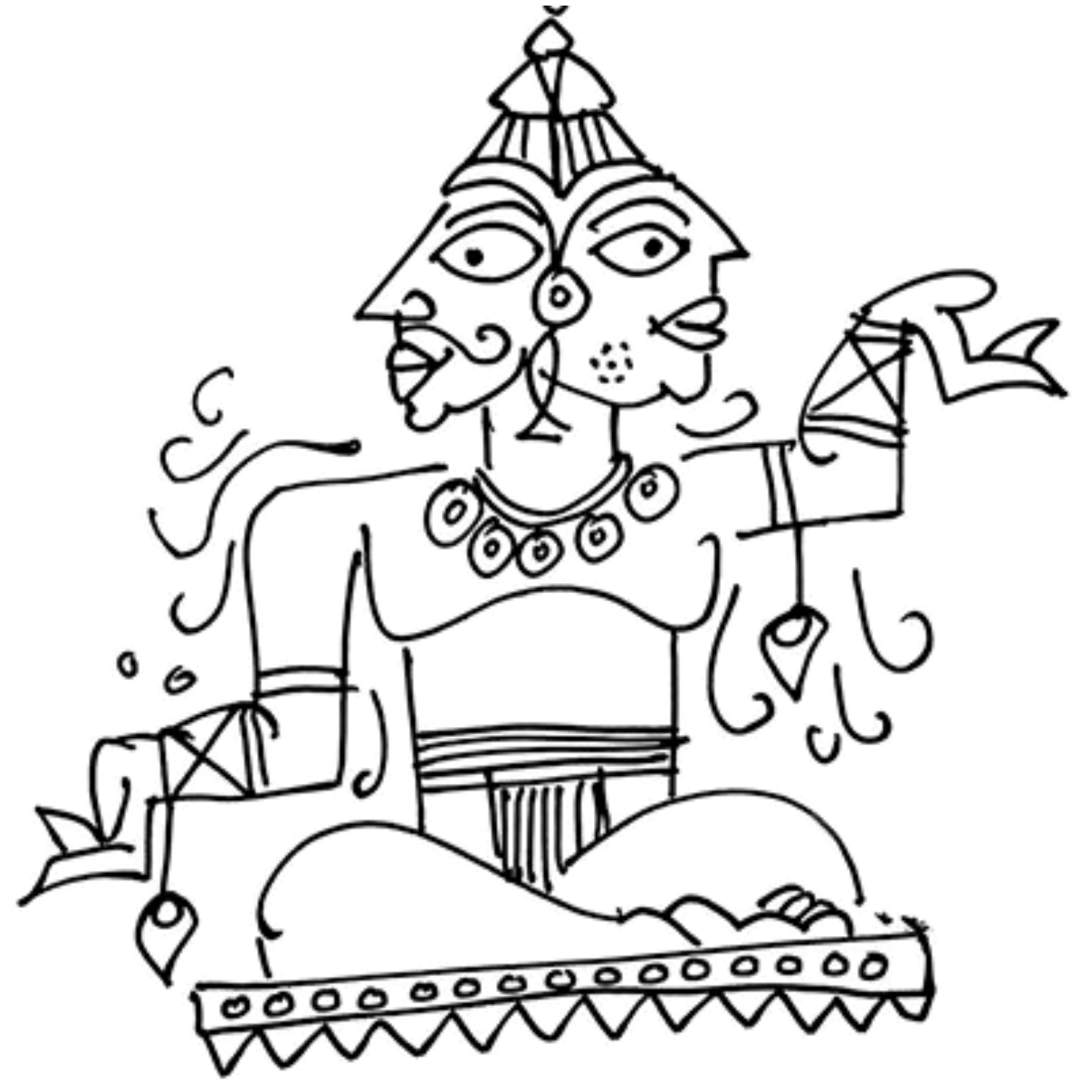
The Ramayana was first presented orally by the poet-sage Valmiki to Luv and Kush, who then recounted the tale to Ram himself in Naimisha forest on the banks of the river Gomati in the Ganga basin. Sauti Ugrashtrava narrates the Mahabharata to Rishi Shaunaka. He had heard it from his father, Lomaharshana, who heard it recited by Rishi Vaishampayana to Janamejaya during the famous snake sacrifice. The Bhavishya Purana is also narrated in the same way in Naimisha forest, from Lomaharshana to Shaunaka. The Bhagavata Purana is narrated by Vyasa’s son Shuka to Parikshit, who is dying of a snake bite. Another version of the Mahabharata is presented to Jaiminya by the four birds who survived the Kurukshetra war.
In the Ramayana, knowledge is transmitted by a dying Ravana to Ram. In the Mahabharata, a dying Bhishma passes on his knowledge to the Pandavas. Knowledge transmission is thus shown to be oral. This contrasts starkly with the idea of knowledge being presented through written sources. In the 13th and 14th centuries, medieval European paintings often depict Mary, the mother of Jesus Christ, with a book — indicating the value placed on reading and studying to attain wisdom. This was especially prominent among Protestants, who believed that textual knowledge emphasised the importance of the holy book.
In Tantric traditions too, books hold significance. We are told of a king called Indrabhuti of Shambhala, who sees monks ascending to the sky. One monk drops a book, which the king cannot understand. He seeks the help of a mystic known as Kukur Raja, who is surrounded by dogs that reveal the secret to him. The dogs turn out to be yoginis, and this knowledge is even passed on to his sister.
In Tibet, we are told that sage Padmasambhava, who travelled from Odisha to Tibet, left much secret knowledge hidden in boxes, jars and various texts to be discovered later. Across Tibet, monasteries claim to possess ancient knowledge because they have found one or more of these treasures.
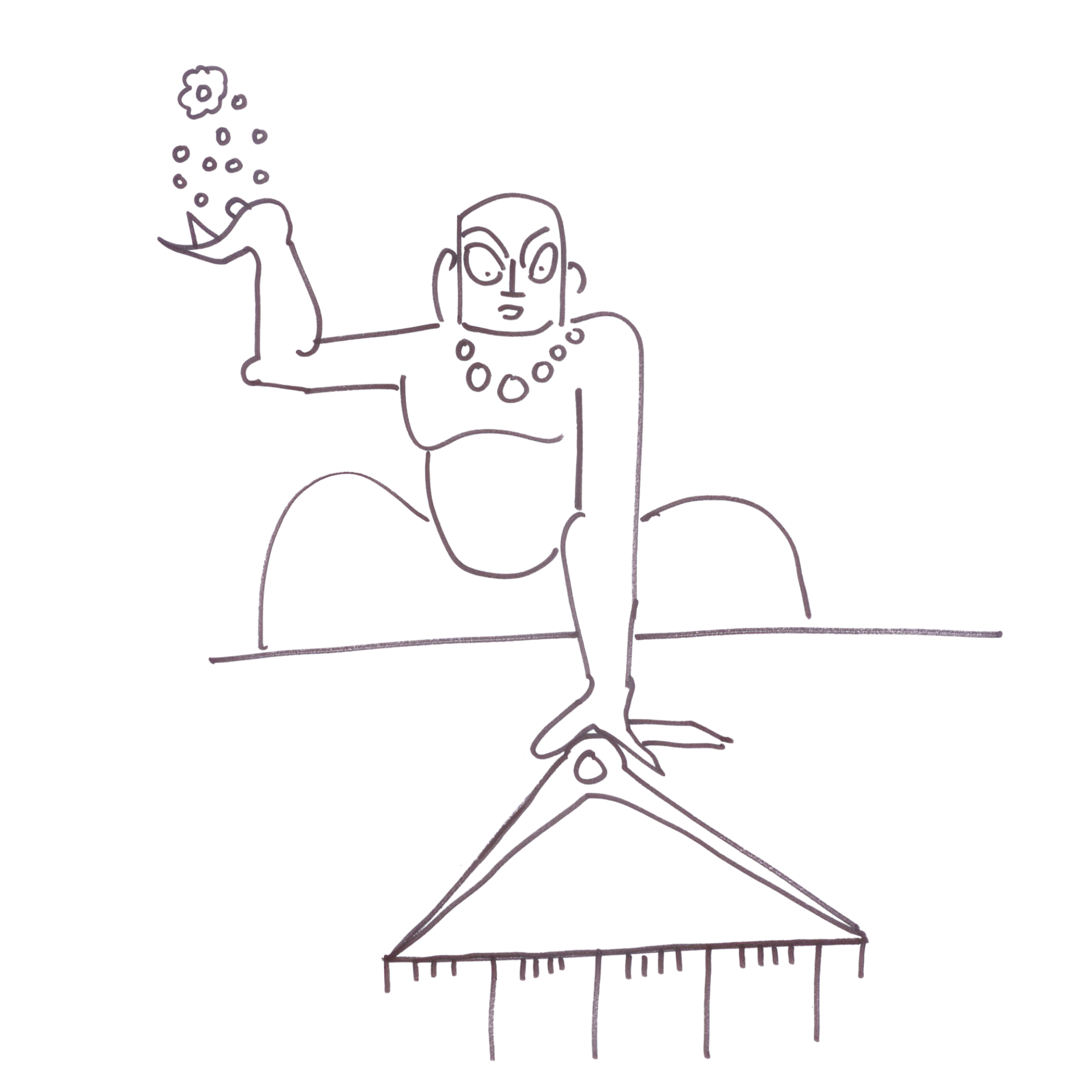
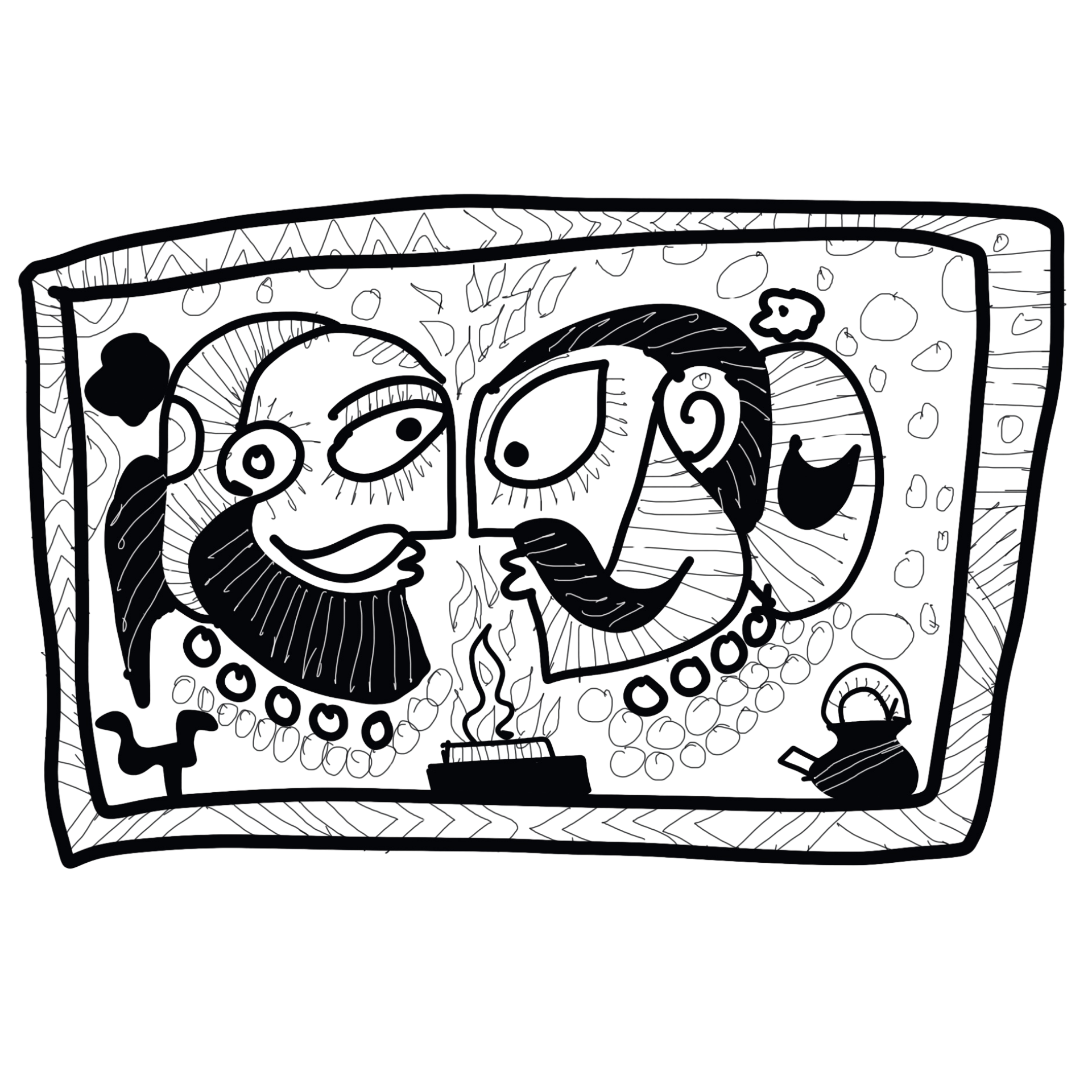
The Hindu Matsya Purana is transmitted by the fish form of Vishnu to Manu. The Kurma Purana is narrated by Kurma (a tortoise) to King Indradyumna. The Varaha Purana is narrated by Varaha to Bhudevi, the earth goddess. The Gita is narrated by Sanjaya to Dhritarashtra, who is listening to the conversation between Krishna and Arjuna. The Tamil Agamas, considered the Vedas of the Kaliyuga, are transmitted by Shiva to the Saptarishis under a banyan tree; this form is called Dakshinamurti. In many stories it is shown that Shiva narrates in secret to Parvati, but this is overheard by animals like the serpent around his neck, the fish in the river beside the cave, and various birds, which travel the world, telling the stories. The Kathasaritsagara is a collection of stories narrated by Shiva to Parvati and transmitted to the world through these various animals.
We see the importance given to dialogue in Hindu tales. From the 10th century Tamil retelling of Mahabharata, we get for the first time the story of how Ganesha writes it down the Mahabharata. This is when the written word was given greater value than the spoken word.