
Mythologist | Author | Speaker | Illustrator

-
Articles

How Was Atharva Veda Different?
The Rigveda praises the gods. The priest composes beautiful hymns, asks for cattle, sons, victory, rain. The relationship is simple: human below, god above, prayer going upward. The Atharva Veda works differently. The priest does not pray. He acts…
-
Articles

The Rise of Nava-grahas
In Vedic times, graha meant malevolent spirits who hurt mothers and babies. It had nothing to do with planets. The 3000-year-old Vedic Jyotisha had nothing to do with predicting the future. It was a practical science of timekeeping — fixing solstices, calibrating the lunar calendar, scheduling sacrifices. The Rig Veda mentions no grahas at all.…
-
Articles

Did Indra Eat Buffaloes?
We live in times, where people want to ban goat sacrifice during the Muslim observance of Bakra Eid, on grounds of compassion. This overt attack on Islamic rituals is also a covert attack on subaltern Hindu practices — where goddesses are offered fish and meat…
-
Articles
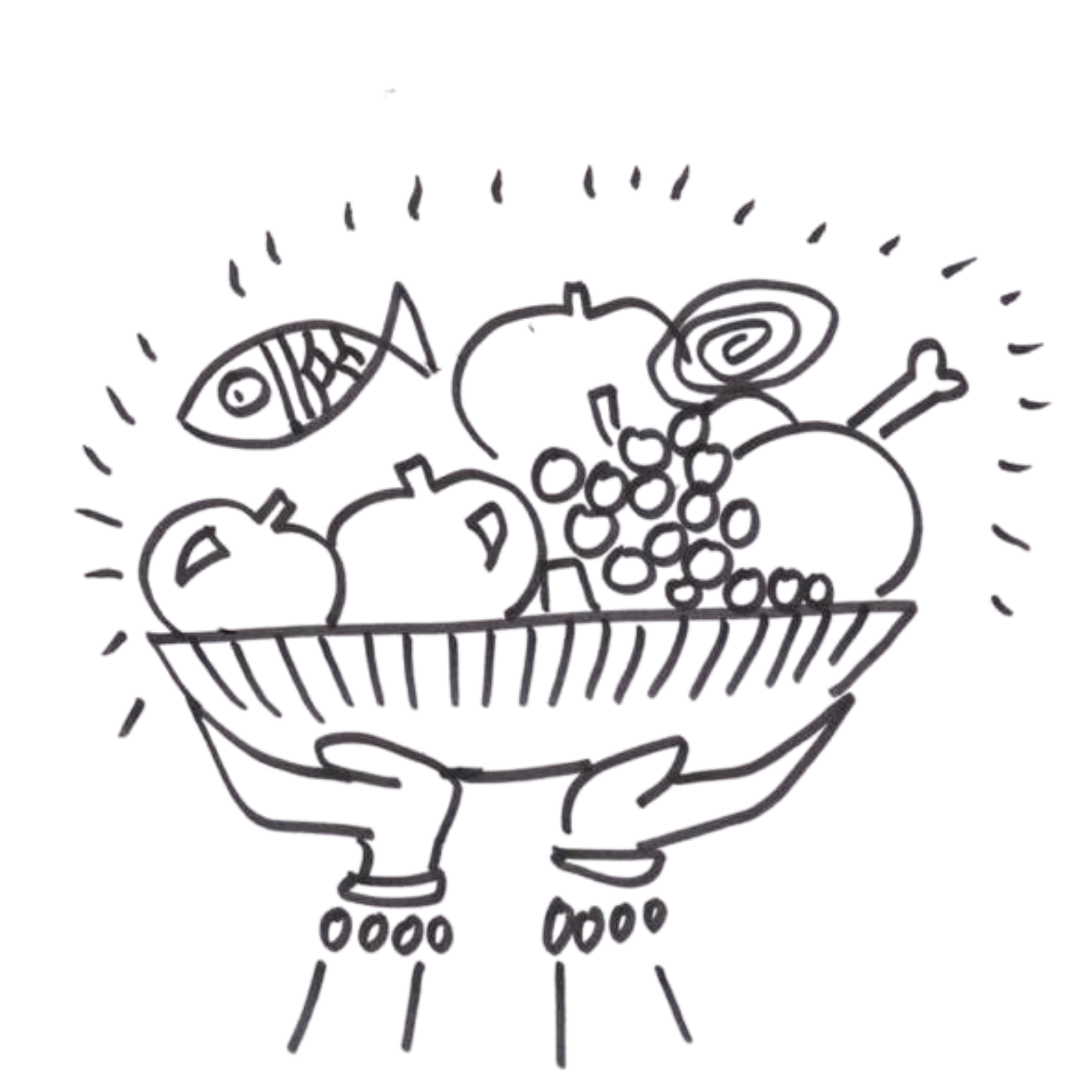
How the Bhagavad Gita Invented Sattvic Food
The Vedas gave us Purusha. Tantra and Yoga gave us Prakriti and the gunas. Only the Bhagavad Gita welded these to food and caste, creating the “sattvic” framework popularly invoked today…
-
Articles

The Chandala in the Vedas
The term Chandala, referring to the “lowest of the low” in Brahmin lore, appears a few times in the Vedic literature itself. It is essentially absent from the Rigveda Samhita and emerges only in the later strata of the corpus — the later Samhitas, Brahmanas, and Upanishads. …
-
Articles

How Vagdevi Merged Into Saraswati
The goddess we call Saraswati today begins as Vagdevi, the Goddess of Speech, identified primarily with the Vedic deity Vac. Her earliest stories foreground the immense power, and sometimes the deceptive nature, of the spoken word. These are found in ritual Vedic texts known as the Brahmanas…
-
Articles

Tantra of the Wheel of Time
Compiled in the early eleventh century as Muslim armies pressed into northwest India, the Kalacakratantra — the Wheel of Time Tantra — is one of the clearest cases in religious history of a sacred text designed as a political response to a contemporary threat. …
-
Articles
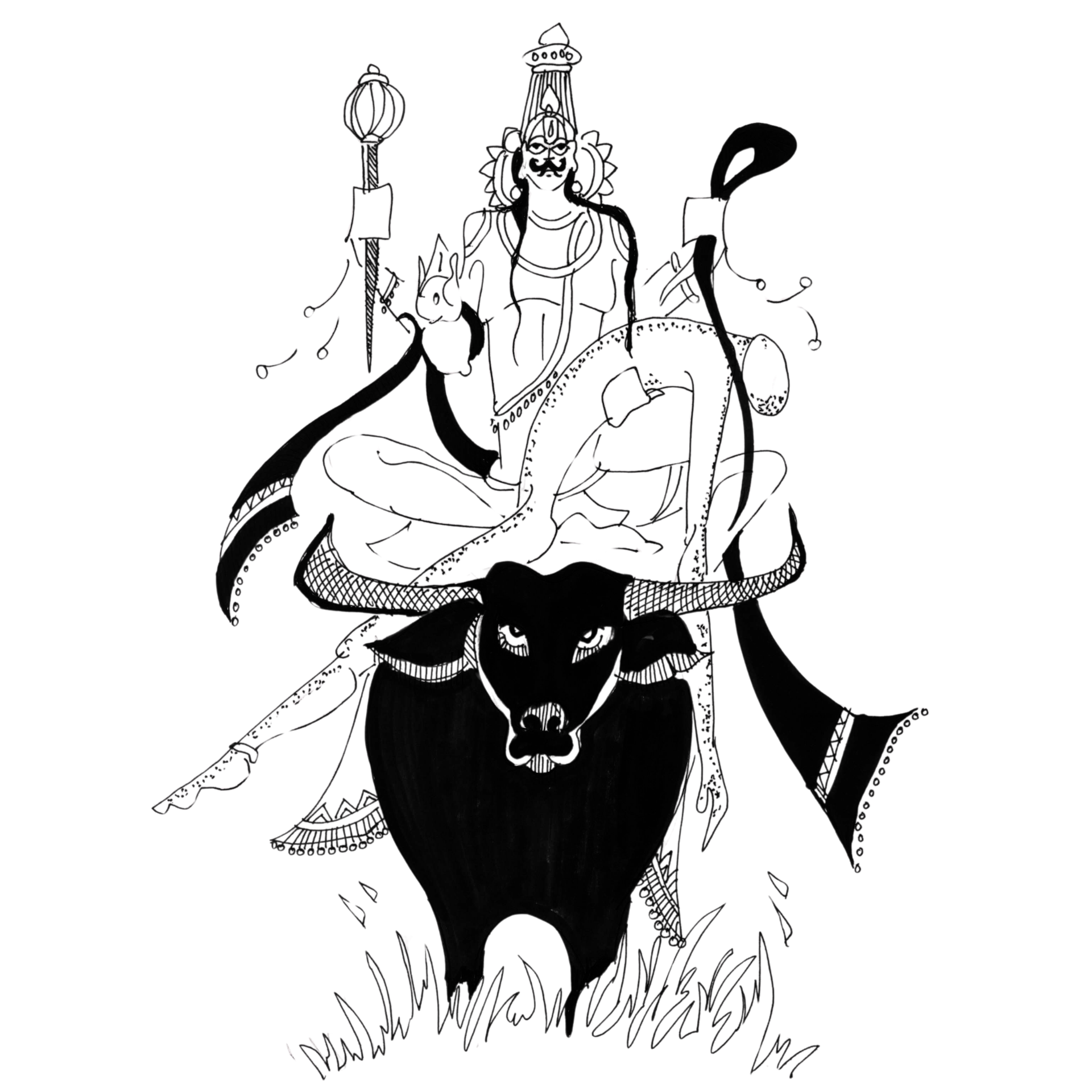
Yama’s Journey from Vedic King to Cosmic Accountant
Yama is the Hindu god of death, accountability, and the afterlife. Often ignored, his history is long and complex, reaching back to Vedic, Indo-Iranian, and Indo-European mythological traditions…
-
Articles

What was Rig Vedic society like?
Rig Vedic society reflects a long and uneven transition from a predominantly pastoral mode of life to a more settled agrarian order, accompanied by the gradual emergence of social hierarchies…
-
Articles
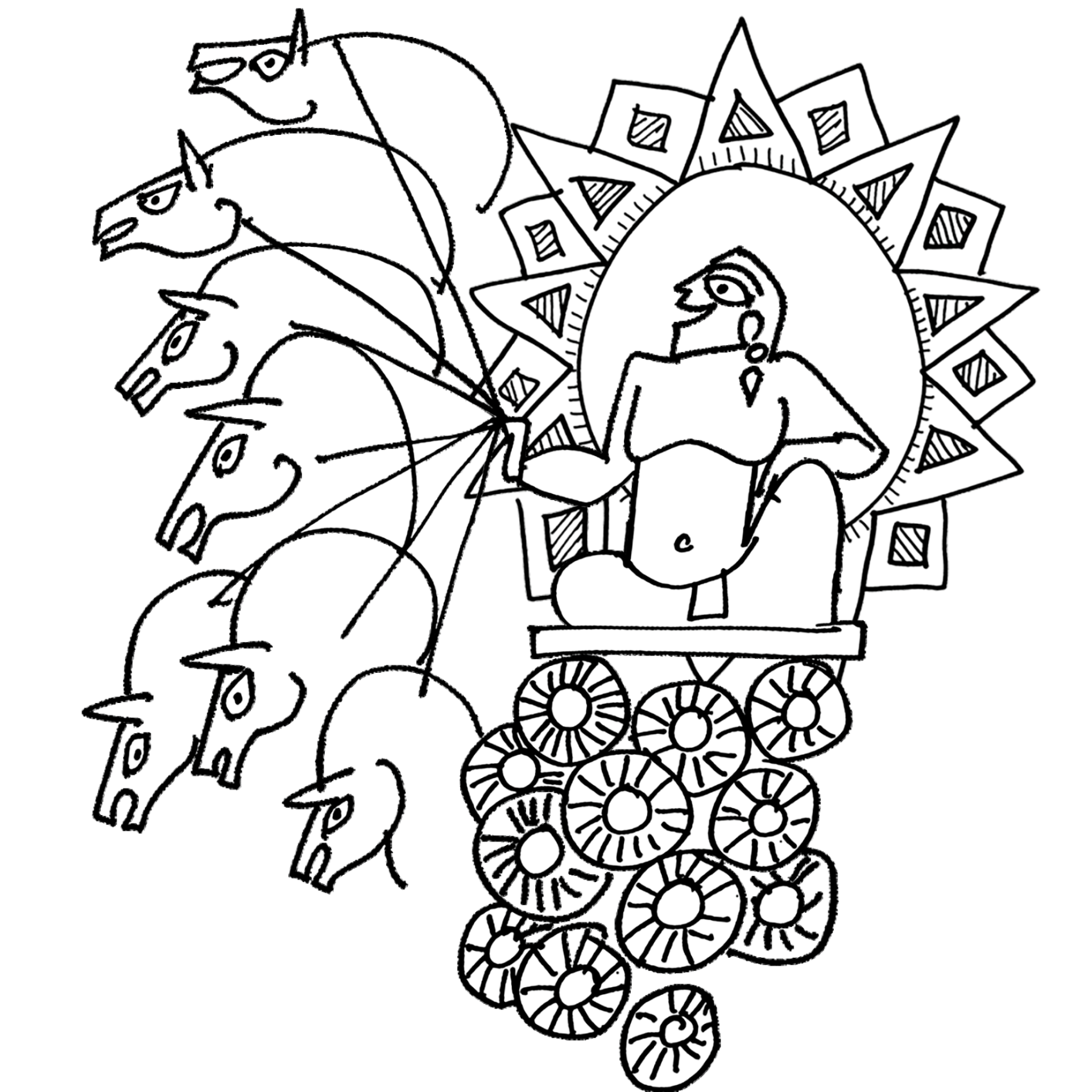
Children of the Sun God
From early Vedic times, the sun is also tied to humanity and death. Surya has two sons who frame the human condition. Manu is the father of humankind, lawgiver, and culture hero…His brother Yama embodies the opposite destiny…
-
Articles
How Metaphors Reveal Ancient India’s Cultural Secrets
Early Indian metaphors emerge from three very different cultural zones: the Vedic northwest, the Tamil south, and the Prakrit-speaking Deccan. Each region had its own climate, flora, fauna, settlement pattern, and historical rhythm. …
-
Articles

How Many Manus Do You know?
Most people assume that Manu is simply the stern lawgiver of the Manusmriti, son of Brahma, entrusted with the task of framing rules for humankind. But this Manu is only one among many, and a relatively late one at that — emerging around 200 AD. …
-
Articles

The Buddha and His Impact On Brahminism
Vishnu takes the form of Buddha to save animals from being slaughtered in Vedic rituals. Today, many Hindus get upset when told that Vedic rituals involved animal sacrifice. Clearly, Buddhist influence on Vedic Brahmins has been profound, though always denied…
-
Articles
Dravidian Iron for the Aryan Horse
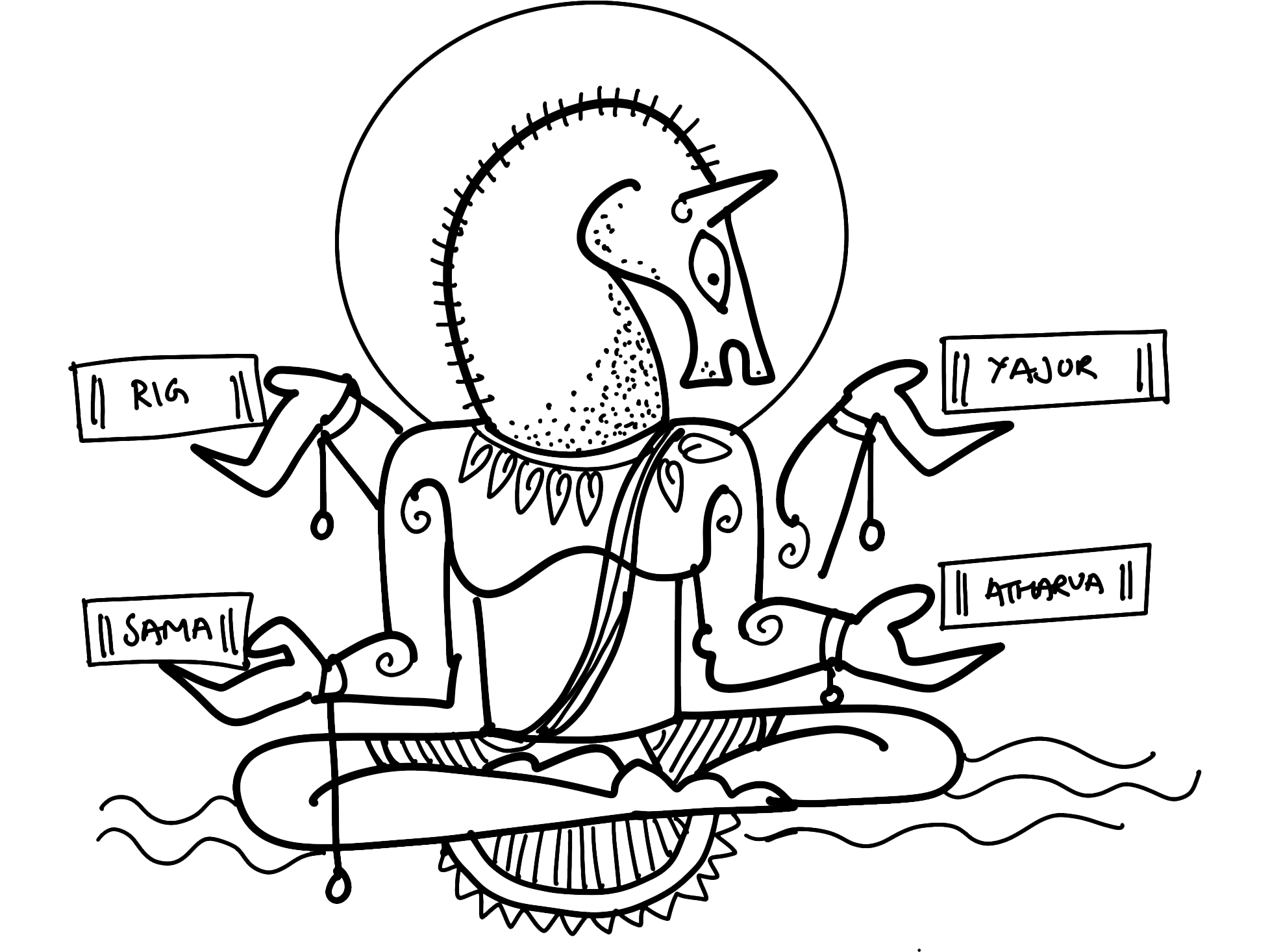
Colonial historians argued the ‘Aryan invasion theory’ that light-skinned chariot-riding people destroyed Harappan cities, conquered India, enslaved local dark-skinned people and created the caste system. To counter this, there was the ‘out of India’ theory popularised by many Brahmins, that Harappa was Vedic, that Aryans were originally Indians who migrated out of India, taking civilization…
-
Articles
Is a Dvija the Same As a Savarna?
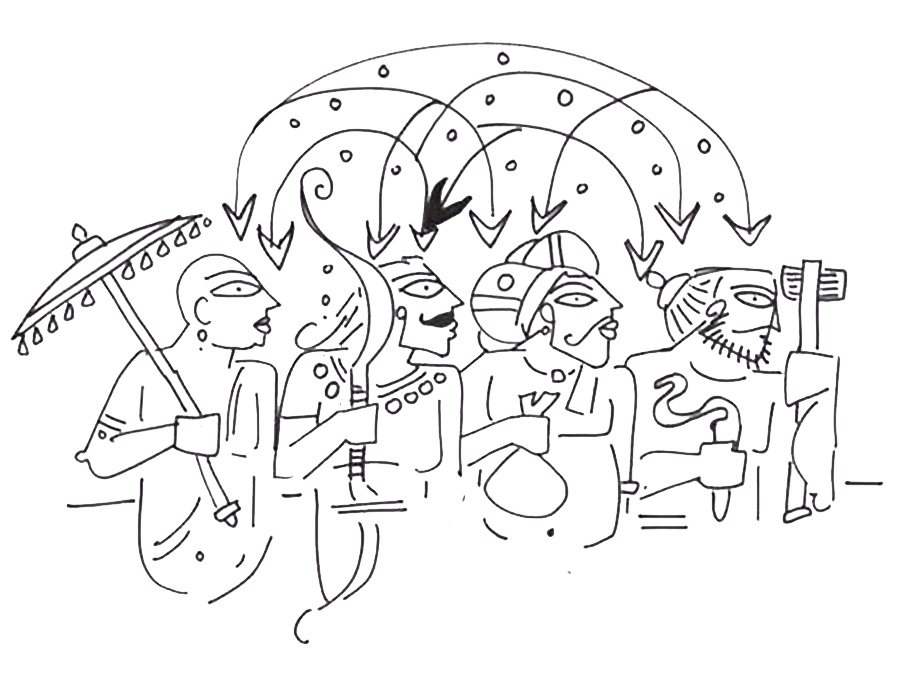
The term ‘Savarnaʼ was coined by the Left wing to distinguish the Hindu elite from the ‘Avarnaʼ, those who are deemed outside the caste system and denied human dignity…
-
Articles
Buddhism, Jainism Within Brahmanism
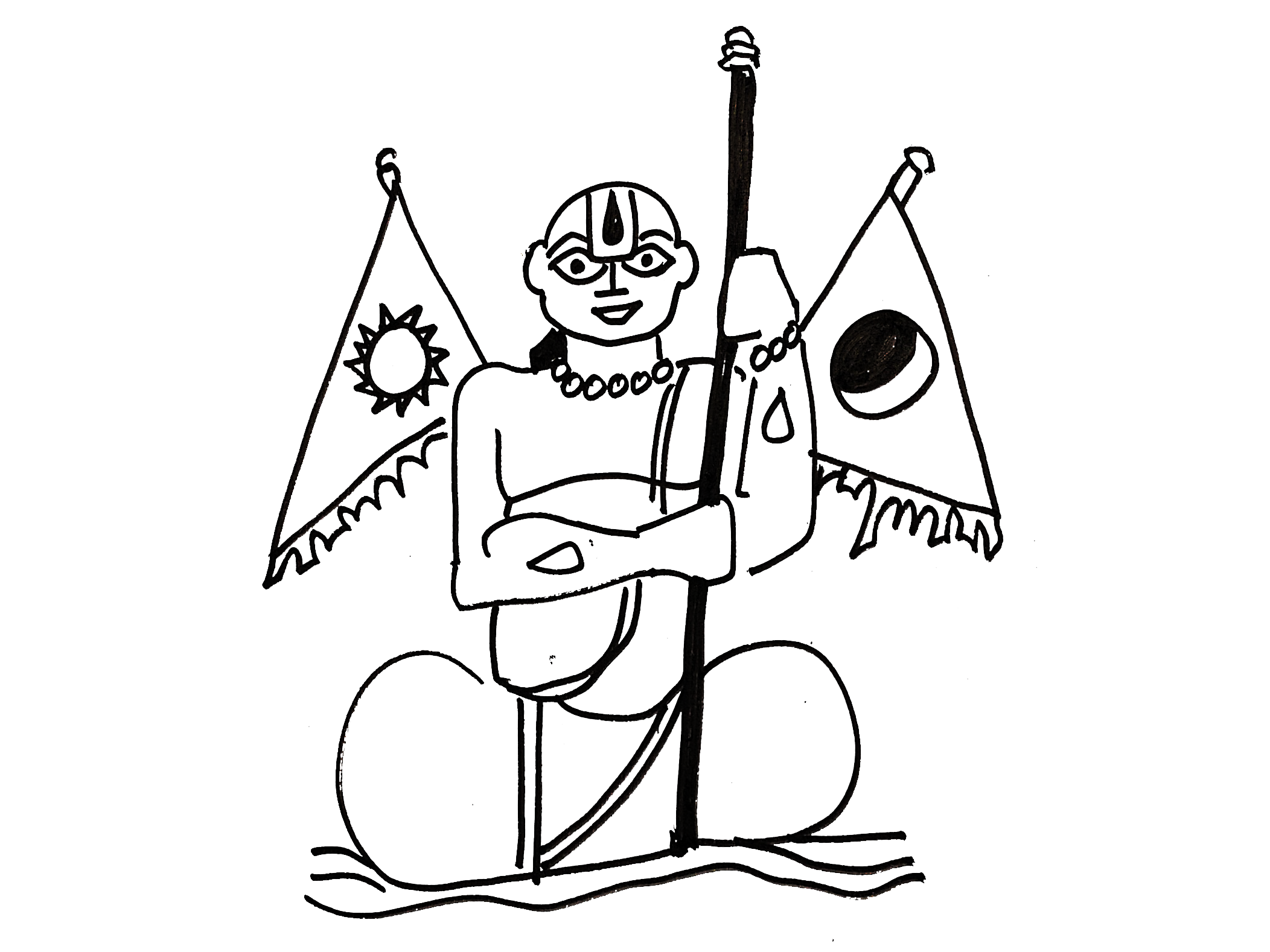
As per conventional history, Jainism and Buddhism originated in India 2,500 years ago to challenge Vedic ritualism and casteism. Then, a thousand years ago, Buddhism was driven out by Brahmins, with a little help from invading Muslim warlords…