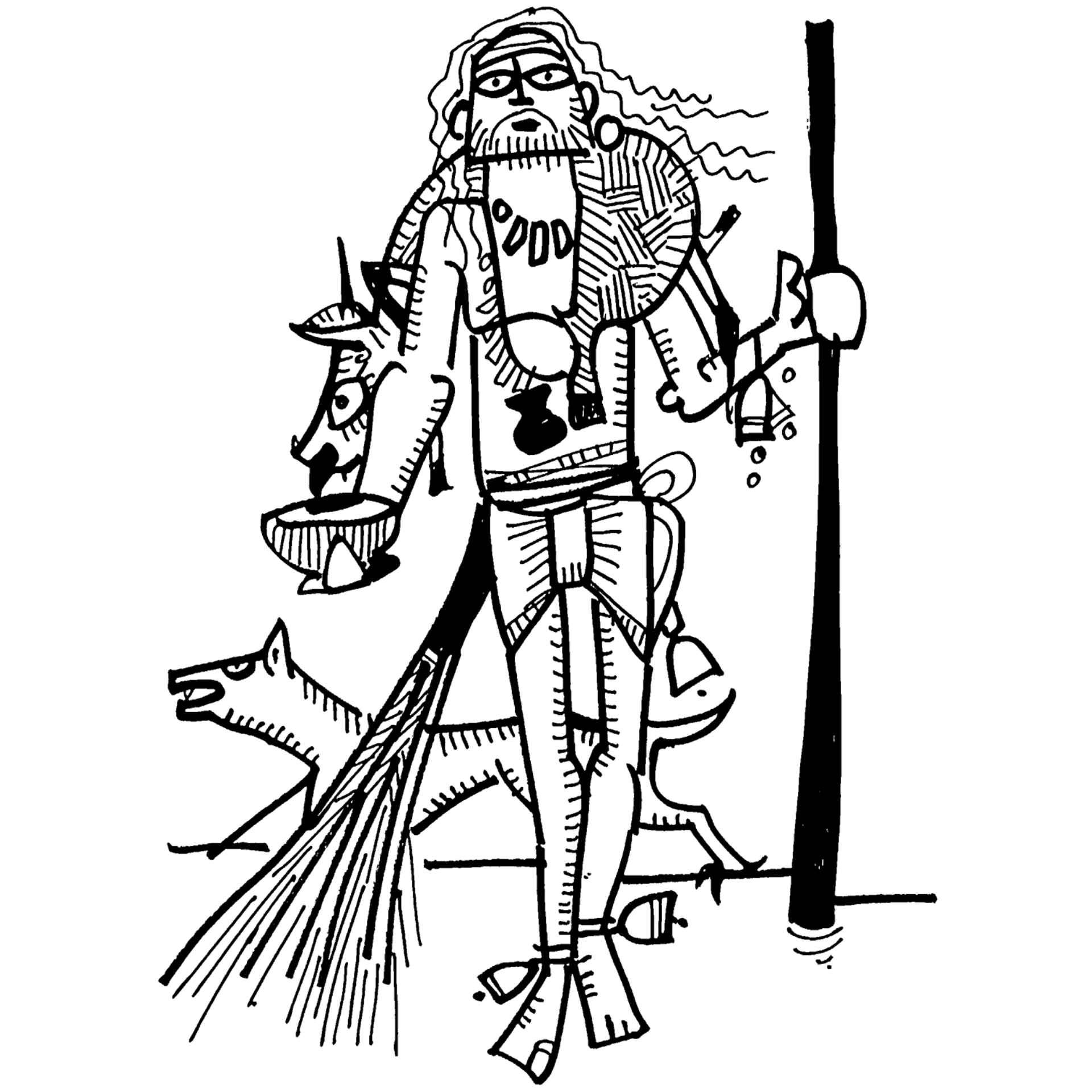
The term Chandala, referring to the “lowest of the low” in Brahmin lore, appears a few times in the Vedic literature itself. It is essentially absent from the Rigveda Samhita and emerges only in the later strata of the corpus — the later Samhitas, Brahmanas, and Upanishads. The references are scattered, but each one is significant for understanding how the figure of the Chandala entered Vedic thought.
The earliest direct mention occurs in the symbolic “human sacrifice” list of the Purushamedha, in the Vajasaneyi Samhita (Shukla Yajurveda), Purushamedha hymn (30.5–22), where various social and occupational types are assigned to different deities. The Chandala is named here alongside the Paulkasa, Nishada, and others, dedicated symbolically to a specific deity. The passage is striking because it locates the Chandala outside the four varnas, but still within the cosmic-ritual scheme.
A parallel Purushamedha list in the Krishna Yajurveda, Taittiriya Brahmana 3.4, repeats the same assignment, confirming the term’s currency in late-Vedic ritual literature. Together with the Vajasaneyi list, this is the earliest stratum where the word is unambiguously used.
The Chandogya Upanishad 5.10.7 provides the most famous Vedic reference. In the doctrine of the two paths (devayana and pitryana), the text states that those whose conduct in life has been pleasant will be reborn into a pleasant womb — that of a Brahmin, Kshatriya, or Vaishya — while those whose conduct has been evil will enter “a foul womb, that of a dog, a pig, or a Chandala”. Here, the Chandala is invoked in a moral-karmic context, as the lowest possible human birth.
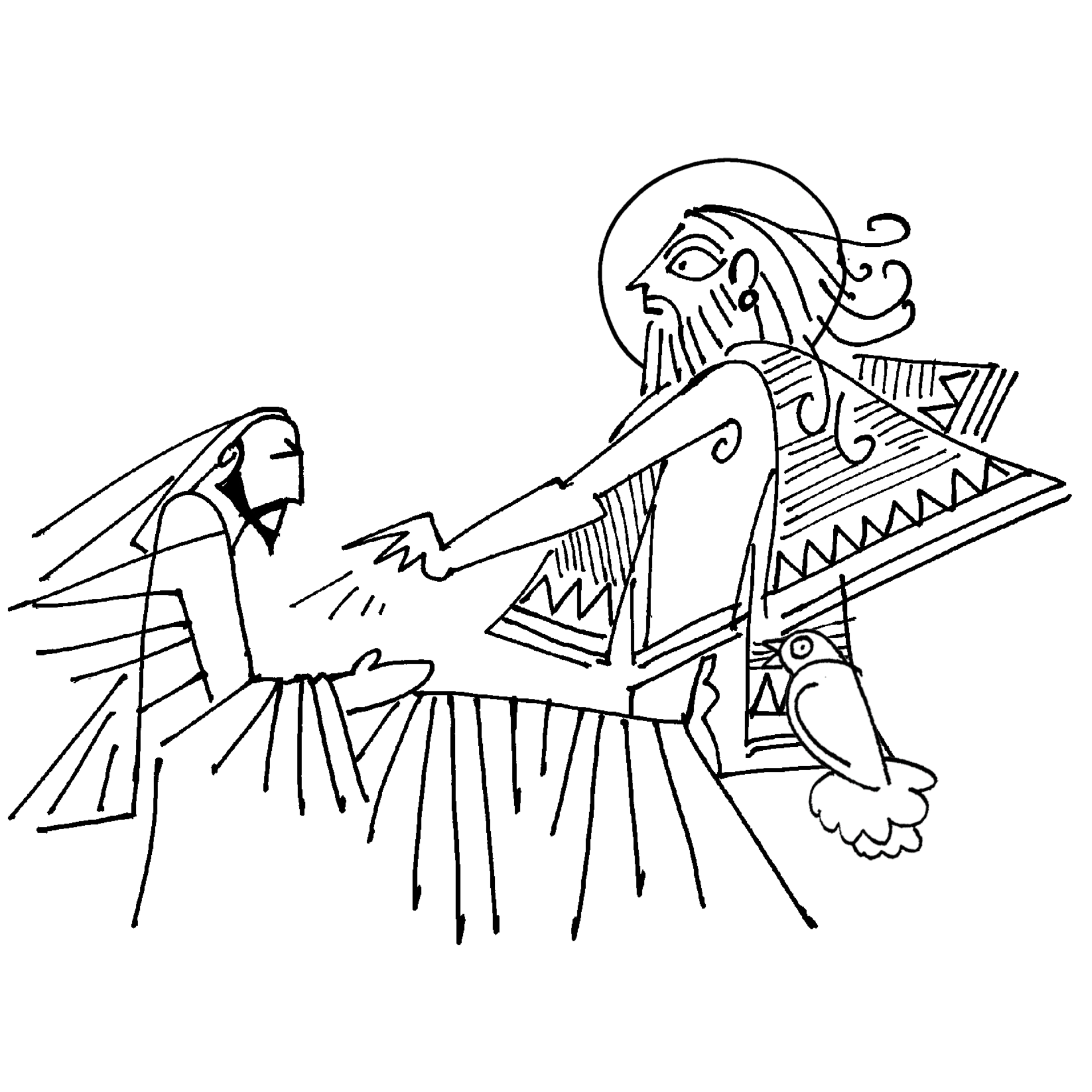
In the Brihadaranyaka Upanishad 4.3.22, we find Yajnavalkya’s celebrated description of the state of deep sleep, when all worldly distinctions are said to dissolve: “There a father is not a father, a mother not a mother… a Chandala is not a Chandala, a Paulkasa not a Paulkasa, a mendicant not a mendicant, an ascetic not an ascetic.” Here the Chandala appears as a marker of social distinction precisely so that the Upanishad can negate it: in the highest state of consciousness, such categories vanish.
In total, the term occurs perhaps four to six clear instances across the entire Vedic corpus. In the ritual-cosmological context of the Purushamedha lists, the Chandala appears as one of many social types assigned to deities. In the karmic-moral context of the early Upanishads, where birth as a Chandala represents the result of evil conduct. In the philosophical-negating context of the Brihadaranyaka, where the category of Chandala is invoked only to be transcended in the experience of the Self.
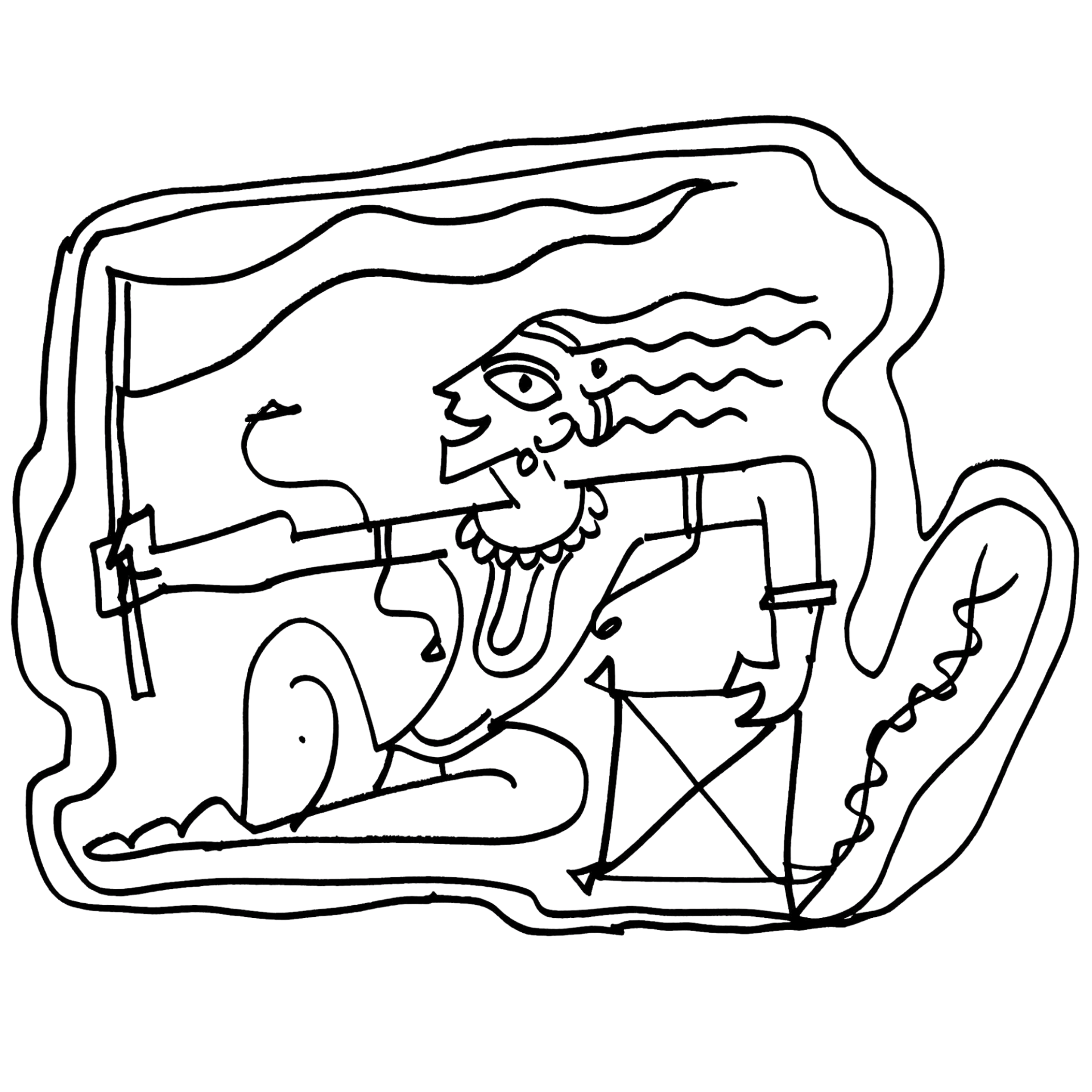
The term gains far greater frequency and elaboration in later Dharmashastra literature as the doctrine of untouchability was endorsed forcefully. In later Puranic lore, the Chandala followed by dogs, is used to represent Shiva. He appears in this form in Vedic ceremonies to teach the arrogant Brahmins the true meaning of atma. People worship Shiva but continue to follow rules of purity, pollution and hierarchy. Even Shiva is unable to stop people from accepting the essential equality of all humans. That is why even today, in temples, those who eat meat are considered impure and polluted, a reminder that the Chandala remains unwelcome in the orthodox Hindu space controlled by Brahmins.