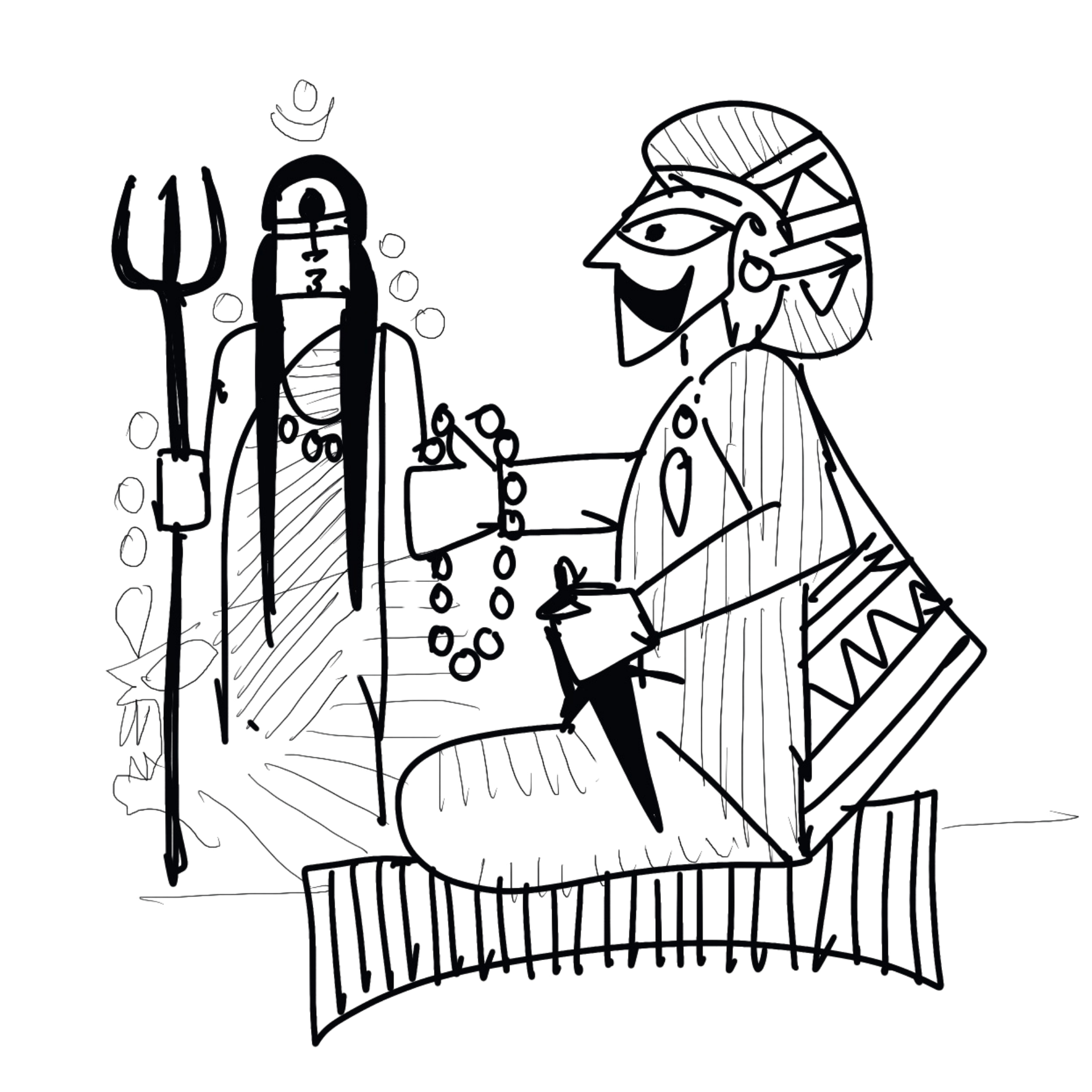
The term ‘Savarnaʼ was coined by the Left wing to distinguish the Hindu elite from the ‘Avarnaʼ, those who are deemed outside the caste system and denied human dignity. Something similar was done in India over 2,000 years ago, but for a different reason. The Brahmins created an elite category called Dvija (twice-born), to expand their income base. This is how it happened.
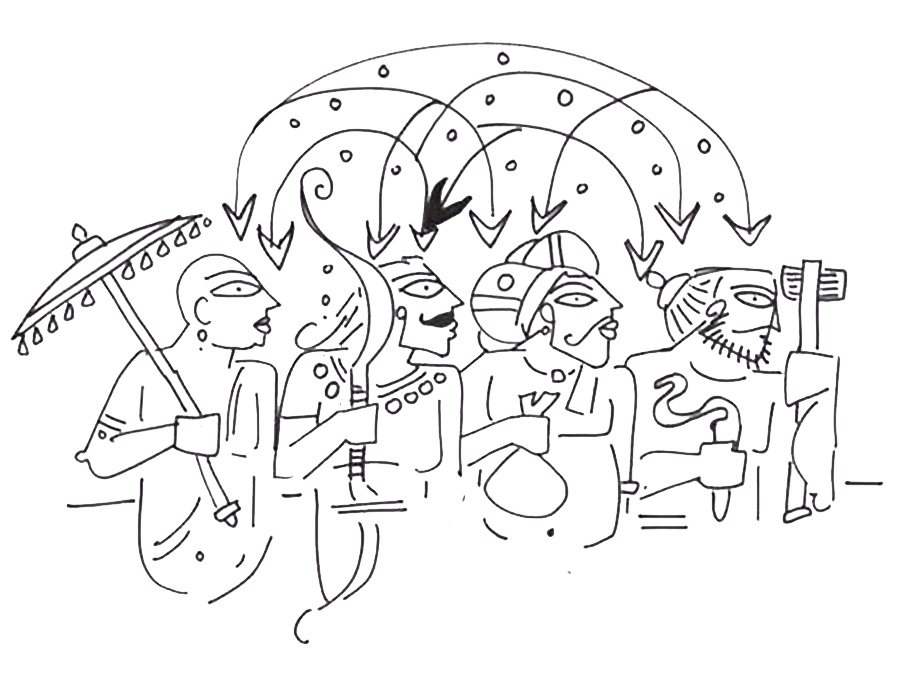
The term ‘Dvijaʼ is not Vedic. It first occurs in the Dharma Shastras, after 300 BC. This word was used to distinguish the elites of Hindu society from the non-elites. The Dvijas included the Brahmins and their patrons (mostly land-owning Kshatriyas), and, with some reluctance, the merchant communities (the Vaishyas). It did not include the Shudra, or service class, who served everyone in the village, including the artisans, the craftsmen, and the peasants. The Shudra included those who could be touched. Many have argued this did not include those servants who would not be touched, those involved in ‘dirtyʼ work involving garbage, sewage, and dead bodies.
During the Vedic period, 3,000 years ago, great value was placed on the Kshatriyas (kings) who rode chariots drawn by horses, wielded bows. These were nomadic herdsmen who were supported by hymn-chanting, ritual-performing poet-priests, ‘Kaviʼ, who became known as Brahmins, keepers of the secret language and lore. Mercantilism emerged later, as nomadic communities transitioned to agricultural settlements in the Iron Age (1000 BC).
Initially, the merchant class was not particularly influential. However, approximately 2,500 years ago, the merchant class gained prominence, as trade routes radiated out of the Ganga River basin to the Hindu Kush mountains, and to the sea coasts. These merchants became patrons of monastic orders such as Buddhism and Jainism. Merchants supported monks, and monks, in turn, supported merchants, leaving the Brahmins feeling excluded from the burgeoning market economy. Recognising the need to integrate merchants into their societal framework, the Brahmins shifted from the old Trivarna model to the Chaturvarna model.
In the Trivarna model, society was divided into three groups: the Kshatriyas (warriors), the Brahmins, and the general public (Vish), which consisted of herdsmen and agricultural workers. The Chaturvarna model introduced a fourth layer by including merchants as a separate category. The general public became the Shudra, those who serve the top three layers. This was a new idea. Popularised in dharma-shastra.
The Rig Vedic verse that mentions the four varna is an oddity. Out of 1,000 verses, it is the only one to mention varna. The word ‘shudraʼ occurs only here. It is clearly a late addition meant to legitimise the four-fold structure popularised by dharma-shastra that came later after 300 BC.
To be considered a Dvija (twice-born), one had to undergo a ceremony conducted by a Brahmin, granting permission to study the Vedas. This initiation symbolised a second birth — first from the motherʼs womb, and then through a Brahmin guru who introduced the individual to Vedic knowledge.