
Mythologist | Author | Speaker | Illustrator

-
Articles

Southward Spread of Buddhism, Jainism, and Hinduism
Traditionally, Arya-varta or the land of the Aryan people was triangulated by the Himalayas, the Ganga and the Yamuna. We know this from the early Dharma-shastra texts, composed around the time of Ashoka…
-
Articles
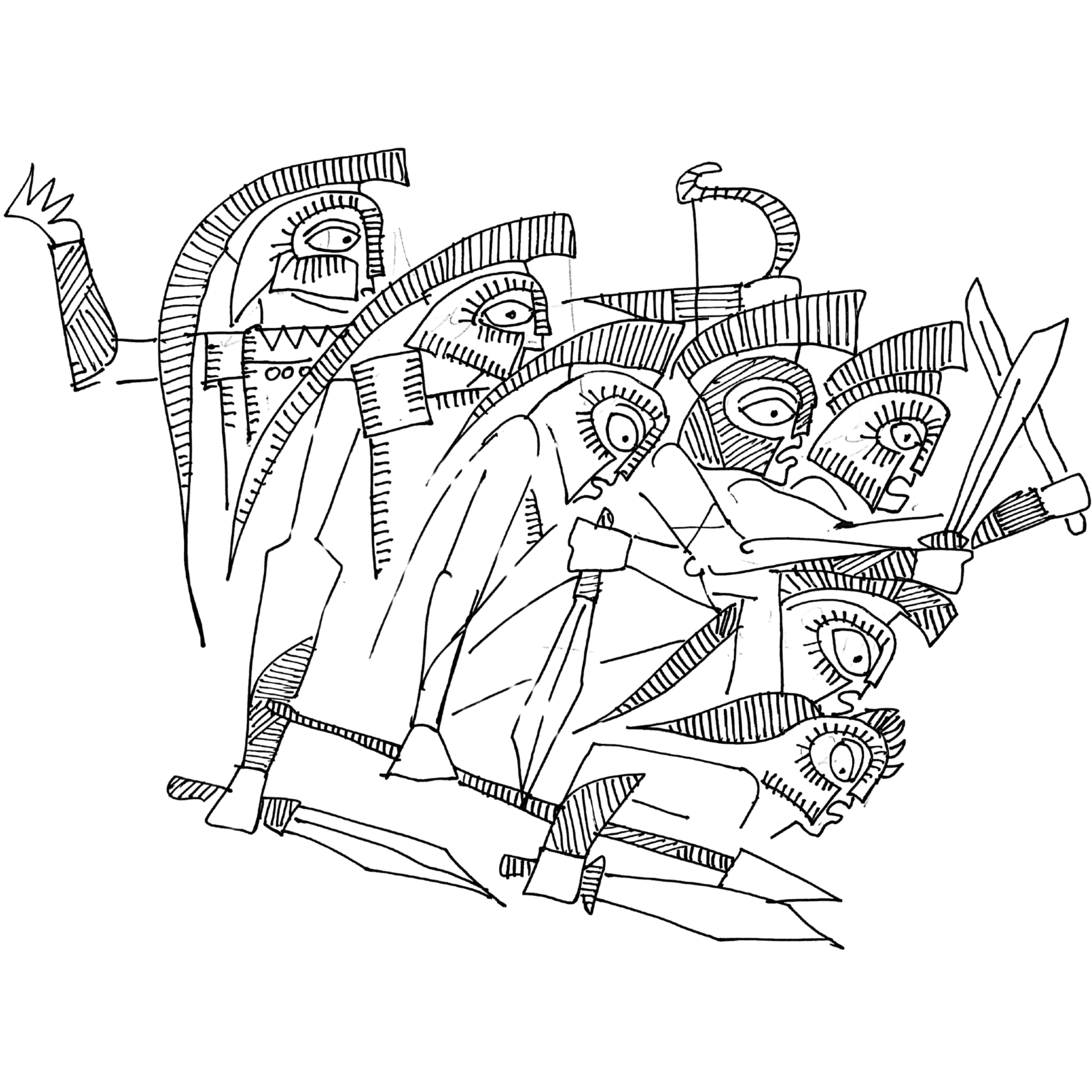
Did Greeks Influence Indian Theatre?
The history of theatre is often told through two great classical traditions: the theatre of ancient Greece and the theatre of ancient India. Both developed sophisticated ideas about storytelling, performance, music, and human emotions…
-
Articles
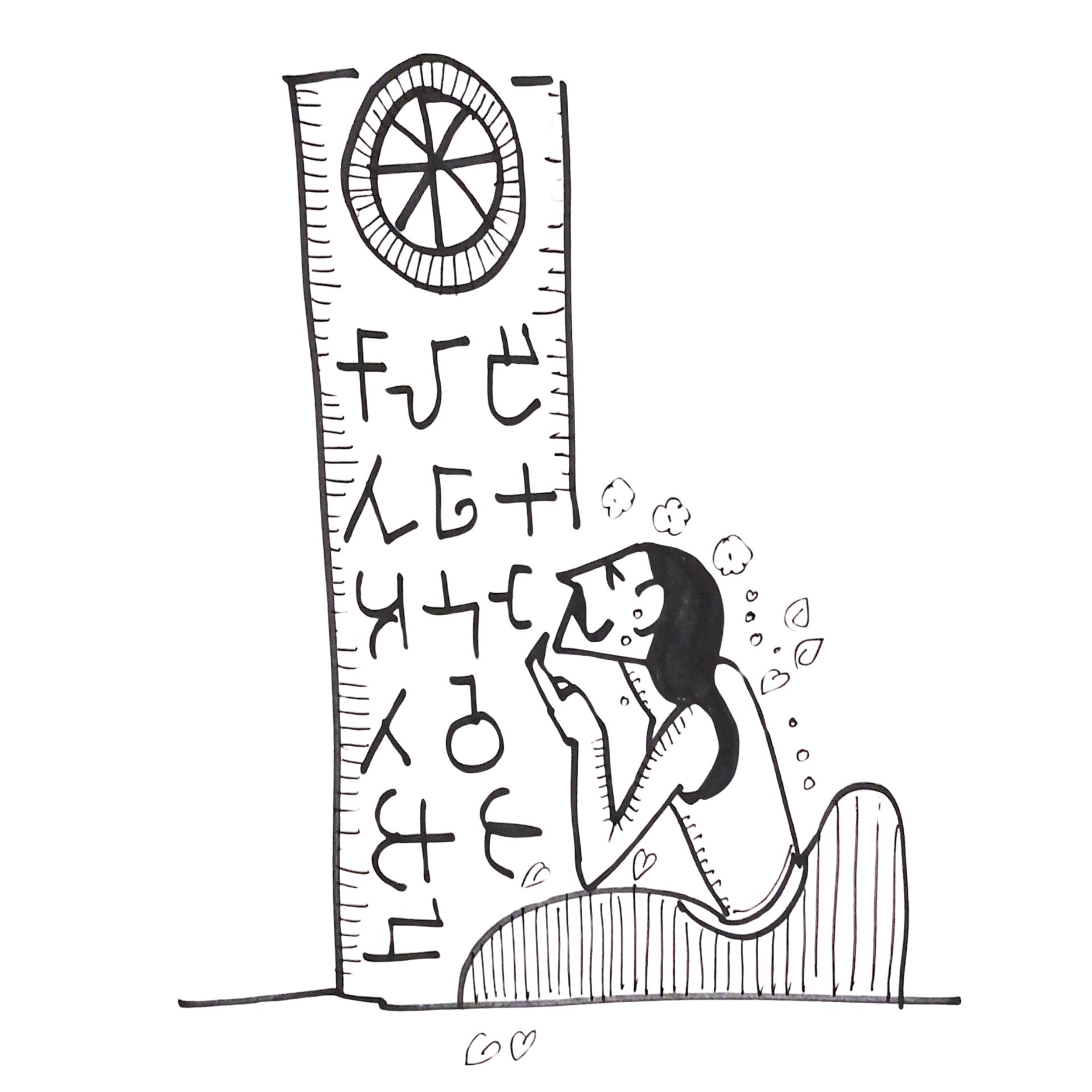
Historical Reality of Pre-colonial Learning in India
Dharampal’s book, The Beautiful Tree: Indigenous Indian Education in the Eighteenth Century (1983), is a groundbreaking historical work that used official British colonial archives to challenge the narrative that pre-colonial India was uneducated. …
-
Articles

How Southeast Asia Adapted Indian Ideas to Local Needs
Across Southeast Asia, from the Mekong Delta (in present-day Vietnam and Cambodia) to Java island of Indonesia, major archaeological sites reveal how Indian ideas travelled not through conquest but through trade, pilgrimage, and court patronage between 500 AD and 1500 AD. These sites show a layered interaction of Buddhism and Hinduism, reshaped by local ecology,…
-
Articles

How India and Persia Shaped Each Other
Connections between India and Persia stretched back to prehistoric movements of people, long before written history. Genetic and archaeological evidence suggests that populations linked to ancient Iranian farmers moved eastward into the subcontinent around 10,000 years ago, interacting with older forager communities. …
-
Articles
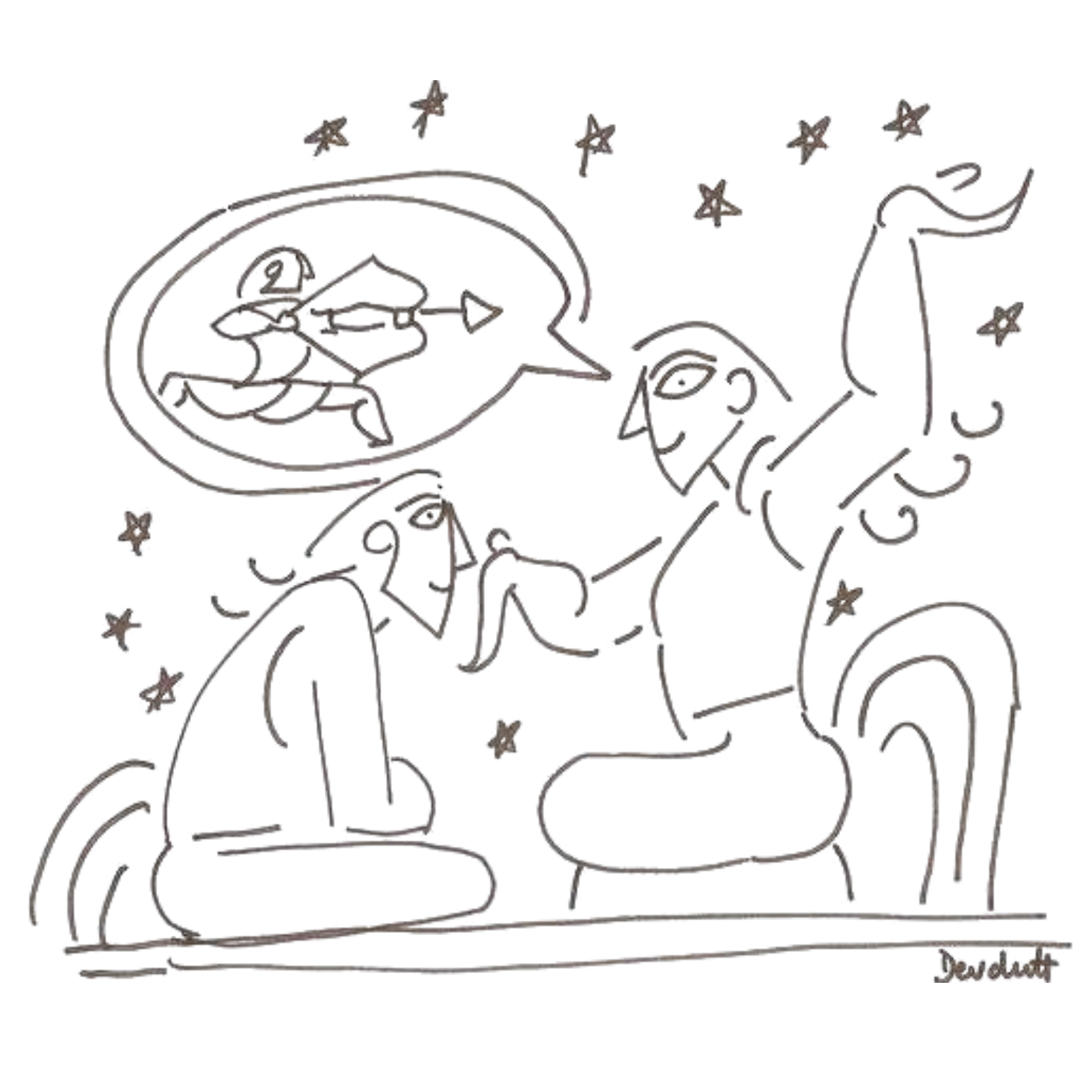
How Bravery, Devotion Soften Caste Boundaries In Folk Stories
Not all ballads and epics are written by Brahmins or in Sanskrit. Across India, folk stories about gods, heroes, and ancestors did not only entertain. They carried arguments about rank, dignity, and who belonged where. …
-
Articles
Did the Mughals invent Hindi?
Hindi is often described as a language born in Mughal barracks, as if it were simply the speech of imperial camps. This is an attractive phrase, but it is historically incomplete. The story of Hindi is much older, far wider, and far more layered. …
-
Articles

Comparing Poems from Tantra and Bhakti
A tiny fragment of the Indian population was literate in medieval times. But a large portion knew poetry, composed poetry and transmitted poetry. These poems are thus major cultural outputs. …
-
Articles
How the British shaped India’s education system
Education in India underwent a major transformation in the nineteenth century during British rule, particularly after the intervention of Thomas Babington Macaulay in 1835…
-
Articles
How Mangal Kavyas reinvented Hinduism in Bengal
Stories shape culture. The Mangal Kavyas is one such example. They are folk narratives that emerged in Bengal between the fifteenth and eighteenth centuries. …
-
Articles

What was Rig Vedic society like?
Rig Vedic society reflects a long and uneven transition from a predominantly pastoral mode of life to a more settled agrarian order, accompanied by the gradual emergence of social hierarchies…
-
Articles

What Is India’s Original Name?
India has numerous names, but lacks a single, definitive origin story. This is unsettling for modern nationalism, which favours a clear and singular genesis. The truth, however, is more nuanced and compelling. …
-
Articles
How Metaphors Reveal Ancient India’s Cultural Secrets
Early Indian metaphors emerge from three very different cultural zones: the Vedic northwest, the Tamil south, and the Prakrit-speaking Deccan. Each region had its own climate, flora, fauna, settlement pattern, and historical rhythm. …
-
Articles
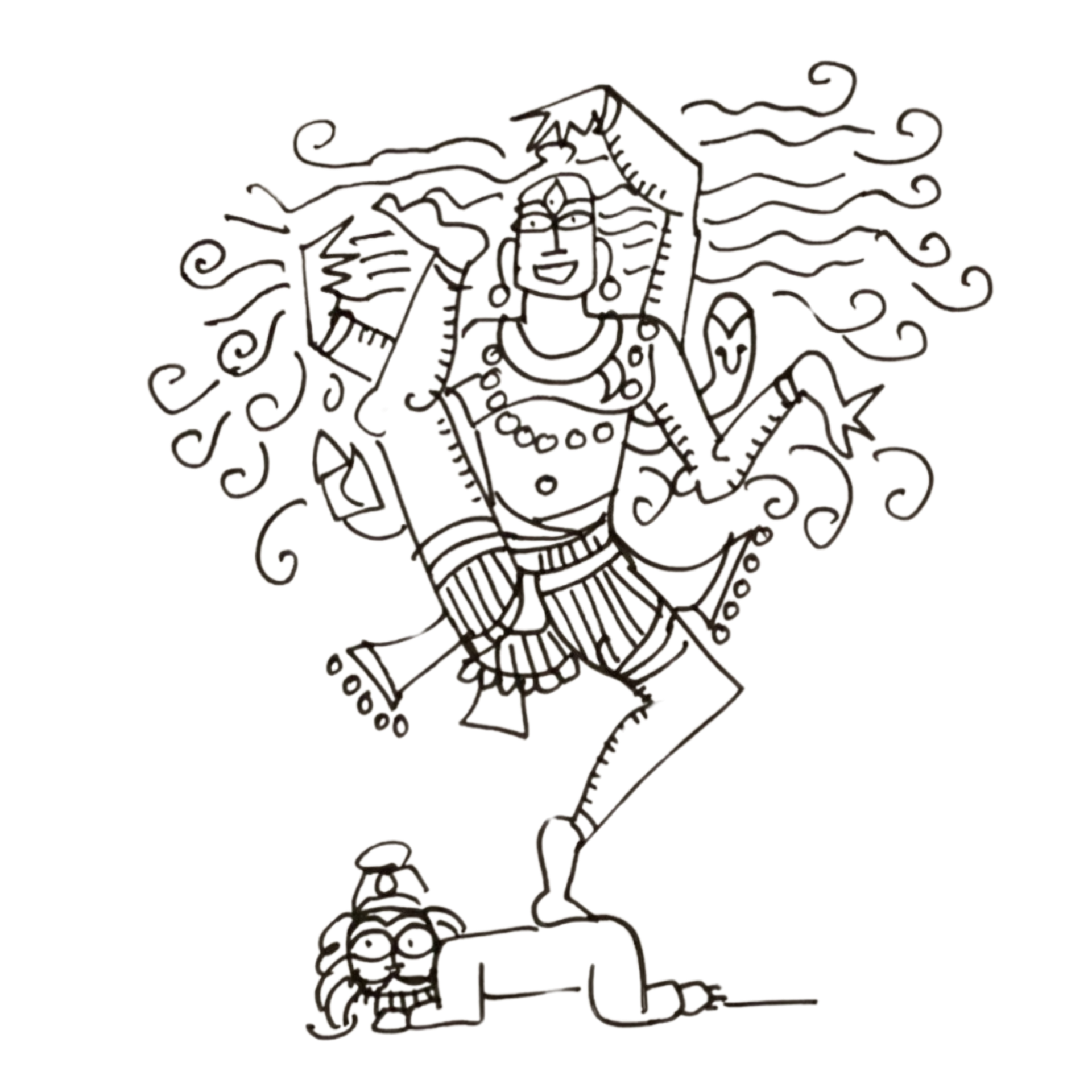
Brief History of Rasa, India’s Aesthetic Theory
Ancient Indians analysed the experience of beauty (aesthetics) using the rasa theory. Rasa means juice. Just as the mere thought of food makes the mouth water, the experience of art generates a flow of aesthetic juices (rasa) in the audience – be it the performing arts (music, song, dance, story, theatre) or the plastic arts…
-
Articles
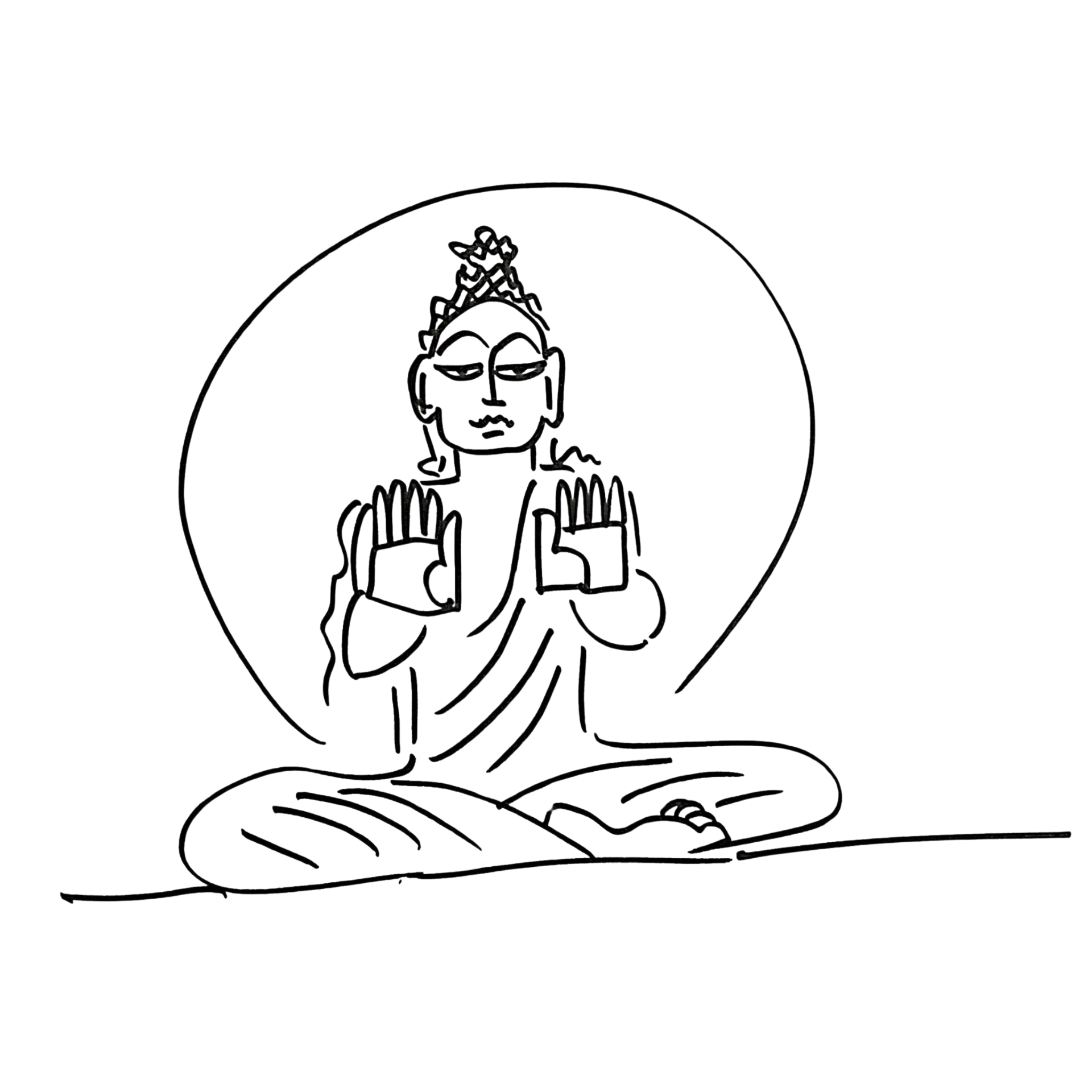
Is Buddha a historical or a mythological figure?
No one ever talks about the “300 Buddhas” or the many narratives that recount the story of the Buddha. The assumption is that the Buddha is a historical figure, even though every Buddhist scholar knows that the Buddha story we recognise today was constructed by 19th-century Europeans using a variety of texts and arbitrary principles…
-
Articles
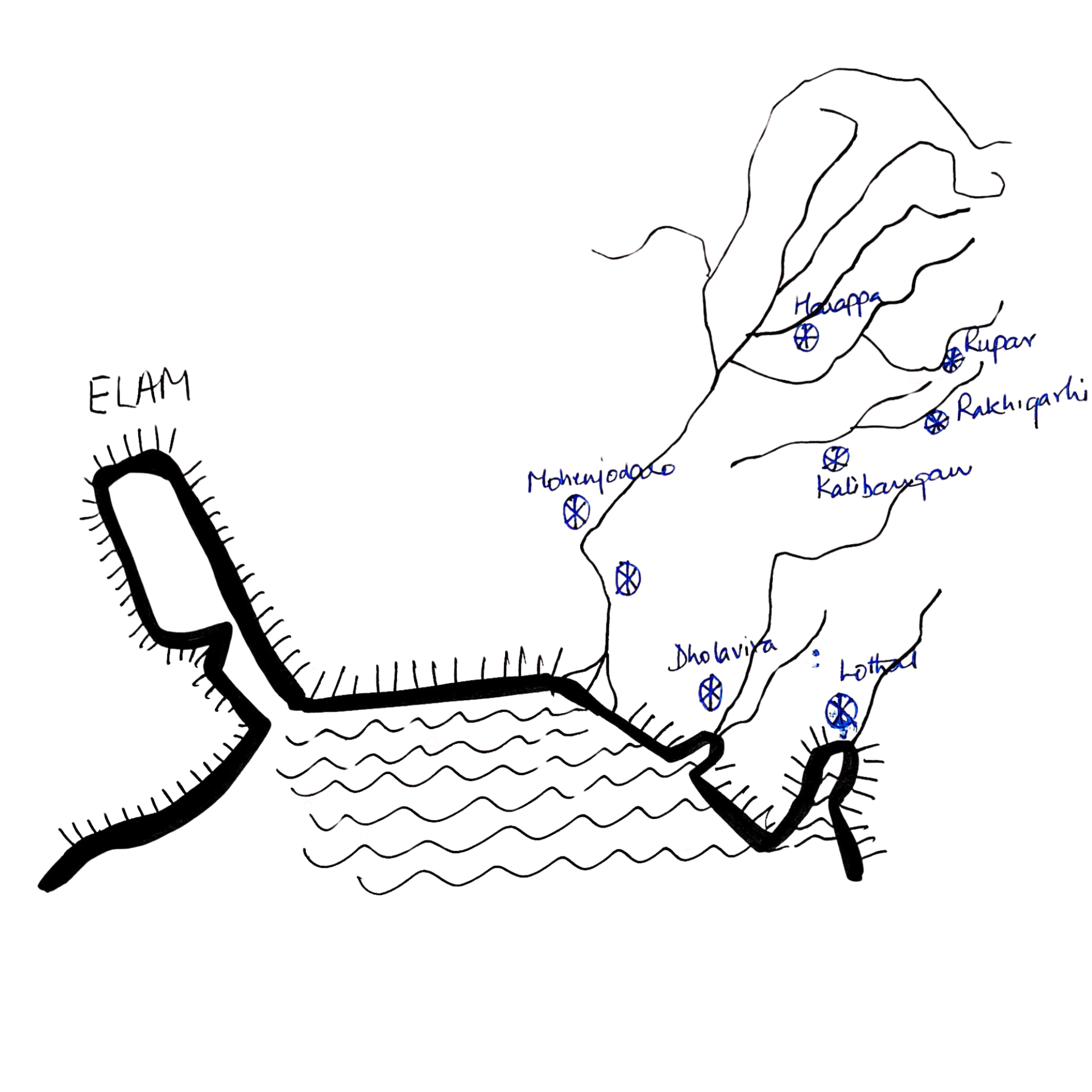
When India First Smelted Iron
Nowadays, we take iron and steel for granted, but it is worth pausing to ask when iron first appeared around the world. Everyone has heard of the Bronze Age. The Harappan cities of northwest India were Bronze Age cities, built on a foundation of copper and bronze. But it is quite possible that the global…