
Mythologist | Author | Speaker | Illustrator

-
Articles
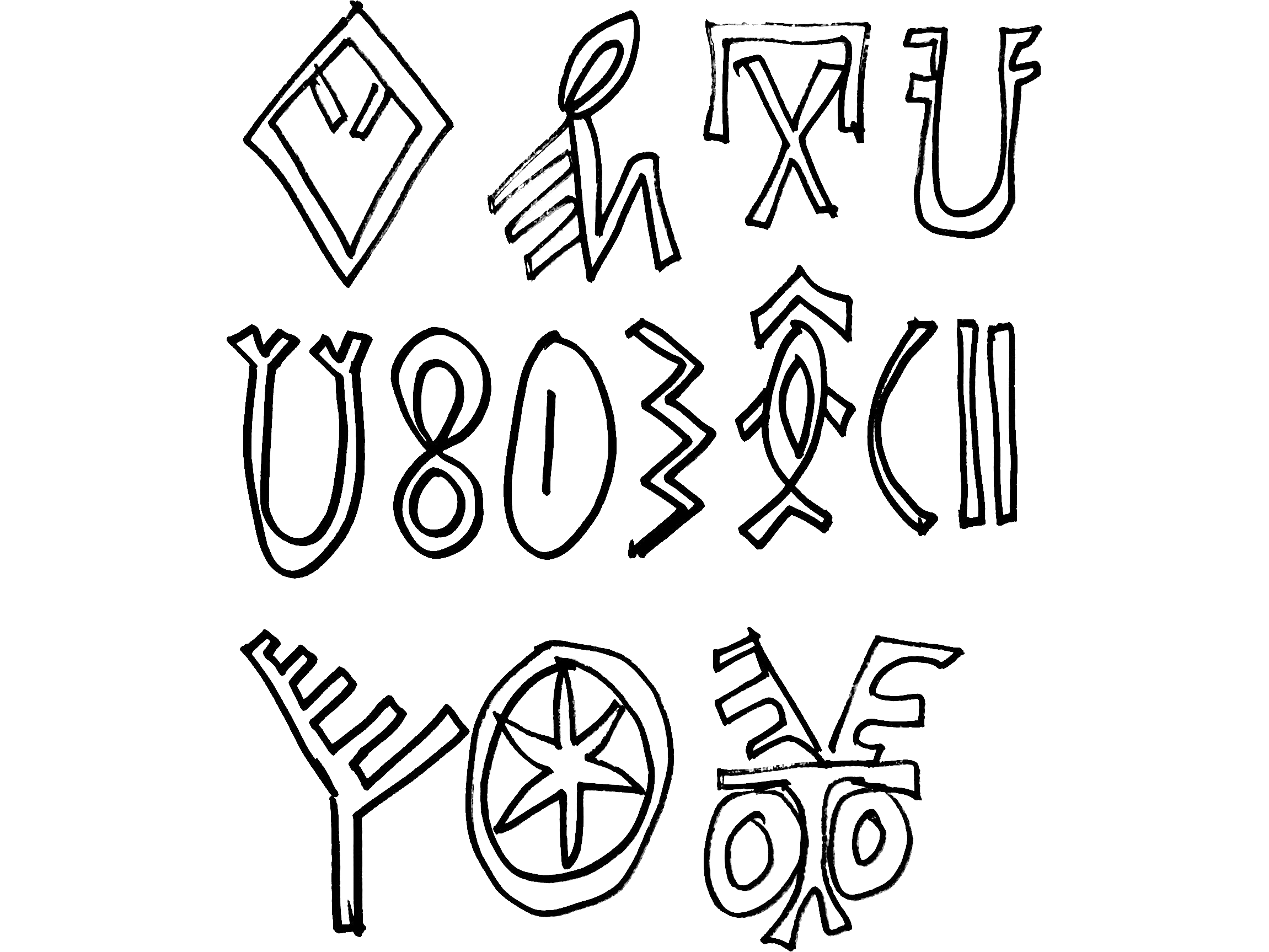
Rise of the Brahmi Script
The ancient Indian writing system or the Brahmi is unique in that it is an abugida – which falls between an alphabet (vowels and consonants are separate) and a syllabary (vowels and consonants are merged)…
-
Articles

Cultural Significance of State Trees
Every state in India has a tree. Unfortunately, when you go to the various railway stations and airports in the capital city of each state, you do not find the state tree…
-
Articles

Cultural Significance Of Elephant and Horse
The elephant and the horse have played a major role in shaping Indian culture. The elephant is native to India; the horse is not…
-
Articles
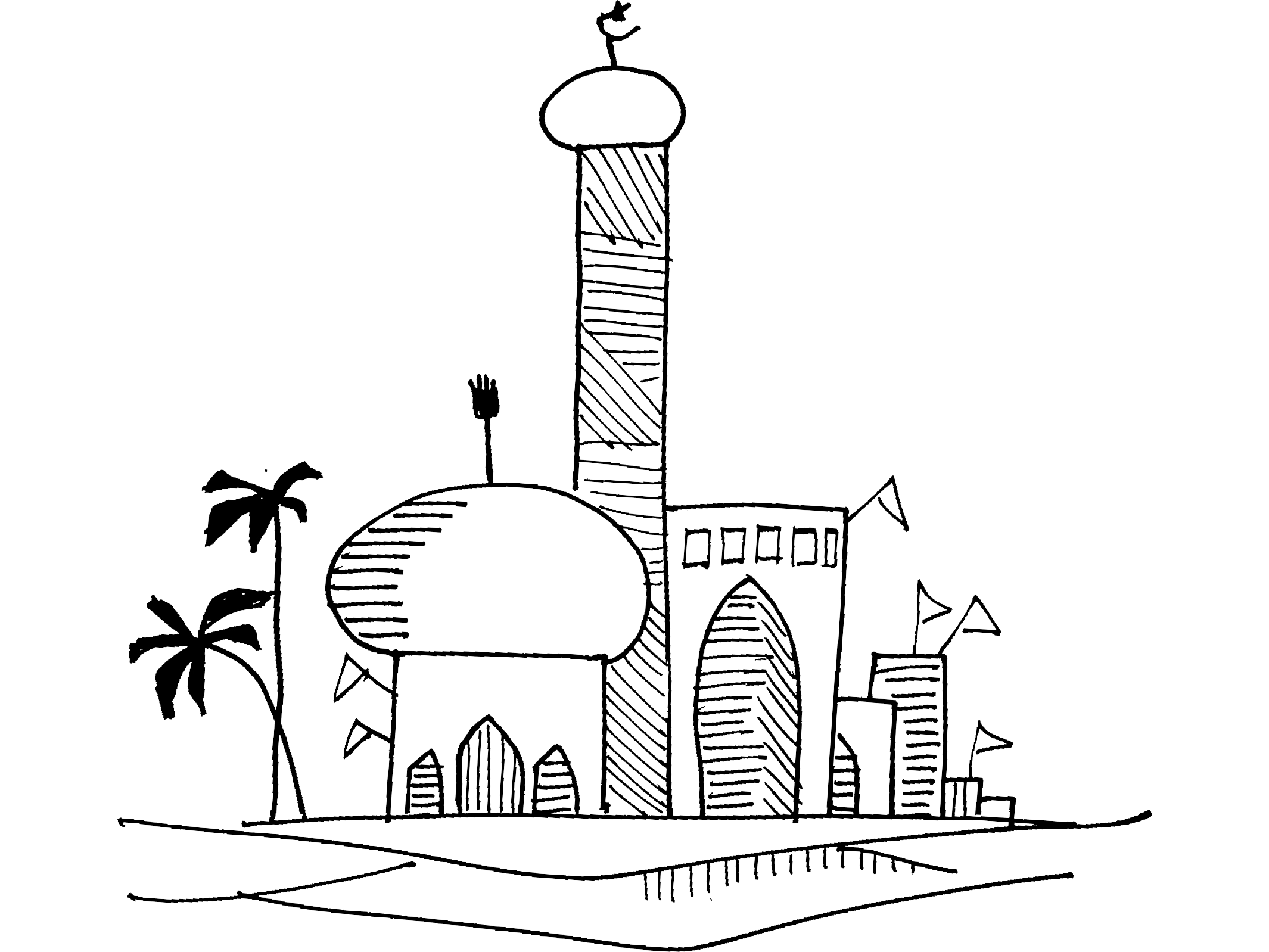
Sultan, Badshah and Shahenshah: What These Titles Say About India’s Muslim Rulers
Politicians usually refer to the Islamic period (1000 to 1800) as the Mughal period (1500-1800), but that is not quite correct…
-
Articles
Why Pots Are Integral to Understanding Culture
Pottery is a sign of culture. It allowed humans to transport food and water. Besides cooking or storage — it serves ritualistic purposes in both marriage and death ceremonies. This dual function, both practical and spiritual, makes pottery an essential aspect of cultural heritage…
-
Articles

Mandala System of Governance
Have you dropped a pebble in a pond? Have you seen the ripples, appearing in concentric circles, one after another? This is how the ancient Indians imagined the mind responding to every new piece of information, or sensation. …
-
Articles

Aryans Did Not Invade Harappa; They Came Much Later
Harappan cities were never invaded by Aryans, as postulated by the British a hundred years ago. Archeological, linguistic and genetic studies indicate that Aryans came to India and Iran with domesticated horses after the Harappan cities had ceased to exist…
-
Articles
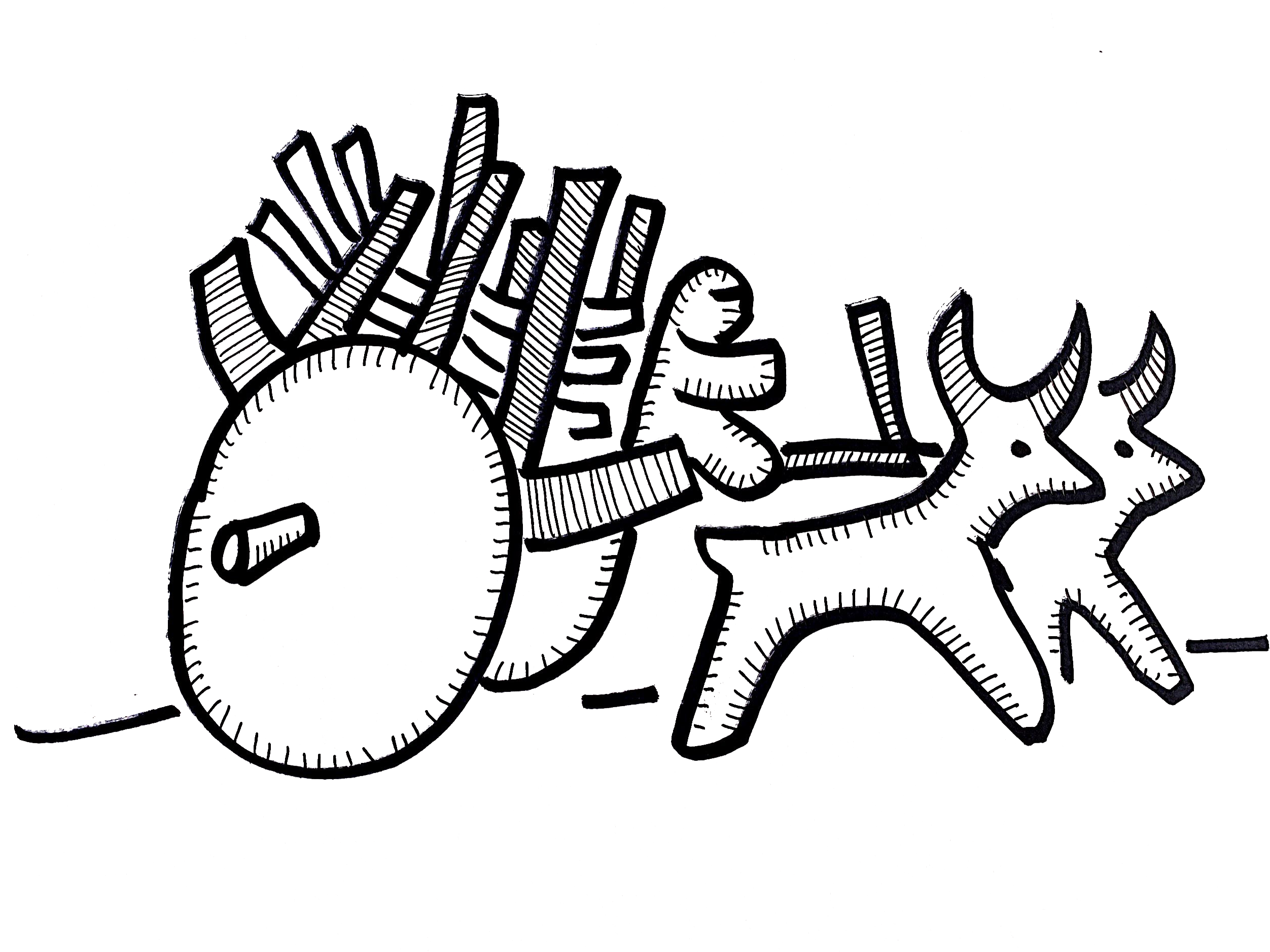
Contribution of Tribes to Indian Culture
The words used for tribes range from adivasi (earliest inhabitants) to vanavasi (forest dwellers) to atavika (forest folk) to girijan (mountain folk). Other words used for specific tribes are Nishadha and Kirata…
-
Articles

How Currency Notes, Piece of Fabric and Thali Symbolise India’s Diversity
India is neither superior nor inferior to other nations—it is simply different, shaped by history, geography, and the interplay of numerous cultures. The lesson for the world is that India’s diversity is not a challenge but its strength, and understanding India requires an appreciation for its unique structure and identity…
-
Articles

Why Hindu Gods Dance, and Those In Other Religions Don’t
Dance is an integral part of culture. It cannot be captured in a museum — except as photographs or videos. But as a performance, it is something that changes with time and space. Therefore, like music, it is an intangible heritage…
-
Articles

No Caste Without Jati, Varna, Dvija and Adhama
We cannot talk about Hinduism without caste. When we say caste, we are using a European word. The local words are jati and varna…
-
Articles
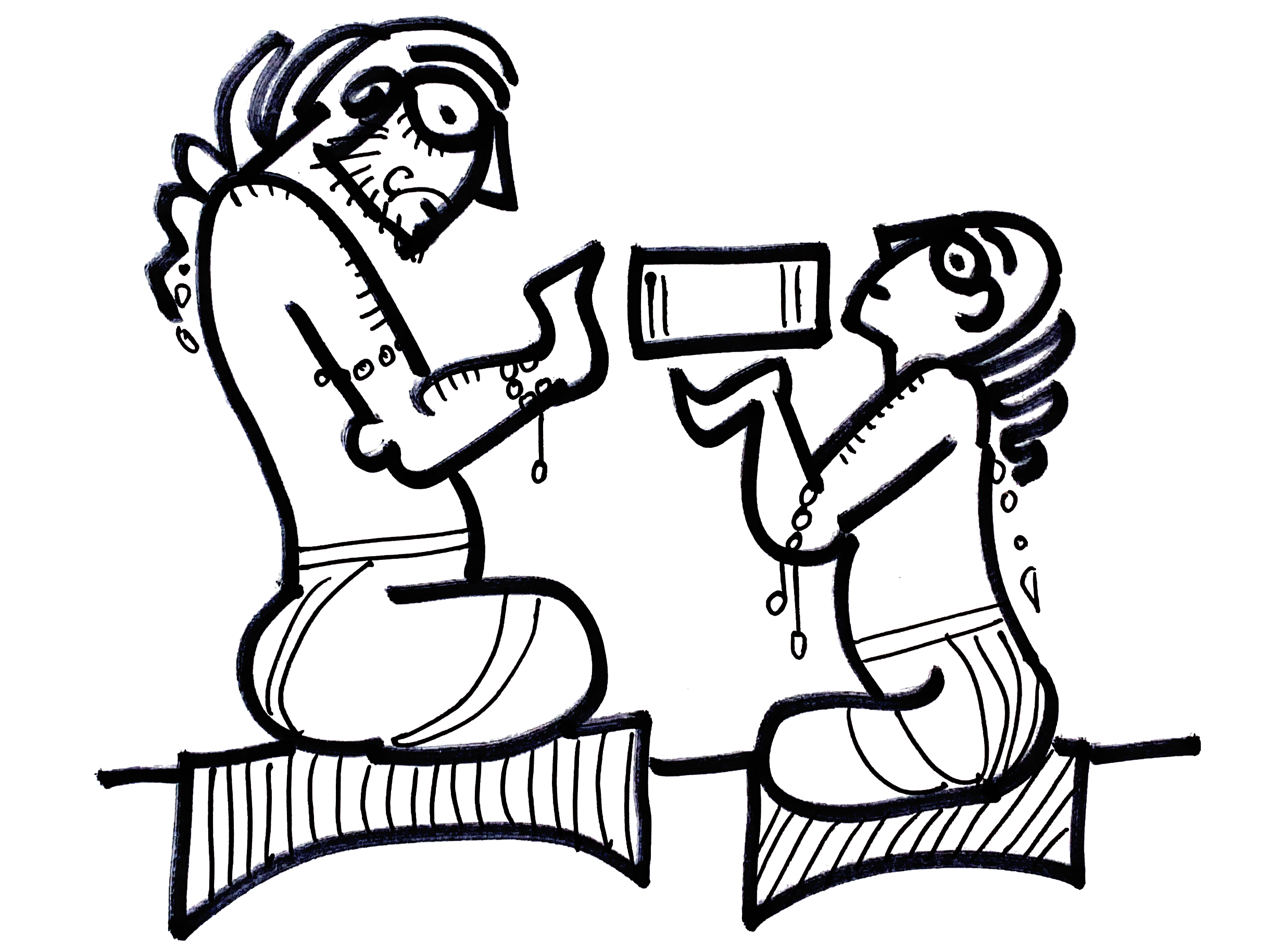
How Do You Explain Caste to a Non-Indian?
Castes exist in a superstructure, which has many regional variations. It was relatively dynamic before being fixed by the British colonial administration. It is important to remember that the word ‘caste’ is a European invention; the traditional Indian word is jati. …
-
Articles

Uniting Hindus With Pure Food
Eating vegetarian food may have many rational reasons—from non-violence to being environmentally friendly. But in India, vegetarian food is all about caste, which is why vegetarian restaurants refer to themselves as ‘pure’ vegetarian, even though they serve animal protein in the form of milk, curds, butter and ghee…
-
Articles
A Walk Through Delhi’s Historical Tapestry
When we think of Delhi today, we think of it being the nerve centre of political activity and India’s capital. But it was not always so. …
-
Articles
Rise and Fall of Cities in India
Broadly speaking, India has undergone five urbanisations. …
-
Articles

What Sculptures Tell Us About Indian Culture
Sculptures typically show human, animal and plant figures or supernatural beings standing in isolation or emerging from walls. The most ancient sculptures we have come from the Harappan Civilization (2500-1900 BC) — the clay figurines, usually female, bejewelled, perhaps of ritual use; tiny bronze images such as the 10.5-cm long “dancing girl” made in the…