
Mythologist | Author | Speaker | Illustrator

-
Articles

No Caste Without Jati, Varna, Dvija and Adhama
We cannot talk about Hinduism without caste. When we say caste, we are using a European word. The local words are jati and varna…
-
Articles
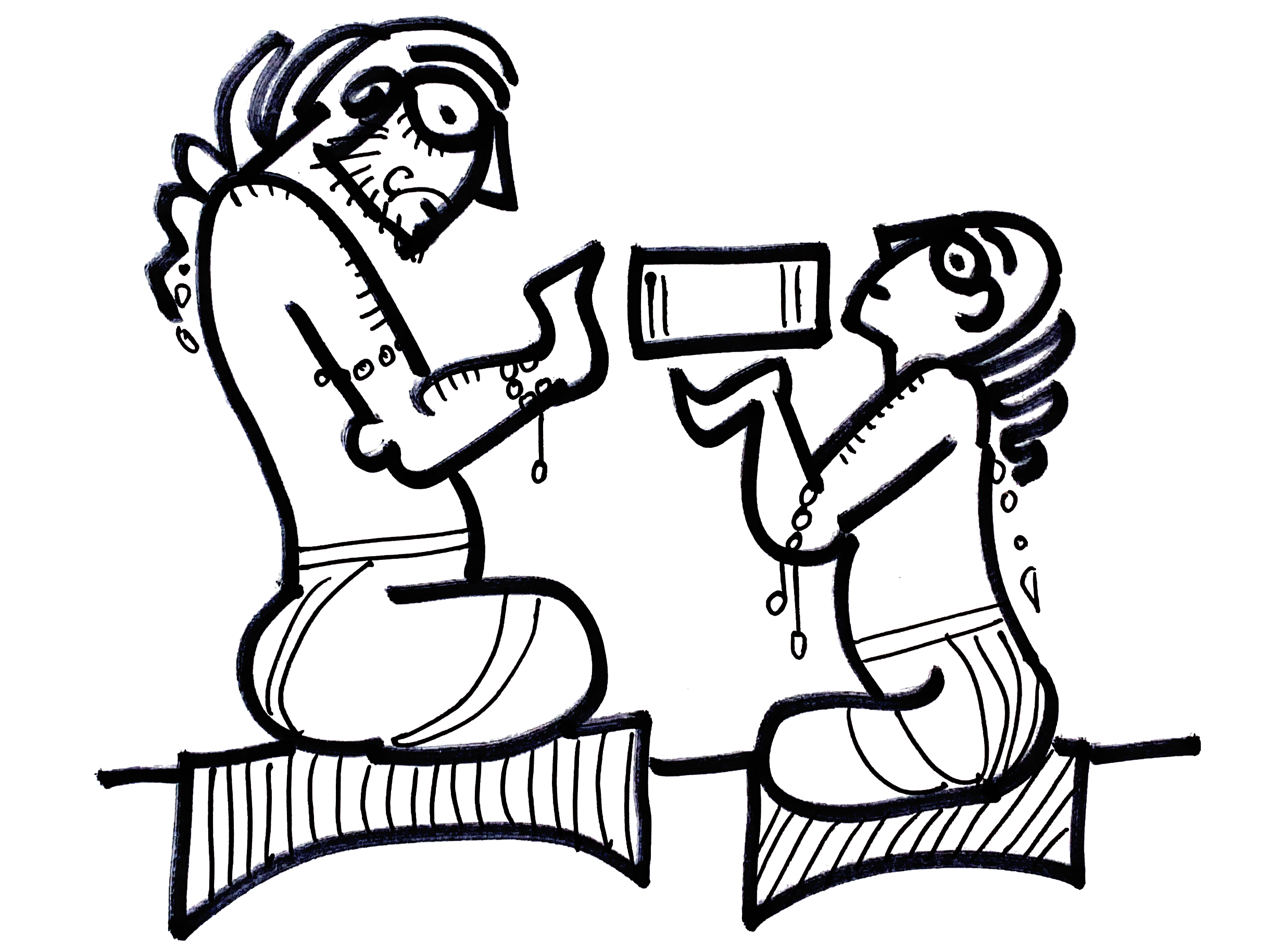
How Do You Explain Caste to a Non-Indian?
Castes exist in a superstructure, which has many regional variations. It was relatively dynamic before being fixed by the British colonial administration. It is important to remember that the word ‘caste’ is a European invention; the traditional Indian word is jati. …
-
Articles

Uniting Hindus With Pure Food
Eating vegetarian food may have many rational reasons—from non-violence to being environmentally friendly. But in India, vegetarian food is all about caste, which is why vegetarian restaurants refer to themselves as ‘pure’ vegetarian, even though they serve animal protein in the form of milk, curds, butter and ghee…
-
Articles
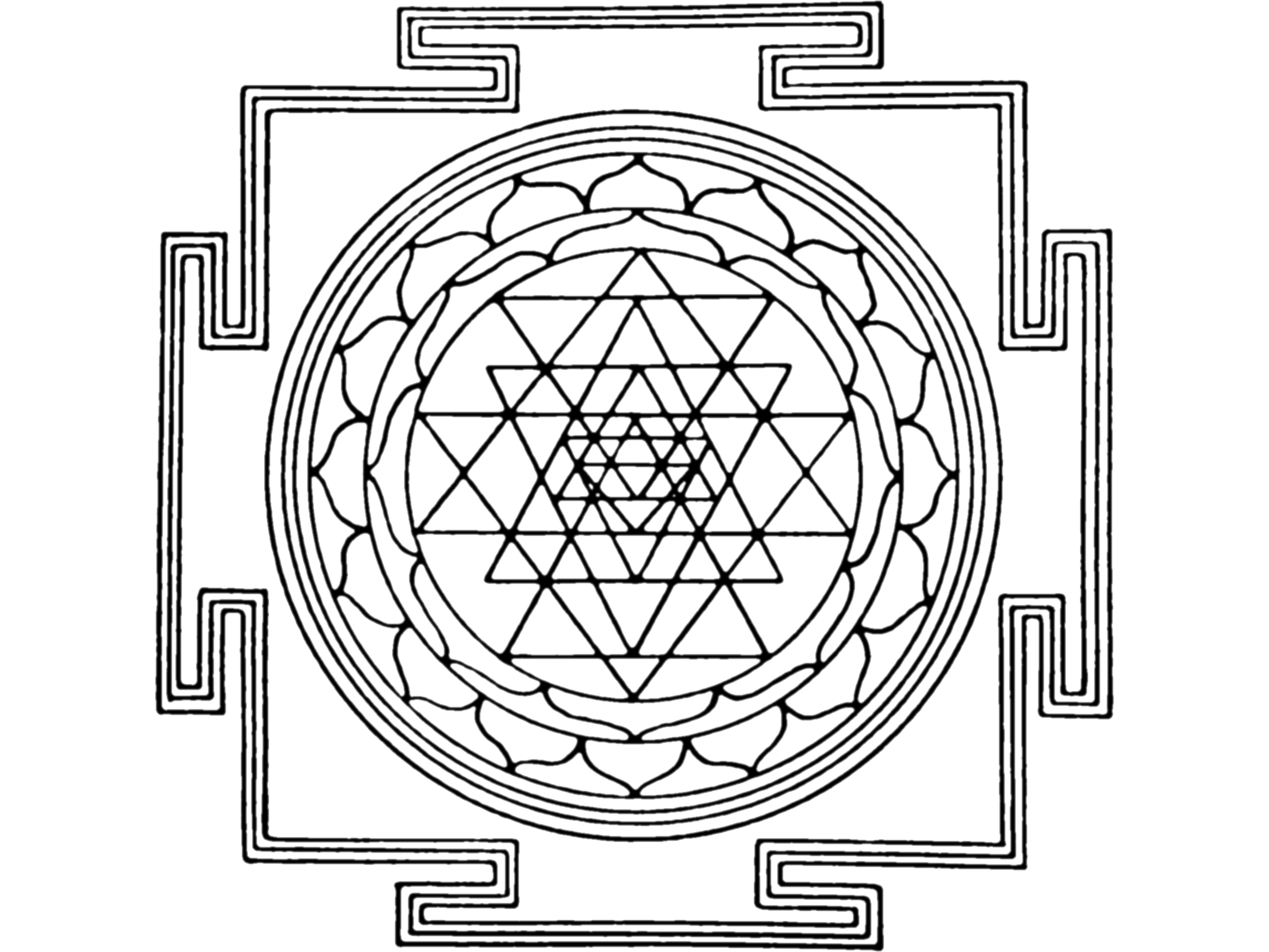
A Walk Through Delhi’s Historical Tapestry
When we think of Delhi today, we think of it being the nerve centre of political activity and India’s capital. But it was not always so. …
-
Articles
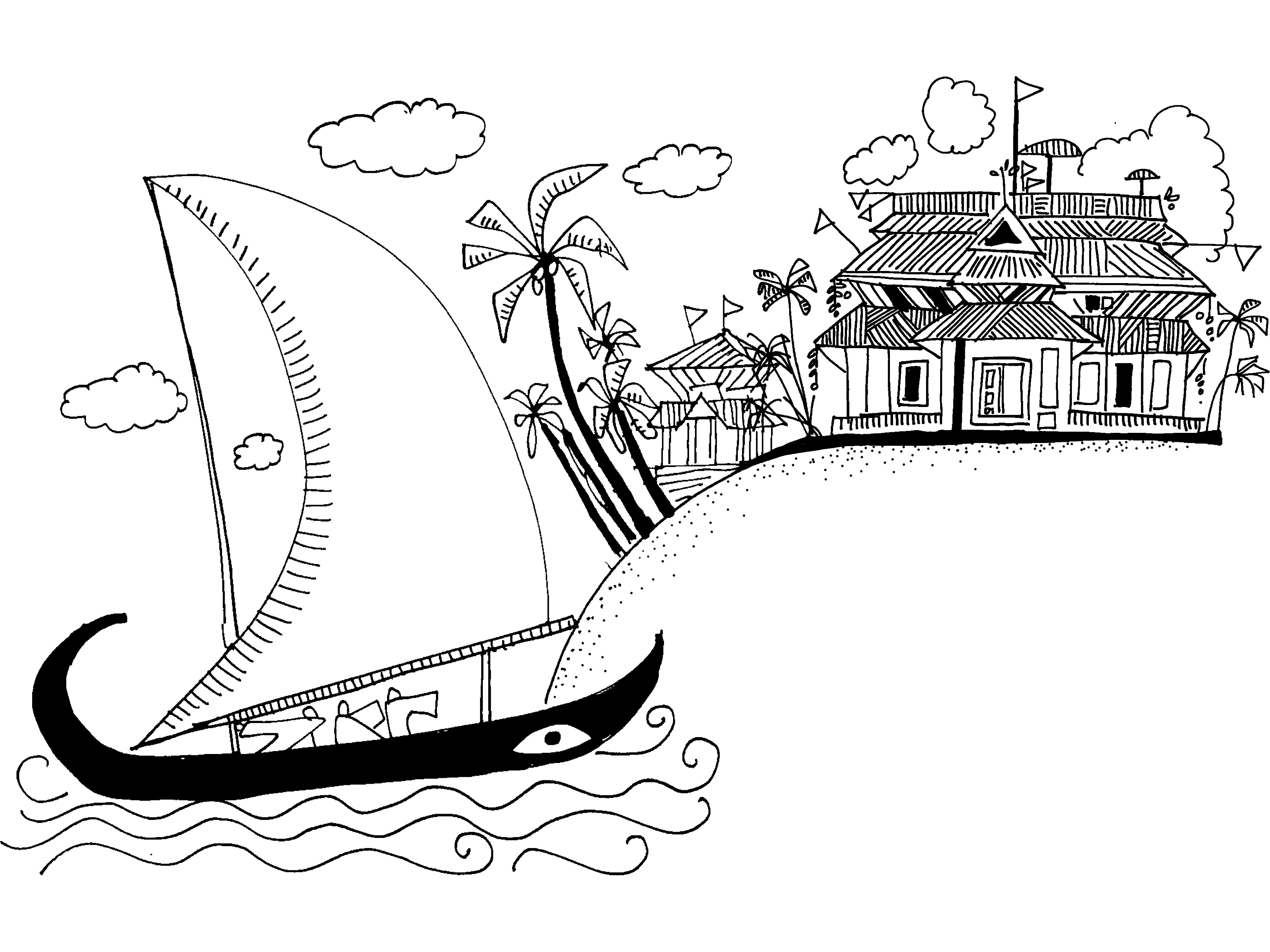
Rise and Fall of Cities in India
Broadly speaking, India has undergone five urbanisations. …
-
Articles

What Sculptures Tell Us About Indian Culture
Sculptures typically show human, animal and plant figures or supernatural beings standing in isolation or emerging from walls. The most ancient sculptures we have come from the Harappan Civilization (2500-1900 BC) — the clay figurines, usually female, bejewelled, perhaps of ritual use; tiny bronze images such as the 10.5-cm long “dancing girl” made in the…
-
Articles
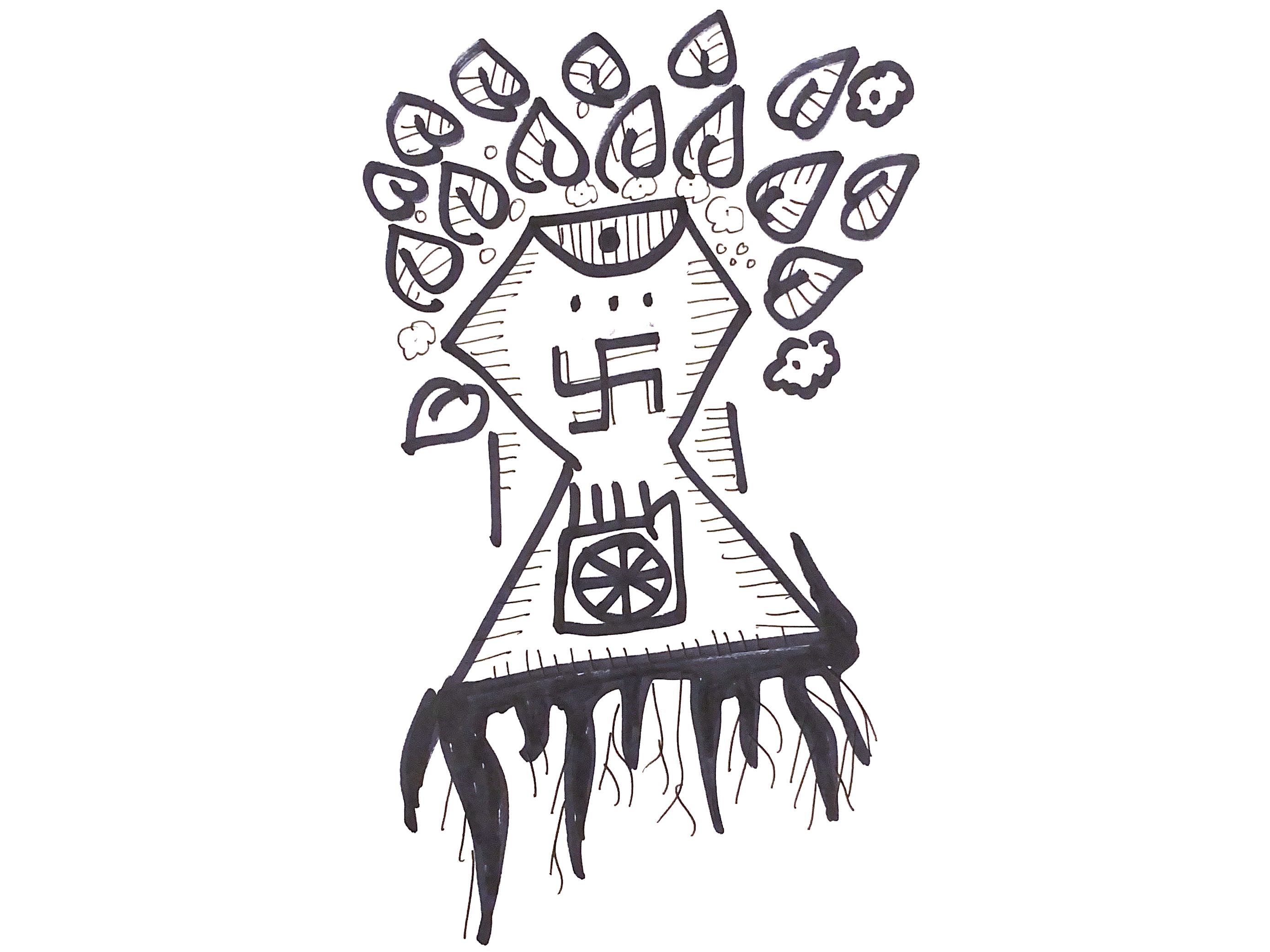
How to Look At Manusmriti and the Caste System
Everybody talks about the Manusmriti nowadays and links it to the caste system. But what exactly is it? To understand this, we must understand a little bit of Indian history…
-
Articles

The Significance of Vedas and Their Rituals
When we talk about the Veda, we have to differentiate between Vedic poetry, Vedic prose, and Vedic philosophy. …
-
Articles
How Did Invasions Change Indian Culture?
The invader generally takes wealth away from a place. He also takes people as slaves. An invasion can take over the economic and political systems, changing the culture of the land over time…
-
Articles
Migration of Genes and Languages
In order to understand culture, we need to understand people. In order to understand India, we need to understand Indians. Where did Indians come from?…
-
Articles
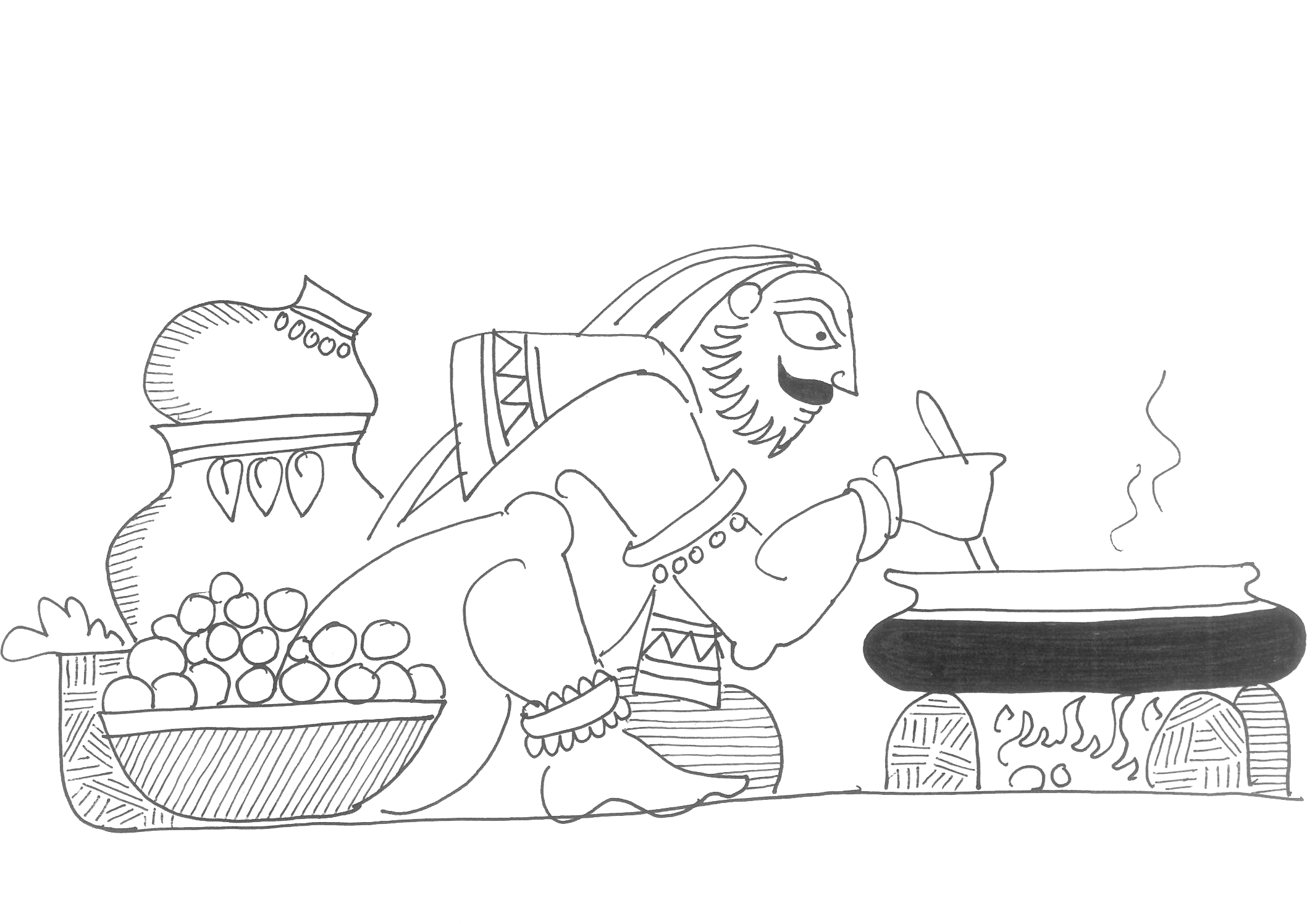
How Pottery Offers Glimpses Of Cultures
Once pots were invented, humans could carry food and water wherever they went. This is why pots became objects of worship…
-
Articles
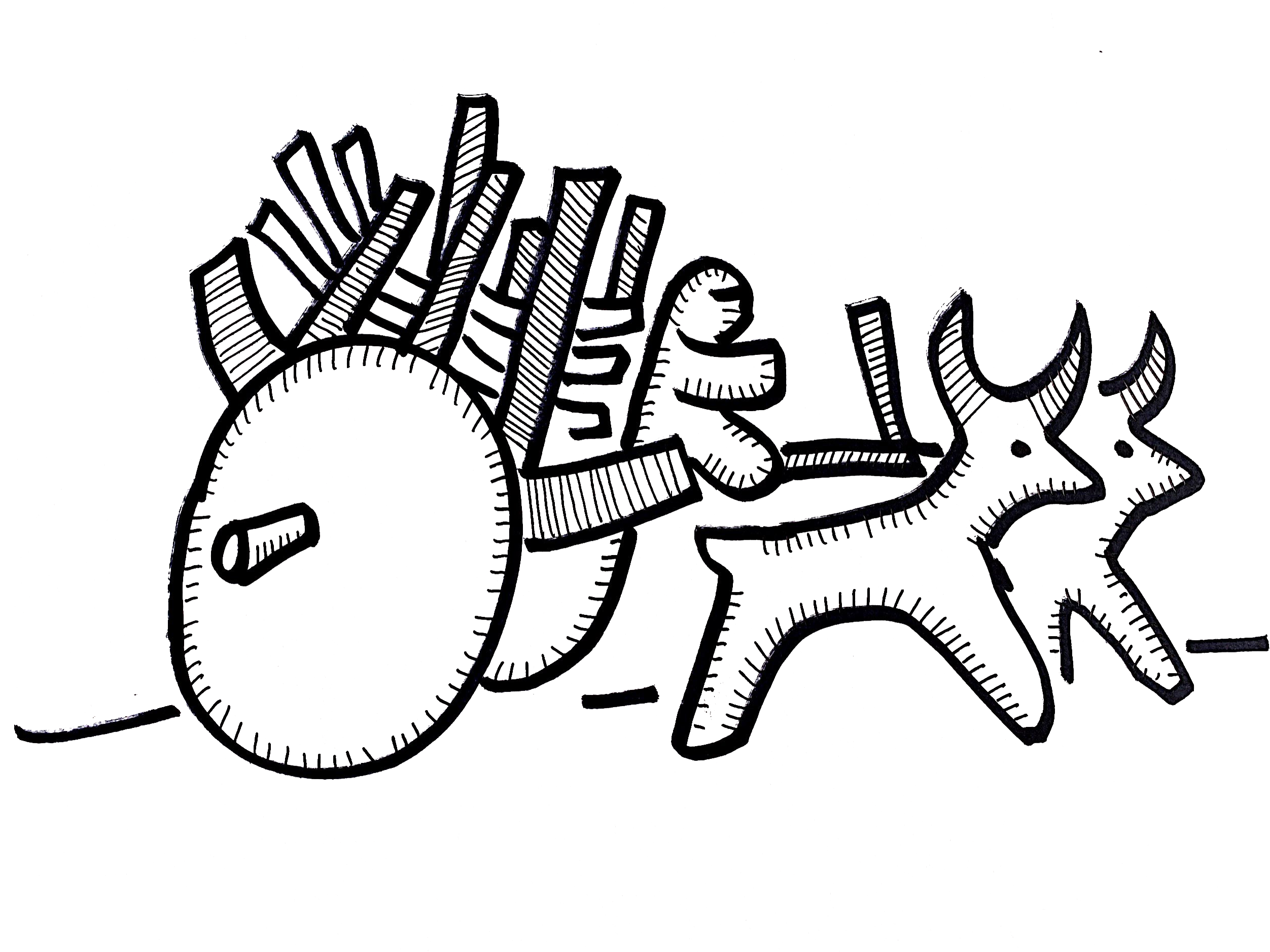
Rediscovering the Unique, Prehistoric Sites
The word prehistory is typically used for pre-writing cultures and more specifically for cultures that existed before farming and the use of metal tools…
-
Articles

A Fascinating History Of Coins In India
Ever since the existence of civilisations, humans have been trading to facilitate exchange. But trading can happen without coins by recording debt. In fact, it is debt or rinn — the word found in the Rig Veda — that played an important role in the creation of coins…
-
Articles
Unwrapping the Meaning of Culture and Civilisation
Culture is what we are, civilisation is what we have. It suggests that culture is more psychological and about values, while civilisation is more material and about goods, technology, art and architecture. Can one exist without the other?…
-
Articles
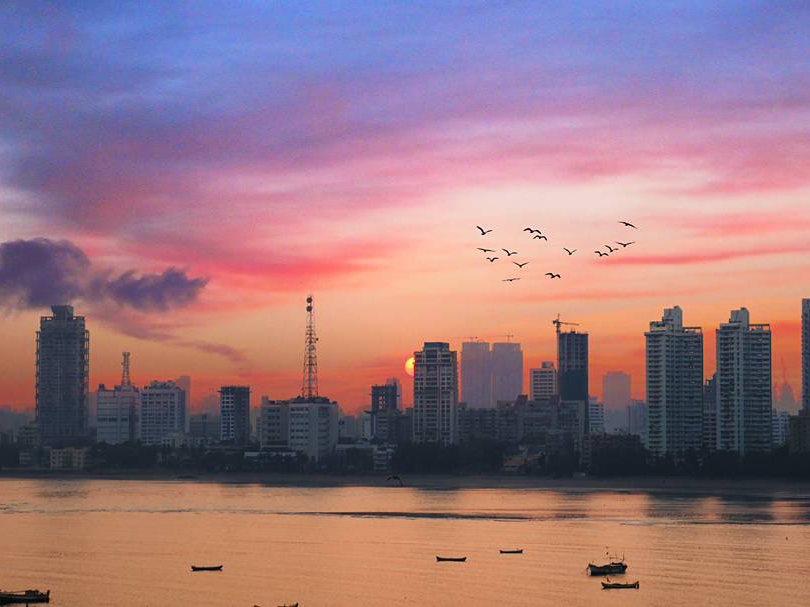
Nine Skylines of Bharat
The first skyline is the contemporary 21st-century glass and concrete skyscrapers of cities like Mumbai and Delhi…