The Islamic calendar is unique because it is lunar and so has 354 days, not 365 days. This means every year the calendar keeps shifting. That is the reason why Eid falls in different seasons over the years, returning to the same season almost 33 years later. Some say this is deliberate so as not to fix the time, so that one experiences the observances throughout the year at least twice in one’s lifetime–thrice, if one has a very long life. But these are matters of speculation.
The month of Muharram marks the first of twelve months of the Islamic calendar, and it has very different meanings for the Shia and the Sunni communities. The Shia and Sunnis are split on various issues. Shias have strong Mesopotamian influence, while Sunnis have strong Arabian influence.
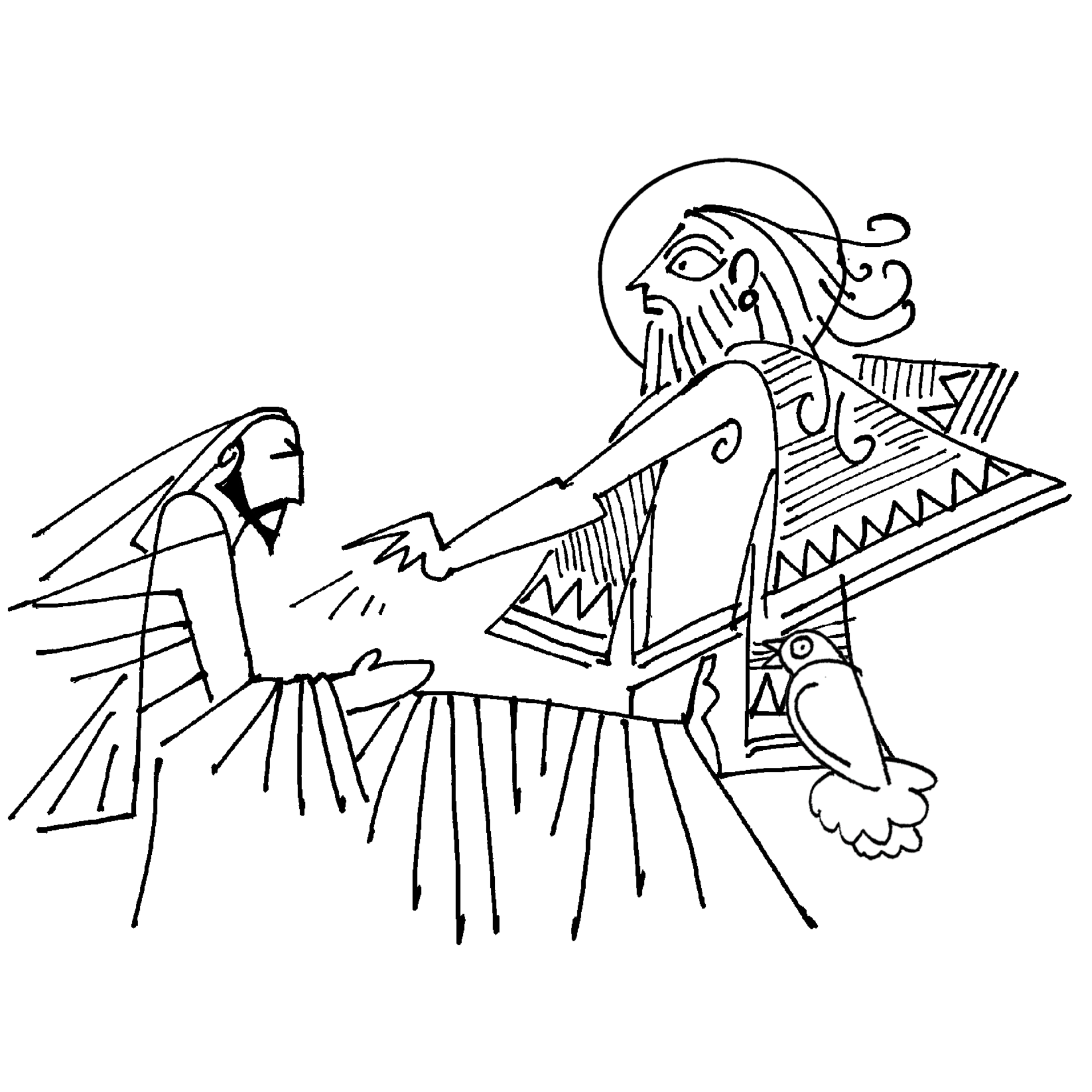
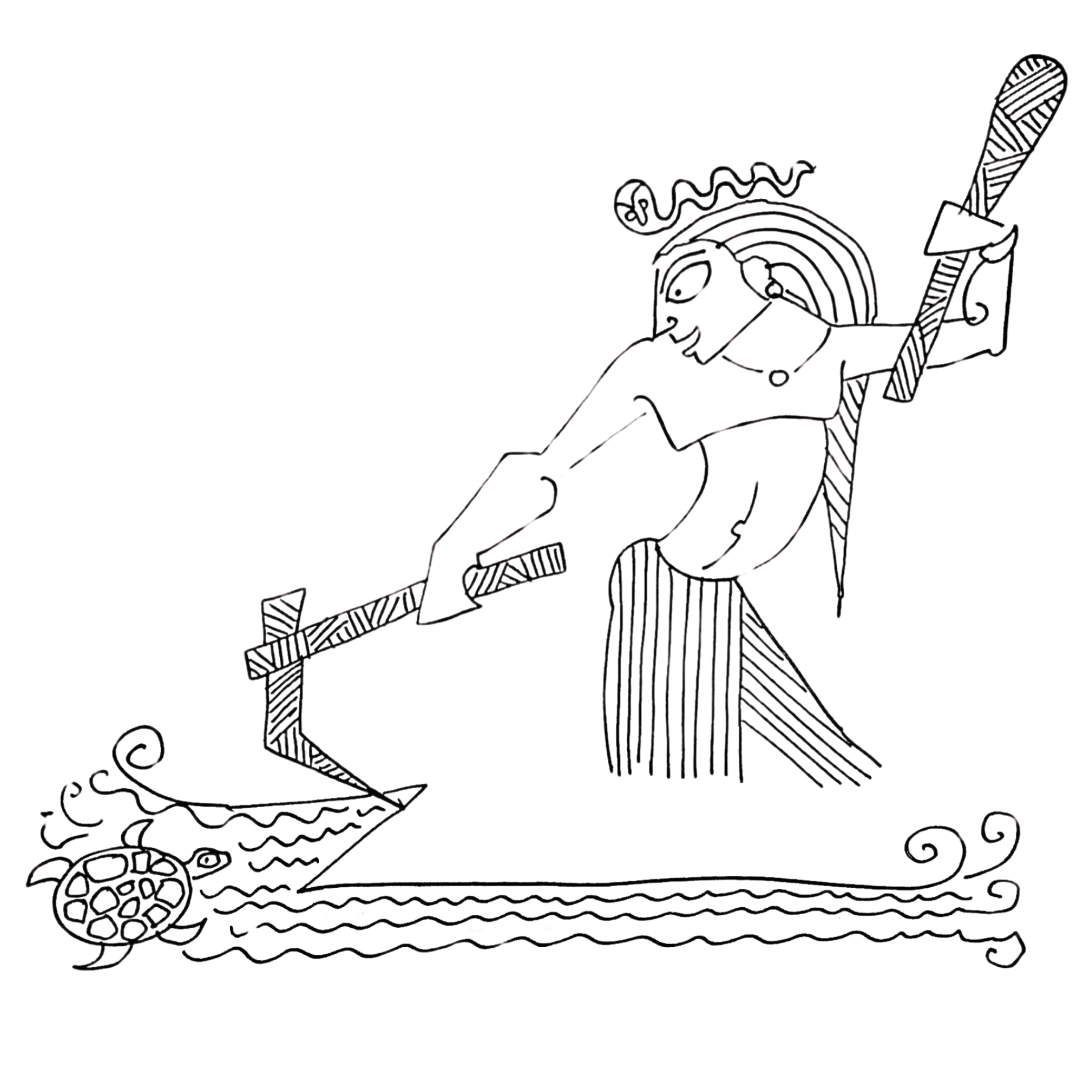
In the first month of the Islamic calendar, on the 10th day (Ashura), Shias mournfully remember the martyrdom of the Prophet’s grandson, Imam Husain. For Shias, the leadership of the Islamic world should have been passed on through the Prophet’s bloodline. The Sunnis disagree. For them, Muharram marks two major biblical events. The first is Moses (Moosa, in Islamic lore) leading the children of Jacob (Yaqub) from slavery from the clutches of the Pharaoh of Egypt. The other that it is in this month, Noah (Nu) found safety on Mount Ararat after the great flood.
Islam believes that God created the world and sends messengers regularly on earth to guide humanity. In the Islamic world, Adam is a Prophet, Noah is a Prophet, Moses is a Prophet, Abraham is a Prophet, Jesus is a Prophet, and Muhammad is the final Prophet to whom God revealed his message 1400 years ago. He’s considered the final Prophet. When Muhammad died, there was no clear will and so a succession battle arose between his father-in-law, Abu Bakr and his son-in-law, Ali. And it is in this conflict lies the Shia-Sunni split.
In the 3rd month of the year, the Prophet’s birthday is celebrated. For Shias, this also marks the birthday of the very reverend sixth Imam. In the 9th month of the year, Ramadan (Arabic) or Ramazan (Persina), when people fast from dawn to dusk, it is believed the Quran was revealed to the Prophet. In the 12th month, male goats and sheep and camels are sacrificed to mark the day on which Abraham (Ibrahim) agreed to sacrifice his son as he was commanded to, but the child was replaced at last minute by a beast, making it a venerated story of obedience and mercy.
We notice that the annual observances revolve around Noah (Nu), Abraham (Ibrahim), Moses (Moosa), and Prophet Muhammad. But not for Jesus (Isa), even though he is a venerated prophet. Islamic lore tells stories of how date palm trees bent down to feed a hungry Mary (Mariam), for example, and how he spoke from her womb, and had the power to give life to clay dolls.
For believers, these prophets lived around 2400 BC, 2000 BC, 1500 BC and 1400 AD. Except for Muhammad, for whom there is some evidence, historians doubt these dates. They think these are mythological stories that were put together around 500 BC, when the tribes of Israel were exiled to Babylon. This is when they imagined the reigns of David and Solomon, revered in Islamic world as Dawood and Suleiman.