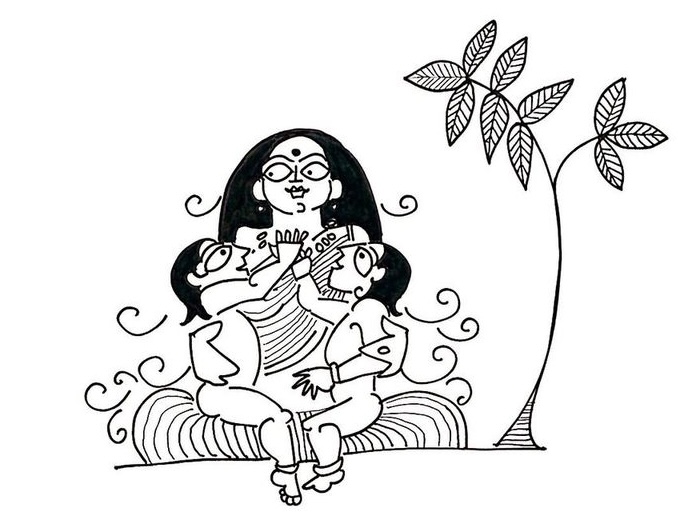
Varuni, the goddess of wine, churned out of the ocean of milk, joined Indra and transformed Swarga into paradise. So say the Puranas. However, very little is mentioned about Varuni in popular lore. Scholars believe this was grape wine imported in vast quantities from Rome to the western coast of India around 2000 years ago.
Popular Hinduism has tried to give the impression that religions, like Buddhism and Jainism, have been opposed to the consumption of intoxicants. Nothing can be further from the truth. Toddy, mahua, cannabis and opium have formed an integral part of civilisation. The British, however, had a different approach. They found it easier to tax consumption of hard alcohol as opposed to homemade brews of other types of alcohol.
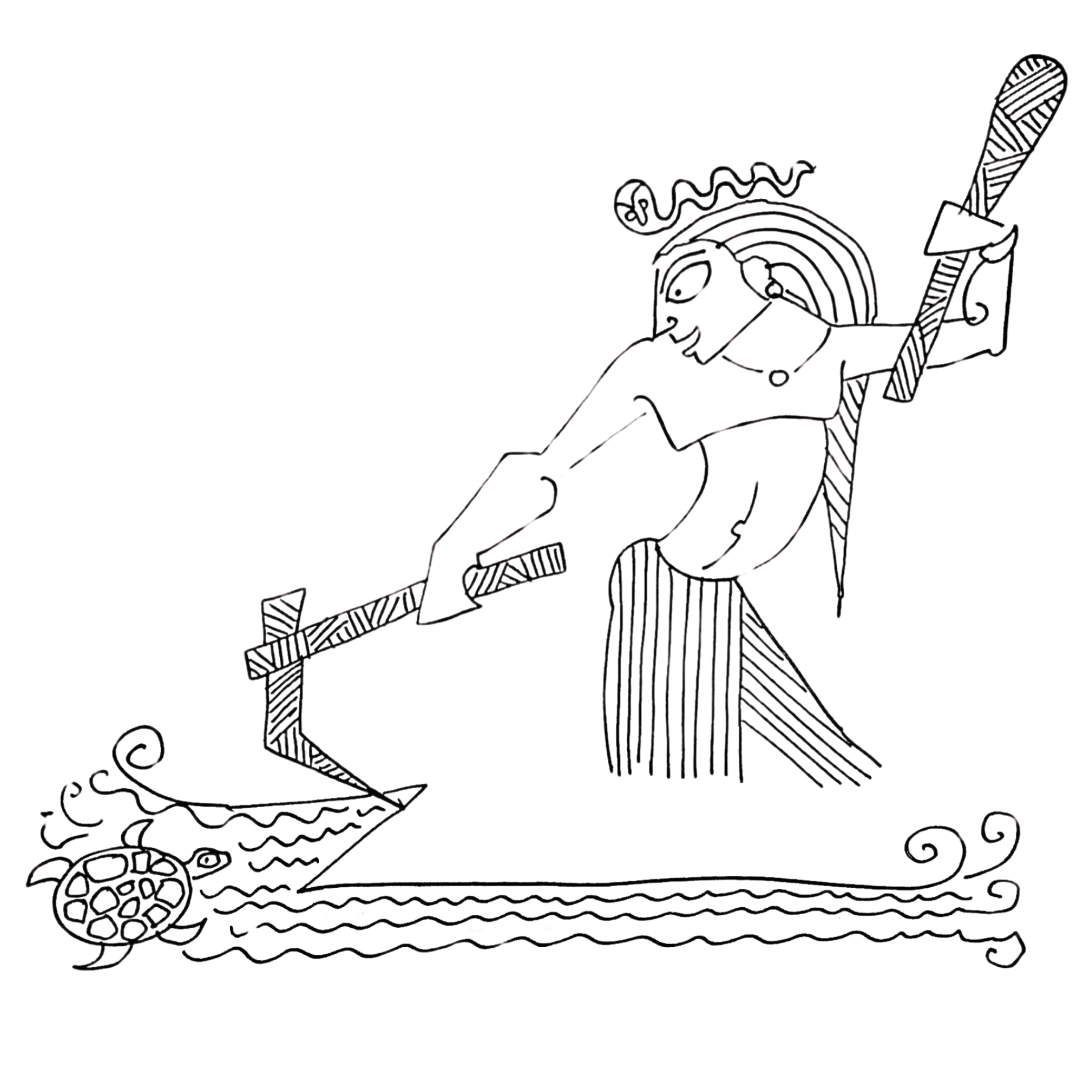
For the most part, Indians consumed what they produced. Toddy palm was used to make drinks for Balaram, Krishna’s elder brother. Mahua-based drinks are mentioned in the Ramayan and Mahabharat. Similarly, among the warrior aristocracies of Rajasthan, consumption of opium was a part of life and was not considered a vice. In fact, it was the custom to consume it prior to battle; it was also a form of honour to gift it to guests during the marriage of different clans.
Cannabis has historically been associated with religion. Bhang, ganja and charas offerings were even made to deities. Bhairava was frequently worshipped by yogis and wandering ascetics. Cannabis was said to assist with the process of meditation and was thought to open the mind to the divine. Atharva Veda deems cannabis the sacred plant. It was offered to Shiva during prasad at temples. It was not treated as a dangerous substance during Holi and Mahashivratri. But all this was ritually controlled, part of specific festivals, not randomly consumed.
Toddy, mahua, opium and cannabis are four traditions that enjoyed a seasonal release of their wares. They were regulated by cultural norms that were either martial or religious. Within British Raj and East India Company, controls that allowed the state to maximise profitability were introduced. This had been done before.
Chanakya’s Arthashatra mentions a dedicated superintendent of liquor who managed all production and sales, issuing strict licenses to private distilleries. The ancient Mauryan state imposed a 5% sales tax and toll on liquors, alongside additional excise levies. Furthermore, the government operated its own official taverns, converting drinking houses into direct commercial revenue for the royal treasury. Illegal smuggling, unauthorised manufacturing and tax evasion faced severe monetary fines. Ultimately, Chanakya treated alcohol as both a taxable luxury and a partial state monopoly to maximise revenue while strictly monitoring public consumption.
Like the Mauryan state, the British knew governments cannot tax what is invisible. Communities cultivated and brewed their own alcohol, and government agencies cannot reach and investigate the deeds of every community. Opium exchanged at Rajput weddings and cannabis offered at Shiva temples also lie outside the colonial jurisdiction like the rest of the Indian gift economy. However, distilled liquor needs a distillery and special equipment, that is easy to track, control and tax. This explains the British encouragement of distilled liquor.
The Mhowra Act of 1892 targeted collection, harvesting and home brewing of mahua. The home brewing practice and community feature turned into a criminal act, leaving the tribal community with no choice but to illegally pursue mahua and consume factory distilled liquor sold in government-licensed shops.
Opium took less of a tax route but more of a control route. Just like other regional communities, the British restricted medicinal and ceremonial uses of opium; however, they sustained a profitable and illegal trade with China by monopolising state-controlled opium production. Local, decentralised use was also made illegal.
Colonial thinking persisted post-Independence. Influenced by the US, the 1985 Narcotic Drugs and Psychotropic Substances Act banned bhang and charas, the same plants that were offered to Bhairava and used by meditative yogis. Meanwhile, state excise duties on liquor accounted for 15-25% of state revenues, making liquor one of the largest tax revenues for states.
Mahua at tribal weddings, opium at Rajput alliance and cannabis at rituals at Shiva temples, all of these have no equivalent to distilled liquor. Whiskey became a luxury. Mahua became a cheap tribal intoxication. Opium is now a dangerous street side drug used by terrorist cartels to fund nefarious operations. The treasury followed what it could tax.
Gen Z observes the hypocrisy of the WhatsApp Uncle, who frowns on weed consumption at parties, is embarrassed by its presence in government approved bhaang shops in Hindu temple markets, and is unable to explain its presence in historical documents and holy texts. Meanwhile, wineries and cannabis extracts are being slowly legalised in India. In a way that the government can control and tax.