We are told that the dawn of agriculture was about bread. That our Stone Age ancestors settled down to plant wheat and barley so they could bake loaves. But a growing body of research suggests that this may not be entirely true. The real lure of grain was not bread. It was beer. The frothy, fermented drink may have nudged humanity from nomadic hunting and gathering into the settled villages that became the seedbed of civilisation.
In the 1950s, botanist Jonathan Sauer asked a simple question: why would early people put so much effort into farming for such meagre returns of grain? His answer was striking-because fermented mash yielded a nutritious and enjoyable drink. This was a far greater incentive than dry flour and flatbread. Archaeological evidence backs this intuition. At Raqefet Cave in Israel, traces of beer-like residue dating back 13,000 years have been found. These were made by the Natufians, semi-nomadic people who lived before the first domestication of cereals. They were brewing for ritual feasts long before they were baking. Ancient sites like Gobikele Tepe, in Turkey, which is over 10,000 years old, have revealed evidence of beer making. The perforated pots of Harappan cities also indicate beer making.
Even the kinds of crops that were first domesticated hint at intoxication as the goal. In Mexico, a primitive maize called teosinte was cultivated, but it was far better suited to brewing than grinding into flour. Across continents, the pattern repeats-grain makes better sense as beer than as bread.
Brewing beer required something new from our ancestors: stability. One cannot plant grain, wait for it to grow, harvest, and ferment it without staying put. Thus the thirst for beer may have tethered humanity to the land. Once people began to settle, villages grew, surpluses appeared, and the Neolithic Revolution unfolded. Beer did not just nourish the body-it structured the rhythm of life.
Archaeologist Brian Hayden pushes this further. He argues that it was not hunger, but culture, that birthed farming. Beer was the centrepiece of feasts where people bonded, celebrated, and made decisions. These gatherings forged trust, encouraged cooperation, and allowed leaders to build alliances. In that convivial haze, power structures were negotiated and communities began to take shape.
Sceptics have always asked: could people really live on beer? Perhaps not entirely-but beer was more nutritious than bread at the time. Fermentation unlocked sugars and vitamins, making it calorie-dense and rich in proteins. Beer was also safer than water. As settlements grew, rivers and wells became polluted with human waste. Drinking raw water carried disease. Beer, through fermentation, killed bacteria and reduced pathogens. It was liquid food, medicine, and safety rolled into one.
Workers in ancient Egypt were even paid in beer, which sustained those who built pyramids and temples. In Sumer, beer was a unit of currency and a measure of fairness. Hymns were composed to Ninkasi, the goddess of brewing, celebrating recipes in poetic form. The world’s first written epic, Gilgamesh, mentions beer. Civilization’s earliest laws, hymns, and myths all carried the mark of this humble drink.
The social role of beer cannot be overstated. Communal drinking bonded people together. The buzz made strangers friends and eased tensions. This mattered immensely as tribes grew larger and strangers had to coexist in crowded villages. Political elites quickly realized its power. Hosting a feast with plentiful beer was a way to display wealth, cement loyalty, and mobilise labour. In many societies, from Mesopotamia to Egypt, beer was both reward and persuasion.
Even decision-making was tied to drink. Ancient sources tell us that in Persia and Germany, councils made collective decisions after drinking -and then confirmed them when sober, or the other way around. Either way, alcohol was seen as an aid to deliberation. In other words, beer helped build not just barns, but bureaucracies.
None of this means bread played no role. Nutritionally, bread and porridge were essential. Beer was not the sole driver of agriculture, but one of its key companions. Together, bread and beer shaped human diets, rituals, and economies. The ‘beer before bread’ hypothesis is less about exclusivity and more about emphasis-it reminds us that culture, pleasure, and ritual can be as powerful as survival in steering human history.
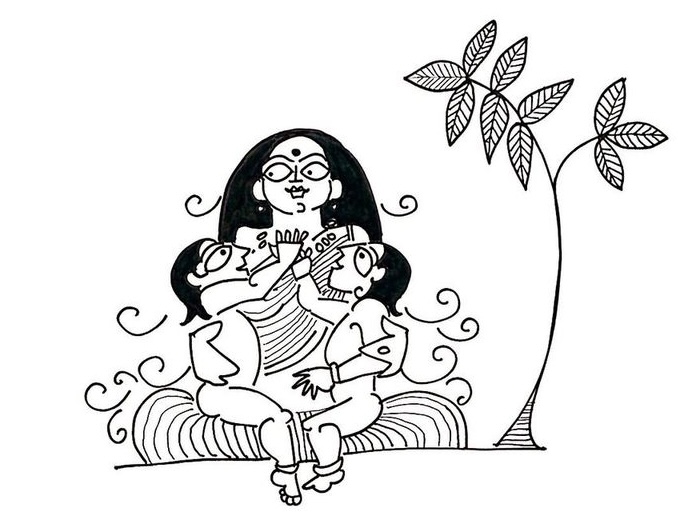
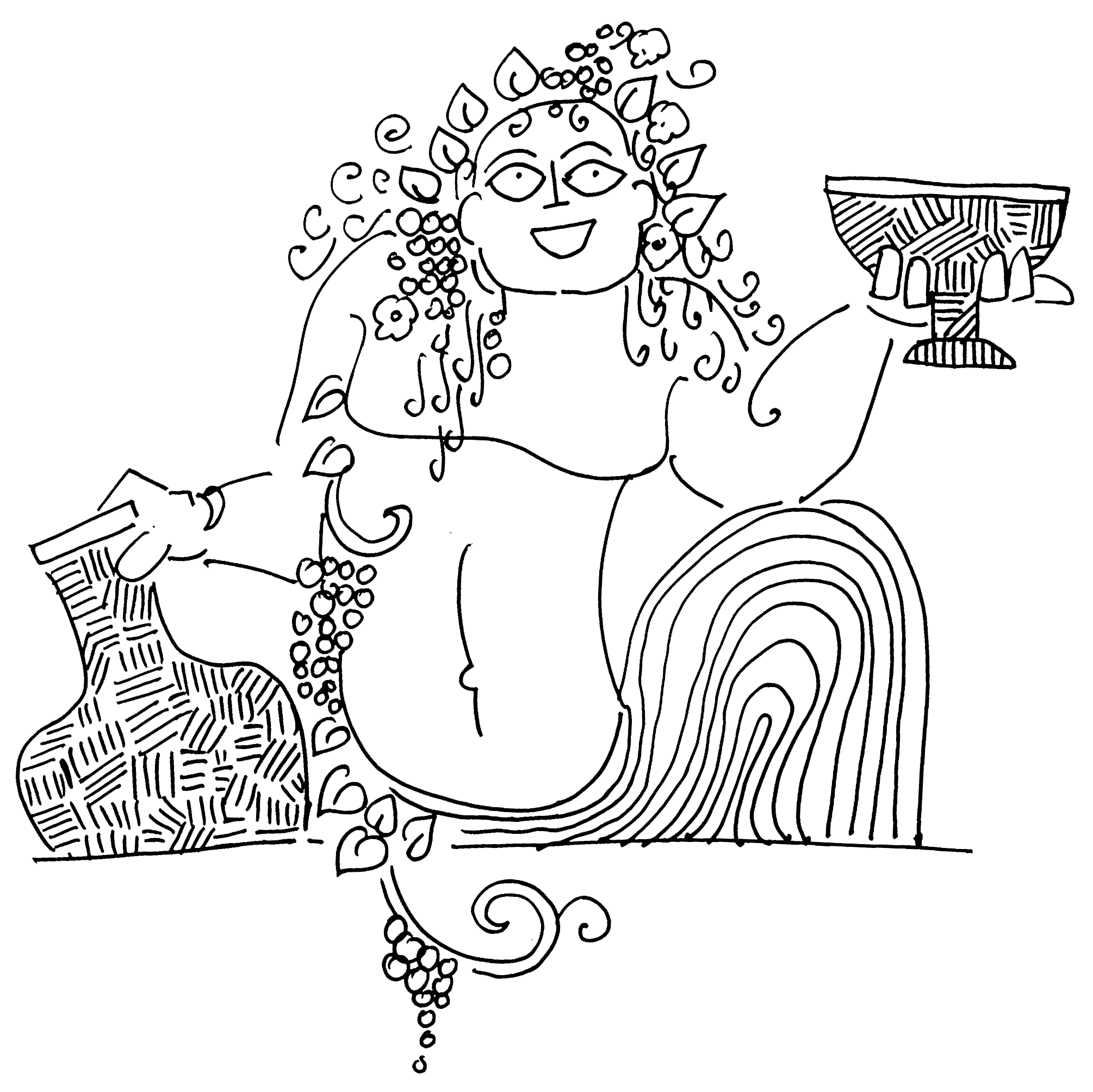
In Hindu mythology, Varuni was churned out of the ocean of milk. Varuni, the goddess of alcohol, is closely linked to Balarama, the god of farming. Was this an Indian way of connecting beer and bread? We can surely speculate. Bread fed the body, but beer shaped the village. And in shaping the village, it shaped the world.