In the month of Shravan, many people visit Shiva temples, especially on Mondays. Pouring water on the Shiva-linga is seen as an act of piety. Water is carried from rivers. The pot with the water is never placed on the ground until water has been poured on the linga. This practice is common in Gangetic plains.
One of the things you notice in a very traditional Shiva temple is that it is typically located in a cave-like structure. The Shiva linga is in the main sanctum sanctorum at a lower level. To see it clearly, there are mirrors kept above. These are the traditional Swayambhu (self-created) aniconic stones, which have been worshipped in India for centuries. In fact, no one knows when the worship began. Temples were built over them much later.
The first mention of Jyotirlingas comes from the poetry of Adi Shankaracharya, who lived in the 8th century. The famous Kailasanath Temple was carved by Chalukyan-Rashtrakuta kings in Ellora around the same time. Just a few minutes from this magnificent structure is the Grishneshwar Jyotirlinga, a naturally formed linga. Over centuries, people forgot the royal Kailasanatha Temple, but nobody forgot the naturally formed Jyotirlinga, frequented by commoners. Faith thus triumphs displays of political power.
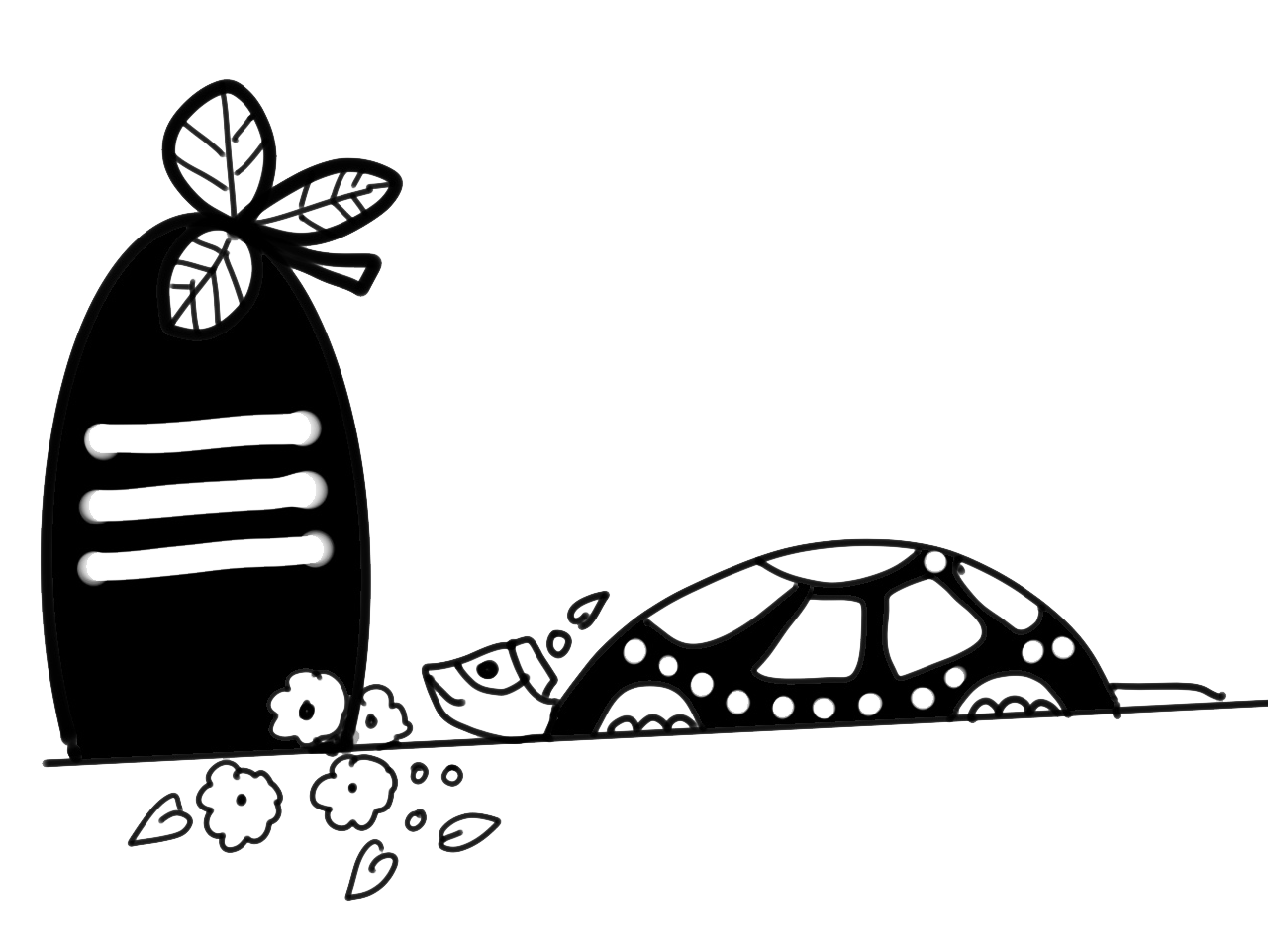
When one visits these traditional temples, one notices that in front of the Shiva Linga is the Nandi Bull. Between the Nandi Bull and the Shiva Linga is a turtle. No one quite knows the significance of this turtle, though many interpretations have been offered.
According to one school of thought, this turtle represents Brahma in the form of Kashyapa, who is the father of all living organisms. Through his many wives, he creates different organisms like birds, reptiles, hooved animals, clawed animals, gods who live in the sky, creatures who live under the earth, and of course, human beings.
According to another school of thought, this turtle represents Vishnu in his Kurma avatar. It is in this form that he held Mount Meru on his back, which was used as a spindle to churn the ocean of milk. The poison that came before the nectar was consumed by Shiva.
The turtle represents the foundations of the earth. It embodies stability. It is the symbol of Yamuna, the river-goddess, sometimes linked to Goddess Kali, owing to its dark waters. If the pot atop Shiva’s head represents Ganga, then it is complemented by Yamuna, represented by the turtle.
Another school says that this represents the yogi who withdraws all his senses and goes deep within himself, just like the turtle withdraws into its shell. It is the Goddess Parvati who gently draws Shiva out of his cave, in other words, getting him out of his shell and asking him to engage in worldly affairs.
Finally, the turtle represents King Indradyumna, an ancient king who built a vast tank. Across India, there are many temple tanks filled with turtles. The turtles keep the tanks clean and also indicate how old the tank is. The more the turtles, the older and cleaner the tank. Indradyumna’s pond is remembered by the ancient king who built tanks, and kings are encouraged to build these tanks. The Ellora temple, though grand, has no tank!