
Mythologist | Author | Speaker | Illustrator

-
Articles
The Global Resurrection of Islam
Earlier, Islam was sustained by rulers. In the modern era, it is sustained by communities. Authority shifted from courts and empires to classrooms, print networks, voluntary organisations, and individual conscience…
-
Articles

Chandala’s daughter, Arundhati
Arundhati is remembered today as the ideal wife, the tiny star beside Vasistha in the Saptarshi constellation, shown to every new bride as a model of fidelity. But beneath this polished image lies a far more unsettling story. …
-
Articles
Persia was a Civilisation Long Before Islam and Rome
Zoroastrianism traced its teachings to the prophet Zarathustra (Zoroaster), who is believed to have lived many centuries earlier, perhaps around 1200 BC, according to some scholars. …
-
Articles

A Colonial Category Called Religion
Hinduism did not become a religion by organic evolution. It was forced into becoming a religion by colonial definitions, Christian templates and Brahminical reinterpretations. What had functioned for centuries as a civilisational ecosystem of caste, ritual, myth, kinship, land and livelihood was squeezed into the narrow mould of “religion” as understood in the industrial West.…
-
Articles

The Tale of Two Somnaths
Loud discussions on how Muslim raiders from Ghazni plundered Somnath temple, on the Gujarat coast a thousand years ago, ignore how Jain ‘basadi’ in Karnataka were replaced by Somanatha Shiva temples around the same time. This is also the time when Rajaraja Chola marched up the eastern coast of India, plundering the kingdoms of Andhra,…
-
Articles
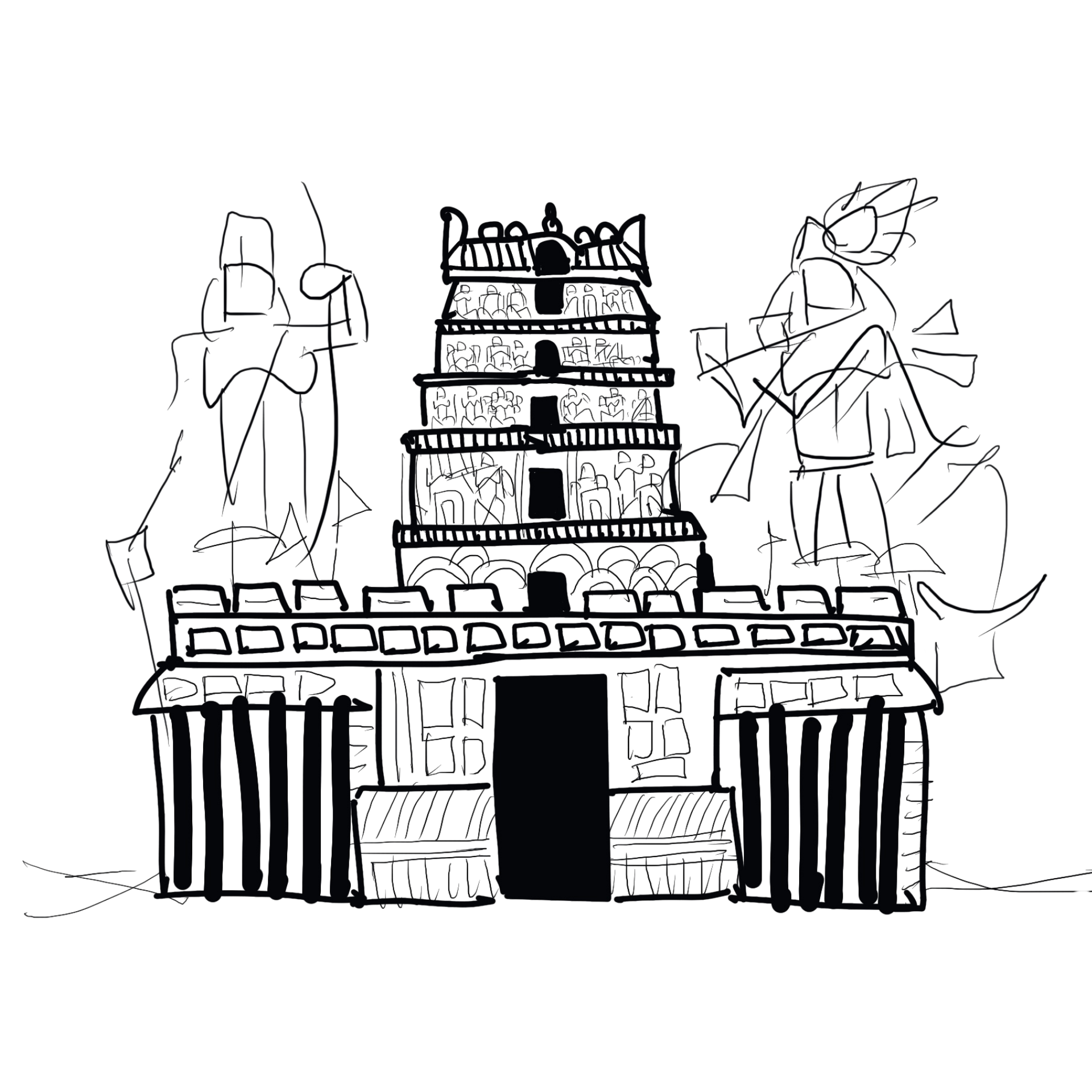
Temple Gopurams As Royal Defiance
Most of the tall gopurams we see in South India today were built by Nayaka kings of Telugu origin. Most are three to four centuries old, built during and after the Vijayangar period. Nayaka rulers reimagined Ram and Krishna as political and theological answers to the Islamic and Indo-Persian imperial culture that shaped North and…
-
Articles

Why lotus remains India’s simplest yet most profound symbol
The lotus today is a symbol of a leading political party in India, but for thousands of years it has been part of Indian myth, ritual, architecture, and craft. At the village level, the lotus thrives as a simple floor drawing made with rice flour. …
-
Articles

Forgotten Horses of the Silk and Golden Roads
Peter Frankopan’s The Silk Roads and William Dalrymple’s The Golden Roadwith strikingly similar book covers (title within circle), share a striking silence. They speak at length of roads, trade, ideas, monks, merchants, and empires, but largely ignore the animal that made most premodern power possible: the horse…
-
Articles
Was Macaulay Anti-India Or Anti-Brahmin?
The debate around Macaulay, English, and education is not just about colonialism. It is about whether India wants a future shaped by open inquiry or a past shaped by inherited authority…
-
Articles

Six Signs Your Friend Has Been Colonised
Once your friend starts saying things like ‘karma is a b*tch’ or ‘you’ll get your karma’, he’s turned an ancient idea into a moral courtroom. He has replaced karma with justice, a concept that entered India through Christian and Islamic theology — through colonial education that divided the world into good and evil, heaven and…
-
Articles

How Many Manus Do You know?
Most people assume that Manu is simply the stern lawgiver of the Manusmriti, son of Brahma, entrusted with the task of framing rules for humankind. But this Manu is only one among many, and a relatively late one at that — emerging around 200 AD. …
-
Articles
जानें मंदिरों को रथ और विमान कहने के पीछे क्या रहस्य है
पशुपालक जहाँ भी जाते वहाँ वे इन मंदिरों को ले जाते थे। यही कारण है कि कई सदियों बाद पत्थर से बने विशाल मंदिरों को रथ कहा गया। …
-
Articles

The History of the Hindu Temple
It was only around 2,000 years ago that we began to see the first sculptures of Hindu gods in Mathura. Interestingly, images of Shiva, Vishnu, and the Goddess also appear on Kushan coins from the same period, though scholars debate whether these are truly Hindu deities or representations shaped by Zoroastrian and Greek influences…
-
Articles
The Head On the Temple
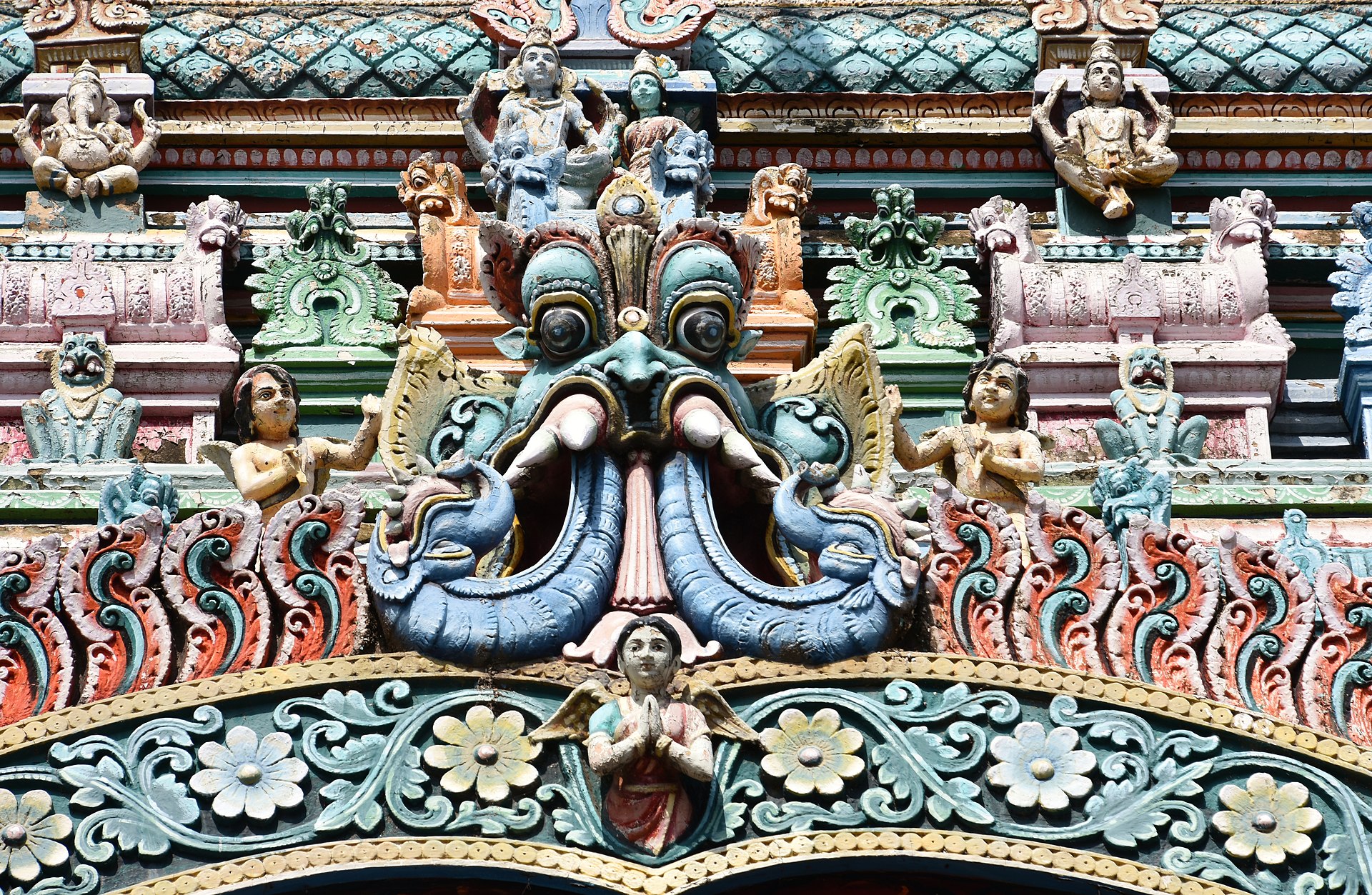
On the top of many Hindu temples, one finds the image of a head looking down on the people below — his eyes protruding from its sockets, his mouth wide open, his tongue out. This is called the Kirtimukha, the Head of Glory, or Vajramukha, the Eternal Head…
-
Articles

The Hindu Idea of Pilgrimage
Temples are becoming tourist spots. Festivals are becoming experience centres. Local priests are eager to provide customer delight. Politicians are figuring out ways to make profit by ensuring their people get lucrative contracts for hotels and restaurants. …
-
Articles
The Mysterious Deaths of Bhakti Saints
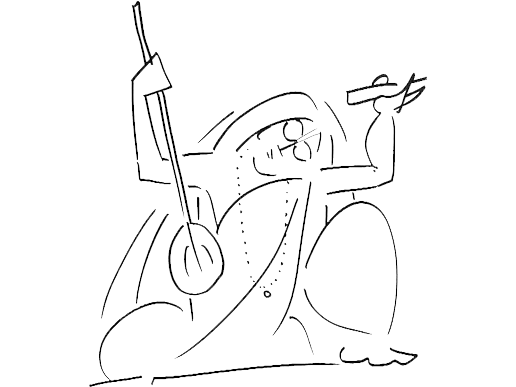
The recurring motif of saints who challenge orthodoxy dying mysterious deaths, performing samadhi (voluntarily leaving their lives at a young age, as in the case of Gyandev), raises questions. …