Subjects
Religions
Audience
Translations
Mythology
Year


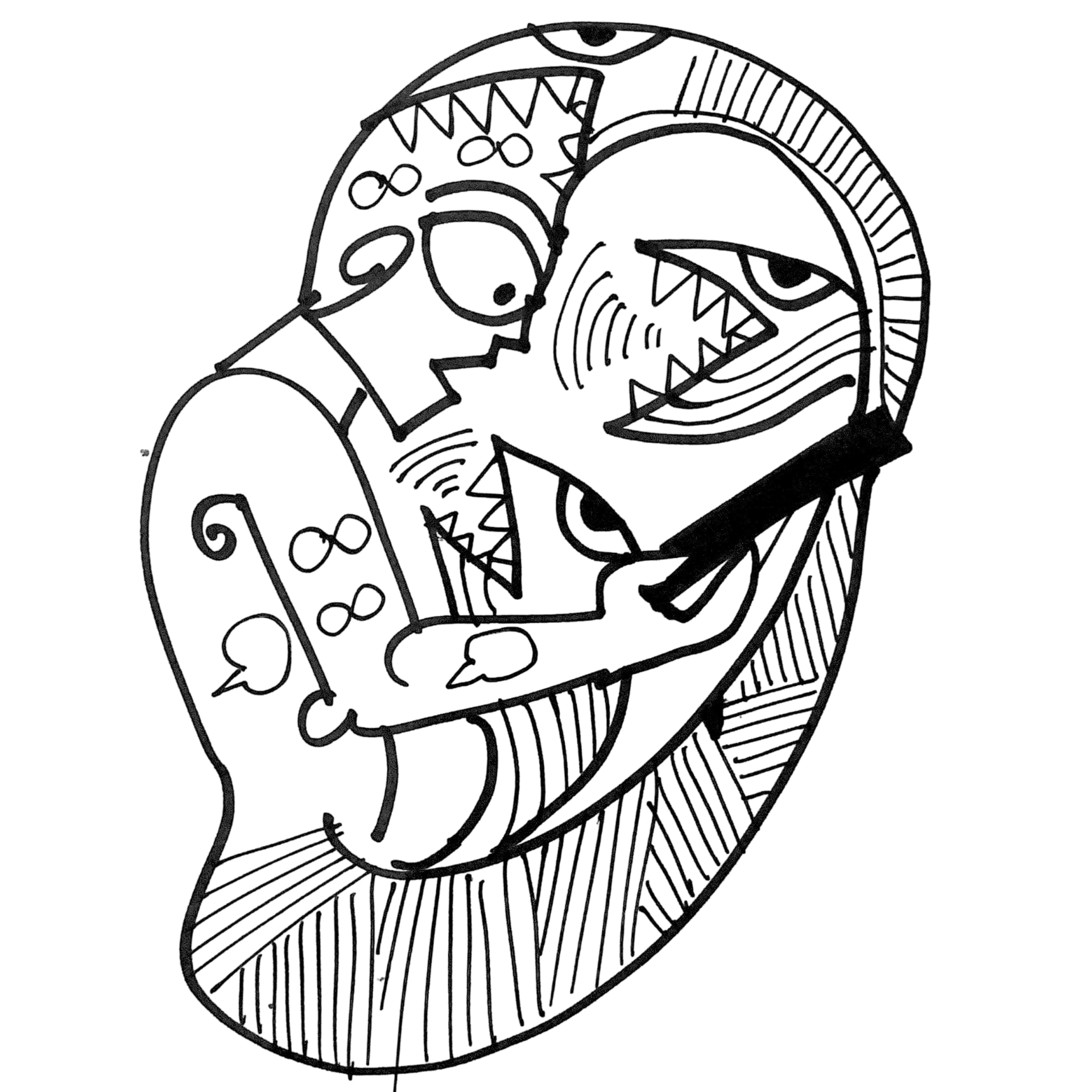
Ahimsa is presented as the highest Hindu virtue. It evokes images of gentle sages, compassionate saints, and morally superior lives. But beneath this halo lies a social technology that has, for centuries, enabled and reinforced untouchability. …

India has numerous names, but lacks a single, definitive origin story. This is unsettling for modern nationalism, which favours a clear and singular genesis. The truth, however, is more nuanced and compelling. …
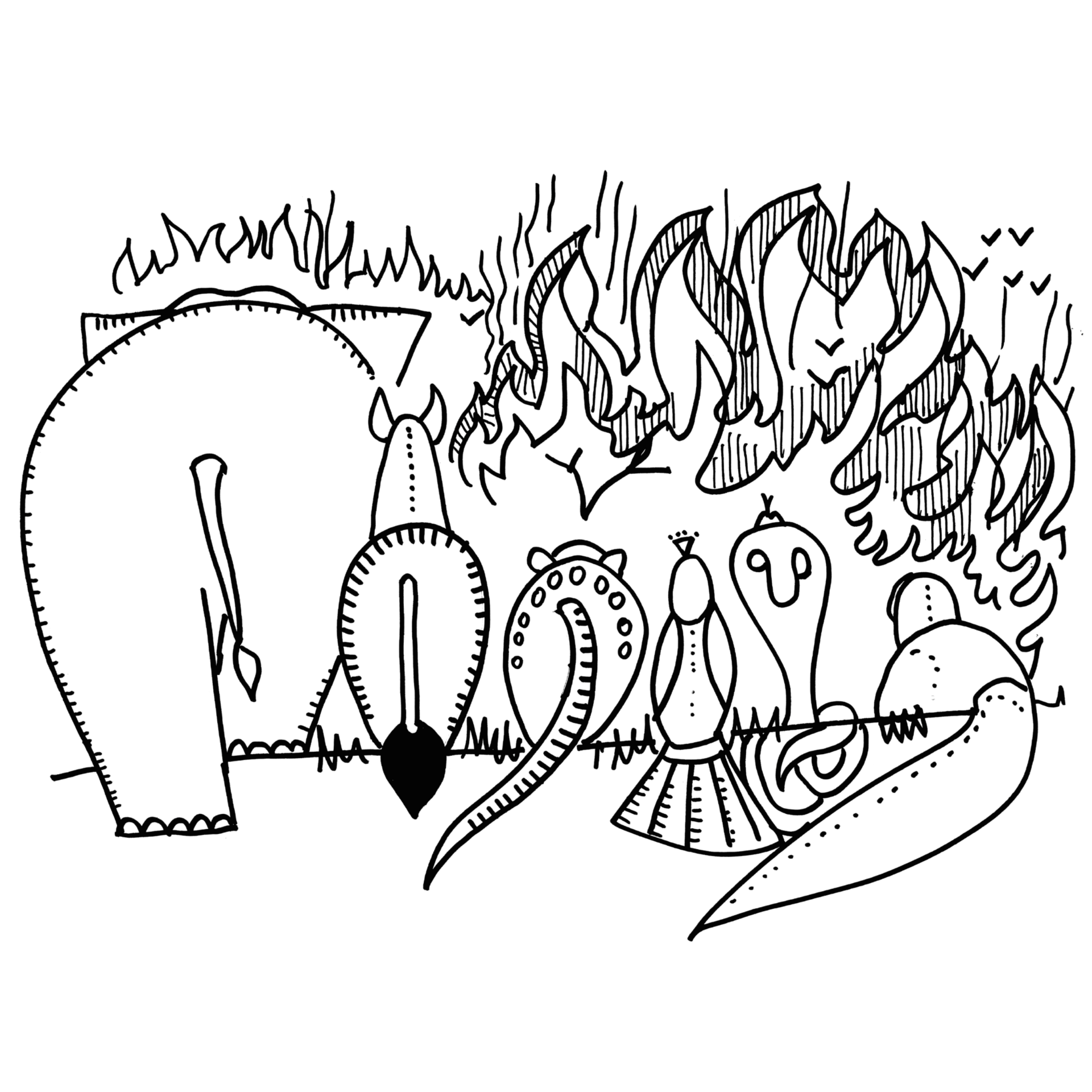
India is not just Vedas and Puranas. India is also Bhil, Gond, Santhal, Khasi, Banjara, Dhangar, Koli, Toda, Rabari, Munda, Nicobarese, and Lepcha. …
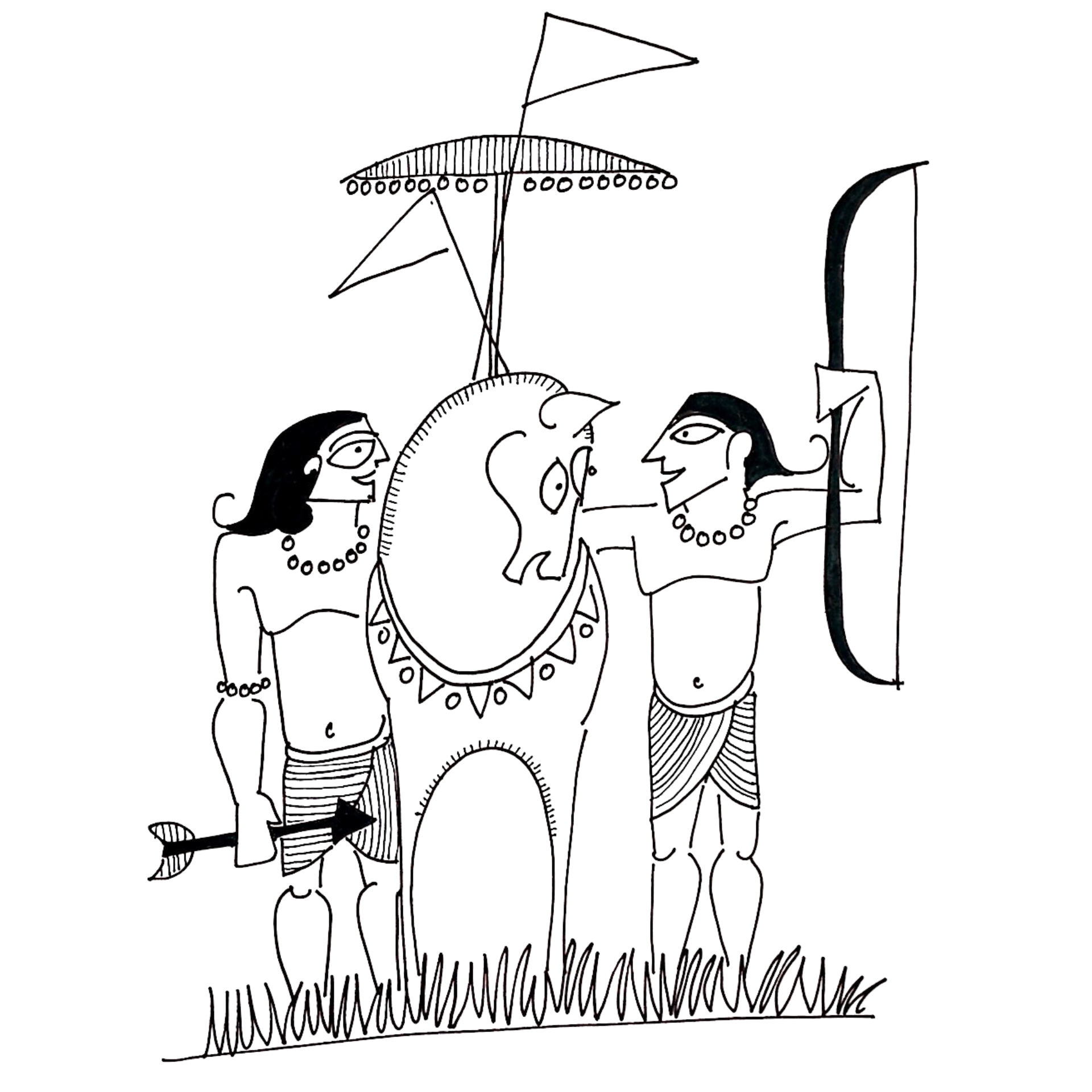
Different readings of the Ramayana present variations in the story of Luv and Kush. In some versions, both are Sita’s children. In others, only Luv is Sita’s son, while Kush is created by Valmiki from Kusha grass. …

There are two forms of Hanuman. In one he sits at the feet of Ram, an obedient assistant. This is Ram-dasa Hanuman. In the other, he stands alone, displaying ten hands and four extra heads: that of a lion, an eagle, a wild boar and a horse. This is Maha-bali Hanuman. …

The name Badrinath carries a quiet ecological memory. Badri means the berry (Ziziphus mauritiana), or jujube tree. Nath means lord. …

In China, the question is how to restrain the state without breaking it. In India, the question is how to strengthen the state without letting it trample society…

The Shankara legend is less about history and more about imagination – how India turned a philosopher into a divine hero, a world conqueror, and a unifier of its sacred geography…

आइए कुम्भ मेले पर हमारी बातें जारी रखते हैं। कुम्भ मेले का अमृत के ‘कुम्भ’ के साथ संबंध केवल हाल ही में प्रचलित किया गया है। अब, राशिचक्र के बजाय कुम्भ देवों और असुरों द्वारा किए गए क्षीरसागर के मंथन से उभरने वाले अमृत को उल्लिखित करता है। कहते हैं कि अमृत के बूंद इन…

Across India, the most familiar image of prosperity is Lakshmi flanked by two elephants pouring water over her. We see this in homes, shops, banks, and even in modern advertising. But few pause to ask why elephants stand beside the goddess of wealth. Why not cows, horses, lions or birds? …
तेरह जनवरी से लेकर छब्बीस फ़रवरी तक प्रयागराज में महाकुम्भ मेला हो रहा है। आइए अगले दो लेखों में इन मेलों के बारे में कुछ जानें।…

From early Vedic times, the sun is also tied to humanity and death. Surya has two sons who frame the human condition. Manu is the father of humankind, lawgiver, and culture hero…His brother Yama embodies the opposite destiny…

आज बाली के द्वीप को छोड़, इंडोनेशिया पूर्णतः इस्लामी देश है। लेकिन 1000 वर्ष पहले, इंडोनेशिया के जावा द्वीप में तांत्रिक बौद्ध धर्म और तांत्रिक हिंदू धर्म के बीच बहुत प्रतिद्वंद्व हुआ। इस प्रतिद्वंद्व के कारण कुछ अद्भुत स्तूप और मंदिर बनाए गए जो आज भी लोगों को आश्चर्यचकित कर देते हैं।…
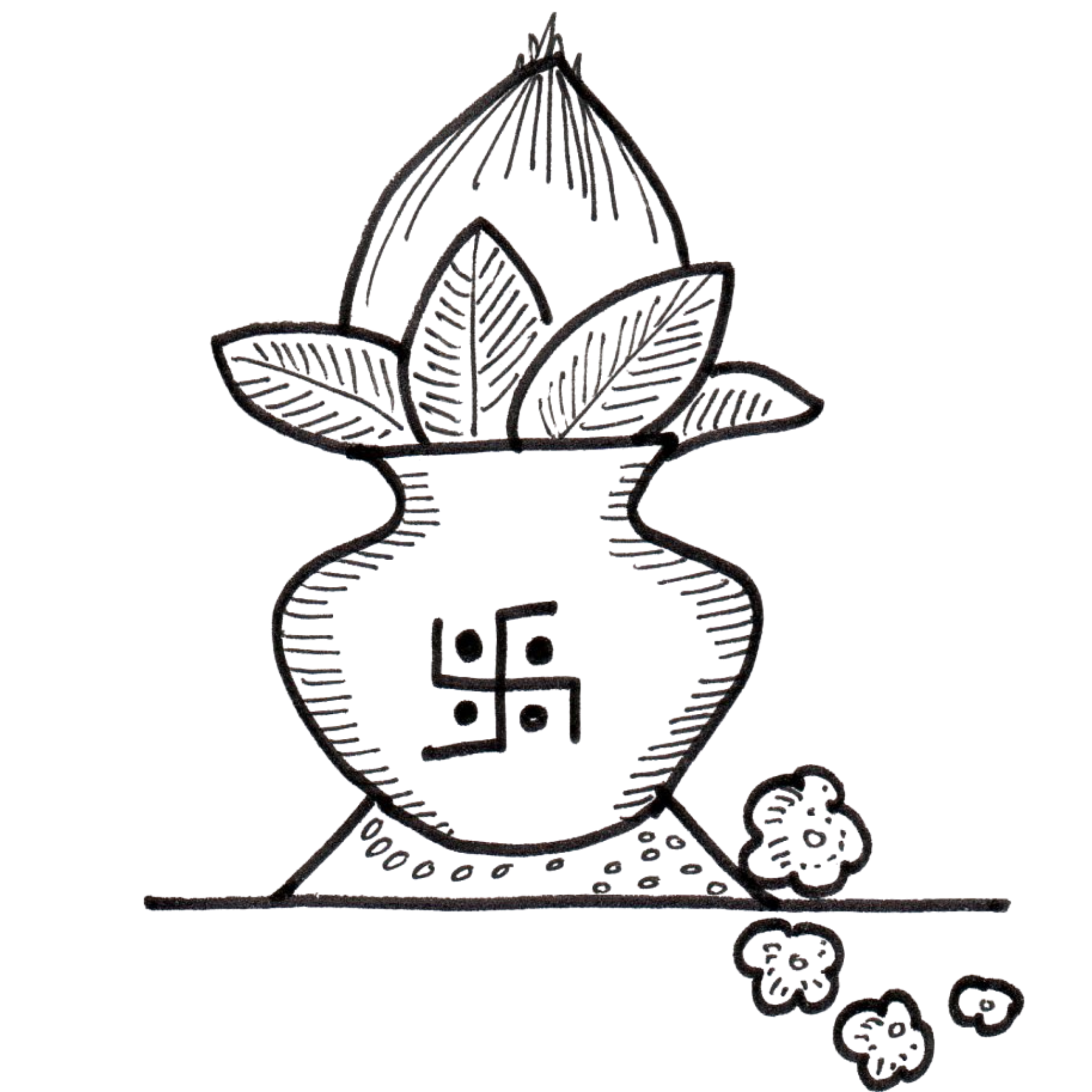
Early Indian metaphors emerge from three very different cultural zones: the Vedic northwest, the Tamil south, and the Prakrit-speaking Deccan. Each region had its own climate, flora, fauna, settlement pattern, and historical rhythm. …
एक दिन राजा भोज अपने नगर के निकट एक मैदान से जा रहें थे। वहाँ उन्होंने कुछ अनोखा देखा। अपने सिपाहियों के साथ उस ख़त के पास बढ़ते ही एक किसान चिल्लाया, “दूर रहें, इस खेत से दूर रहें। आपके अश्व मेरी फ़सल को नष्ट कर देंगे। क्या आप मुझ जैसे दीन लोगों पर थोड़ीसी…

शिव की ललाट के केंद्र में स्थित उनकी तीसरी आँख ने हमेशा से ही लोगों को मोहित किया है। कई लोग मानते हैं कि इसी आँख के कारण शिव को ‘विनाशक’ कहा जाता है। यह मान्यता भी है कि शिव क्रोधित होने पर यह आँख खोलते हैं, जैसे जब उन्हें उनकी पत्नी, सती, की मृत्यु…