
Mythologist | Author | Speaker | Illustrator

-
Articles

Shishupalgarh, the Forgotten Capital of Ancient Kalinga
Shishupalgarh, on the edge of modern Bhubaneswar, offers a window into an urban world that flourished 2000 years ago. It belongs to a time when India was connected to the wider world of oceanic trade. …
-
Articles

Why lotus remains India’s simplest yet most profound symbol
The lotus today is a symbol of a leading political party in India, but for thousands of years it has been part of Indian myth, ritual, architecture, and craft. At the village level, the lotus thrives as a simple floor drawing made with rice flour. …
-
Articles

How to Visit a Temple
A visit to a Hindu temple can be a lesson in history and geography, politics and economics, along with spiritual upliftment. If we allow it, the structure, to speak to us…
-
Articles

Rise and Fall of Cities in India
Broadly speaking, India has undergone five urbanisations. …
-
Articles

What Sculptures Tell Us About Indian Culture
Sculptures typically show human, animal and plant figures or supernatural beings standing in isolation or emerging from walls. The most ancient sculptures we have come from the Harappan Civilization (2500-1900 BC) — the clay figurines, usually female, bejewelled, perhaps of ritual use; tiny bronze images such as the 10.5-cm long “dancing girl” made in the…
-
Articles
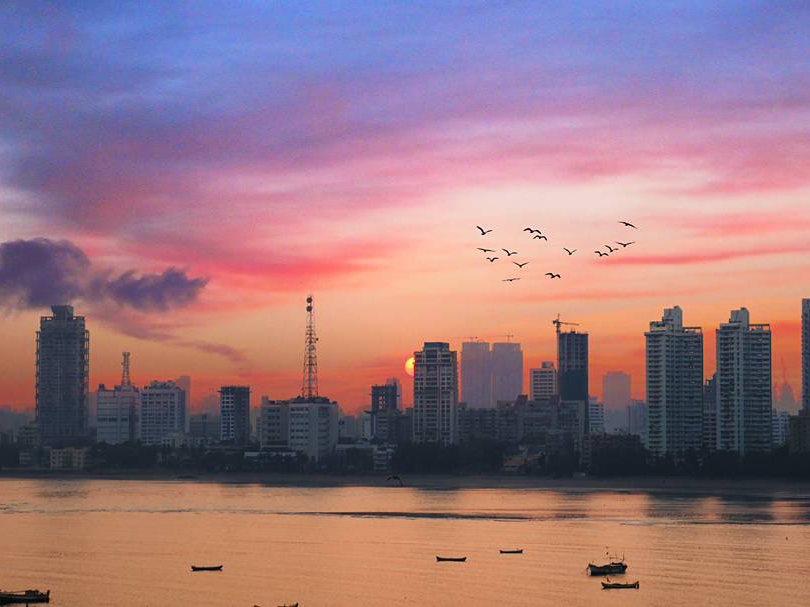
Nine Skylines of Bharat
The first skyline is the contemporary 21st-century glass and concrete skyscrapers of cities like Mumbai and Delhi…
-
Articles

Indian Knowledge Systems
The first list of an educational syllabus in India comes from the Chandogya Upanishad, when the Sanatakumar sages ask Narada what subjects he is proficient in. …
-
Articles
How Gujarat Got Temples That Are Upside-down Or Topped With Mountain Peaks
Internet alien hunters have concluded that in Gujarat there is an underground upside-down temple, despite the fact that the ‘upside-down’ temple has upright images of Vishnu and his avatars…