
Mythologist | Author | Speaker | Illustrator

-
Articles

Sanatan Dharma: A Hinduism That Defines Itself Through Food ‘Purity’
Notably, the term “satvik” food does not appear in Ayurveda, yet it has become central to the Sanatan Dharma movement. North Indian temples now demand that no meat-serving establishments operate within 15 km of their premises. This dietary politics points to the real character of the movement: Sanatan Dharma is essentially a vegetarian Hinduism, promoted…
-
Articles

Imagining Hinduism Without Caste
For centuries, what we now call Hinduism was never a single religion. It was a civilisation organised through caste. Each caste had its own gods, rituals, food rules, taboos, and ideas of the sacred. Diversity was not accidental; it was structural. To imagine a caste-free Hinduism is therefore to imagine uniformity. Who defines it then?…
-
Articles

Narada: the Original Provocateur
Narada is Hindu mythology’s impish, itinerant sage. His presence in a story spells trouble. As a character, he plays a key role. He spotlights our love for gossip, our fragile ego, our competitive spirit, our yearning to measure ourselves against others, our refusal to be content…
-
Articles

A Colonial Category Called Religion
Hinduism did not become a religion by organic evolution. It was forced into becoming a religion by colonial definitions, Christian templates and Brahminical reinterpretations. What had functioned for centuries as a civilisational ecosystem of caste, ritual, myth, kinship, land and livelihood was squeezed into the narrow mould of “religion” as understood in the industrial West.…
-
Articles
If Usha Vance became Christian, would she be American enough?
Sensing the shift in public narrative following the killing of Charlie Kirk, now seen as a Christian martyr, Vice President JD Vance declared publicly that he hoped his wife, Usha, daughter of Telugu Brahmin immigrants, would convert to Christianity. But in today’s America, that is not enough…
-
Articles

All About Marriage, Meaning, and the Shiva–Shakti Union
The marriage of Shiva and Shakti is not about property, lineage, or inheritance. It is not about power, spectacle, or display. It is about two individuals giving meaning to each other. …
-
Articles
Can a French man be a ‘civilisational Hindu’?
In New India, an Italian woman with an Indian passport remains a ‘foreigner’, but a French man with an Indian passport becomes a ‘civilisational Hindu’, and is even asked to influence young impressionable minds by creating ‘decolonised’ school textbooks…
-
Articles
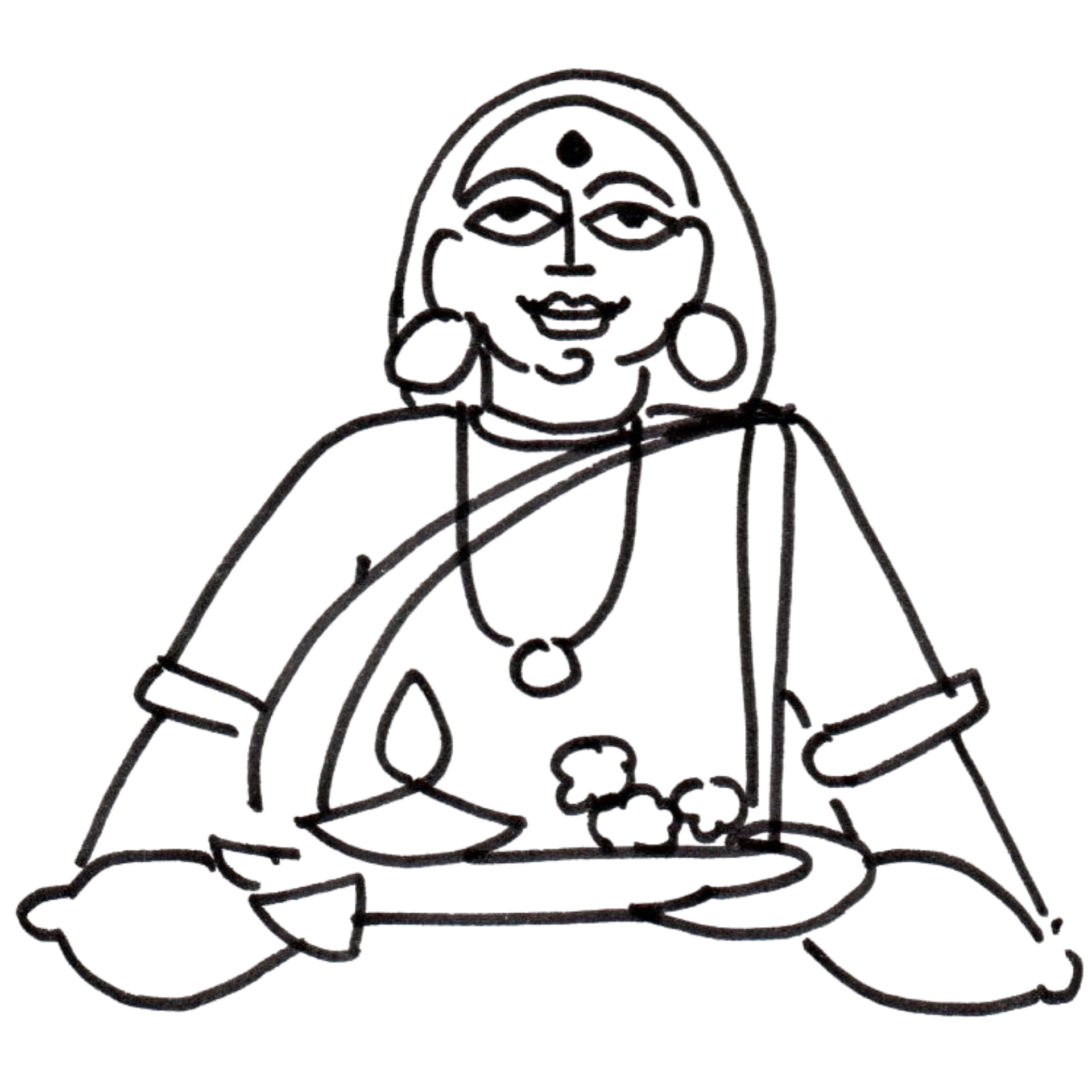
How Diwali Changes Shape Across India
Diwali is celebrated across India, but contrary to popular assumption, it is not a single, uniform festival. It takes very different forms depending on where you go. …
-
Articles
How Theosophy changed Hinduism
Modern Hinduism, as it is practised and explained today, did not emerge in isolation. It was shaped in conversation with Europe at a moment when Christianity itself was in crisis. Theosophy became the bridge in this encounter. Through it, Hindu ideas were reframed, revived, and repackaged, influencing figures as different as Gandhi, Rukmini Arundale, and…
-
Articles

The Great Satvic Scam
Across India and in the diaspora, satvikism is now being marketed as a refined, enlightened Hinduism. However, it subtly divides Hindus into two camps. …
-
Articles

The Two Faces Of Varuna
Varuna is one of the most ancient gods of the Vedic pantheon. In the Rig Veda, he is majestic, distant, and terrifying. He sits above the world, ruler of the sky and the ocean, guardian of the cosmic law called rta. He sees everything. Nothing escapes him. …
-
Articles
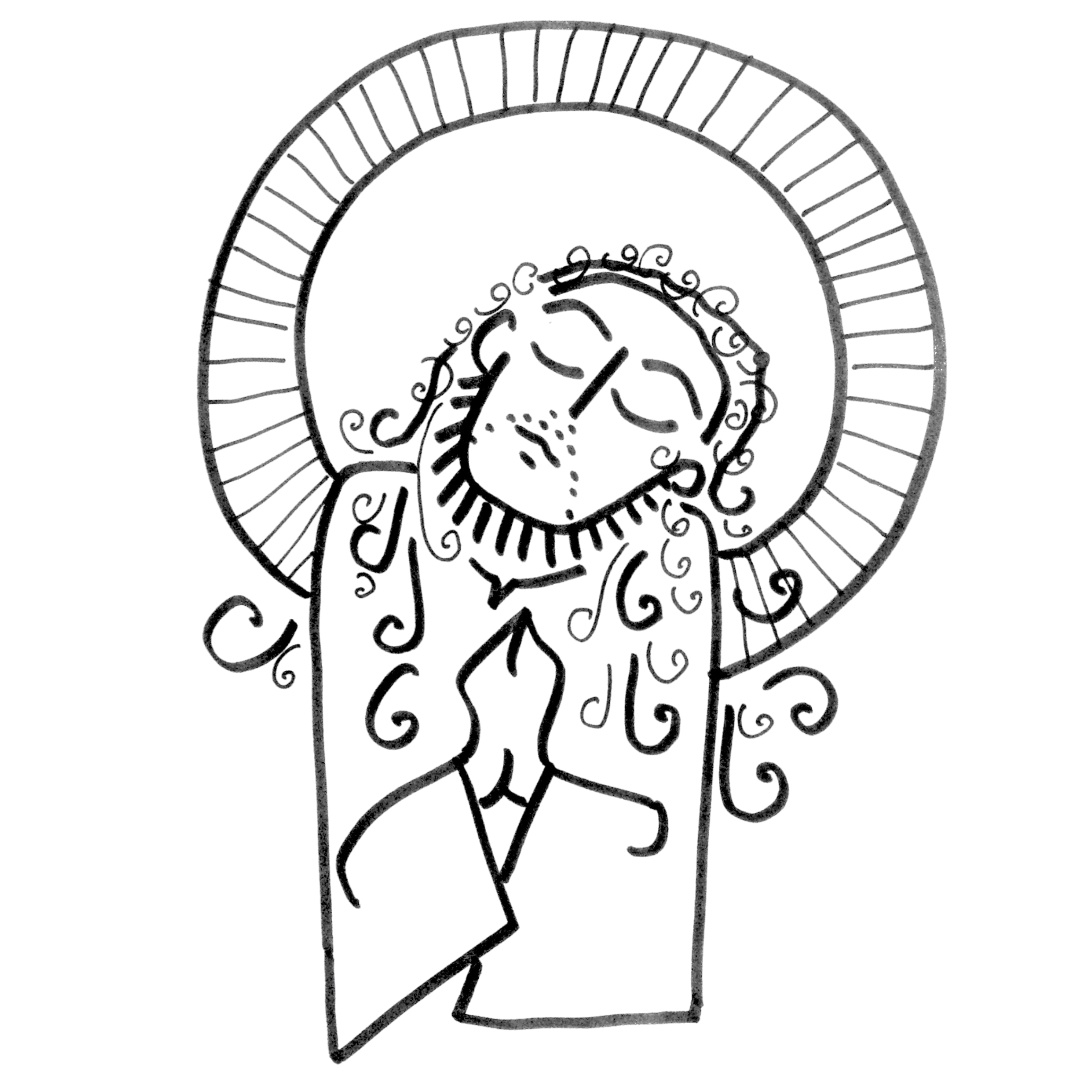
Can There Be a Sanatani Missionary?
A missionary (pracharak, in Hindi) is a relentless salesman. He sells God. He sells God’s message. For centuries there have been Christian missionaries, Muslim missionaries, and Buddhist missionaries. The last century saw the rise of Hindu missionaries. Many of these call themselves sanatani today. But what exactly are these sanatani missionaries selling?…
-
Articles

A Problematic Indra
In Purana, Indra is a luxury loving god who lives in paradise. Stories of this later Indra are not very flattering. He is always scared of losing all that he has…
-
Articles

The Durga of Dalit Mythology
In recent years, there has been a growing clash between ‘Sanatani mythology’ and ‘Dalit mythology’. During the festival season last month, a well-known Dalit activist argued that the worship of Durga is nothing but the celebration of an Aryan invasion of Dravidian lands. In his retelling, Mahishasur, the buffalo demon, represents dark-skinned Dravidians while Durga…
-
Articles

The Cannibal’s Victim
Kaisika Dwadashi, the 12th day of the waxing moon after Diwali, is celebrated in many Vishnu temples of South India. During this time, people are encouraged to visit the temple and hear the story from Varaha Purana of Nampaduvan, a “low” caste singer who was caught by a cannibalistic demon known as Brahma-Rakshasa…
-
Articles

How Many Manus Do You know?
Most people assume that Manu is simply the stern lawgiver of the Manusmriti, son of Brahma, entrusted with the task of framing rules for humankind. But this Manu is only one among many, and a relatively late one at that — emerging around 200 AD. …