We think Christmas is celebrated all over the world on December 25. But the Orthodox Church of Russia celebrates it on January 7, as it uses a different calendar. Muslims strive to follow the same calendar and the same rituals — thus wiping out regional diversity and homogenising the faith globally. However, Shia Muslims have observances that Sunnis shun.
Religions are never homogeneous. Hinduism is no exception. A case in point is how Diwali and Dussehra are not celebrated in Kashmir or Kerala with the same gusto seen across North, West and East India. Dussehra and Diwali may blaze across the Gangetic plain and Gujarat and Bengal, but in Kashmiri Pandit homes, they flicker in silence, and in Kerala Hindu homes, they barely cast a shadow. Two regions, two different stories, one false assumption of uniformity.
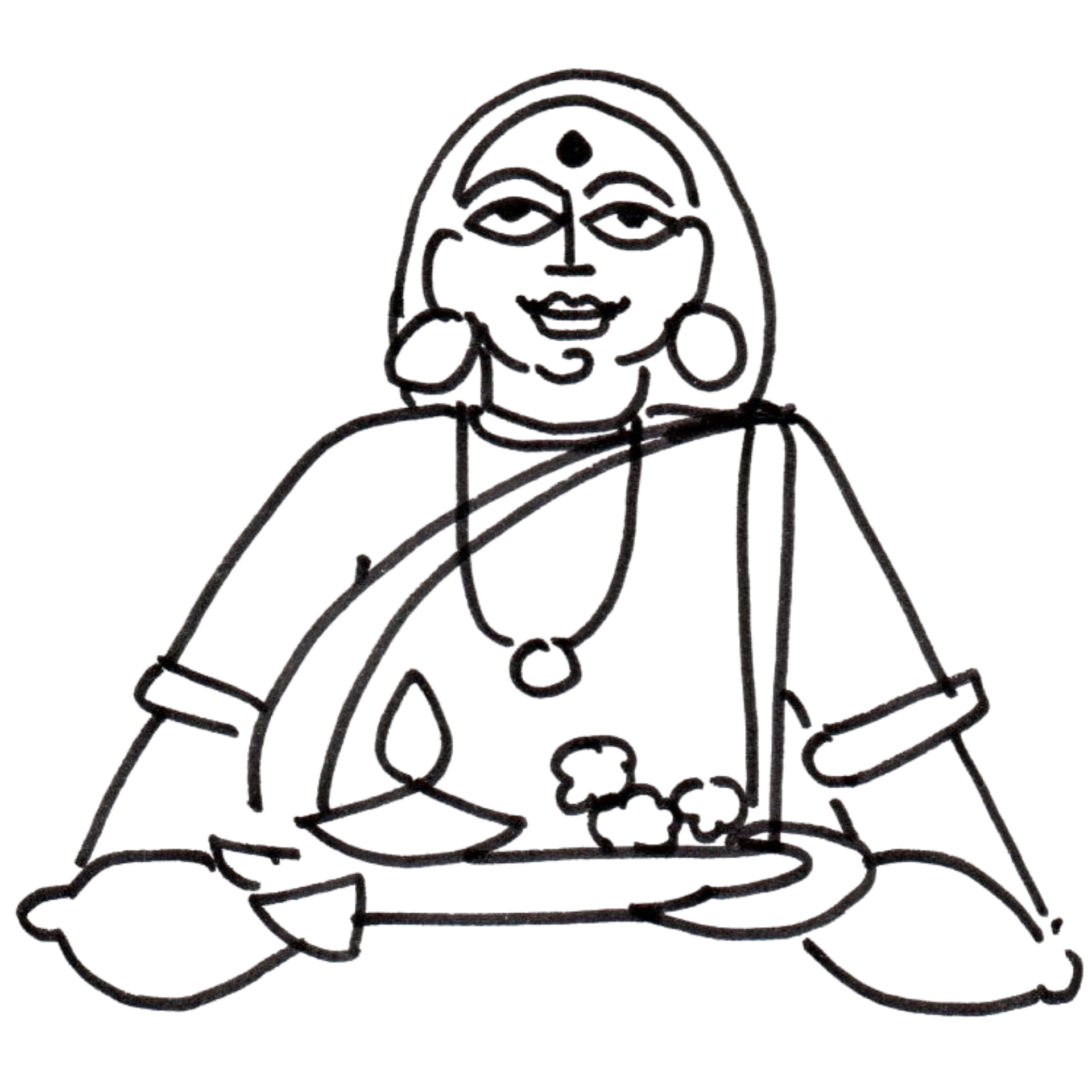
The Nilamata Purana (800 AD), a text describing Kashmir’s religious life, records its celebration under the name Sukhsuptika — ‘sleep with happiness’. The festival began on Ekadashi and culminated on Amavasya, when elders fasted and worshipped Lakshmi after sunset. Earthen lamps were placed everywhere — temples, road crossings, cremation grounds, riverbanks, lakeshores, the foot of trees, cowsheds, courtyards, shops, and homes. Families wore new clothes and listened to music. Sweet puris were offered to Lord Narayan, for Kashmiri Pandits, unlike many Hindus elsewhere, were not accustomed to sweets. Does this refer to Diwali?
But when Walter R Lawrence published ‘The Valley of Kashmir’ in 1895, after documenting every imaginable detail of the region, he had only one line on Diwali: ‘Diwali, when the city people are fed at the expense of the State.’ No lamps, no music, just bureaucratic charity. Dussehra didn’t merit even that. The Imperial Gazetteer and Tyndale-Biscoe’s ethnography confirm the same silence. Some blame this on the isolation of Kashmir from the larger Hindu ecosystem. Others hold Muslim orthodoxy responsible.
From the Tartar invasion of 1320, the establishment of Sultan Shahmir’s rule in 1339, Mir Sayyid Ali Hamadani’s strictures, and Sikandar Butshikan’s temple destructions between 1389 and 1413, public Hindu practice has waned in the Valley. Mullah Abdul Nabi’s 1720 edicts criminalised festivals outright: no tilak, no puja, no celebrations. Faced with extinction, Kashmiri Pandits chose discretion. There was no king to lead a Dasara procession as in Mysore. No Ram-lila for Kashmir, as Tulsidas had done for Gangetic plain in the 16th century.
Kerala’s story is different. In Kerala, Diwali has never been a major festival. It is observed quietly, mostly by Brahmin Namboothiri families — an oil bath, prayers to Krishna for Narakasura’s defeat, perhaps a lamp or two lit at home. It is not a public spectacle. Dussehra here takes the form of Vijayadashami’s Vidyarambham, initiating children into learning, not burning effigies of Ravana. The largest festivals remain Onam and Vishu, shared across communities, with no Ramayana connection. Both festivals follow a solar Zodiac-based calendar, unlike the otherwise lunar-based calendar used by most Hindus. Today, when some Keralites say they have a traditional month (Karkidakam, JulyAugust) when the regional Ramayana is read in every house, we must alert ourselves to the fact that this is not an ancient practice. It is a post-Independence phenomenon, spearheaded by Hindu groups fearing Muslim and Christian domination.
The idea of a ‘national festival’ is seductive, but historically weak. India has always been a civilisation of multiple calendars, multiple gods, multiple stories. The Diwali of Ayodhya is not the Diwali of Srinagar. The Dussehra of North India never existed in Kerala or Kashmir. Even in Tamil Nadu, Diwali is Naraka Chaturdashi, not Lakshmi Puja. In Kashmir, political reality and theological orientation shaped the difference. Besides, Kashmiri Pandits are Shaiva, and their primary festival became Herath, not Diwali, which is Vaishnava.
Just as Hindi is not a national language, Diwali and Dussehra are not national festivals. They are powerful, beloved, regional expressions. They do not — and should not — eclipse the unique traditions of Kashmir or Kerala.