
Mythologist | Author | Speaker | Illustrator

-
Articles
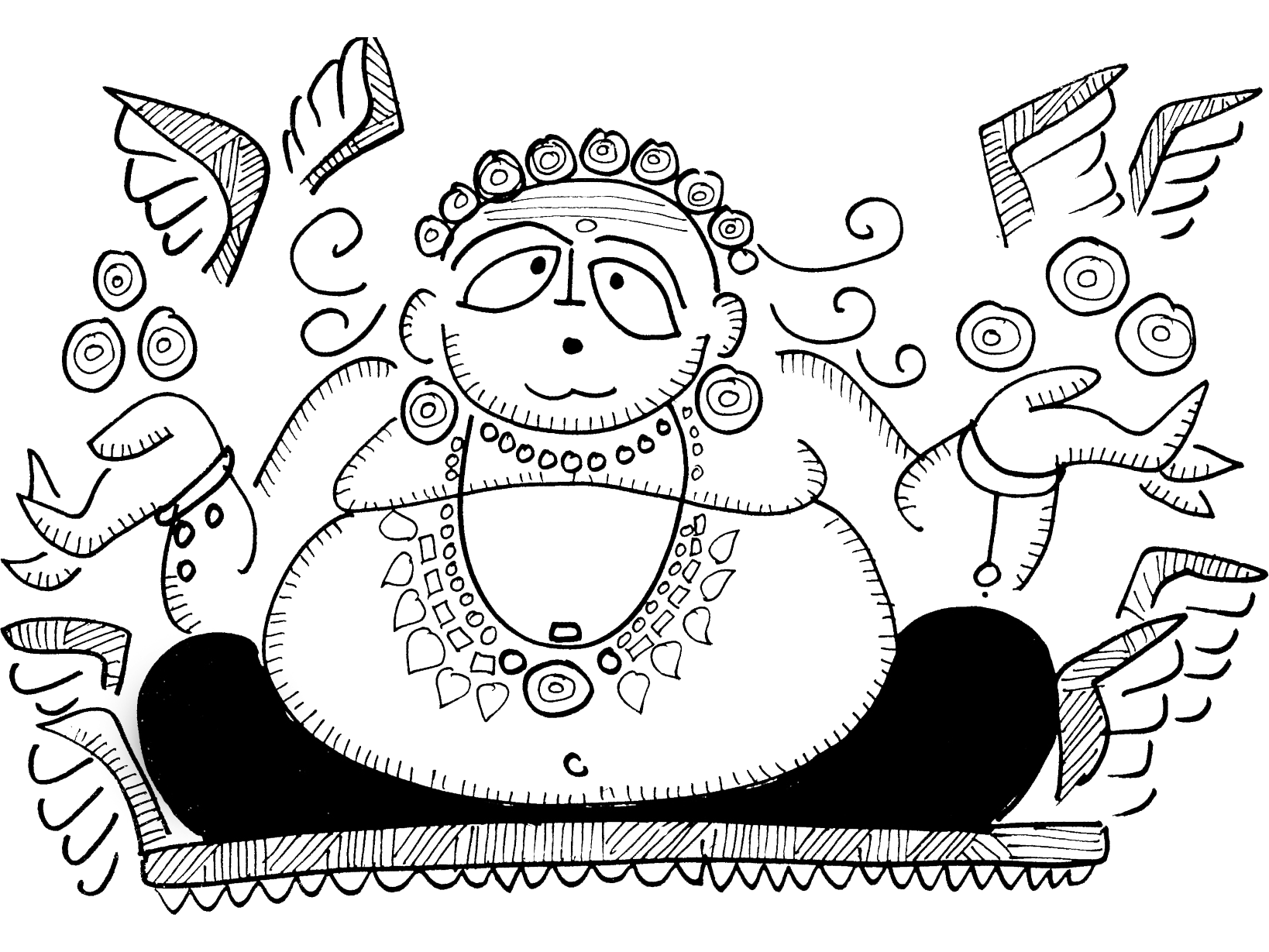
Why Kubera Is Not Ganesha
While plants and animals seek nourishment and security, humans seek more. Our hunger and fear is amplified infinitely by imagination. But food does not take away imagined hunger. If anything, it amplifies imagined hunger. We seek more resources, more power, more knowledge about resources and power…
-
Articles

Biblical Tales in the Puranas
The Bhavishya Purana imagines an India (Bharat-varsha) from the Himalayas to the sea, with the Indus or Sindhu-desha forming the main barrier between Arya-desha, land of civilised folk, and Mleccha-desha, land of barbarians…
-
Articles
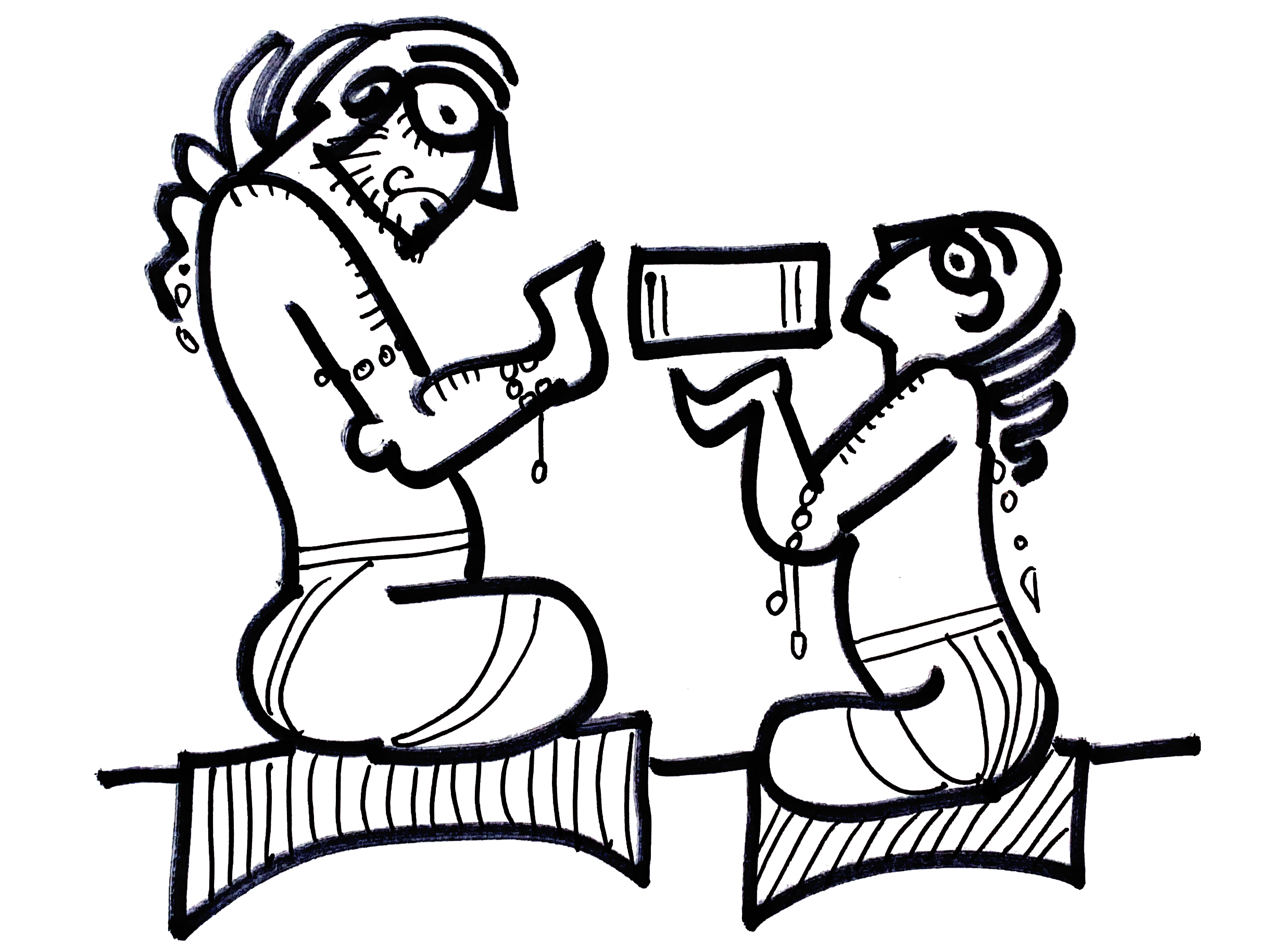
The Evolution of Mythology and History
If history is the objective study of the past, does that mean myths have no value? Can ancient traditions, which shaped the identities of civilisations for centuries, simply be dismissed as fiction?…
-
Articles

Forgotten Mandala Kingdoms
We remember this connection of Hinduism with Southeast Asia only when we realise that the airport in Bangkok is called Suvarnabhumi Airport and it is adorned with images of the churning of the ocean. But the gods and demons look so different — the serpent looks like a Chinese dragon. It has its own character.…
-
Articles
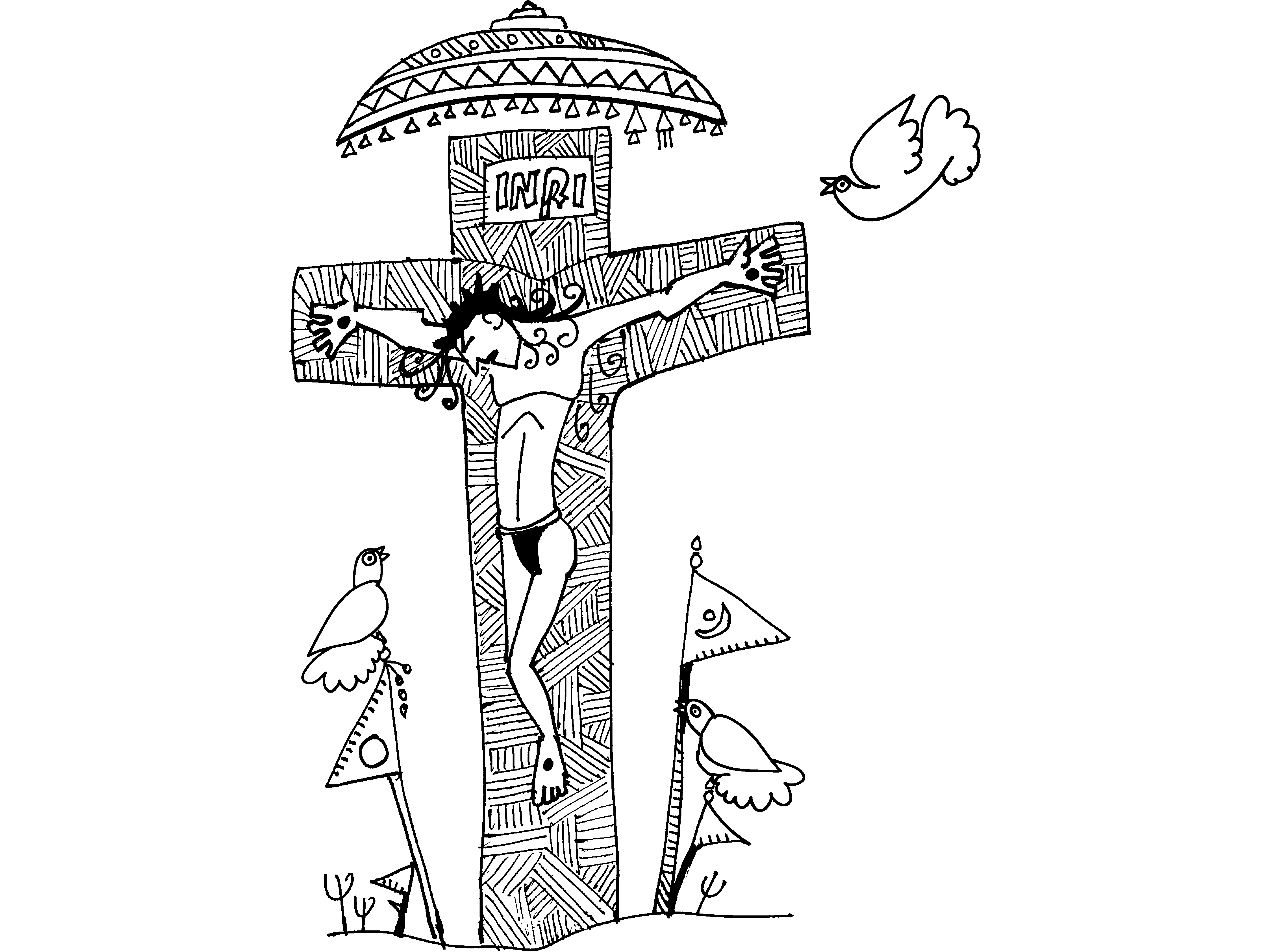
Papas and Politics
When we think of the Pope, we never think about the Roman Empire. We think of an avuncular religious leader, not a shrewd political leader…
-
Articles

Binding Bharat With a Vegetarian Canteen
Many pilgrim spots are being turned vegetarian. First Jain sites. Now Hindu sites. The assumption being vegetarian food is non-violent (it is not), eggs, fish, and meat are impure and polluting (they are not) and gods prefer vegetarian food (since when?)…
-
Articles

Why Myth Terrifies Seekers Of Truth
Truth based on faith is religious truth or cultural truth or patriotic truth, which in modern academic circles is called “myth”. Truth based on scepticism is scientific truth, and depends on measurement, evidence, and experimentation…
-
Articles

The Fire-born Rajputs
The Rajputs themselves have many stories about their origin. Raghuvamsi Rajputs claim descent from the solar dynasty of kings. Chandella and Yaduvamshi Rajputs claim descent from lunar lines of kings. Then there are the Agni-kula or fire-born Rajputs…
-
Articles

So Many Types of Nagas
Naga ascetics of Kumbh Mela are now world famous. These are the ascetics who arrive at the confluence of rivers wearing no clothes and bearing weapons. They are smeared with ash, and have matted hair. …
-
Articles

When Gurus Cling to Opinions
In nature, no land belongs to any plant or animal. Everyone fights for territories and the strongest wins. In nature, no one has rights over their body: it is food for the hungry, it is a vehicle to produce the next generation of food for predators…
-
Articles

Old Babas and Young Babas
In mythology, the rishi or sage comes in all shapes and sizes. A sage can be a child, a youth, or an old man, and the same applies to gods…
-
Articles

Sodom, Lut and other Islamic myths
What was the wickedness of the Sodomites? They wanted to have sex with Lotʼs male guests, who were actually Godʼs angels. Lot offered them his daughters instead. …
-
Articles

Mythology of the Fish
Across India, the fish is a sacred symbol–all kinds of fish…Fish is linked with autonomy as it cannot be tamed, and with fertility and prosperity…
-
Articles

Mandala System of Governance
Have you dropped a pebble in a pond? Have you seen the ripples, appearing in concentric circles, one after another? This is how the ancient Indians imagined the mind responding to every new piece of information, or sensation. …
-
Articles

How South Does the Kumbh Mela Go?
The Kumbha Mela is primarily a North Indian observance. Though, the south does have a similar gathering at Kumbakonam at the Mahamaham tank, every 12 years, in the month of Magha, shortly after the sun enters the zodiac of Capricorn (Makara). But here, there is no river involved, certainly not the Ganga, the traditional marker…
-
Articles
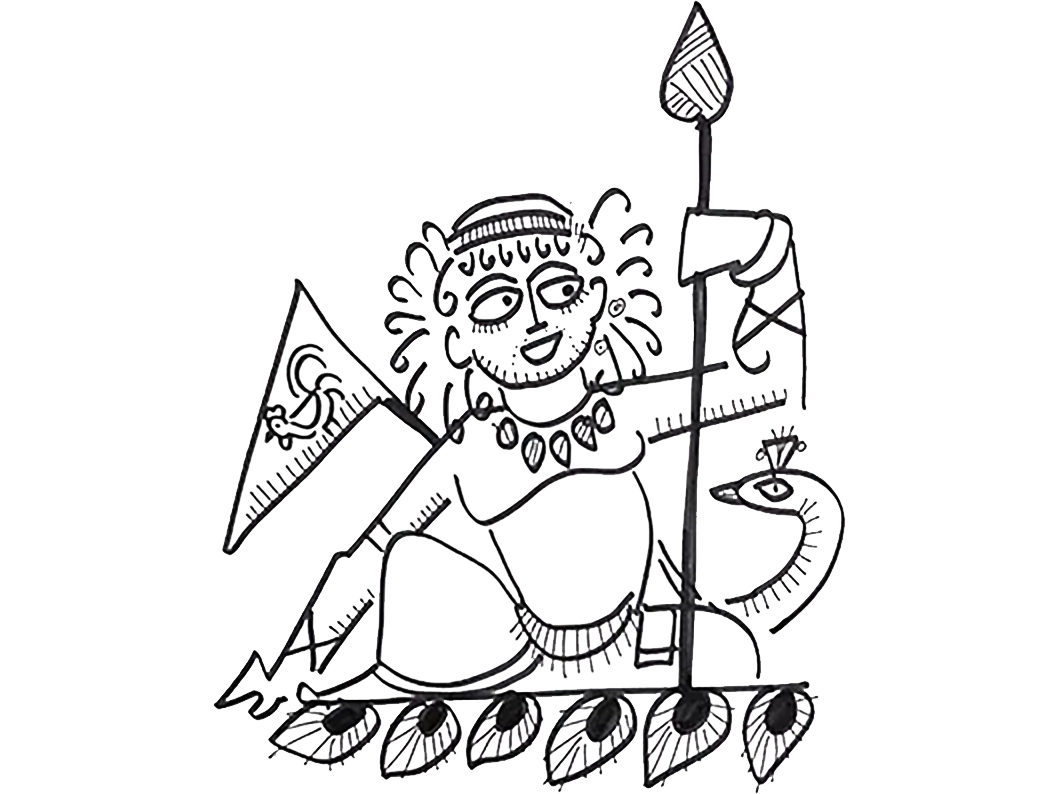
Kartikeya of Punjab, and the Southern Kartikeya
Kartikeya is no longer a widely worshipped deity in North India, but he remains extremely popular in Tamil Nadu, where he is venerated as Murugan, Subramanyam, or the bright jewel…