The Rajputs are warrior communities who thrived in the shadows of the Aravalli mountains and controlled the Thar Desert. Some even lived in the Punjab plains and Malwa plateau. They rose to prominence during the Mughal era, and scholars have long been trying to understand their emergence, as there is no real reference to Rajputs in Vedic literature or later Puranic literature. However, they have played a very important role in Indian history since the 10th century onwards, with their influence amplifying after the 15th century. Were they Sakas or Hunas who married local women? No one knows for sure.
The Rajputs themselves have many stories about their origin. Raghuvamsi Rajputs claim descent from the solar dynasty of kings. Chandella and Yaduvamshi Rajputs claim descent from lunar lines of kings. Then there are the Agni-kula or fire-born Rajputs. They came into being when the earth was troubled by anarchy in the absence of good kings. India was being invaded by barbarians—foreigners who did not respect the Vedas, did not protect cows or Brahmins, and therefore, everybody was invoking the gods. This was when a great fire sacrifice was held by the Seven Sages (sapta Rishi).
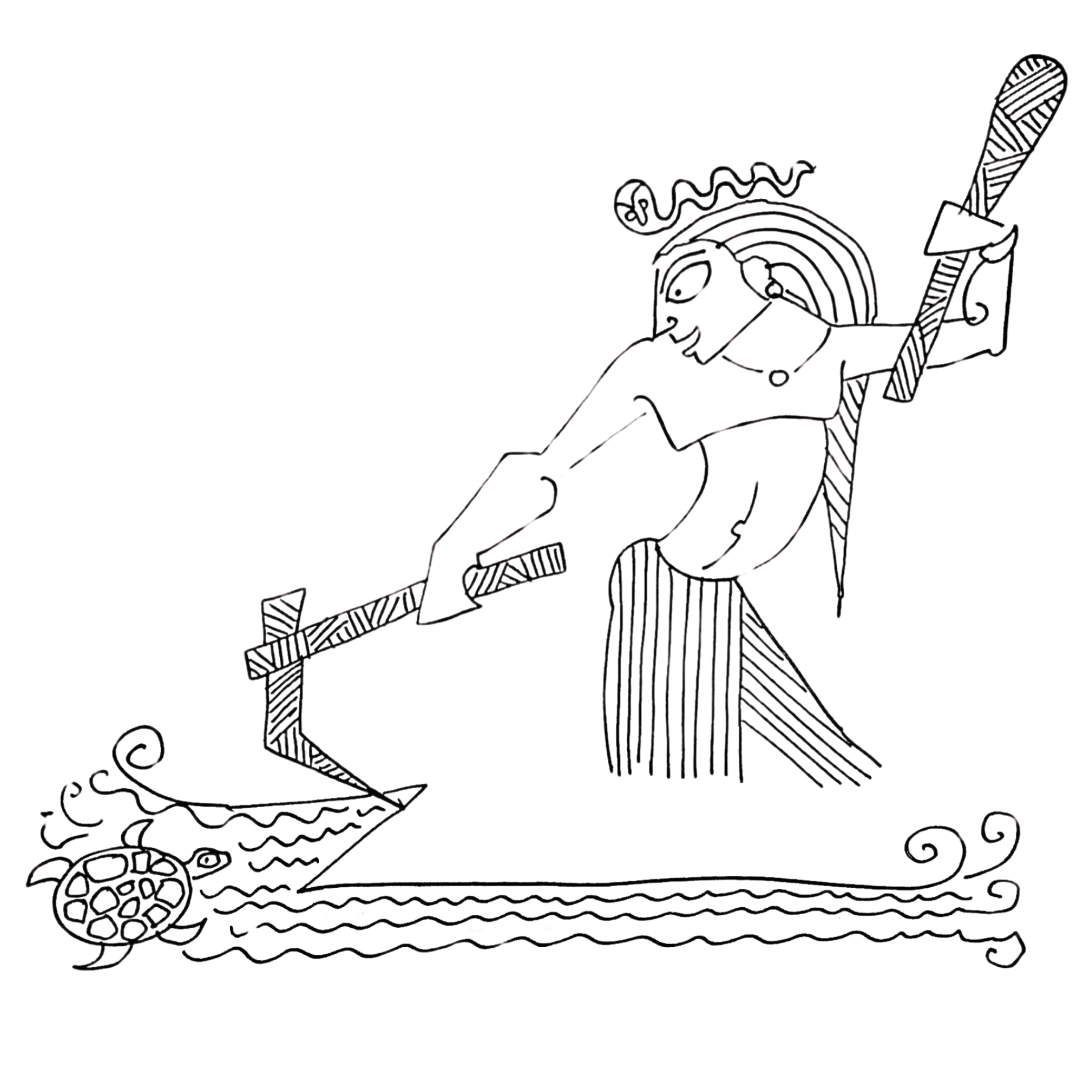
The story has several retellings and versions. According to one version, from the fire was born a warrior who defended the doorways to India and, therefore, came to be known as the great doorkeeper, or the Pratihara or Parihara. Another defeated the outsiders—Para Mara (para means outsider, mara means killer). So, the outsider-killer came to be known as the Paramara. Another had four arms, holding a bow, an arrow, an axe, and a sword, with which he defeated the invaders. He came to be known as the Chauhan—the four-handed one. From the hollow of the palm of the gods (chalu) came the Chalukyas, or the Solankis. These were the four great warrior communities.
In some stories, the Chalukyas come from Brahma’s palm, the four-armed warrior comes from the four-armed Vishnu, Indra is the killer of outsiders, and the doorkeeper is a form of Rudra. Still others the four clans of Rajputs come from four Vedas. These stories, which became popular around the 15th century AD and are told by wandering ascetics and minstrels, such as the Nagas, Jogis, Gosains, Bairagis, and other warrior ascetics of India, have very ancient roots.
These stories can be traced to earlier Tamil and Sanskrit lore. Tamil Sangam literature speaks of fire-born kings of the Pallava, Pandya, and Chera dynasties. Even before that, in the Ramayana and Mahabharata, there are stories of how a whole group of warriors emerge from the body of Vasishta’s celestial cow and protect themselves from Vishwamitra and his army. Then there is the story of Parashuram taking up his axe to kill the kings who tried to steal his father Jamadagni’s cows. Finally, there is the story of how Dhrishtadyumna and Draupadi are born of fire to avenge the humiliation of their father, Drupada.
The story of warriors emerging from the fire pit to protect the earth, cows, and sages of India clearly has its origins in these old Sanskrit stories, which have been repurposed for a different time. These oral traditions of warrior communities are often overlooked and not given the importance they deserve, but they play a key role in determining the origins of many Rajput clans.