For many people, the word djinn evokes the magical world of the Arabian Nights: genies emerging from lamps, granting wishes, carrying princes across deserts, and performing impossible feats. Thanks to stories such as Aladdin, the djinn entered global popular culture as a magical being ready to serve human desires. Yet the djinn of Islamic scripture is very different. In the Quran, jinn are not wish-granting spirits but a distinct creation of God, living alongside humanity in an unseen realm.
The Quran describes jinn as beings created from a “smokeless flame of fire,” while humans were created from clay and angels from light. The Arabic word jinn comes from a root meaning “hidden” or “concealed.” They inhabit a parallel dimension that humans generally cannot perceive. Unlike angels, they possess free will. They can choose faith or disbelief, obedience or rebellion.
Because they have free will, jinn are morally accountable. The Quran states that both humans and jinn were created to worship God and will face judgment after death. Some are righteous believers while others are wicked. An entire chapter of the Quran, Surah Al-Jinn, describes a group of jinn hearing the Prophet Muhammad recite the Quran. Moved by its message, they embraced Islam and returned to their communities to spread the faith.
One of the most important jinn in Islamic tradition is Iblis, often identified with Satan. The Quran explains that he was not a fallen angel but a jinn who became arrogant and refused God’s command to bow before Adam. His story illustrates the dangers of pride and disobedience.
The Quran also rejects several popular beliefs about jinn. It denies that they possess knowledge of the future. In one famous story, the jinn serving the Prophet Solomon continued their work after his death because they did not know he had died. Only when his staff decayed and his body fell did they discover the truth. The Quran also discourages people from seeking help, protection, or supernatural power from jinn.
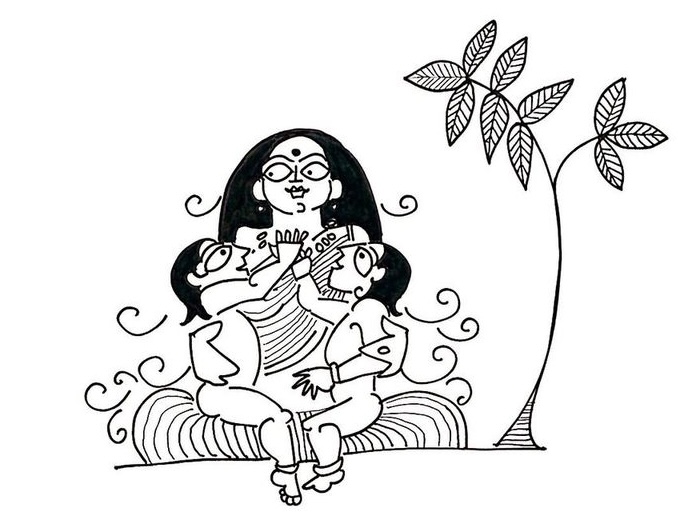
As Islam spread beyond Arabia, local traditions transformed the image of the djinn. In India, Islamic ideas merged with older beliefs about ghosts, nature spirits, bhoots, and pretas. Djinn came to be associated with abandoned ruins, graveyards, wells, rivers, and ancient trees. They were believed to shape-shift into animals or humans and to retaliate if disturbed. Djinn are said to be attracted to perfume and long hair. Parents frighten children with stories of jinn and ghosts. Protective amulets bearing sacred names are worn to ward off their influence. Large old trees decorated with threads or coins are often regarded as dwelling places of spirits and djinn.
The most famous center of djinn devotion in India is the fourteenth-century Firoz Shah Kotla fort in Delhi. Every Thursday, people of different faiths gather there carrying letters addressed to invisible djinn-saints known as Peer Babas. These letters describe financial troubles, court cases, illnesses, and family disputes. Devotees light candles, offer sweets, and seek help from the unseen residents of the ruins. When wishes are fulfilled, they often return with offerings of sweet rice or biryani.
Between theology and storytelling, the djinn remains one of the most enduring figures of the Islamic imagination.