Every age gets the Prithviraj Chauhan it needs. The contemporary Hindu nationalist imagination needs a martyr, the last defender of a civilisation, blinded but unbroken, killing the invader with a single arrow guided by sound alone. This is the Prithviraj of the Prithviraj Raso, enlarged and popularised through decades of retelling, and most recently installed on cinema screens via Akshay Kumar. But this image is a late construction. Long before the nationalist imagination got to work, two older traditions had already told very different stories about the same king, and neither of them had any use for a hero.
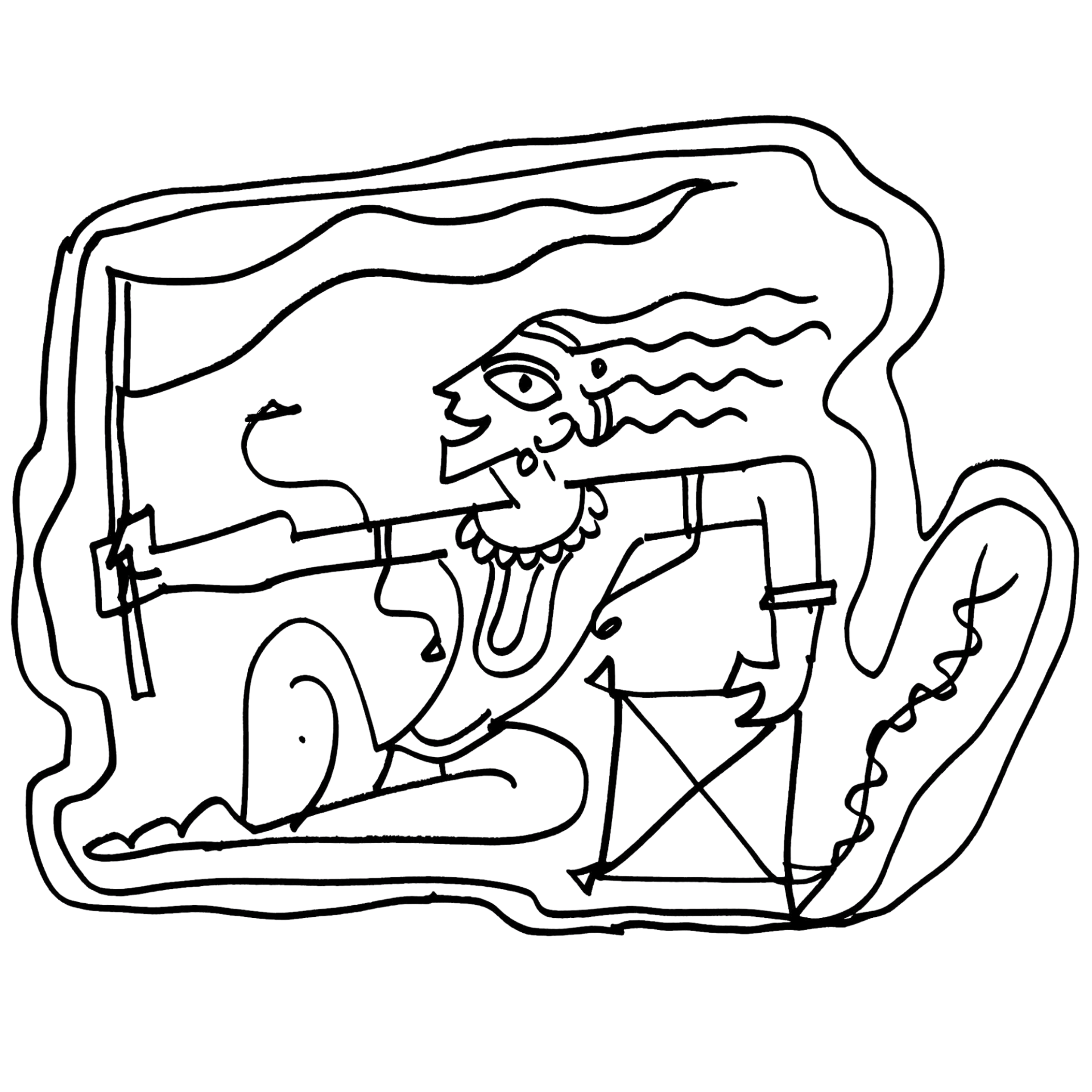
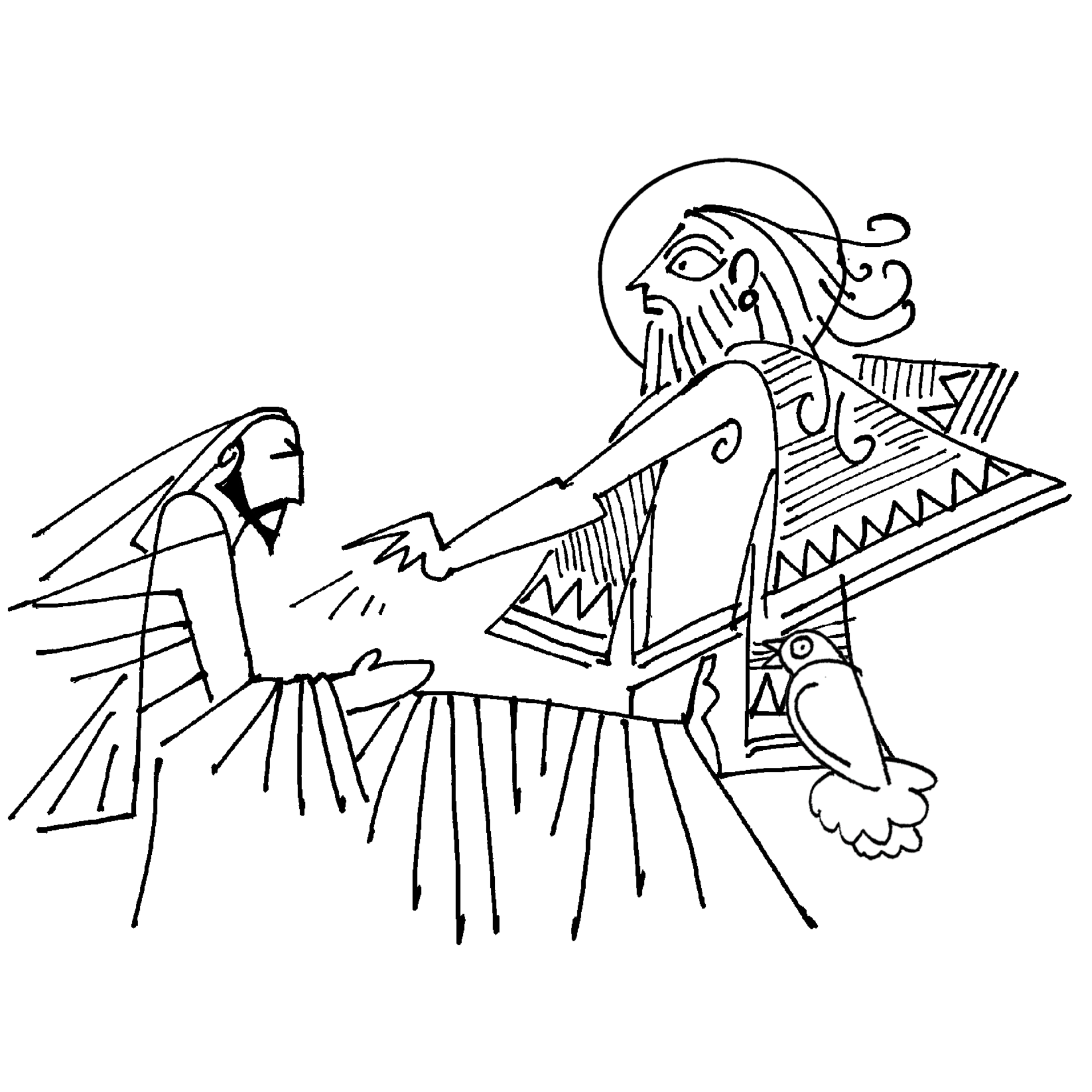
The Jain textual tradition, preserved in works like the Prabandha Cintamani and the Puratana Prabandha Sangraha, presents Prithviraj as a case study in failed kingship. He is not defeated by a superior enemy. He defeats himself. The recurring motif is sleep. In one account, he sleeps for ten consecutive days while his army is destroyed around him. In another, he is captured because he has eaten after a religious fast and fallen into too deep a slumber to be roused. These are not incidental details. In Jain frameworks of governance, the ideal king is one of disciplined senses, wakeful discernment, and careful attention to counsel. Prithviraj violates these norms. He cuts off a minister’s ears. He ignores loyal advisors. He shoots at a target and hits someone else. When imprisoned, he is tricked into shooting a metal statue of the Sultan, believing it to be the real man – the would-be avenger reduced to a blind archer fooled by a decoy. The Jain texts are not interested in Prithviraj as a religious or civilisational symbol. They are interested in him as a political warning. This is what happens when a king stops listening.
The Alha epic, sung across Bundelkhand and the Gangetic plains, offers a completely different problem with the same man. Here, Prithviraj is neither lethargic nor easily fooled. He is energetic, resolute, brave, and entirely villainous. The epic belongs to the Banaphar heroes, Alha and Udal, warriors of the Mahoba kingdom that Prithviraj crushed. From their perspective, the king of Delhi is an outside aggressor, an imperial bully, the reincarnation of Duryodhana. His defining characteristic is not sloth but arrogance, specifically, the arrogance of caste.
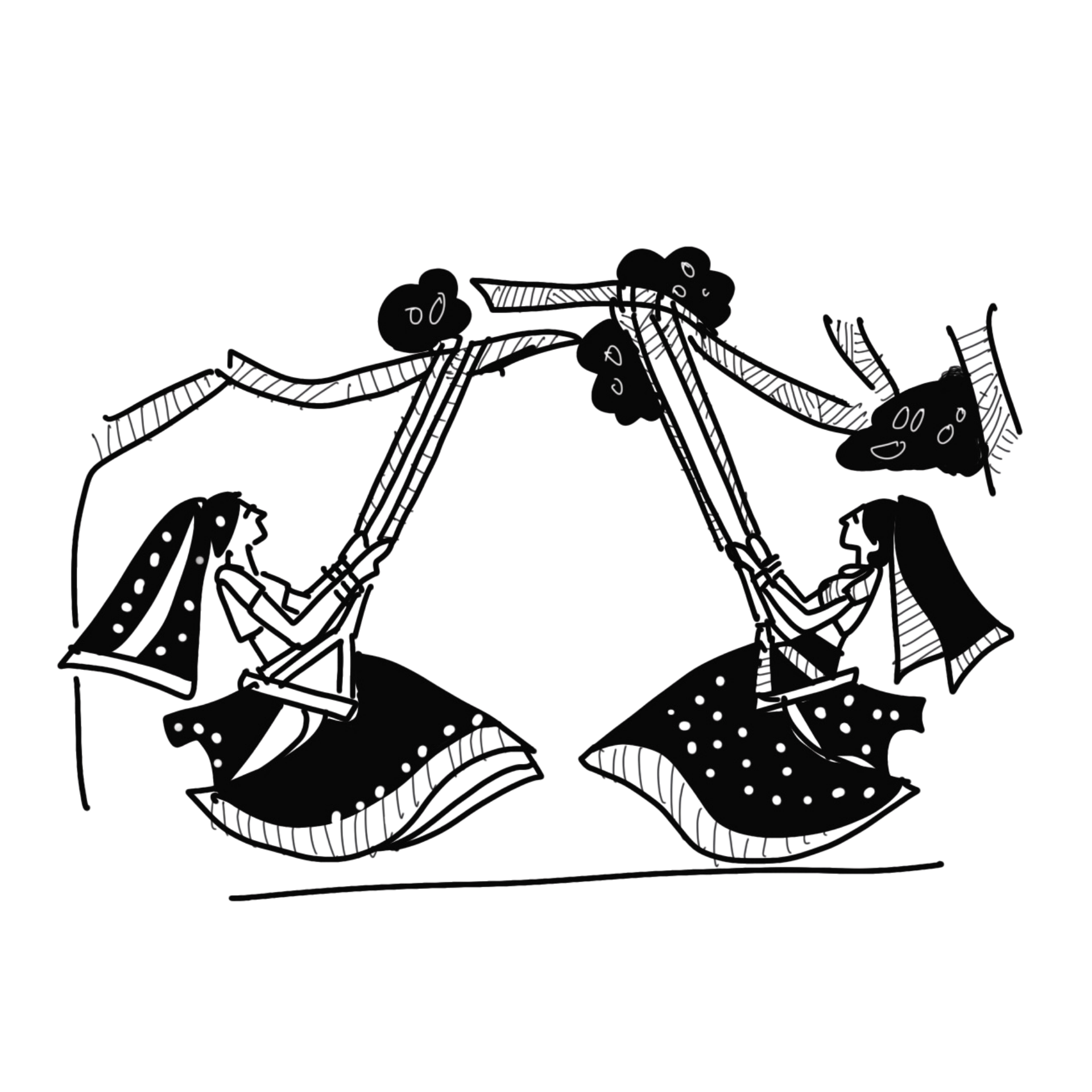
This is where the Alha tradition cuts deepest. Prithviraj’s contempt for the Banaphar heroes is explicitly caste contempt. He dismisses them as sons of Ahir mothers, cowherd-born, unfit to stand beside Rajputs. When his own daughter Bela dies, he refuses to allow Alha and Udal to light her funeral pyre – they are too low-born for that honour. Bela ignites it herself, with a flame from her own hair. The episode is devastating as social commentary. The highstatus king is so consumed by hierarchy that he cannot even grieve properly. His daughter burns herself rather than wait for his caste arithmetic to resolve.
What is striking is that despite their opposite portraits (the sleeping king versus the aggressive one, the incompetent archer versus the daring warrior), both traditions converge on certain damning details. Both record that Prithviraj captured the Sultan of Ghor multiple times and released him, whether seven times or twenty-two. Both insist that internal treachery was decisive in his final defeat: in the Jain texts, it is the ministers he mistreated who guide the Ghurid army to his camp; in the Alha, it is the character Mahil who engineers the betrayal. Neither tradition accepts the framing in Raso of a clean civilisational battle. Both suggest the defeat came from within.
This convergence matters more than the divergence. The Raso and its modern descendants need Prithviraj to have been brought down by overwhelming external force – only this preserves the martyr narrative. But the older, more grounded traditions, whether Jain scribal or subaltern oral, consistently locate the cause of failure inside the court, inside the character, inside the social structure. A king who will not listen to ministers, a king who will not honour warriors because of their mothers’ caste – these are not men felled by history. They are men who constructed their own collapse.
The Prithviraj that contemporary politics has built is a backward projection of entirely modern anxieties. The traditions that actually lived closest to the events recorded something more uncomfortable: a king undone not by the enemy at the gate but by the failures of the world he himself maintained.