
Mythologist | Author | Speaker | Illustrator

-
Articles
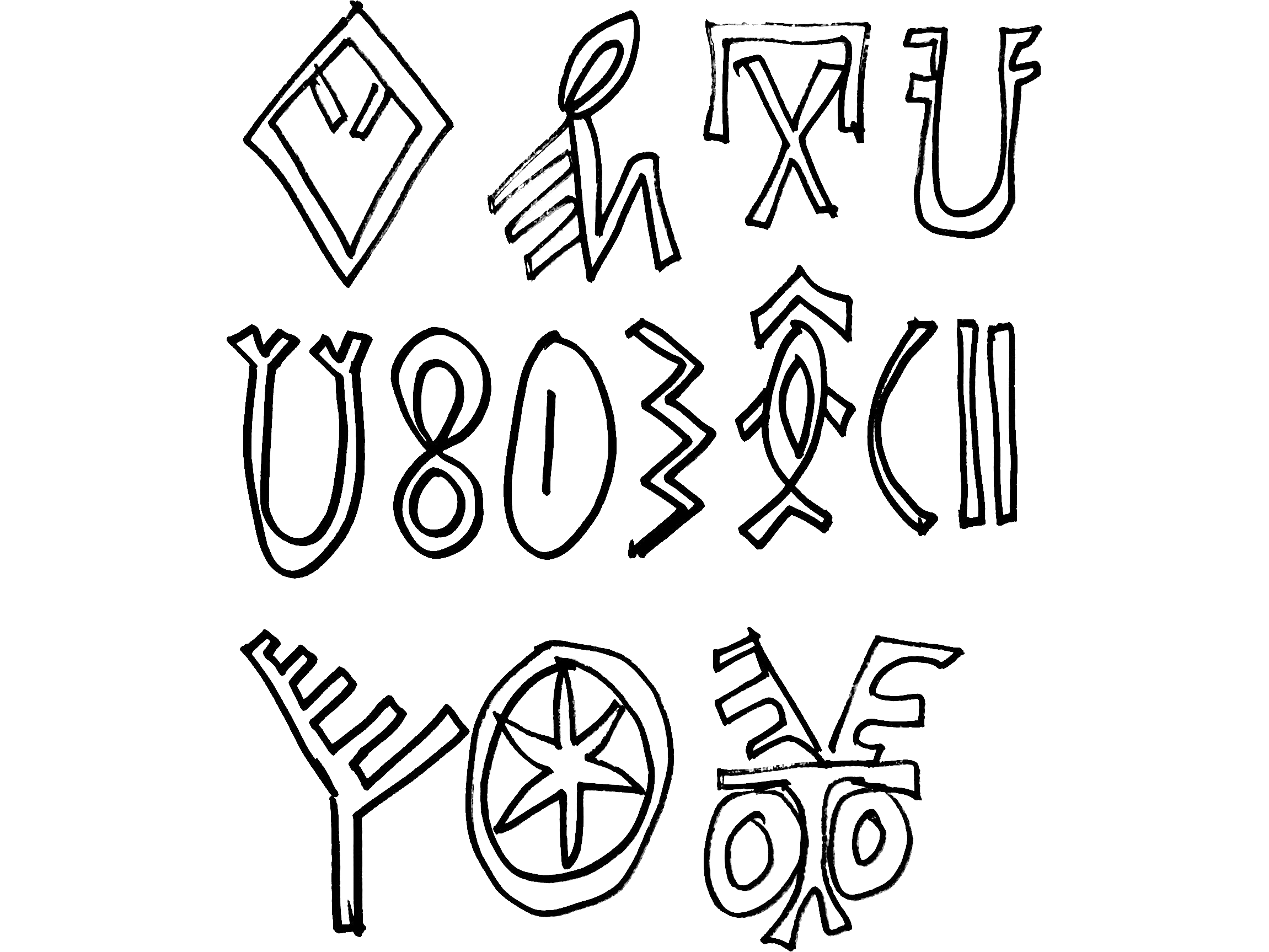
Rise of the Brahmi Script
The ancient Indian writing system or the Brahmi is unique in that it is an abugida – which falls between an alphabet (vowels and consonants are separate) and a syllabary (vowels and consonants are merged)…
-
Articles
From Sanskritisation to Backwardation
A century ago, many communities wanted to be recognised as Brahmins and Kshatriya. Today, the same groups want to be Other Backward Community (OBC). The old varna model (Brahmin, Kshatriya, Vaishya, Shudra, Ati-shudra or Pancham) is now replaced by a new categorisation (General, OBC, Scheduled Caste, Scheduled Tribe). …
-
Articles

Biblical Tales in the Puranas
The Bhavishya Purana imagines an India (Bharat-varsha) from the Himalayas to the sea, with the Indus or Sindhu-desha forming the main barrier between Arya-desha, land of civilised folk, and Mleccha-desha, land of barbarians…
-
Articles

Buddhas No One Talks About
There are seven Buddhas as per Sanchi Stupa, twenty-four and more as per the oldest Buddhist Sanskrit texts found barely two decades ago in Gandhara…
-
Articles
The Evolution of Mythology and History
If history is the objective study of the past, does that mean myths have no value? Can ancient traditions, which shaped the identities of civilisations for centuries, simply be dismissed as fiction?…
-
Articles
Identities In Conflict
Who you are depends on who you oppose. To have an identity, you have to take sides. Sitting on the fence is not allowed. Left or Right…
-
Articles

Forgotten Mandala Kingdoms
We remember this connection of Hinduism with Southeast Asia only when we realise that the airport in Bangkok is called Suvarnabhumi Airport and it is adorned with images of the churning of the ocean. But the gods and demons look so different — the serpent looks like a Chinese dragon. It has its own character.…
-
Articles

Cultural Significance of State Trees
Every state in India has a tree. Unfortunately, when you go to the various railway stations and airports in the capital city of each state, you do not find the state tree…
-
Articles
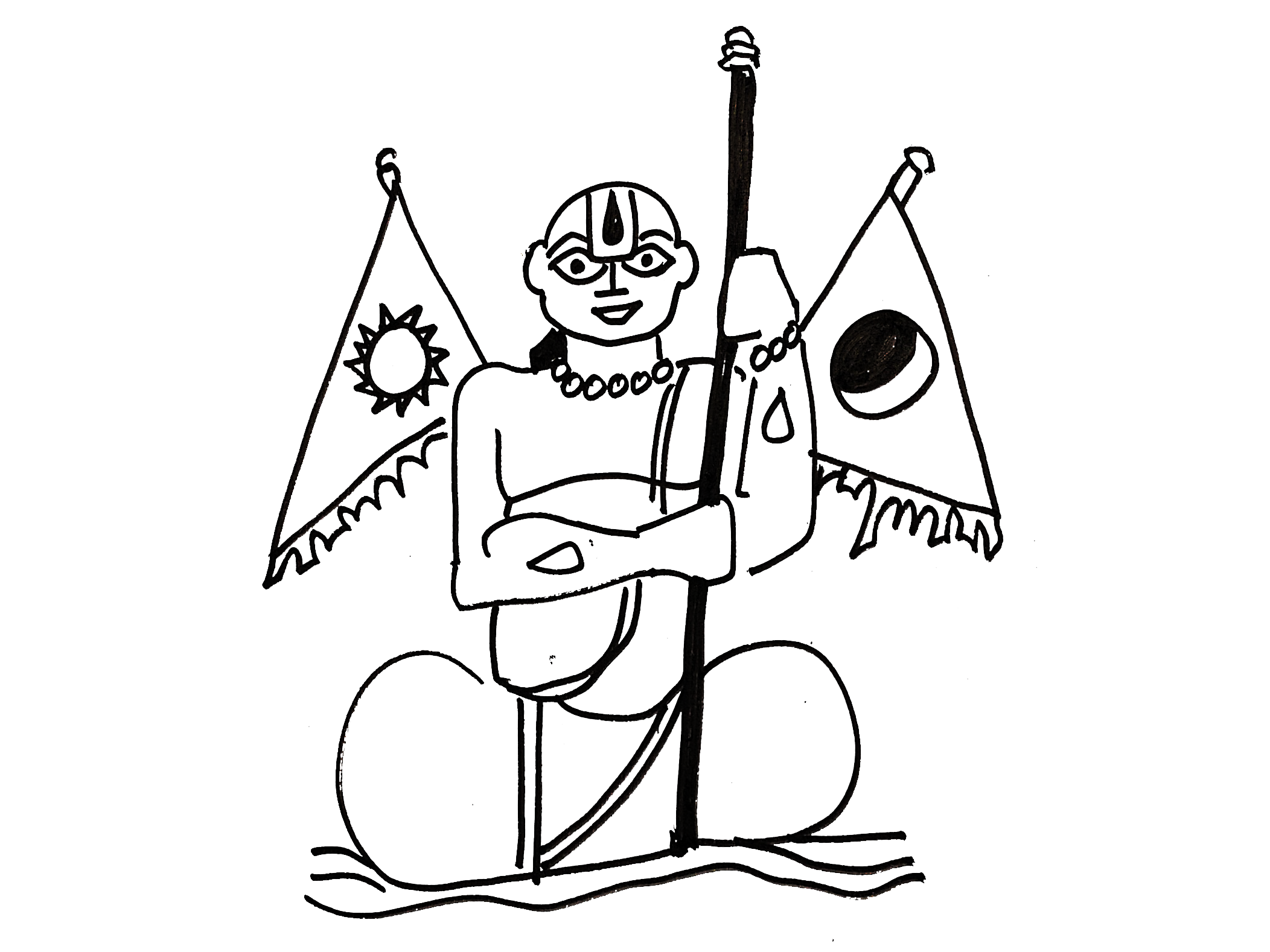
Men with Shaved Heads
According to legend, when Shankaracharya went to meet Brahmin scholar Mandan Mishra, around 700 AD, Mishra refused to look at him because his head was shaved. This is why the Shankaracharyas cover their heads with cloth even today, as shaven heads are still seen as symbols of bad luck and inauspiciousness…
-
Articles

Not Ready to ‘Tremble and Obey’
China was always centralised with the Dragon throne in Forbidden City seeking tributes from the rest of the world. India, by contrast, is based on the Mandala model, first described by Chanakya, a set of intersecting spheres of power that are endlessly pulsating, contracting and expanding over time. No centralisation…
-
Articles
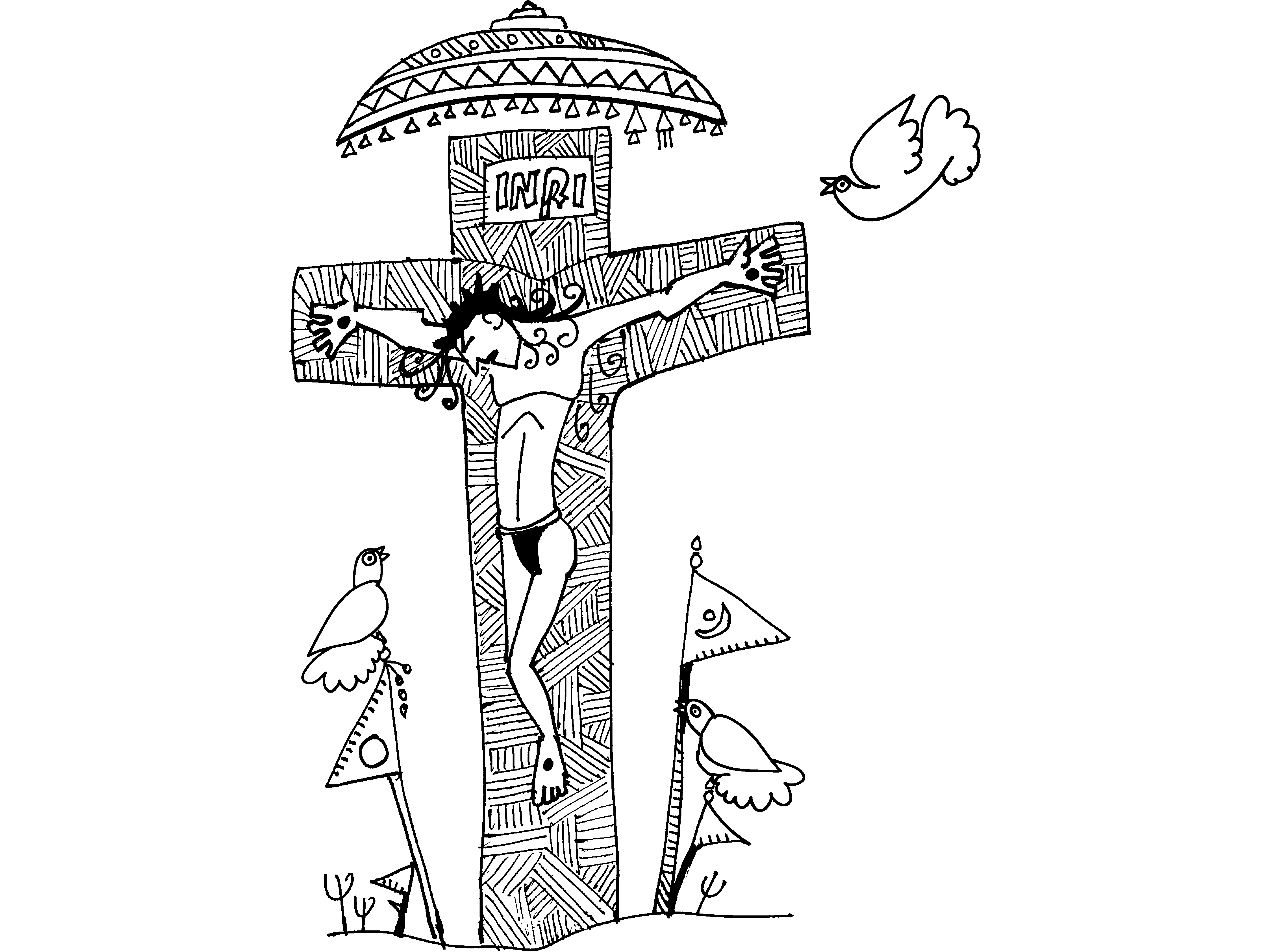
Papas and Politics
When we think of the Pope, we never think about the Roman Empire. We think of an avuncular religious leader, not a shrewd political leader…
-
Articles

From Rudra to Bholenath
Shiva, the ascetic form of the Hindu divine, has a long history. The Vedic Rudra (1000 BC) is distinct from the later Puranic Shiva (500 AD), who lives atop Mount Kailasa with his wife and children. The Vedic Rudra has a bow, not a trident. He shoots arrows at Prajapati Brahma. He destroys the yagna,…
-
Articles
A Thousand Buddhas
We have all heard how there is no one single Ramayana, there are many — 300 at least. But no one tells us there is not just one Buddha; that there are dozens, maybe thousands, perhaps even millions, as per the earliest Buddhist scriptures…
-
Articles
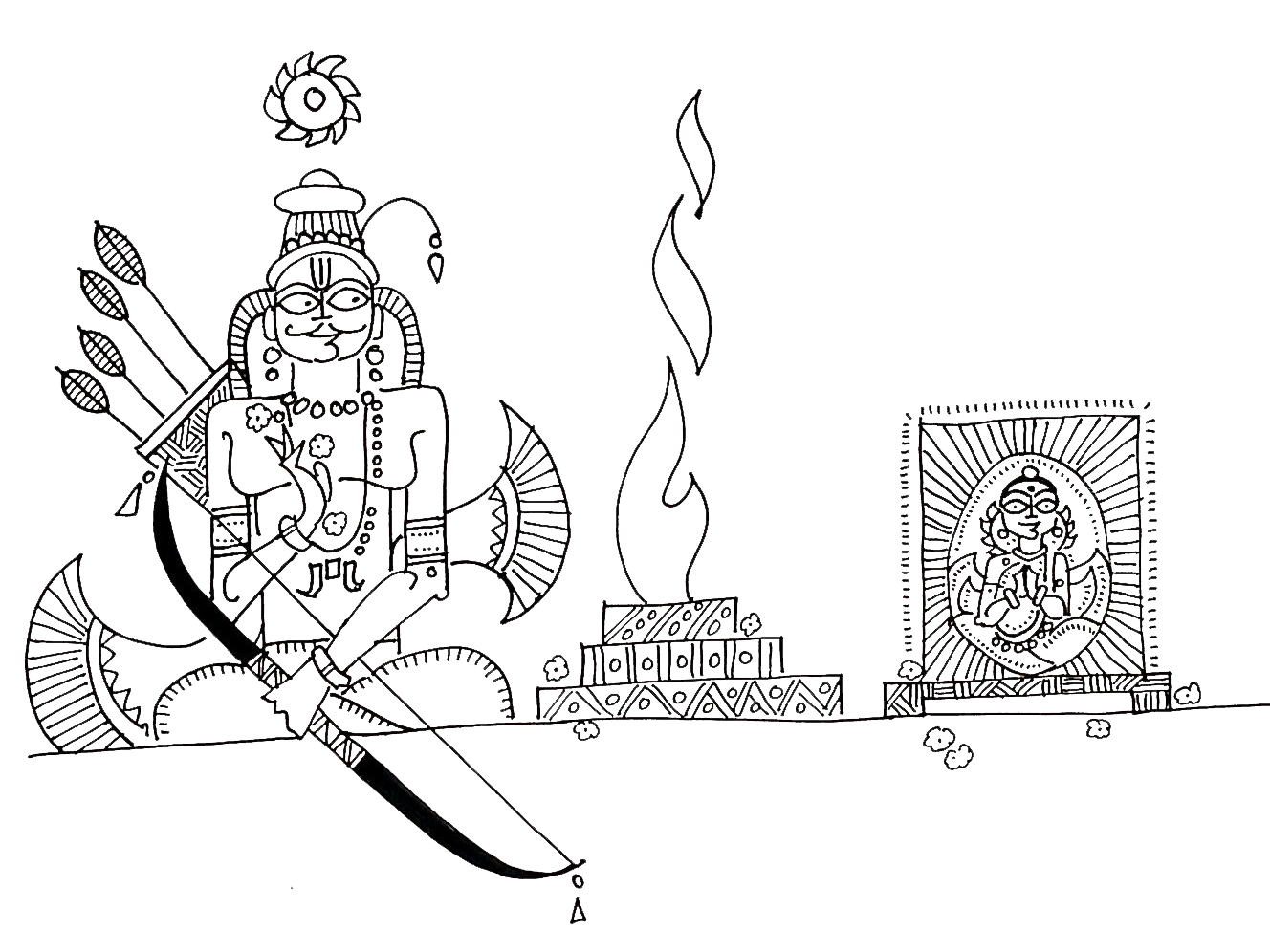
Layer Upon Layer of the Ramayana
Ramayana story exists in layers, capturing key transformations of Hindu society. …
-
Articles

Incomplete Marriages
Incomplete unions ensure the hero is not a monk, but married (auspicious) and also celibate (auspicious). His shrine can therefore be visited by women too…
-
Articles

Cultural Significance Of Elephant and Horse
The elephant and the horse have played a major role in shaping Indian culture. The elephant is native to India; the horse is not…