The Chinese emperor had a seal whose vermillion imprint said, ‘Tremble and Obey’. This imperial tone continues even if China today is a Communist state, run by the People’s Party. Like its medieval Great Wall meant to keep out nomads, it still has a firewall to filter out foreign ideas. China was always centralised with the Dragon throne in Forbidden City seeking tributes from the rest of the world. India, by contrast, is based on the Mandala model, first described by Chanakya, a set of intersecting spheres of power that are endlessly pulsating, contracting and expanding over time. No centralisation.
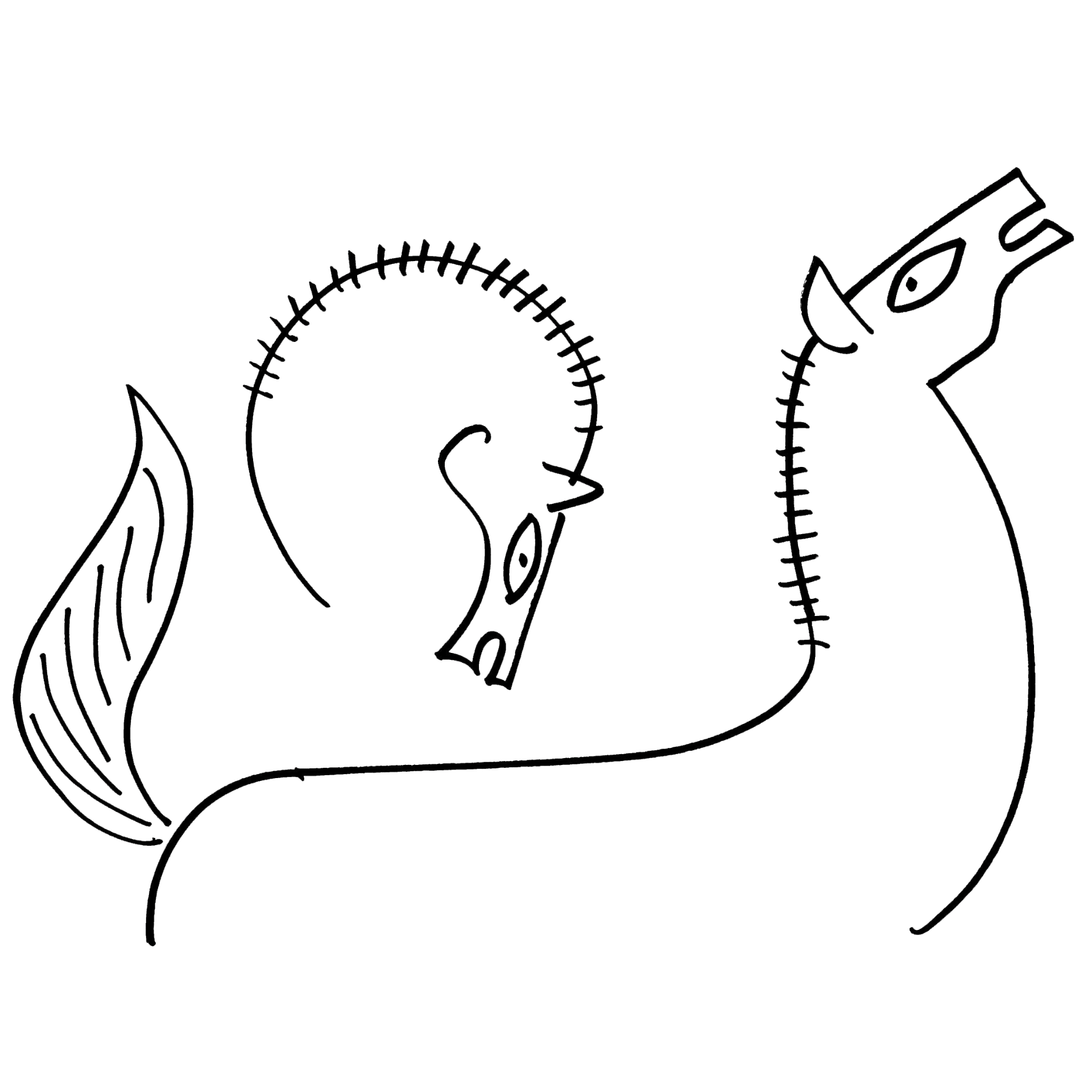
India came into contact with China around 2,200 years ago. This happened because the Chinese emperor was looking westwards, towards Central Asia, for fabulous horses. These horse-breeders of Central Asia loved Chinese silk. This enabled the creation of the silk road. Central Asia became the common link between India and China. From here came the horses for both ancient civilisations. From India went cotton, sugarcane and Buddhism.
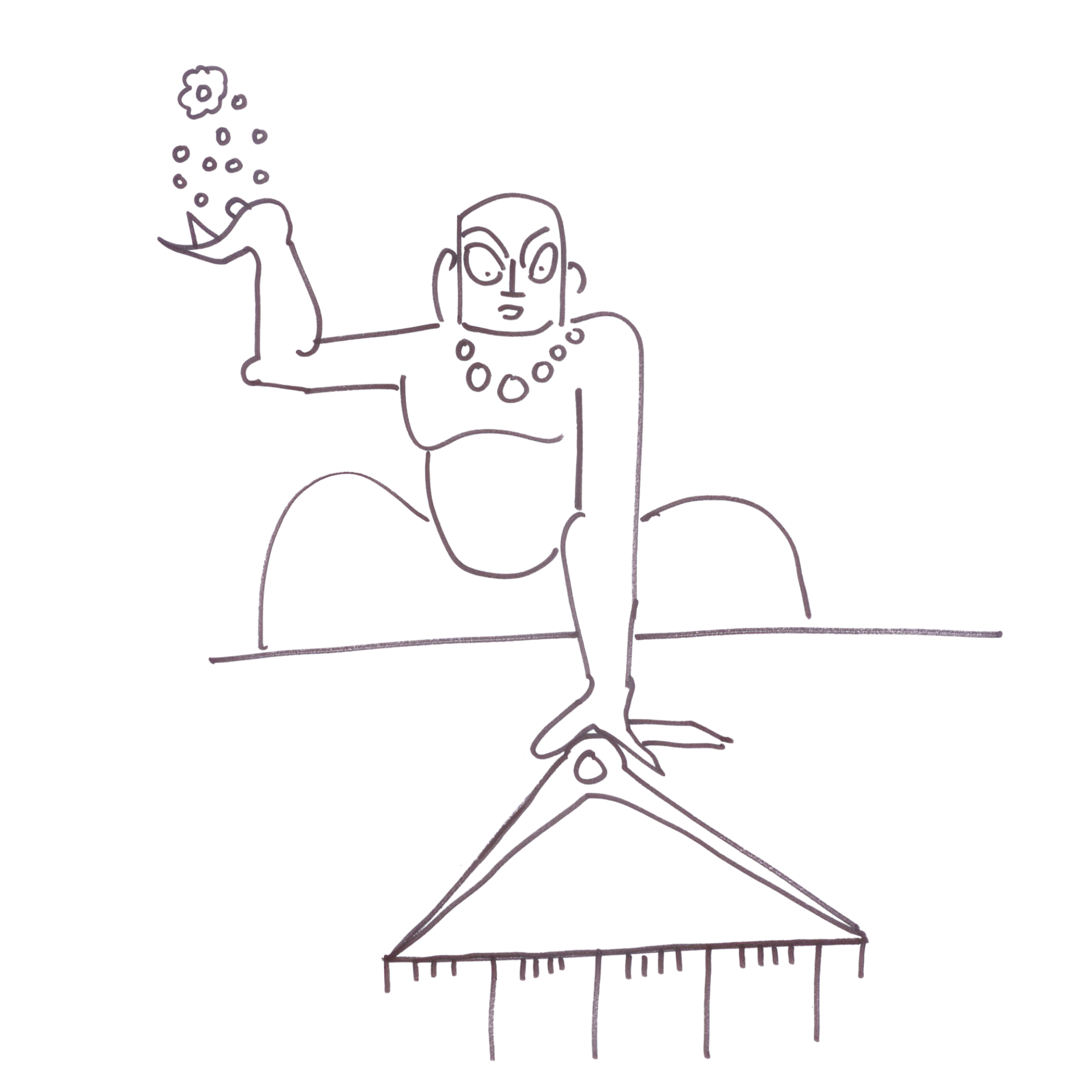
Around the 6th century, Buddhism was seen as a refreshing new idea that shook up the old Chinese way. Chinese monks came to India to learn from original Buddhist texts. But then, Buddhism took a very Chinese form. Giant images of the Buddha appeared in China, as imperious as the emperor. By the 10th century, the Chinese stopped seeing Buddha as originating from India. They had adapted Buddhism to suit their needs. The texts spoke of different Buddhas and different Buddha realms. And some belonged exclusively to China.
The Chinese thus have always opened up temporarily to outsiders for new ideas-horses and Buddhism being cases in point. But eventually the gates are closed, and dependence is replaced by independence, even domination. In the Chinese way, domination is an important idea. In any space, the juniors bow to the seniors, the women to the men, the students to the teacher, the young to the old, the children to the parents. There is no room for ambiguity. It is the language of the alpha. It was the Confucian way.
But to prevent exploitation, there was always a counterforce. This was the Daoist idea of yin-yang. Any idea taken to an extreme would create natural opposition, expressed visually by Taiji diagrams. If balance and harmony was not maintained the ‘Mandate of Heaven’ would be taken away from the emperor and given to another, maybe even foreigners. Foreign rule happened twice, once during Mongol times (Yuan dynasty century around 1300 AD) and then the Manchus (post 1600 AD). These foreign dynasties integrated Buddhist Tibet and Muslim Uyghurs into the Chinese landscape.
The Chinese have always been suspicious of radically different ideas. The Han way, a relatively homogenous cultural concept that evolved around 2,000 years ago, was the ideal way to keep people together. This involved common logographic script, common Confucian court culture, common Taoist metaphysics in matters of food and design, and alignment to dynastic chronology. Even Mongol and Manchu elites are now part of the Han fold. It is not genetic. Very different from the caste-based model of India, where access is blocked not by a physical wall but by creating a relationship wall: by prohibiting marriage with outsiders.
China, like India, was hit hard by industrialisation. The Europeans conquered the Mandala states of India realising that the Indian way (even after 600 years of Muslim rulers) involved endless negotiation and not compliance. Conquering China was tougher. They had walls to keep out foreigners. So the British flooded the markets with Indian-grown opium and took away their vast stocks of silver. China has never forgiven the world for the resulting ‘century of shame’. It reimagined itself with Communism, then with Capitalism, determined to get the world to tremble and obey once more.
The idea of domination is alien to the dharmic way, the arguments about Brahmanism notwithstanding made by generations of Marxist and westernised academicians. They miss the point. The dharmic way is about collaborating with different communities in different ecosystems, keeping Brahmins on top. It is what led to creation of circular Mandala states in the river valleys from South Asia to Southeast Asia. These states were eternally fragmented and competitive and collaborative, bound by a common story of solar and lunar kings. When Islam came it introduced a new way of thinking based on one god, and one king. But it soon succumbed to the Mandala model with multiple sultanates constantly negotiating with power.
Centralisation has never been an Indian idea. Mauryas never controlled the river basins of Godavari or Kaveri. Mughals controlled only North India. Half of British India was made up of princely states. Any attempt to standardise and centralise India is like trying to use chopsticks on a thali.