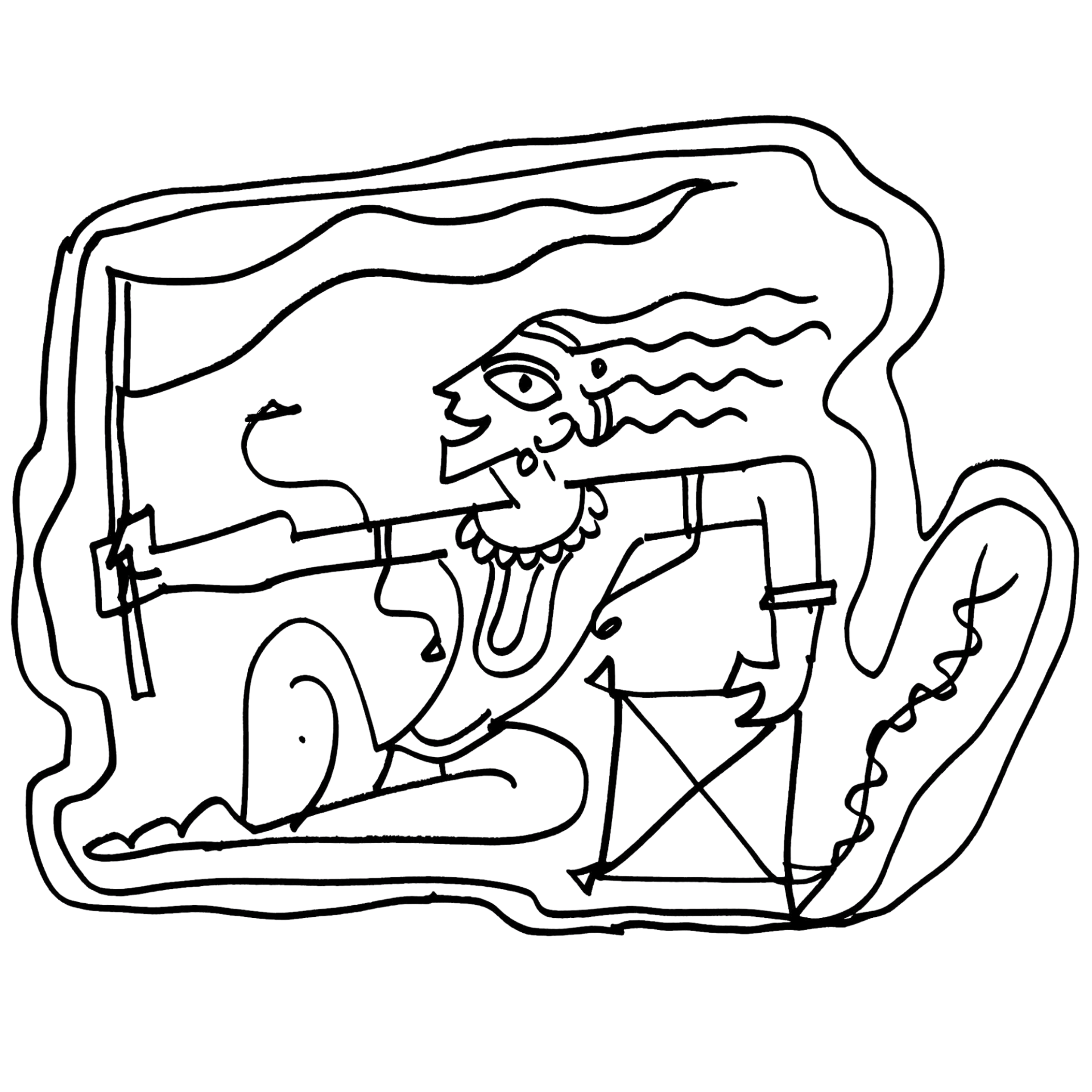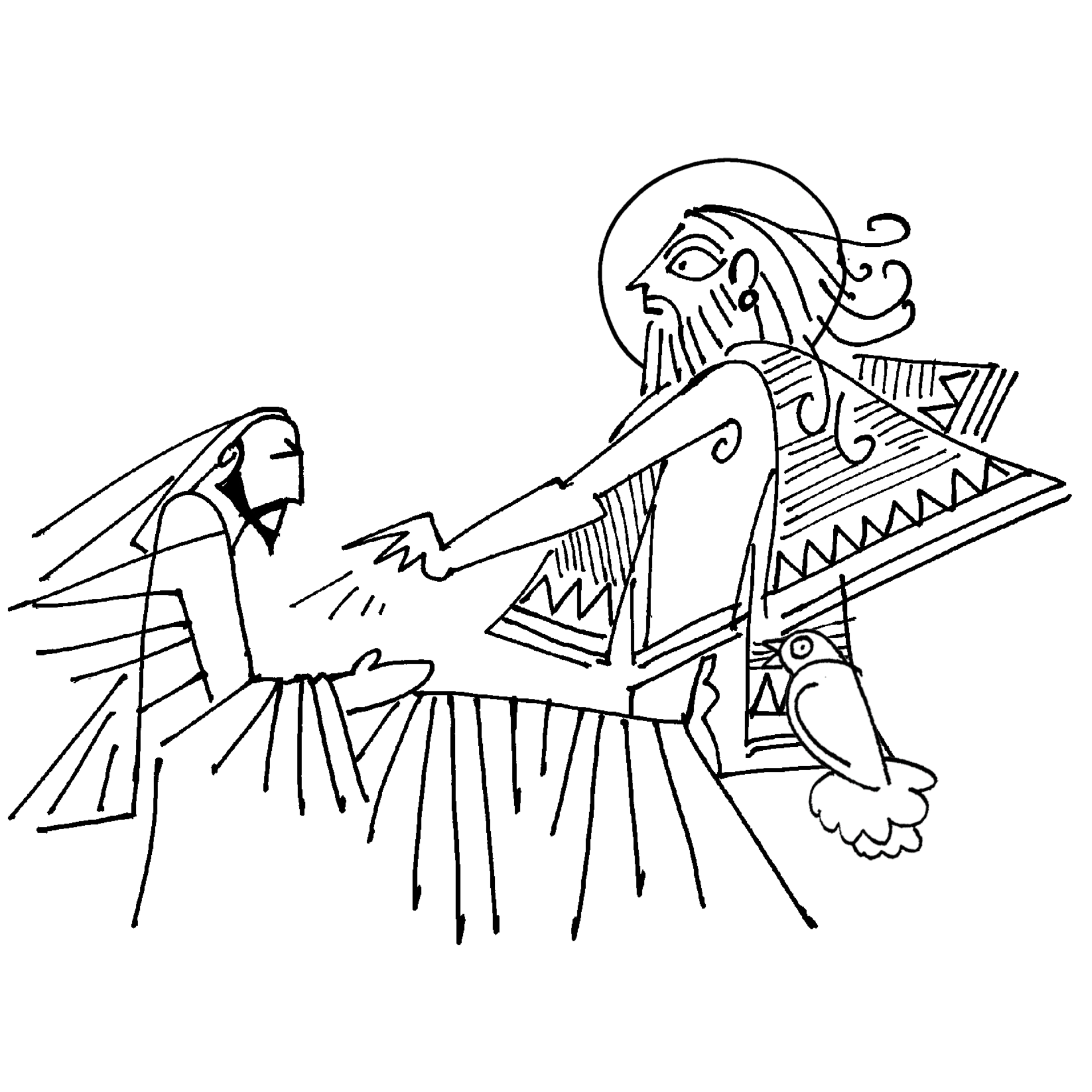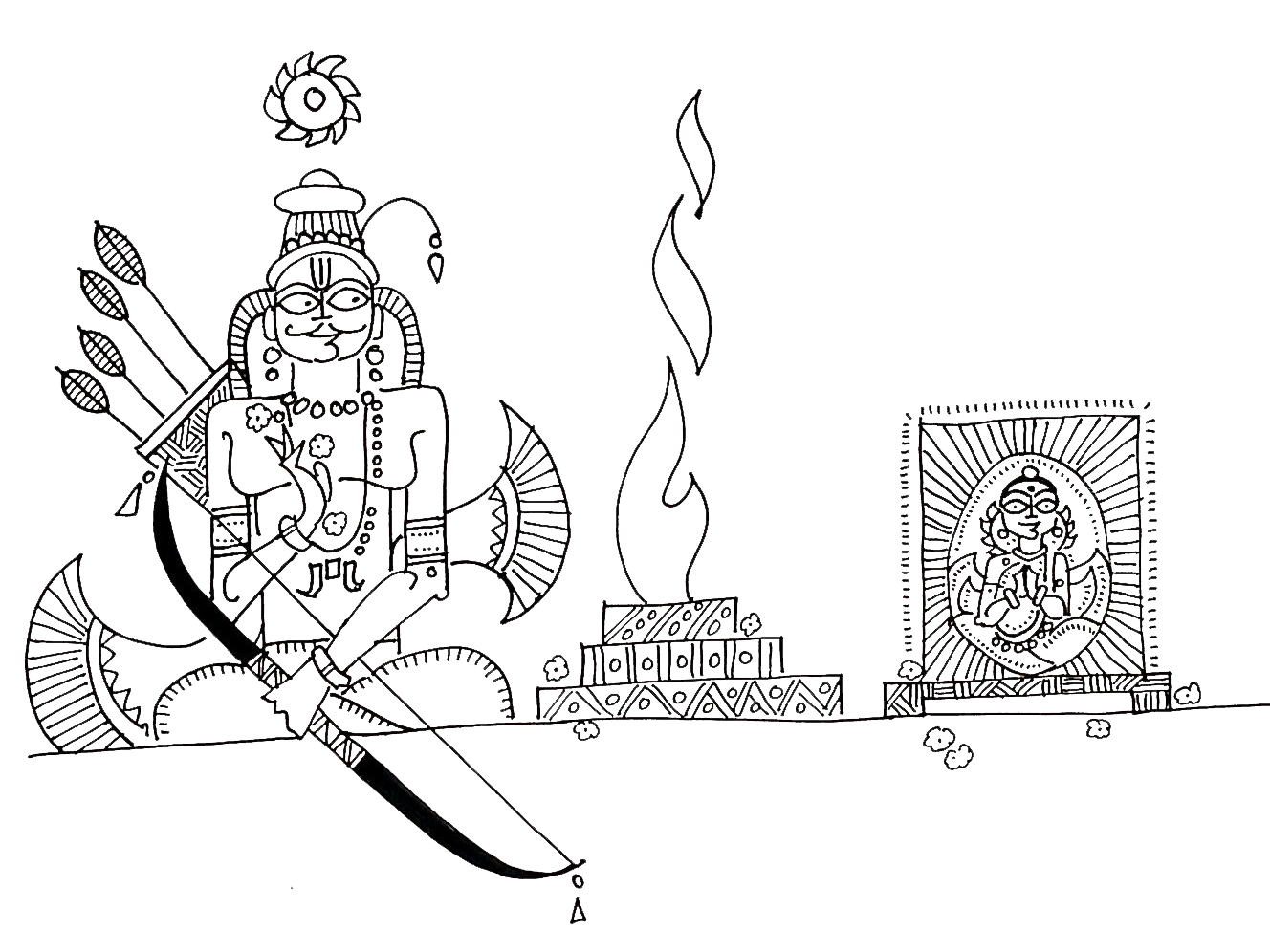
Ramayana story exists in layers, capturing key transformations of Hindu society. The story has no horse-riders, indicating the story is surely over 2500 years old. Ravana’s chariot is pulled by donkeys, indicating the story may be 3000 years old. But the manuscripts we have mentions Greeks and Scythians indicating the documentation happened 2000 years ago.
The oldest layer is a tale of a Kshatriya warrior who lives in the Ganga river basin, east of the Gandak river, who marries a woman from west of the Gandak river, and who ventures south into the dense Sal forests, near the Mahanadi river basin, where he encounters hostile tribes (rakshasa) and friendly tribes (vanara).
Sal (Shorea robusta) trees are found only in Northern Terai and East up to present-day Bengal, Chhattisgarh, Jharkhand and Odisha, not further south. This region is still called Mahasamud or Maha-samudra (great body of water), Dakshina Kosala and Paschima Lanka. In Odisha, there are still temples of Lankeshwari (guardian of Lanka) in Swarapur (golden city). The Gond kings of the region traced their descent to Pulatsya, Ravana’s paternal family. Ravana’s maternal family is called Salankatankata, rulers of the Sala forest. This may be a memory of the early Vedic period, before Ayodhya was renamed Shravasti and Saket, before Mithila merged with Vaishali, so long before Buddha’s time, maybe as early as 800 BC.
Next comes the layer that seeks to make him a Vedic hero, linked to Indra, who protects Brahmins, yagnas and cows. Ram is born with the help of Vedic yagna performed by Rishyashringa. Ram is linked with many Brahmin sages or Rishis, such as his tutors Vasishtha and Vishwamitra, and in the forest he encounters Bharadwaja and Agastya. Vedic gods participate in the tale. Hanuman is Vayu’s son, Sugriva is Surya’s son, Vali is Indra’s son, Nila is Agni’s son, Nala is Vishwakarma’s son, Jatayu’s in Aruni’s son.
Ashvaghosha, who lived around 100 AD, is familiar with the epic. The story mentions Ram’s signet ring which was first used by Indo-Greek kings in 100 BC. Ravana’s flying chariot has the image of Gajalakshmi and ihamriga (hybrid animals), first seen around Buddhist stupas of Bharhut, dated to 100 AD. The city of Lanka has krida-griha (stadiums) suggesting familiarity with the city of Nagarjunakonda, in Kaveri delta, built by Ikshavaku kings in 300 AD. There is familiarity with Varuni, Roman wine made of grapes that comes from across the sea.
Then comes the layer that seeks to link Ram with restraint, austerity, and Vishnu, the supreme divine being, who overshadows Indra. Stories of Shiva are included in the epic too. Ram is now the ideal king who creates Ram Rajya, that all kings should emulate. His story is complemented by Krishna, whose tale is told in the Mahabharata. Sita’s chastity gains paramount importance. Ram and Krishna images start being seen in early Gupta temples, appearing around 300 AD. Ram, meanwhile, comes to be seen as Bodhisattva by Buddhists, and as Baladeva by Jains.
Next comes the retelling of stories in various Sanskrit plays, where he is very heroic. In one play by Bhasa, Ravana takes the form of a Brahmin and tells Ram to offer deer meat as a funeral offering. In another play by Bhavabuti, Ram meets Sita at Vishwamitra’s ashram and falls in love. Carvings of Ramayana and Mahabharata start appearing in faraway Java islands and in Cambodia after 800 AD.
By 1000 AD, Sri Lanka was identified as Ravana’s Lanka and the Deccan region was identified as Sugriva’s Kishkihnda. Chola kings who fight Buddhist Sinhala kings for access to copper mines encourage the writing of Ramayana in Tamil, which is soon followed by retellings in Telugu, Kannada, Odia, Bengali and Assamese versions. Here begins the trend of seeing Ram less human and more divine, granting liberation to those who hear his tale.
In the Puranas, dated from 500 AD to 1500 AD, Ramayana starts having a Tantrik flavor, with Sita being identified with Kali, and Hanuman being viewed as an avatar of Rudra, defeating sorcerers like Mahi-ravana, overpowering malevolent astrological forces like Panoti, and even rescuing Ram and Lakshman. By 1200 AD, Rajput kings identified themselves in inscriptions as Ram fighting the temple-breaking Turk ‘rakshasa’ .
Finally the story has a Bhakti flavor and is seen as an allegory for Vedantic ideas. This happens after 1500 AD as Sufis pour into India. After 1700, as the Mughal empire started waning, Hindu kings started asserting their autonomy by establishing Raghunath Ram temples in places like Nashik, Kullu and Jammu.