
Mythologist | Author | Speaker | Illustrator

-
Articles
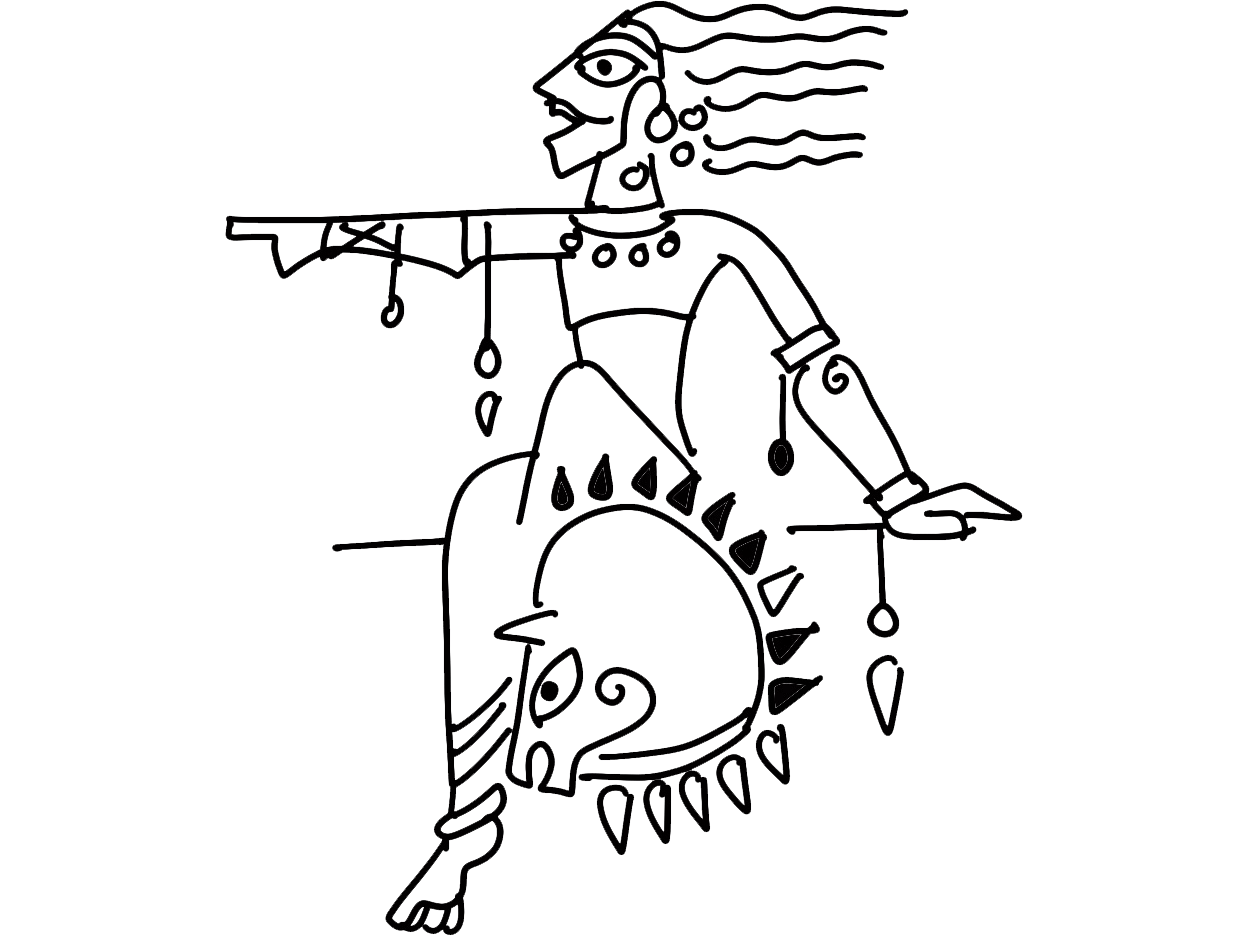
Horse Before Petrol
Horses cannot be bred easily in India because of the climate. Most of the land is taken up by farms; therefore, horses can only be bred in stalls. The hot and humid climate of the monsoon is unfavourable to horses. It softens their hooves and leeches the grass of selenium, a vital nutrient. The rich…
-
Articles
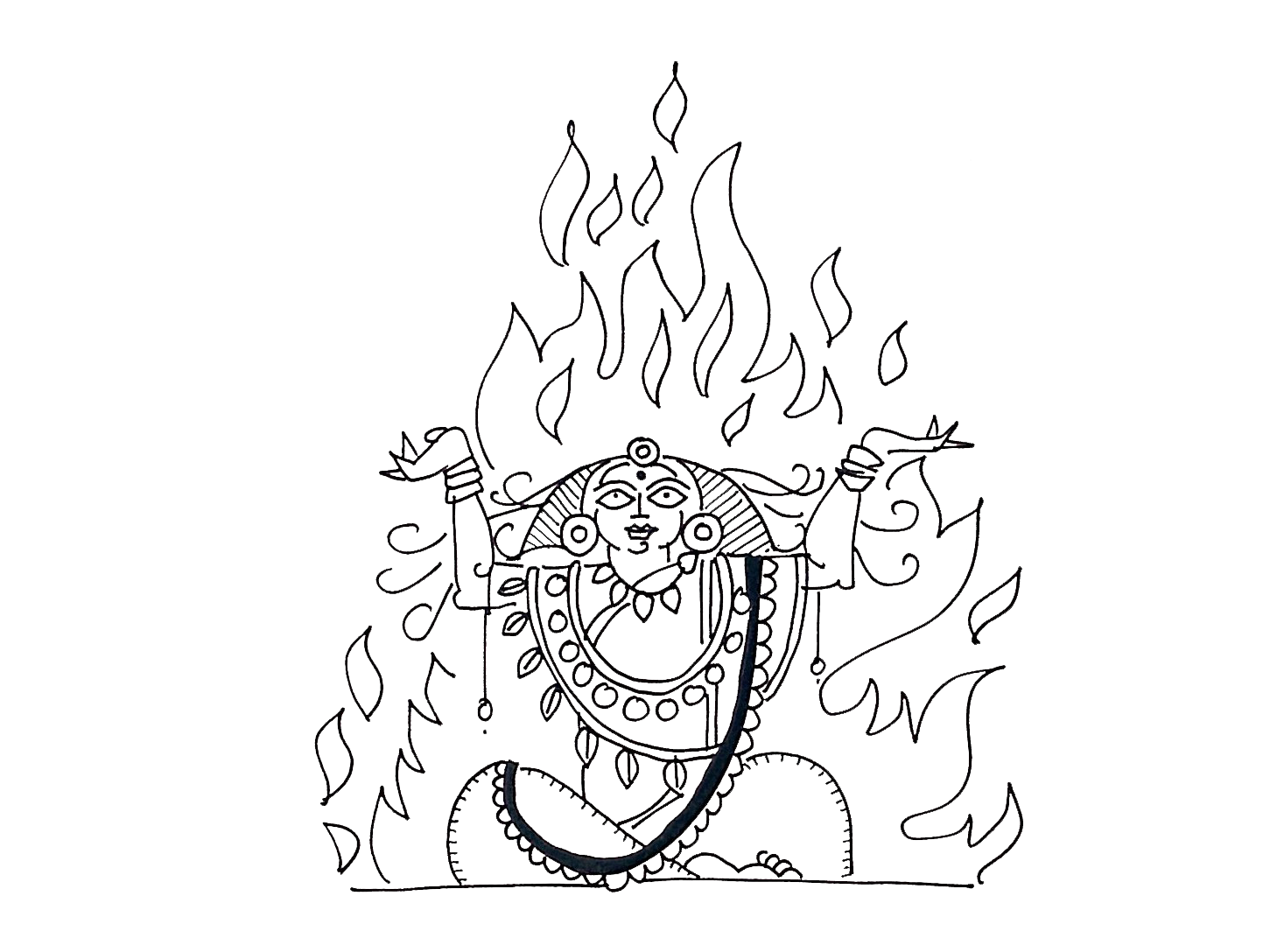
Hail the Fire Goddesses
While some have argued that these sati practices were a means by which women protected themselves from being violated by invaders, the fact remains that sati stones began to appear in almost every corner of India, at least five centuries before the rise of the Islamic period of India…
-
Articles
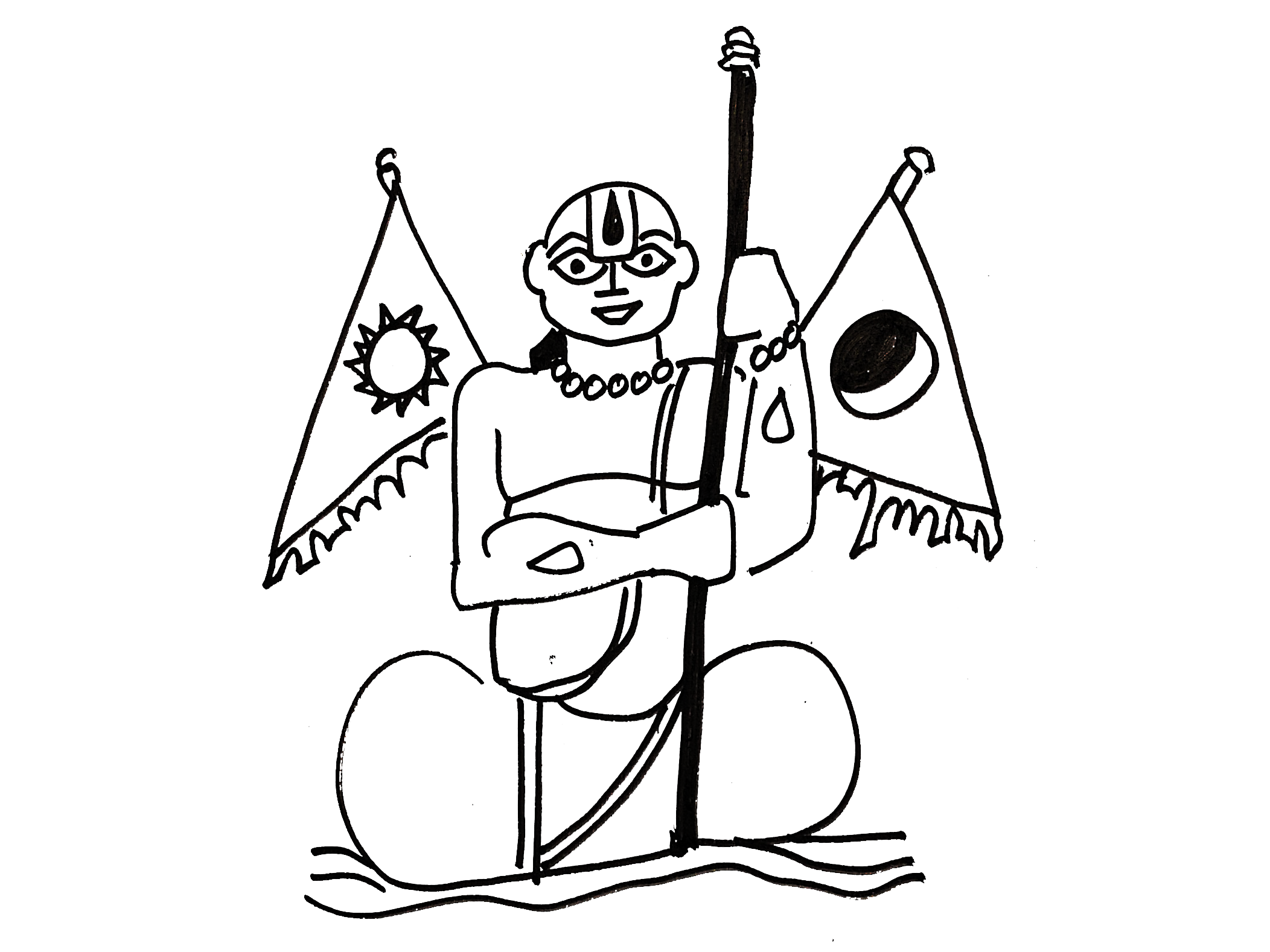
Buddhism, Jainism Within Brahmanism
As per conventional history, Jainism and Buddhism originated in India 2,500 years ago to challenge Vedic ritualism and casteism. Then, a thousand years ago, Buddhism was driven out by Brahmins, with a little help from invading Muslim warlords…
-
Articles
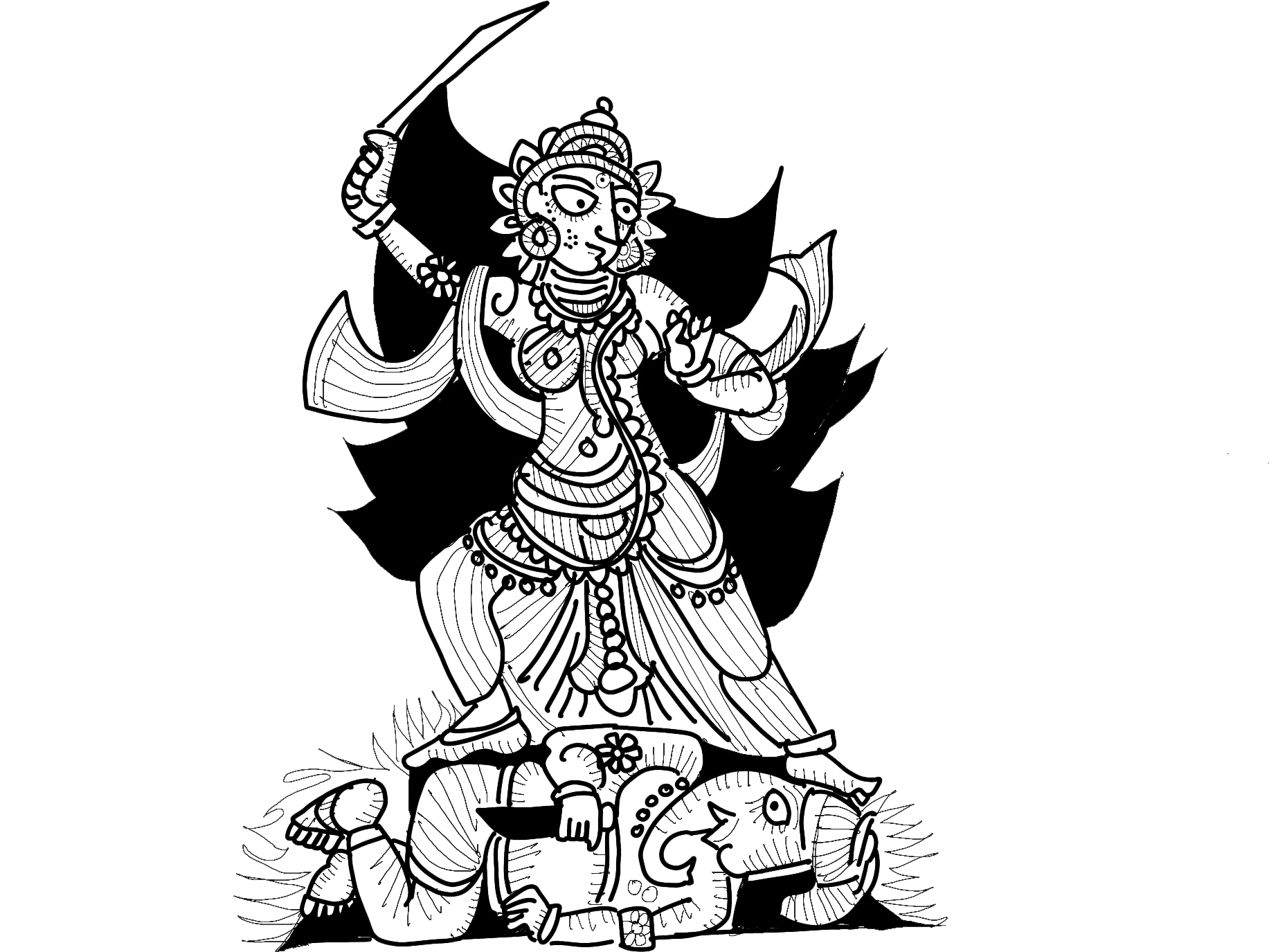
Whose Shrine Is It, Anyway?
Across India today, there is a movement to identify Hindu shrines that were broken by Muslims and replaced by mosques and dargahs. This is being done in the name of social justice—historical wrongs are being made right. However, the same enthusiasm is not seen when it comes to the Buddhist and Jain demands for the…
-
Articles

The Mercantile Side of Buddhism
When we talk about Buddhism, we often think of otherworldliness, yet the earliest grand architectures and sculptures in India were funded by Buddhist merchants. …
-
Articles

Secrets of Goddesses and Trees
Jamboo Savari is the great elephant procession of Mysore kings during the post-monsoon festival of Dussehra. Many people think Jamboo or Jambi comes from the word “jumbo” which means “extra large” and was the name of a large African elephant imported to Victorian England…
-
Articles

How Mythology Impacts Notions of Social Justice
It is important to understand how mythology impacts our notions of social justice. Modern social justice has its roots in monotheism, not in atheism…
-
Articles
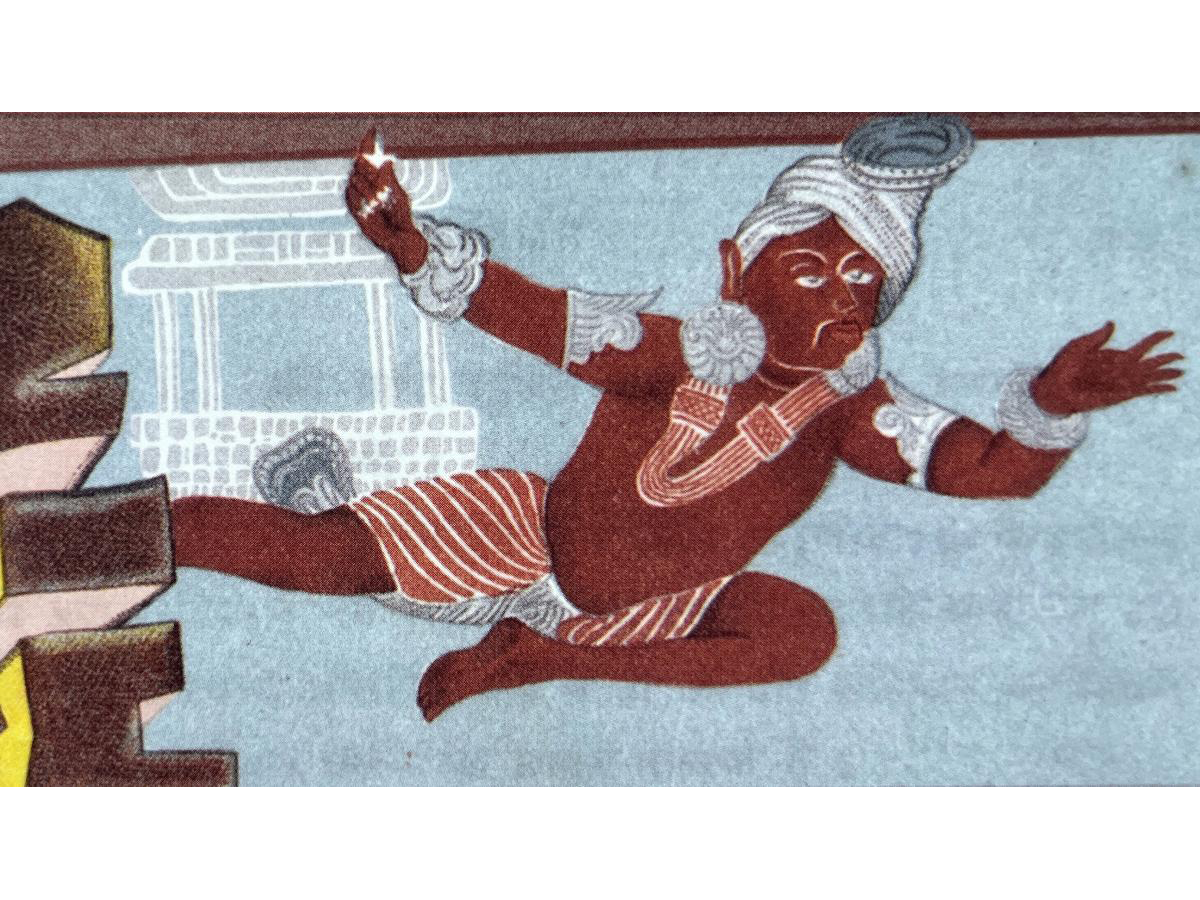
Kubera, the Refugee From Lanka
When the Constitution of India was first published, over 75 years ago, it included many artworks. Amongst them was one showing Kubera, Ravana’s brother and the king of wealth and yakshas (nature spirits), fleeing from Lanka. It is often mistaken for Hanuman burning Lanka, but there are no flames of a burning city or a…
-
Articles

ASAP In Eternal Time
ASAP is a popular acronym for ‘as soon as possible’. But more often than not it is used to mean ‘immediately’ in corporate circles. In political, bureaucratic and judicial circles, it depends on the relationship of the beneficiary and the benefactor…
-
Articles

The Many Horse Invaders of India
India has been invaded several times, for over 3,000 years, by horse-breeding tribes from the steppes, grasslands north of the Himalayas, the last of whom were the Mughals, and the Mughals came only 500 years ago…
-
Articles

Stories of How India Connected East and West
The Indian subcontinent is located right in the center of the world if we see Europe and America as the West and China and Japan as the East…
-
Articles
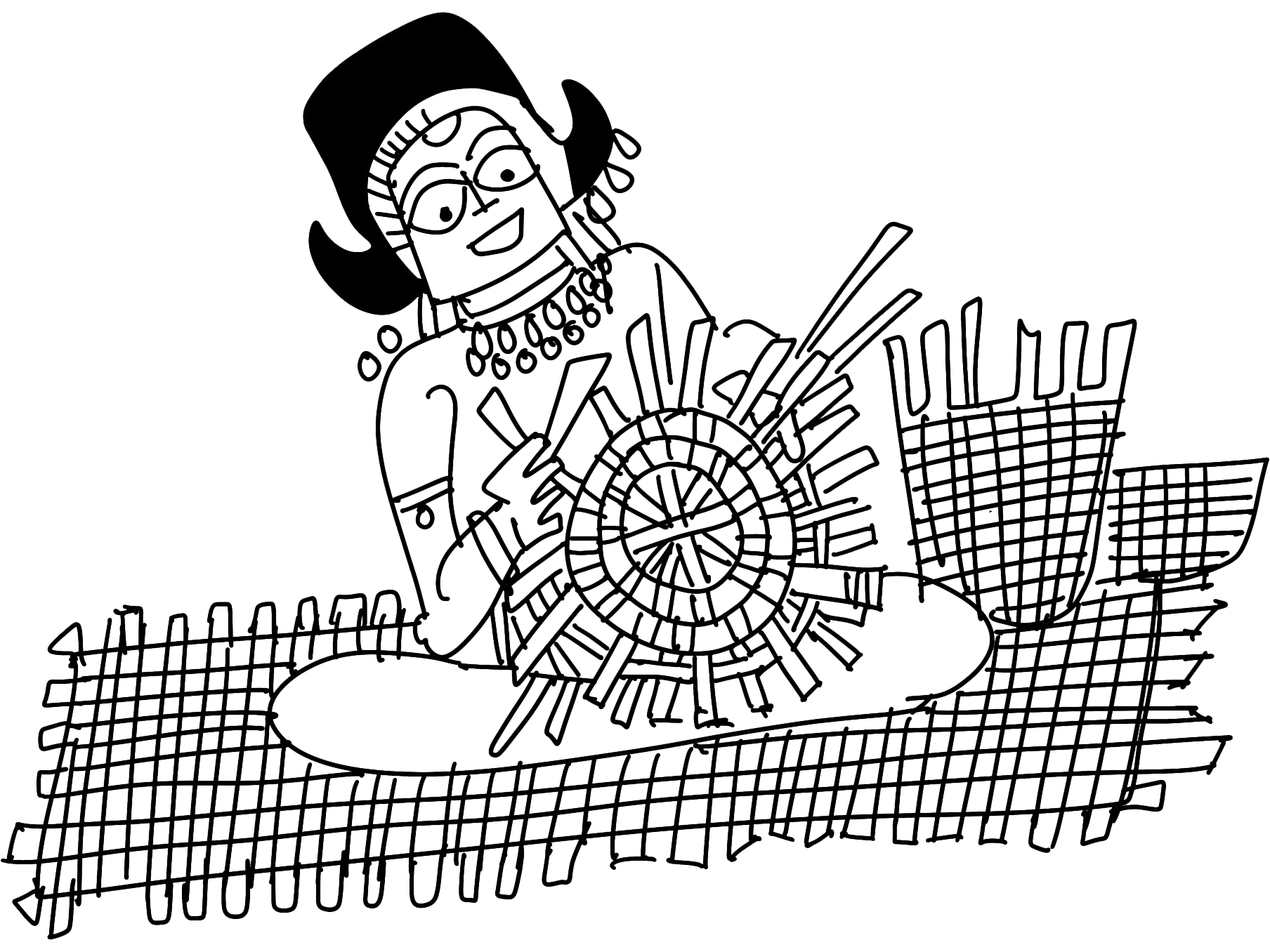
12 Children In 12 Castes
Caste (jati) is a reality in India. People in India for at least 1500 years could not change vocation or marry outside caste. This led to social stagnation…
-
Articles

Akbar the Jogi
Depending on the perspective, Akbar’s behaviour was explained as either the result of his being a Hindu sage in a previous life or as the outcome of him being tricked and brainwashed by sorcerers, or being a pragmatic king who saw the value of collaboration and communal harmony…
-
Articles
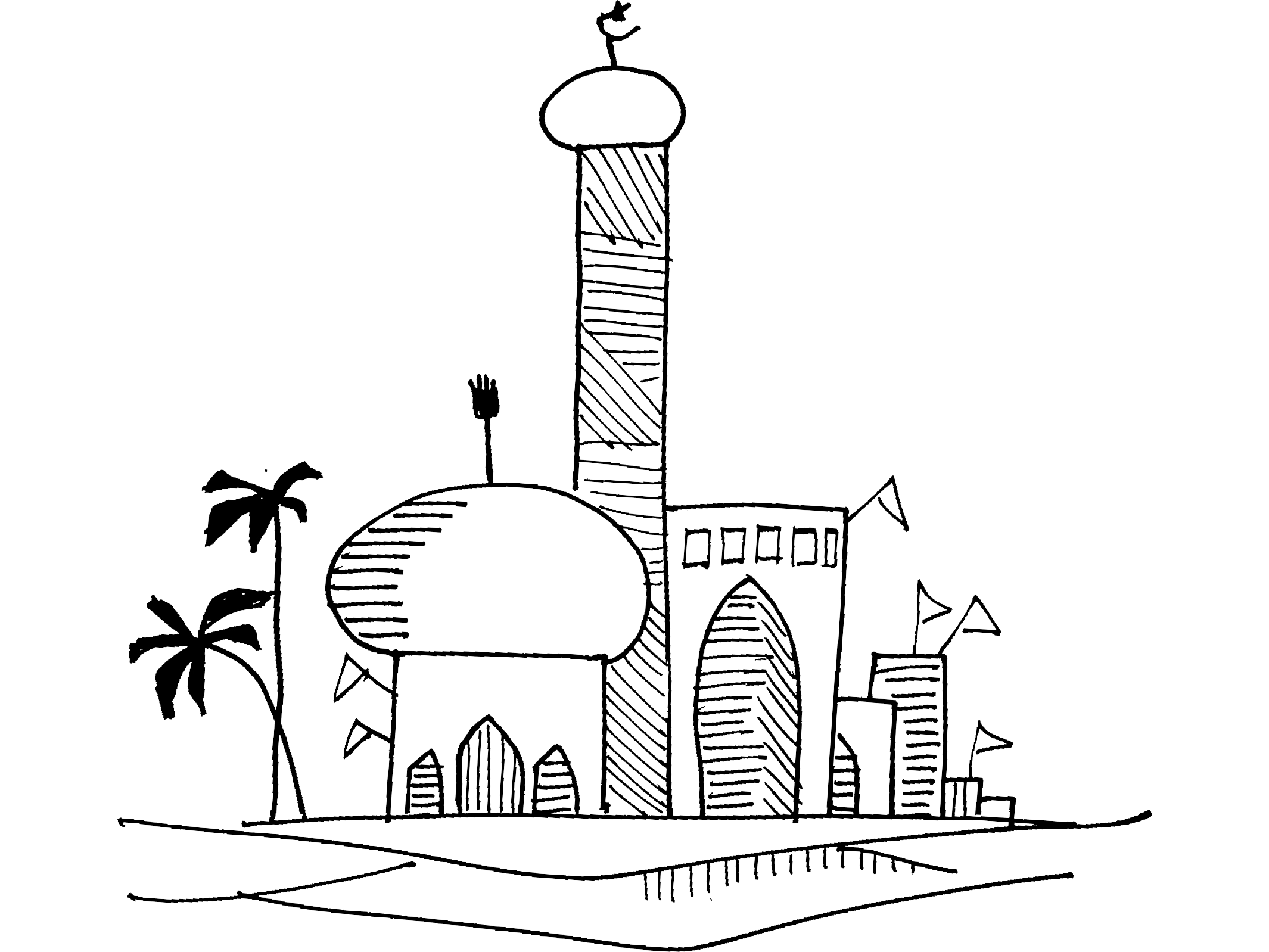
Sultan, Badshah and Shahenshah: What These Titles Say About India’s Muslim Rulers
Politicians usually refer to the Islamic period (1000 to 1800) as the Mughal period (1500-1800), but that is not quite correct…
-
Articles
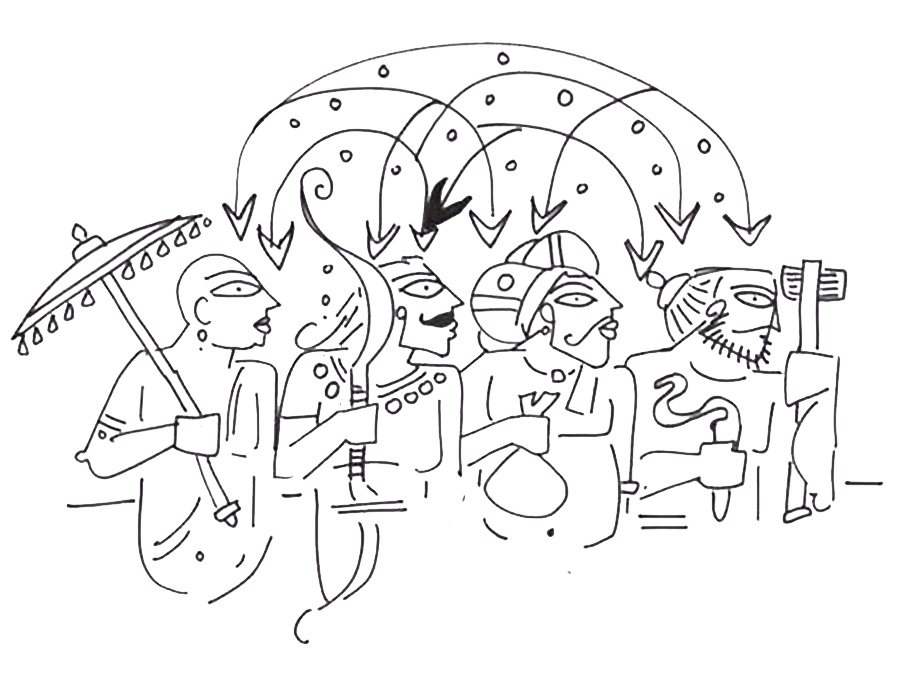
The Chatur-varna System of Punjab
Despite their military support, Jats were seen inferior by Brahmins, Rajputs and Khatris, as they practiced a form of widow remarriage (chadar chadhana) and refused to indulge in widow burning (Sati) valorised in royal and martial communities…
-
Articles

Royal Ram Hunted Deer, Not Lions
Ram of the Ramayana is a great archer but he is never depicted in art or story as hunting lions or tigers. That is strange, considering his royal status. …