Caste (jati) is a reality in India. People in India for at least 1500 years could not change vocation or marry outside caste. This led to social stagnation. Unspoken was the concept of “touchability”. Some castes were seen too low to even touch. Reservation policies of modern governments can bring social mobility, break caste barriers, but they cannot remove hierarchy of purity, a mental construct. The following story questions the idea of genes and merit.
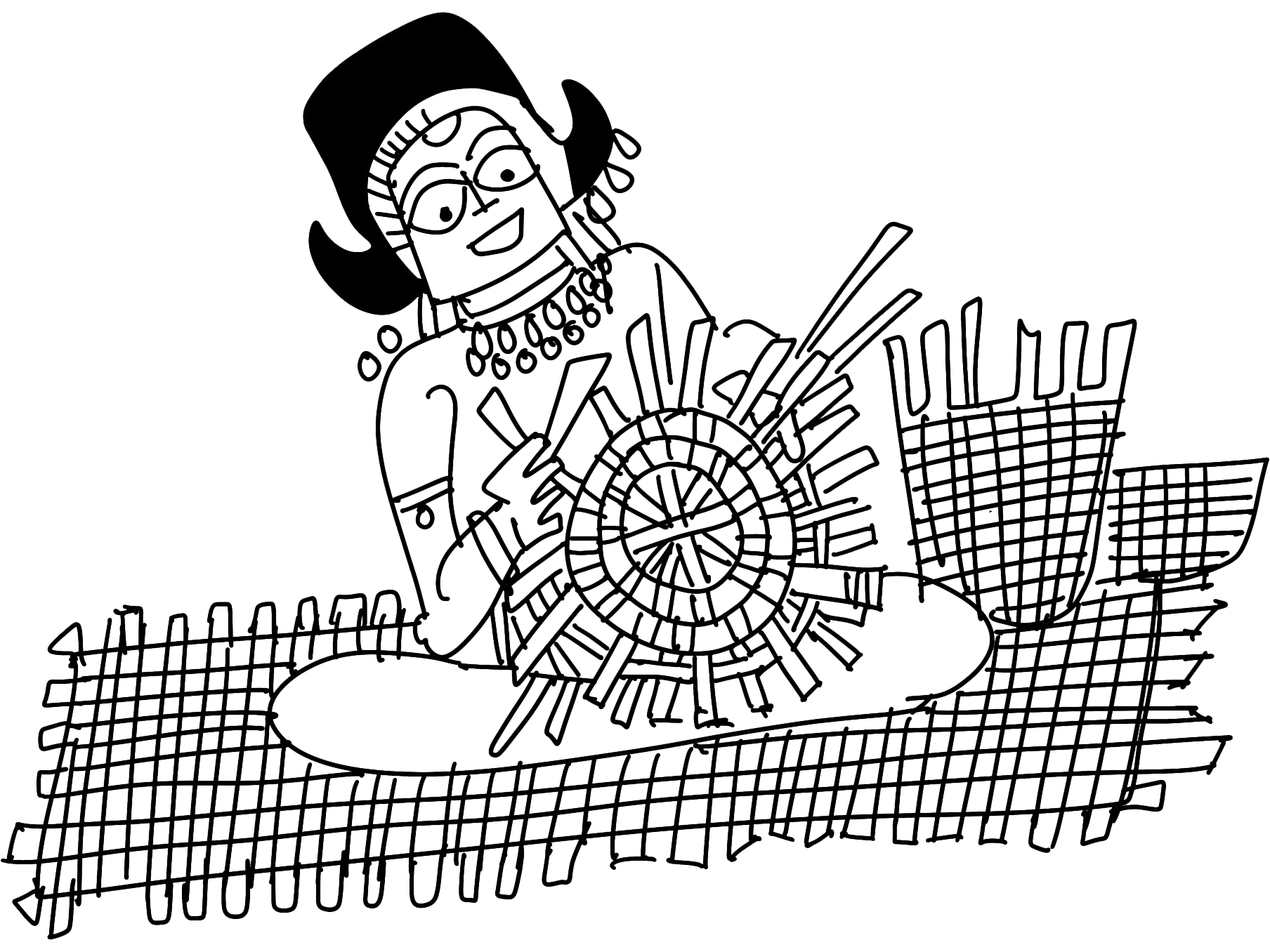
Once upon a time, there was a basket weaver who would craft four baskets every day. One was for his household expenses, another for his parents as repayment for all they had done in raising him, the third for his children, an investment in their lives and his future, and the fourth for charity. This story of the weaver originates from Kerala.
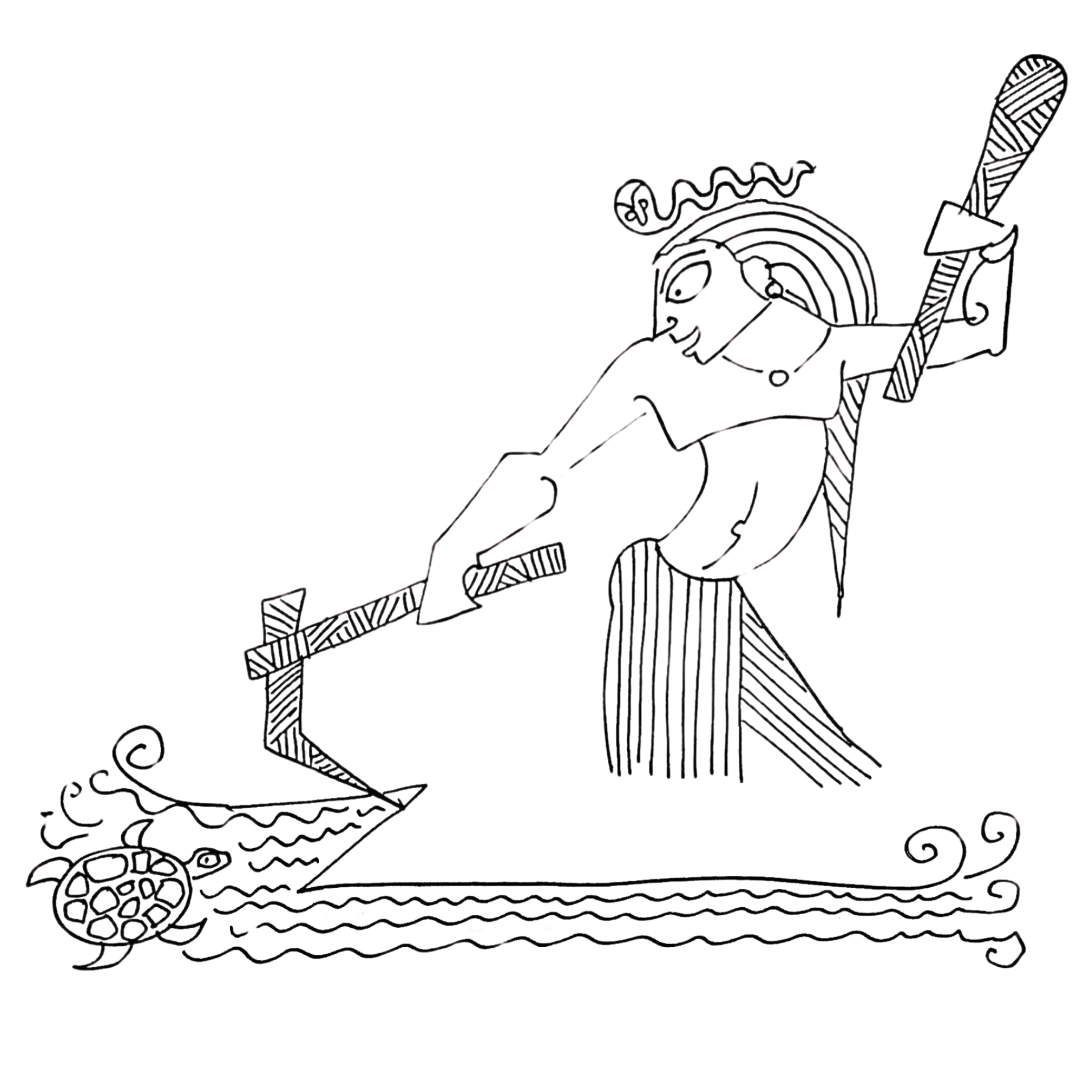
We are told that he had eleven siblings, each as remarkable and wise as he was. One of them was a woodcutter, commissioned by a royal family. The king wanted a square-shaped pond, while the queen desired a circular one. Ingeniously, he designed the pond so that it appeared square from the king’s chamber and circular from the queen’s chamber. Another brother was a Brahmin who reintroduced the Vedic ritual systems in a land where they had been forgotten following the advent of Buddhism and Jainism.
There was also a trader who sold cotton fabric to weavers and salt in salt markets, unlike most traders who sold cotton in salt markets and vice versa. His skill lay in selling the right product in the right place, thereby maximising his trade.
One sibling was a warrior, so formidable that even thieves would guard his wealth. There was also a sister who, upon being divorced, embraced the opportunity to pursue her devotion to the divine and was renowned as a great saint, one who gave up beauty to be with Shiva. Another brother was a grammarian who authored the first book on Tamil grammar and statecraft.
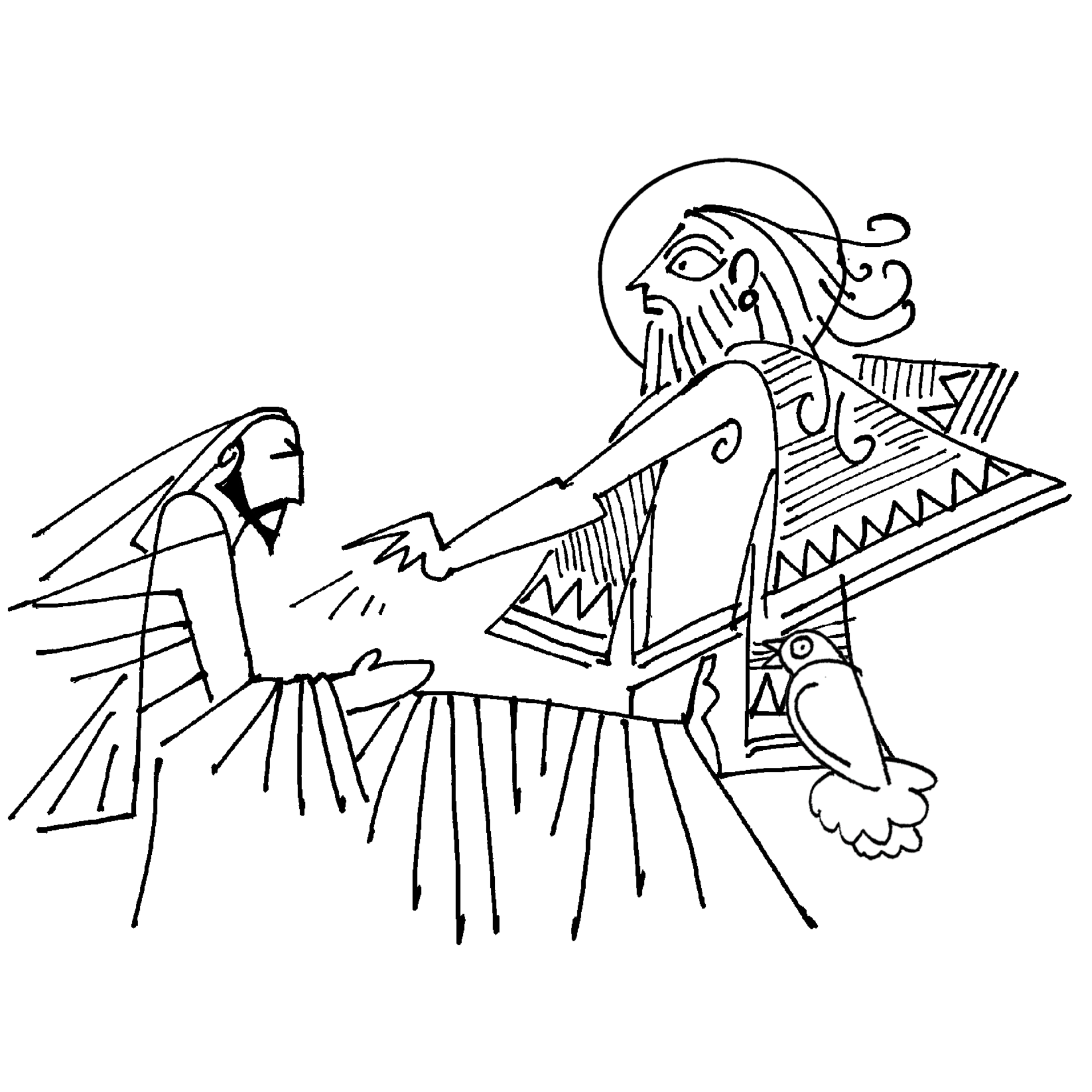
Among them was a singer whose songs were so enchanting that they attracted birds. There was a washerman who reminded people that dipping a bitter gourd in a sacred pond does not make it any less bitter, just as bathing at a holy site does not cleanse a sinner of their sins.
One brother, a philosopher, chose to isolate himself from the world. He spent his time pushing a rock up a mountain and letting it roll back down, giving him endless time for contemplation on the secrets of existence. Finally, there was a sibling who was a god. This divine figure sealed his mouth so that he could never eat. As a result, all offerings made to him fed the entire community.
The remarkable tale of these 12 siblings is rooted in the fact that their father was a Brahmin and their mother belonged to the “untouchable” caste. They were adopted by different families. This story, passed down through generations in Kerala, serves as a reminder that genius is neither determined by nature—our biological parents—nor nurture—the foster homes in which we are raised. It is not defined by a high-caste father or a low-caste mother. It lies in our own nature and how we adapt to the circumstances around us.
This story, at least 300 years old, carries profound wisdom. Yet, while it continues to be told, few take the time to reflect on the deeper lessons it imparts.