Published in Sunday Midday (Mumbai) on 22 Nov 2009.
Any discussion of caste is politically volatile. For centuries, it denied millions basic human dignity, even water. Yet, caste remains a pan Indian reality, percolating beyond the Hindu fold. One wonders, how sages who spoke of the Atma, the divine soul in all living creatures, could also institute such a cruel system. It makes no sense!
But when one delves deeper, one notices something very significant. The sages who discussed the caste system were also firm believers of rebirth. To study caste in isolation, without considering rebirth, creates a myopic understanding on the subject.
What distinguishes Hinduism from most other religions of the world is belief in rebirth. A newborn then is an old soul wrapped in a new flesh, its caste being determined by karmic baggage. In the absence of the rebirth lens, caste system gives unfair advantages to one set of children over others. For believers of the one-life paradigm, all children are born equal, either in sin (if one believes in Fall from Eden) or with genetic differences (if one believes in science). Appreciating this difference is critical.
The ‘origin’ of caste is conventionally traced to the Purusha Sukta hymn of the Rig Veda according to which society is an organism whose head, hands, thighs/trunk and feet are made of those involved in ritual, administration, trade and service. This was varna system which later metamorphosed, due to a variety of reasons, into the jati system based on various professions. Jati was determined by birth. Jati could not be changed, even by marriage.
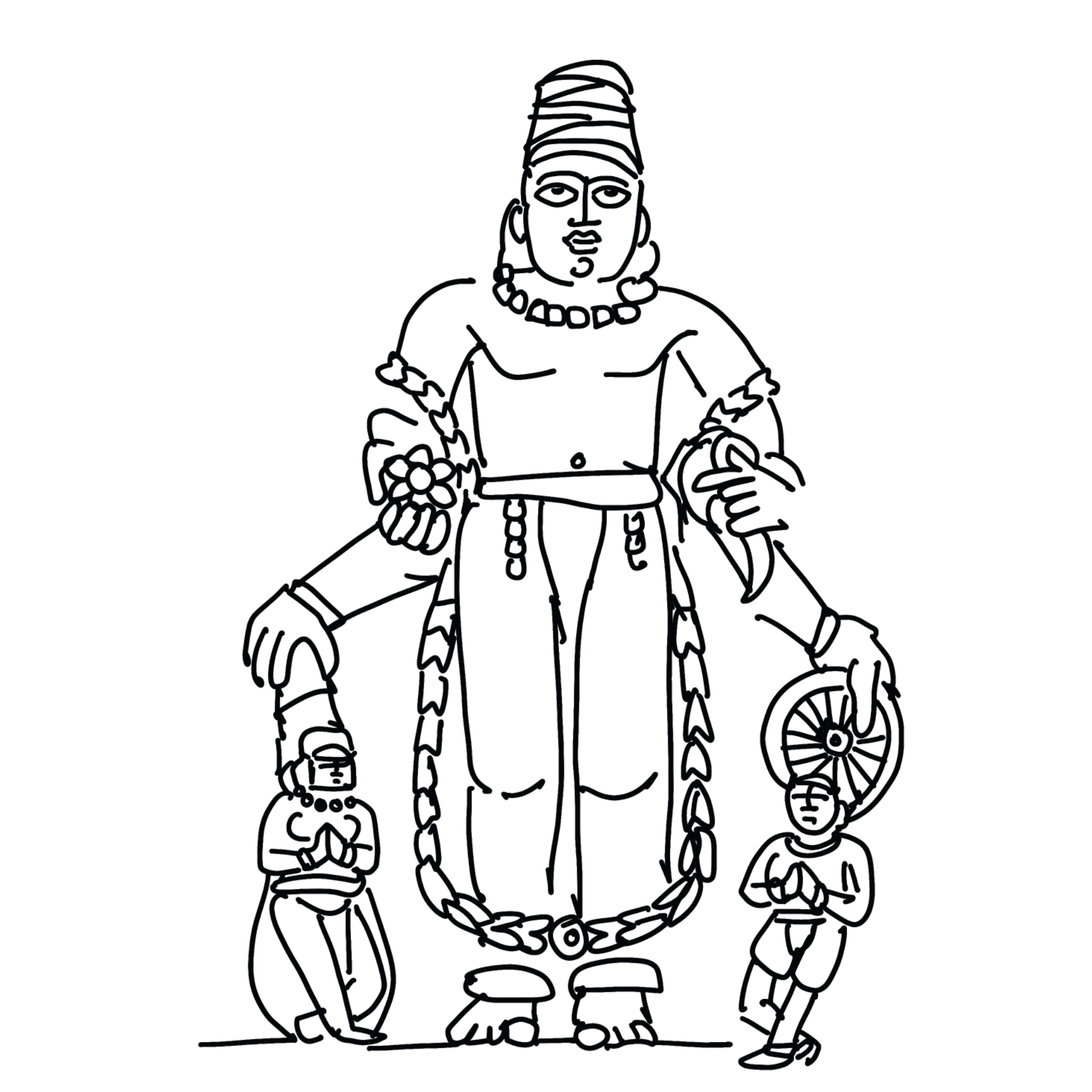
But for the Rishis, who sang the Purusha Sukta, caste had no ‘origin’ as it was timeless. Caste, it was believed, ensured a model social organization that ensured predictability. Every child knew his role in society at birth itself. This role changed in past and future lives. A priest in this life could be a trader in another and a farmer in another. This was made explicit in the story of Vishnu’s avatars. In one avatar God is a priest (Vaman), in another he is a king (Rama) and in another he is a cowherd/charioteer (Krishna). The point to be noted here is that each role/caste mattered in that lifetime. Nothing was superior or inferior. Every caste was just different.
How then did the caste system become hierarchical and draconian? The Left blames the Brahmins for it. The Right comes up with apologetic explanations involving corruption over time due to foreign incursions. Perhaps this has something to do with a culture turning away from the faith in rebirth.
If people continued to believe in rebirth then the Dalit would not be treated as he was, and continues to be even today. If one believed that current caste privileges were the result of merits earned in past life, then one would not spend this life exhausting merit. One would instead focus on accumulating merit. Merit is accumulated by acts of human empathy and compassion and kindness. That exploitation and indifference and even cruelty, not empathy, marks the caste system indicates a decline of faith in the notion of rebirth.
The Rishis celebrated the notion of rebirth perhaps to provoke empathy. If this life influences the next life then one would perhaps be kinder. But if this is the one and only life, why should one be kind? While one-life cultures used the God-Devil binary to inject empathy into human behavior, rebirth cultures used the karmic balance sheet to do the same. Even divinity is subject to karma and caste in rebirth cultures, which is why every avatar of Vishnu is associated with a caste.
Both in the Mahabharata and the Ramayana, Brahmins are killed for taking advantages of the privileged positions. In the Mahabharata, Krishna encourages the beheading of Drona, who rather than staying a priest, used his knowledge of warfare to make his own son king. In the Ramayana, Ram kills Ravan who though born in a family of priests uses military might to terrorize the world. In caste-ridden India, Brahma-hatya or killing of the Brahmin was the worst of sins. Yet we find these stories of God committing Brahma-hatya-paap for the sake of dharma.
Jain traditions say that in a future life, Ravan will become a Tirthankara. In other words, the villain who abused his caste privileges will finally understand the point of it all and attain enlightenment. He will develop a line of sight that extends beyond his current life to include his other lives in other lifetimes. When faith in rebirth is internalized completely empathy has to bloom. For then, we realize all souls are interconnected. To hurt the other is to hurt the self, if not in this lifetime then in the next.