
Mythologist | Author | Speaker | Illustrator

-
Articles

The Durga of Dalit Mythology
In recent years, there has been a growing clash between ‘Sanatani mythology’ and ‘Dalit mythology’. During the festival season last month, a well-known Dalit activist argued that the worship of Durga is nothing but the celebration of an Aryan invasion of Dravidian lands. In his retelling, Mahishasur, the buffalo demon, represents dark-skinned Dravidians while Durga…
-
Articles

Reclaiming the Festival of Lights
Diwali is the Prakrit way of saying Deepavali, a Sanskrit word meaning ‘the festival of lights’. This festival has been increasingly dominated by a single Hindi-belt narrative: that it commemorates the Rama’s return to Ayodhya after his forest-exile. But Diwali is also about Krishna, and Yama, and Lakshmi, and Bali…
-
Articles
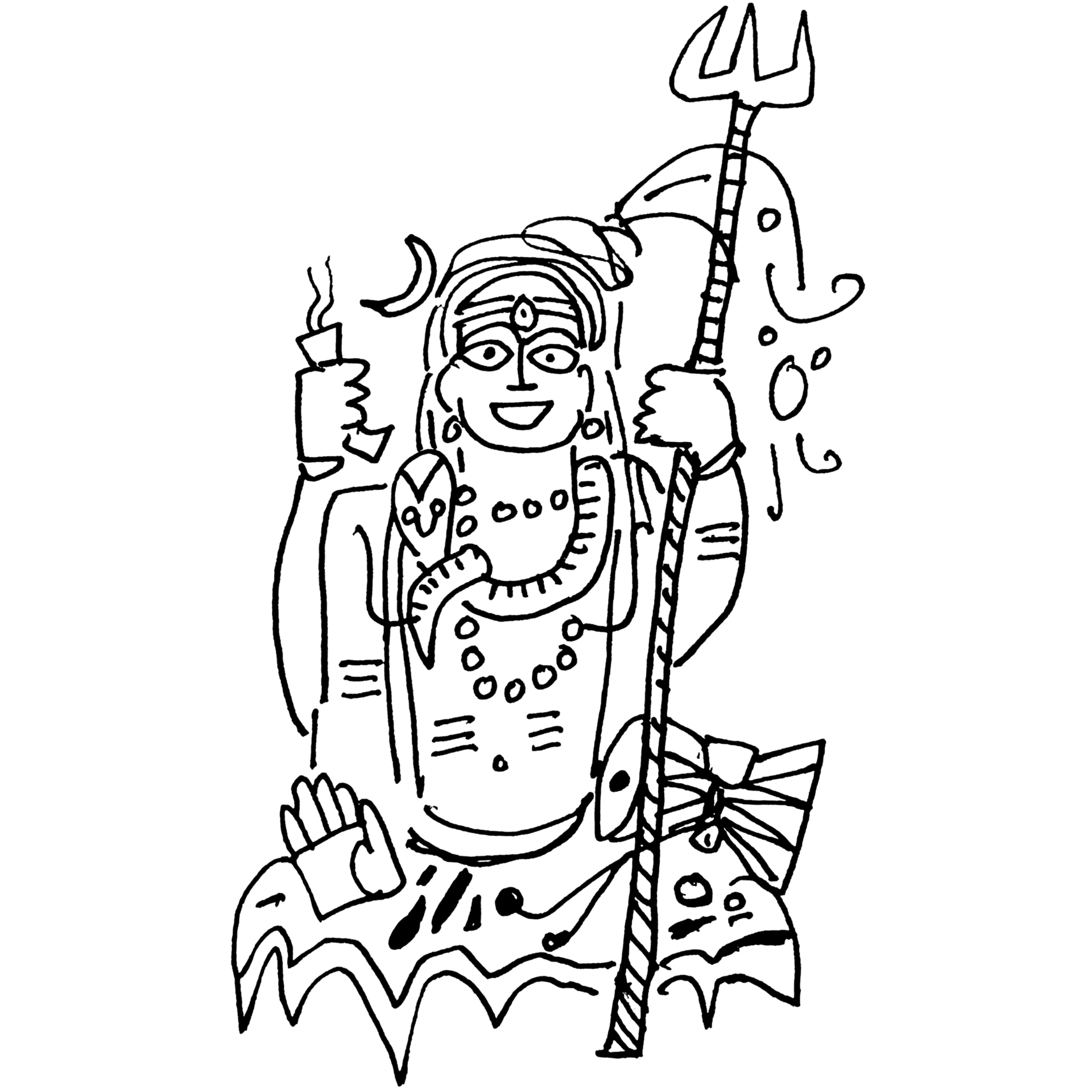
Kailasa in Cambodia
A few decades before the Chola king Rajaraja I built the Brihadeeswara Temple in Tamil Nadu, around 1000 AD, a Khmer king called Jayavarman IV had begun building a temple to replicate the Kailasa mountain in Cambodia, at Koh Ker, complete with a tank that would replicate the river Ganga. …
-
Articles

Three Dharmic Archetypes
Hindu mythology expresses personal transformation of leaders through three archetypes: Indra, Shiva and Vishnu. The worlds they create are Swarga, Kailasa and Vaikuntha…
-
Articles

Decoding Invisible Hunger and Fear
Where there is pursuit of food, there is hunger. Where there is hunger there is competition, collaboration, success and failure. …
-
Articles
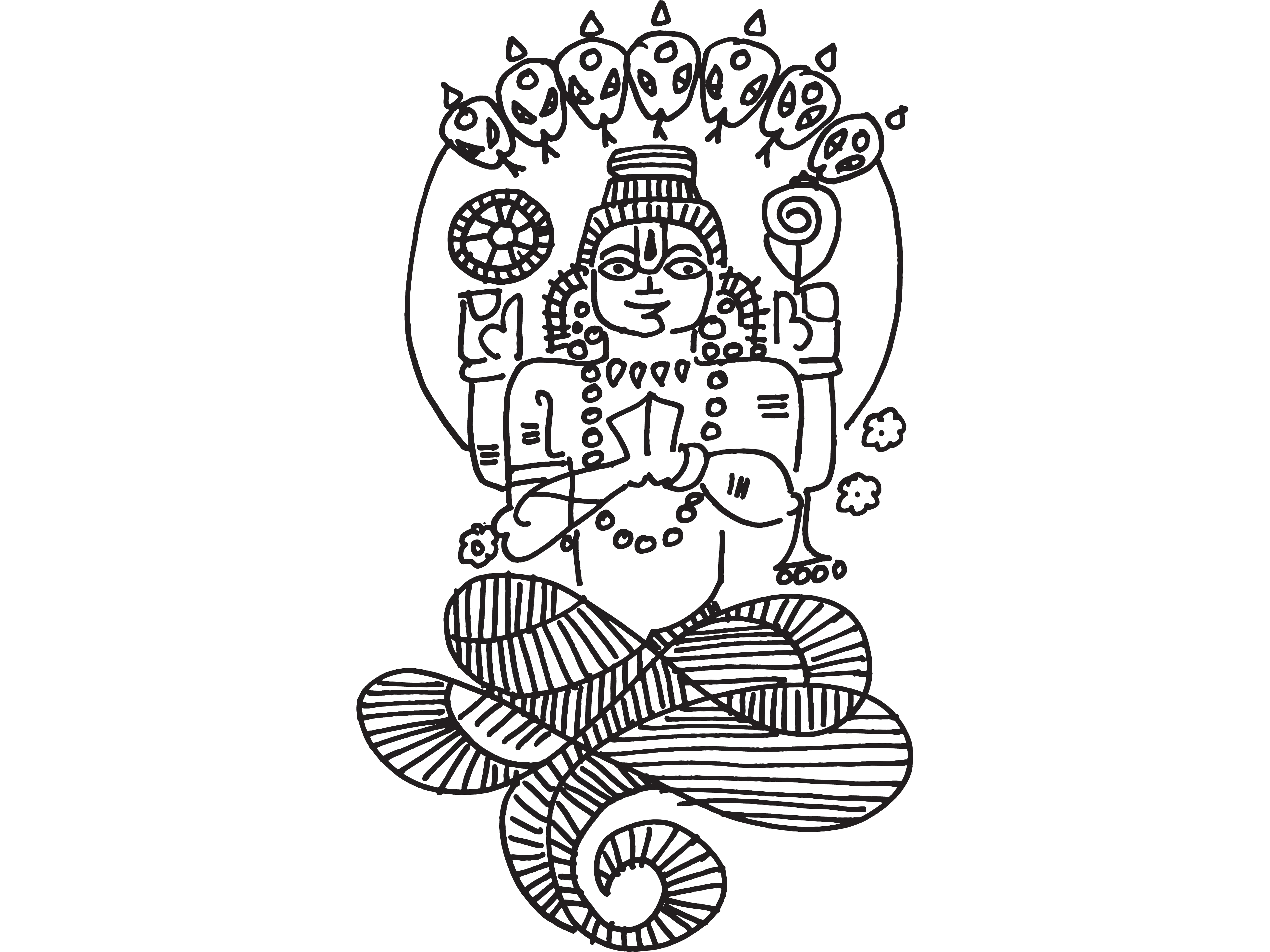
Coil of Endless Serpents
Coiled serpents and inter-twined conjugal serpent pairs appear as sacred symbols on Hindu temple walls. They reflect sacred ideas from beyond the Vedic world, where communities venerated serpent groves, filled with termite mounds, which served as entrances to a subterranean world of magical beings — the Naga, serpents with hoods, multiple heads, and the magical…
-
Articles
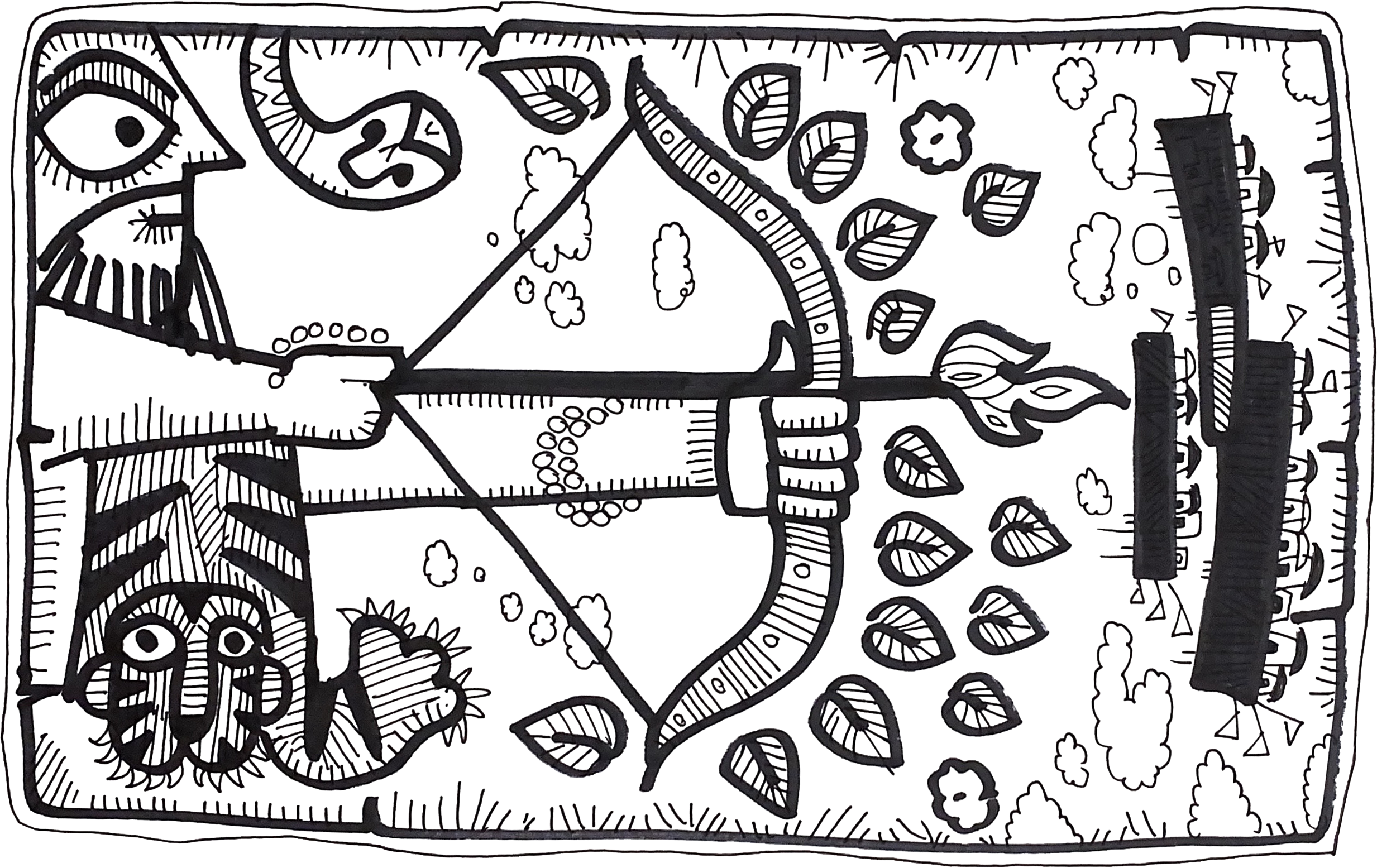
Sanatan Dharma Says Life Is Not a Problem To Be Solved
Sanatan dharma cannot come from one person. It is not bound to history or culture. It is the realisation that nothing is permanent. Seasons change. People die. Plants die. Animals die. Cultures rise and fall. Even death is not permanent. Hence, rebirth is integral to sanatan dharma…
-
Articles
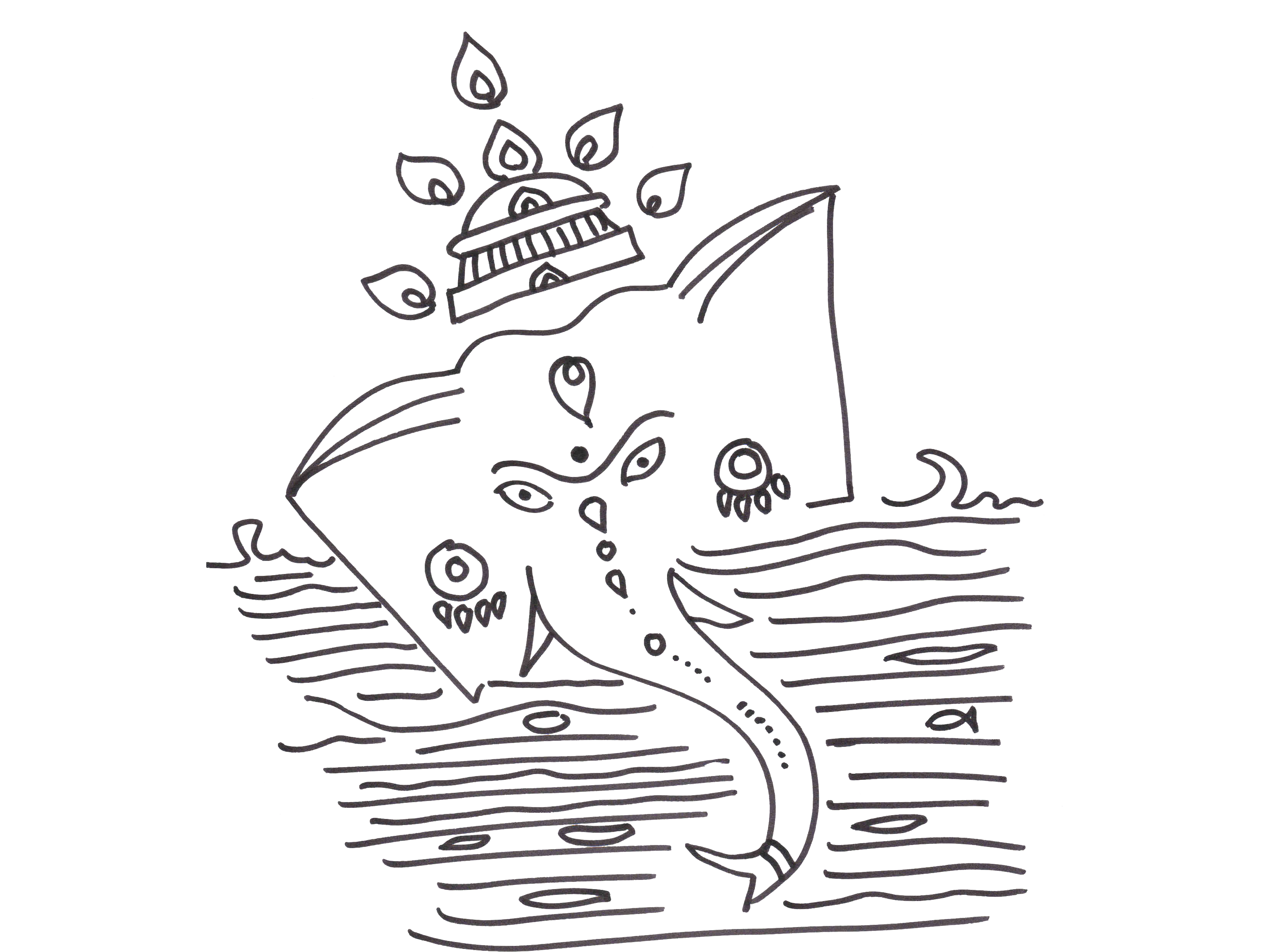
Elephants As Symbols Of Wealth and Power In Indian Culture
We cannot imagine India without elephants. Elephants have been a powerful symbol of wealth and power since ancient times. …
-
Articles
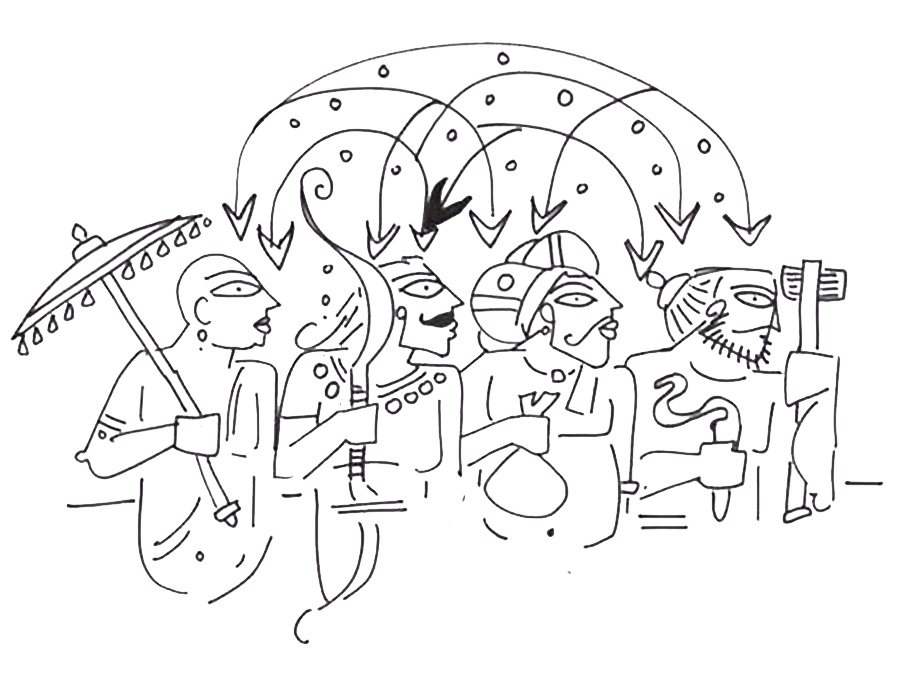
Caste As the Opposite of Conversion
Every Indian is born into a caste and a religion. But you cannot leave caste. You can only leave religion. This makes the doctrine of caste an antagonist of the doctrine of conversion…
-
Articles

Sanyasi Sages and Their Wives
Ancient rishis almost always had wives. The Saptarishis (Seven Sages) each had a wife…
-
Articles
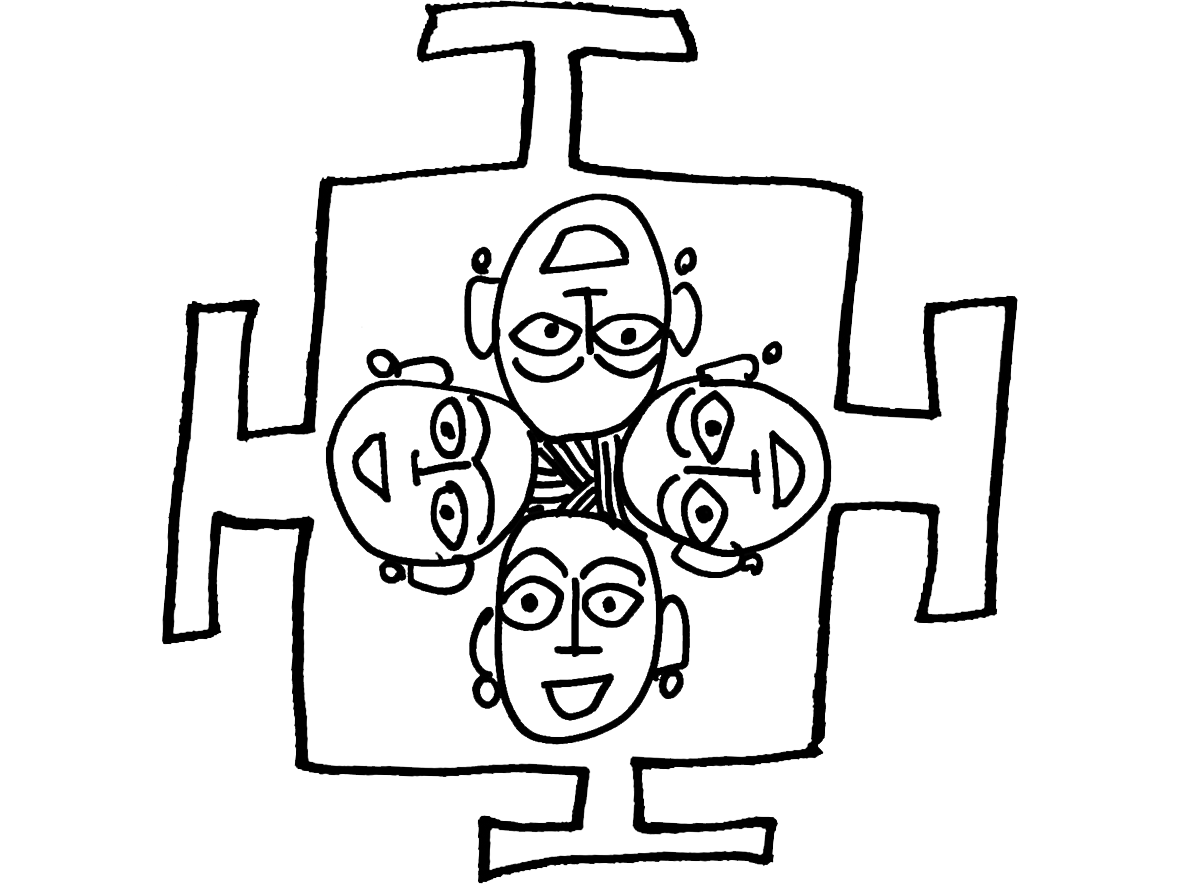
God As Generator, Organiser, Destroyer
The rishi who told stories of the creator, organiser and destroyer, and designed characters like Brahma, Vishnu and Shiva, was an ancient Indian ‘seer’ who could see what others could not…
-
Articles
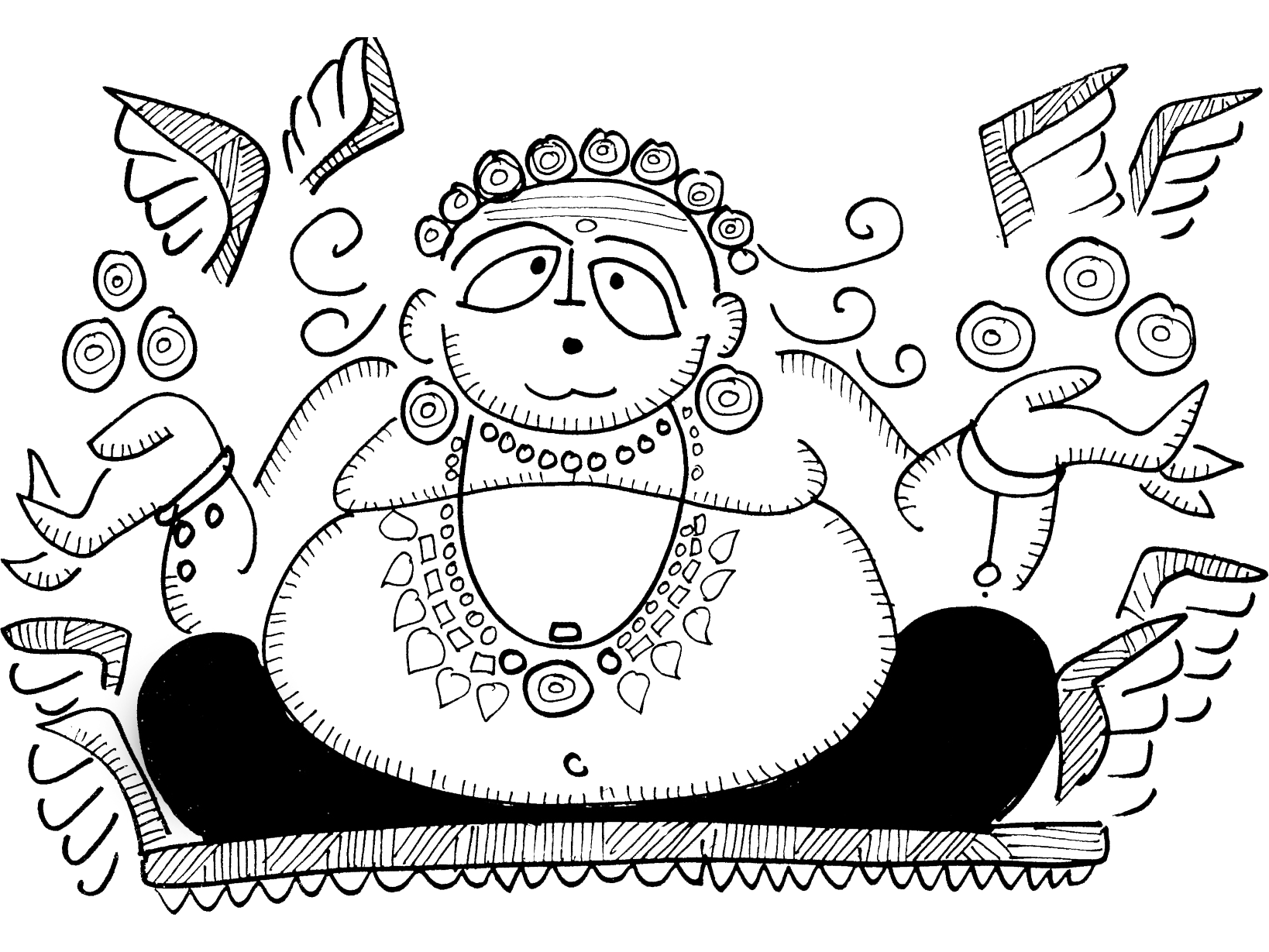
Why Kubera Is Not Ganesha
While plants and animals seek nourishment and security, humans seek more. Our hunger and fear is amplified infinitely by imagination. But food does not take away imagined hunger. If anything, it amplifies imagined hunger. We seek more resources, more power, more knowledge about resources and power…
-
Articles

Biblical Tales in the Puranas
The Bhavishya Purana imagines an India (Bharat-varsha) from the Himalayas to the sea, with the Indus or Sindhu-desha forming the main barrier between Arya-desha, land of civilised folk, and Mleccha-desha, land of barbarians…
-
Articles

The Fire-born Rajputs
The Rajputs themselves have many stories about their origin. Raghuvamsi Rajputs claim descent from the solar dynasty of kings. Chandella and Yaduvamshi Rajputs claim descent from lunar lines of kings. Then there are the Agni-kula or fire-born Rajputs…
-
Articles

So Many Types of Nagas
Naga ascetics of Kumbh Mela are now world famous. These are the ascetics who arrive at the confluence of rivers wearing no clothes and bearing weapons. They are smeared with ash, and have matted hair. …
-
Articles

When Gurus Cling to Opinions
In nature, no land belongs to any plant or animal. Everyone fights for territories and the strongest wins. In nature, no one has rights over their body: it is food for the hungry, it is a vehicle to produce the next generation of food for predators…