Mythologist | Author | Speaker | Illustrator

-
Articles

Old Babas and Young Babas
In mythology, the rishi or sage comes in all shapes and sizes. A sage can be a child, a youth, or an old man, and the same applies to gods…
-
Articles

Mythology of the Fish
Across India, the fish is a sacred symbol–all kinds of fish…Fish is linked with autonomy as it cannot be tamed, and with fertility and prosperity…
-
Articles

How South Does the Kumbh Mela Go?
The Kumbha Mela is primarily a North Indian observance. Though, the south does have a similar gathering at Kumbakonam at the Mahamaham tank, every 12 years, in the month of Magha, shortly after the sun enters the zodiac of Capricorn (Makara). But here, there is no river involved, certainly not the Ganga, the traditional marker…
-
Articles
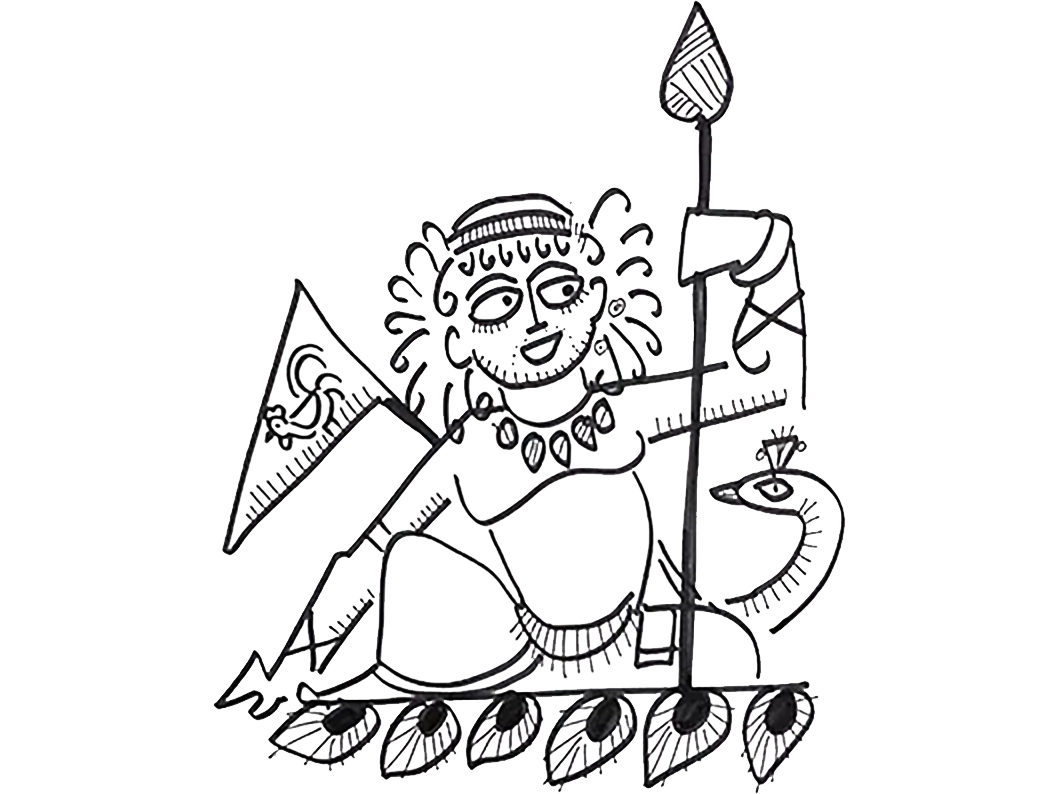
Kartikeya of Punjab, and the Southern Kartikeya
Kartikeya is no longer a widely worshipped deity in North India, but he remains extremely popular in Tamil Nadu, where he is venerated as Murugan, Subramanyam, or the bright jewel…
-
Articles
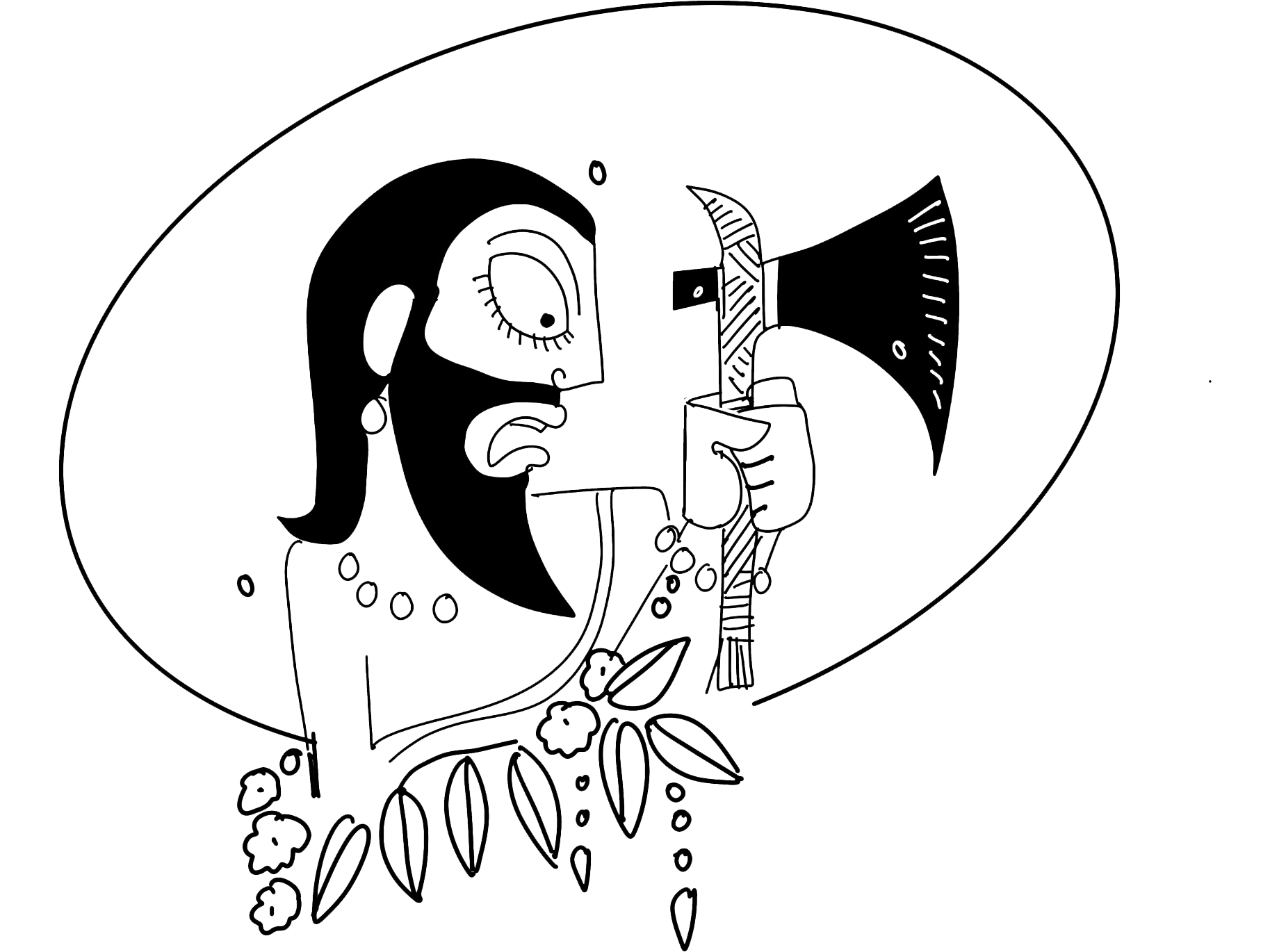
Now an Angry Parashuram?
A film poster on Parashuram appeared on social media. And he looked terribly angry. Why? The answer in all probability will be revenge…
-
Articles

Quarrelling Hindu Gods
One of the unique features of Hindu temple traditions is the stories of the resident god quarrelling with the resident goddess. These take the form of a domestic spat, and through the storytelling and rituals that enact this quarrel, audiences are drawn into the lives of the gods and the divine…
-
Articles

Facts About Kumbha Mela
People have been gathering at the confluence (sangam) of rivers in India for thousands of years. A confluence of rivers is called Prayag…
-
Articles
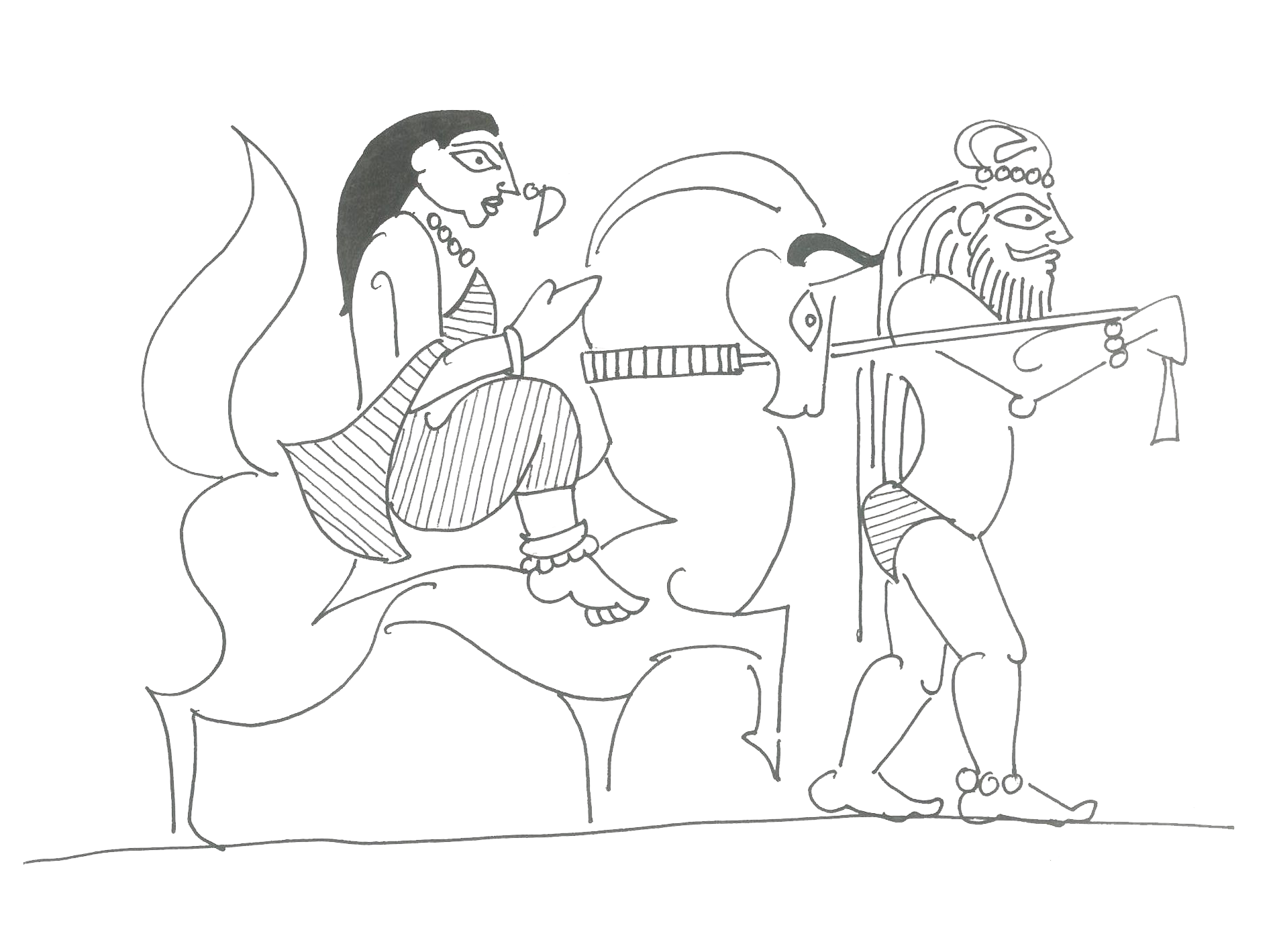
Tales of Aryan Horses
Hindu mythology states that horses were churned out of the ocean of milk by gods and demons. This myth is not found in Vedas, which has the earliest songs celebrating horses in the world…
-
Articles
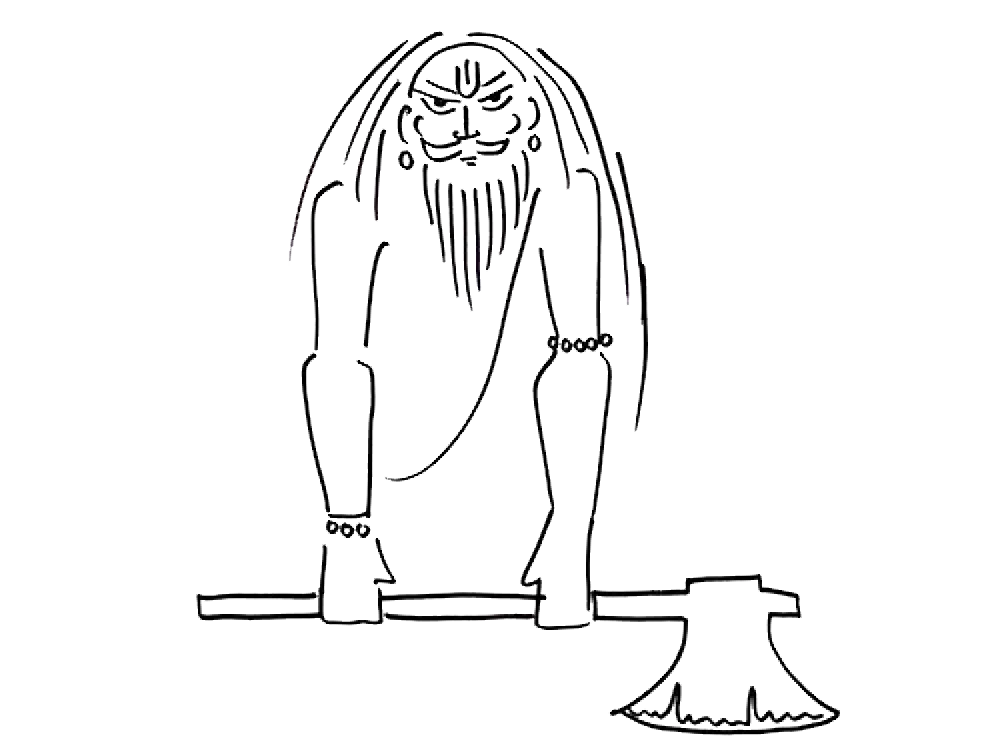
Who Did Parashuram Actually Kill?
Parashuram is being presented as a great hero who drove away the enemy, with suggestions that he expelled cow-killing invaders from the land. But is this really true?…
-
Articles
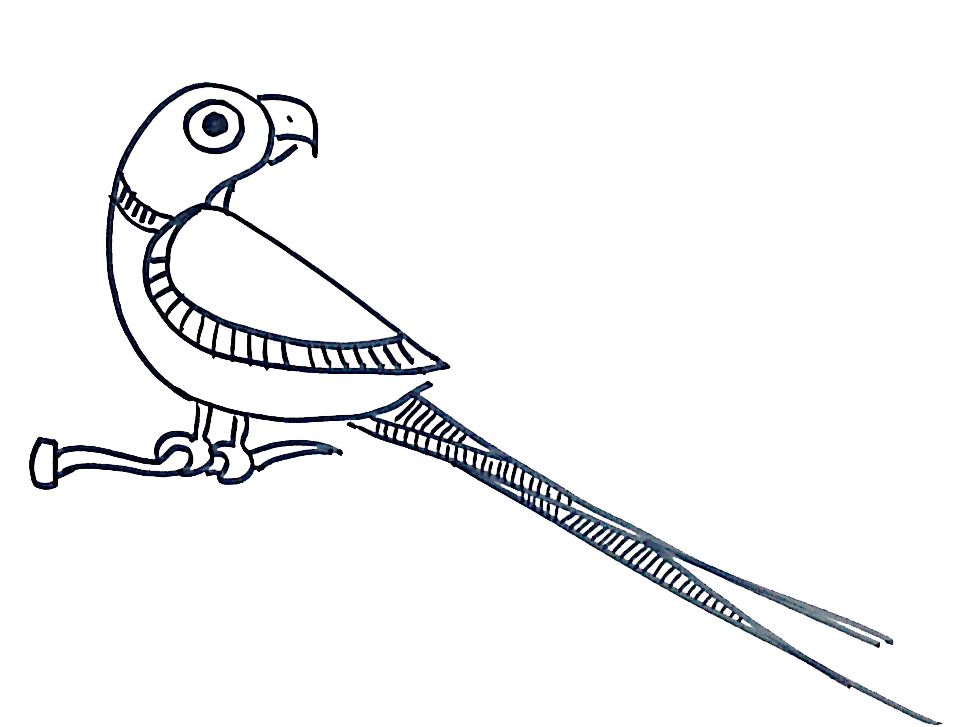
The Parrot’s Erotic Secret
Andal’s love for her divine lord is expressed in her songs, which are highly erotic. There was no shame in expressing desire so overtly. At least, when Andal lived, 1,200 years ago. This was the time when celibacy was not linked to purity or piety…
-
Articles

View: Indians Need to Market the Yagna Model as Japan Markets Ikigai
Nowadays, everyone is talking about Ikigai, the Japanese way of living that involves finding your life’s purpose…What is often overlooked, however, is the larger context of this model…
-
Articles
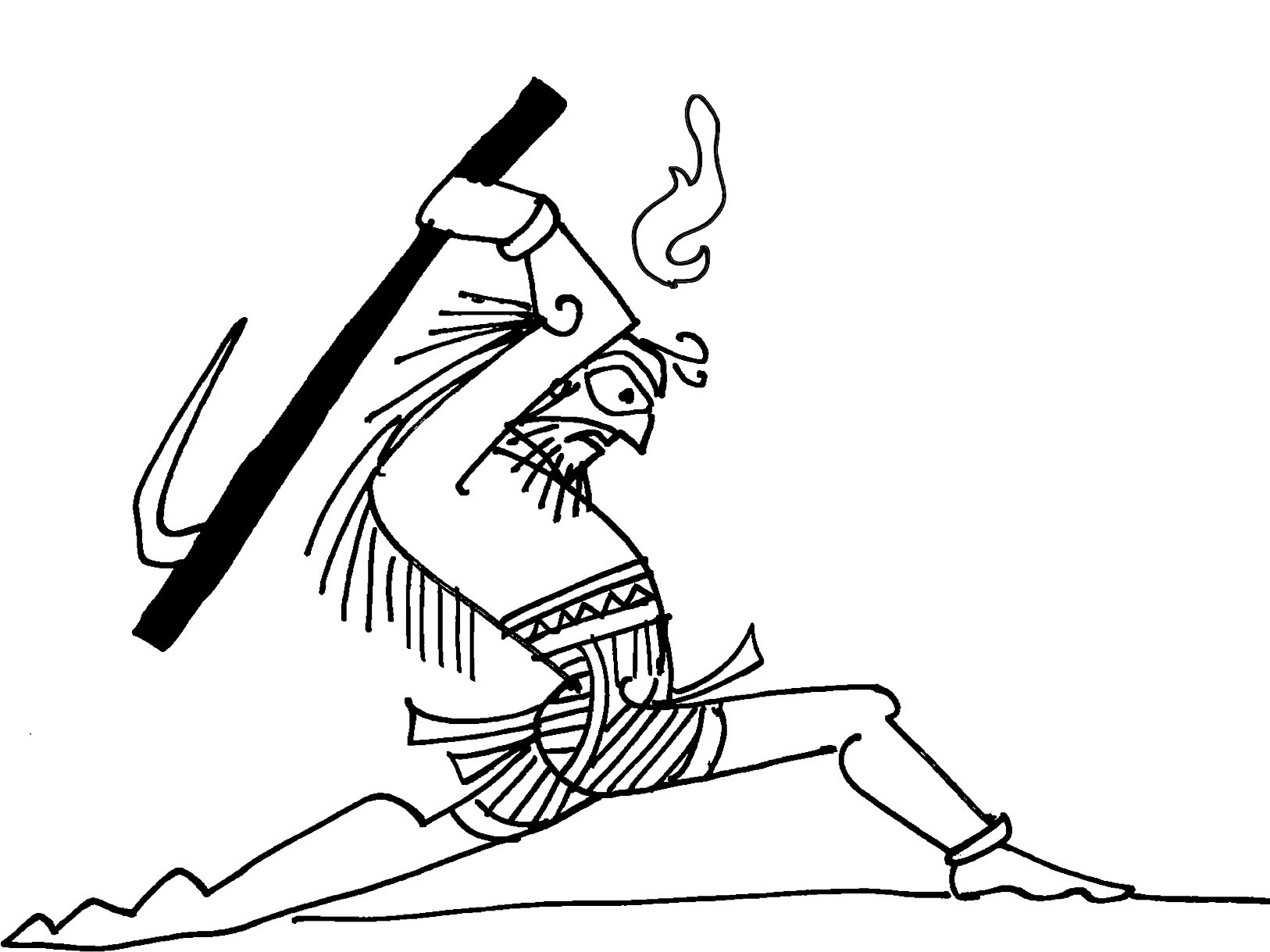
How Debates Are Increasingly Becoming a Duel
Debates are increasingly becoming a duel, so much so that if you align with one idea, the opposition can argue that you are a racist, a bigot, or that you are committing a hate crime. In other words, those debating enter the arena convinced the other is wrong…
-
Articles

This & That, Both & Neither: Cracking the Origins of the Mystifying Indian Headshake
Some of the earliest documented myths come from Mesopotamia, the Fertile Crescent where the earliest farming communities built cities around temples. These stories spoke of gods who wanted to enjoy luxury without labour, so they created humans out of clay. That is why humans toil, serving the gods, fearful of their wrath that causes flood…
-
Articles
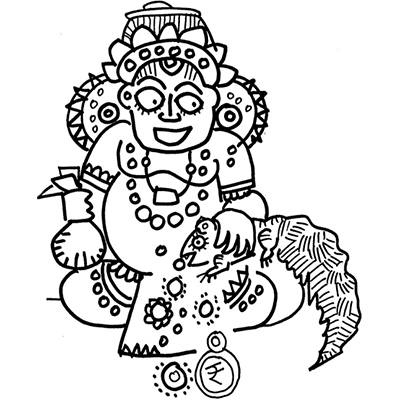
From Yakshas to Nagas — the Mainstreaming of Local Deities
Yakshas are magical creatures in Indian mythology much like dwarves of European lore, linked to gems and gold. They appear as corpulent deformed beings, wearing elaborate jewellery, on Buddhist, Jain, and Hindu shrines…
-
Articles
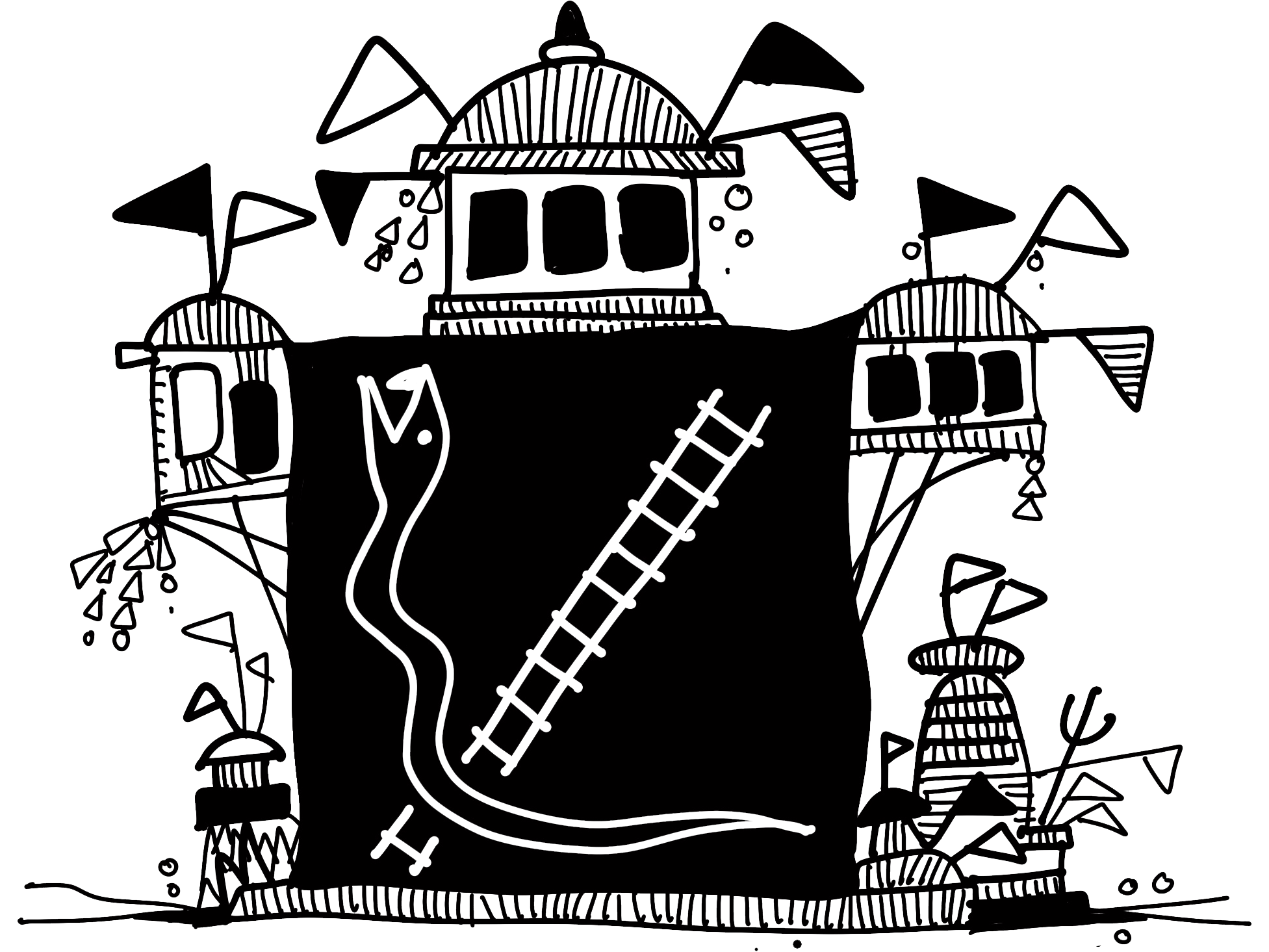
The Significance of Rebirth
Modern people tend to be contemptuous of tradition and feel they are more rational than their predecessors. But if we accept rebirth as a concept, we need to understand what purpose this narrative tool serves. Rebirth brings forth three interesting ideas not found in cultures that believe in a single life…