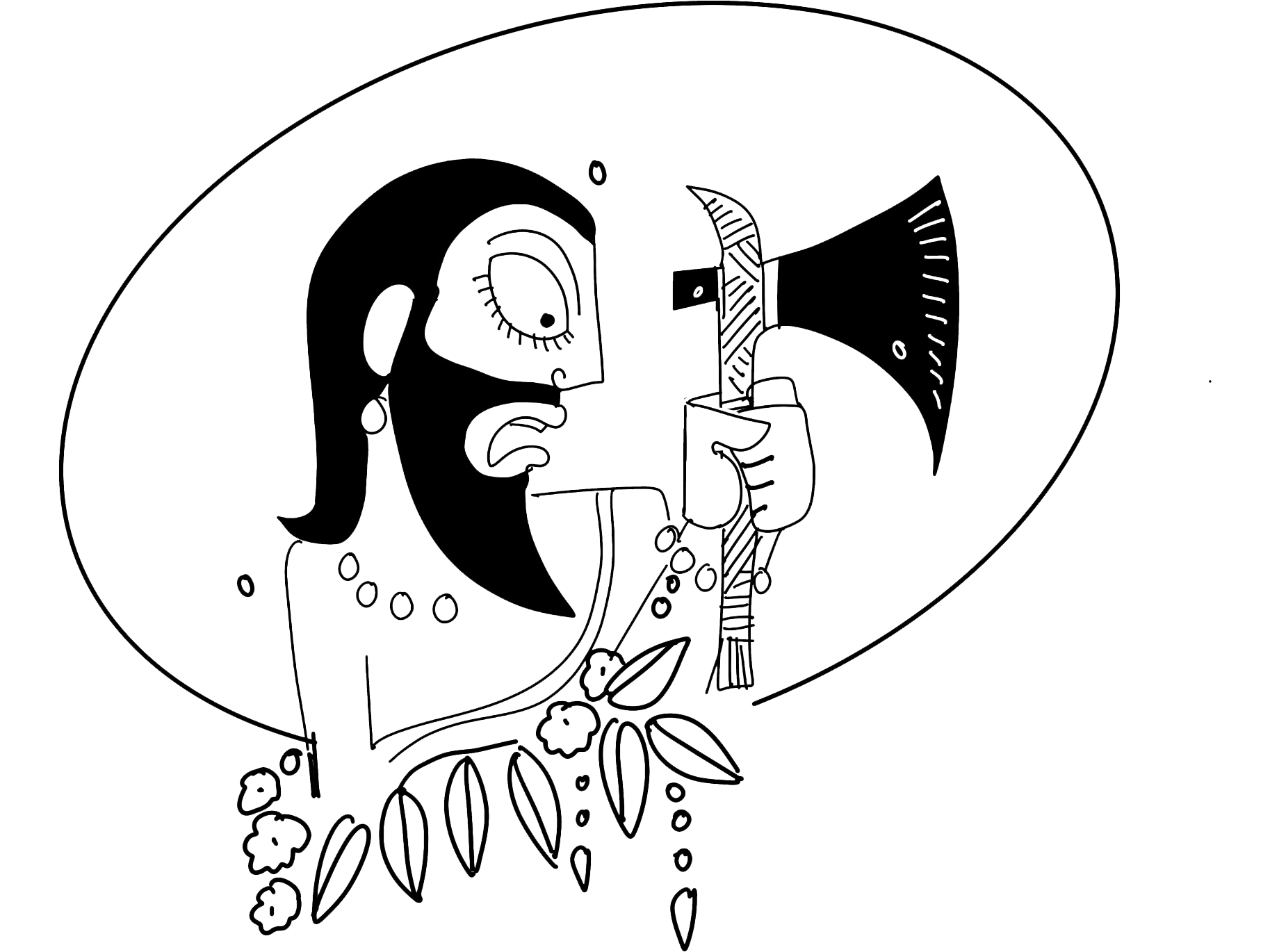
A film poster on Parashuram appeared on social media. And he looked terribly angry. Why? The answer in all probability will be revenge. In Bollywood’s new-found love for Sanatani mythology, everything boils down to revenge. The Ramayana is about Shurpanakha’s desire for revenge. The Mahabharata is about Draupadi’s desire for revenge. Parashuram’s film adaptation is likely to be about him avenging the death of his father. More appropriately, those who stole his father’s cows. How else would it be a dharmic war?
Most likely, modern film adaptations will ignore the part why Parashuram picked up the axe (parashu) in the first place. Parashuram’s father wanted to behead his wife, Renuka, because she momentarily desired another man. On his orders, Parashuram picks up an axe and does the needful. Pleased, his father offers him a boon and he promptly asks for his mother to be resurrected. By the sacred powers of his father, Parashuram is able to stick his mother’s severed head back onto her body.
In folk versions, Parashuram also killed a Chandala woman who tried to stop the matricide. He then ended up transposing the two heads accidentally giving rise to two goddesses Ellamma who has a Brahmin head and Chandala body and Mathamma who has the Chandala head but Brahmin body. Such complex narratives based on patriarchy, gender and caste are unlikely to make it to Bollywood. Instead, the focus will be cows.
In Vedic cultures, most wars were called gavasthi, the act of stealing cows, as it was a common practice between rival Aryan clans. But in the Bollywood version the cow-thief will not be an Aryan, certainly not a Kshatriya (as in the original tale), most likely a Pani or an Asura or a Dasa who looks like someone from the Middle East, who eats beef. Parashuram will kill the cow thief. Then the cow-thief’s sons will return to kill Parashuram’s father. Parashuram will then retaliate by massacring every Kshatriya in the land. A game of vendetta. Full of blood spurt and blood sport. Great action sequences for Bollywood created by VFX.
What will most likely not be told will be the consequences of Parashuram’s actions. Aryavarta is left without Kshatriyas, resulting in anarchy. The Brahmins, furious with Parashuram for destroying the dharmic ecosystem, drive him out. He remains immortal to witness the cost of his actions. His students (Bhisma, Drona, Karna) are killed in Kurukshetra as they support Kauravas.
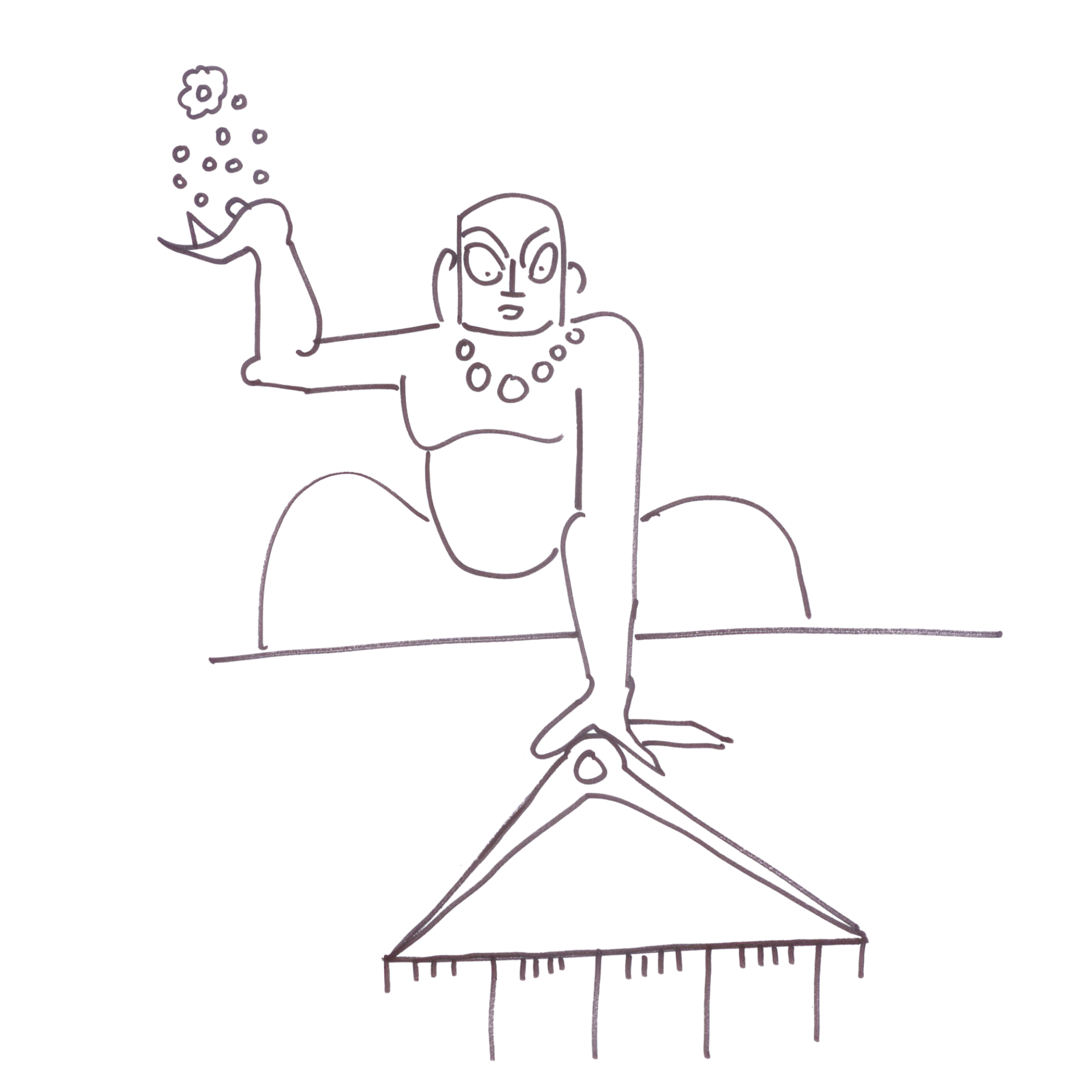
In Punjab, Rajasthan, and Gujarat, folklore recounts how Kshatriya widows managed to produce Kshatriya children. In many cases, they promised Parashuram that their children would not take up arms. Khatri traders say that they replaced talwar (sword) with tula (pan balance). Jats say they turned swords into ploughshares and became farmers. The Kayasthas say they turned the sword into the pen and became scribes.
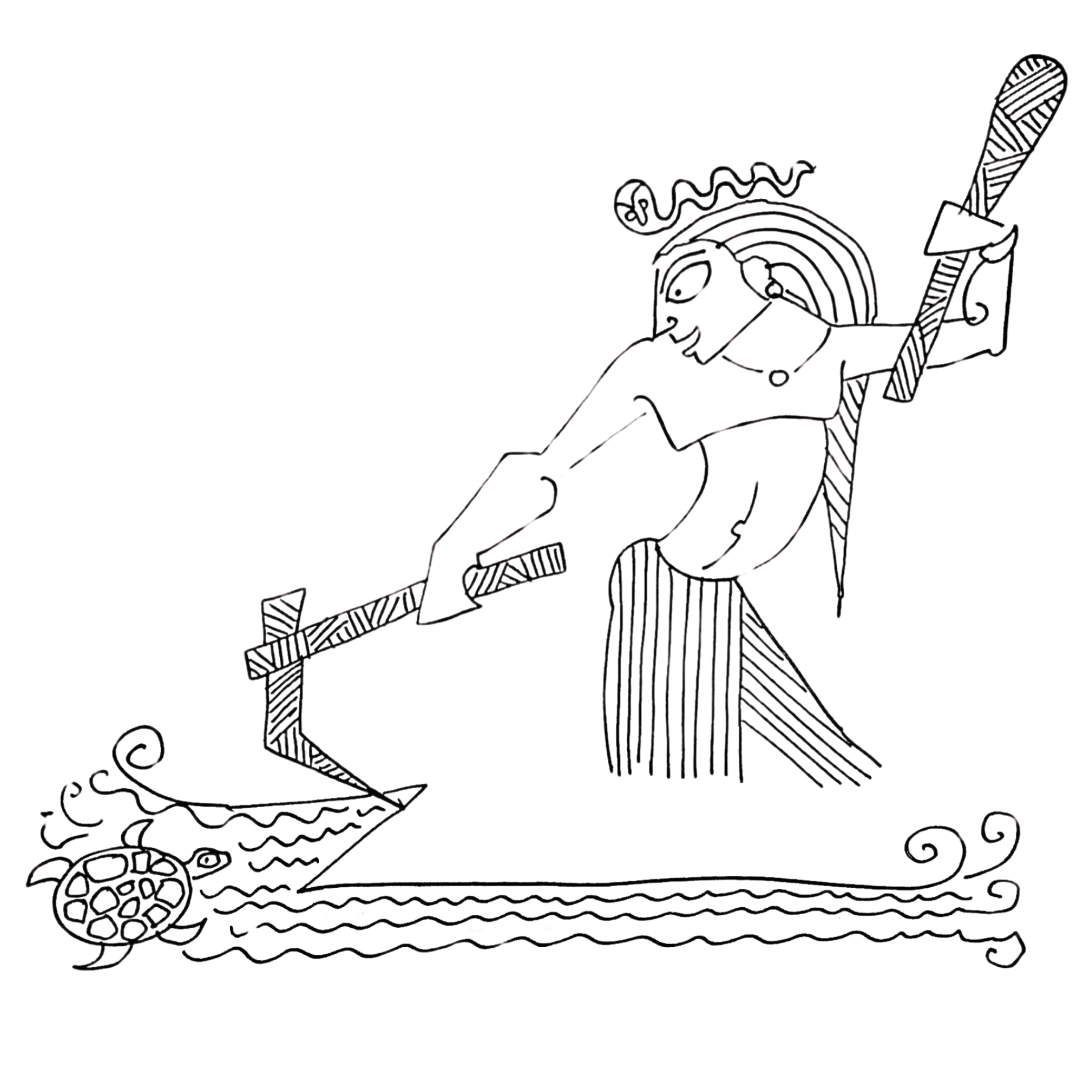
Then there is the tale of Parashuram throwing his axe into the sea, which recoiled in horror, to reveal India’s western coast of Konkan and Kerala. Here Parashuram resurrects burning corpses of locals to create a new batch of warrior-priests. This story is used to explain why, in some parts of South India, royal families claim Brahmin descent. And why in the 19th century many Brahmins refused to acknowledge local kings as Kshatriyas and insisted they were Shudra, which fuelled angry anti-caste reform movements.