
Mythologist | Author | Speaker | Illustrator

-
Articles

How Afghan and Turkic Invaders Transformed Indian Warfare
We know that from the 10th century, horse‑breeding groups from Afghanistan and Central Asia invaded India in successive waves. The early invaders simply looted the gold‑rich temples of the land. The later invaders, after the 12th century, established Sultanates to exploit India’s vast agricultural wealth and to control trade routes. Religious aspects of these invasions…
-
Articles
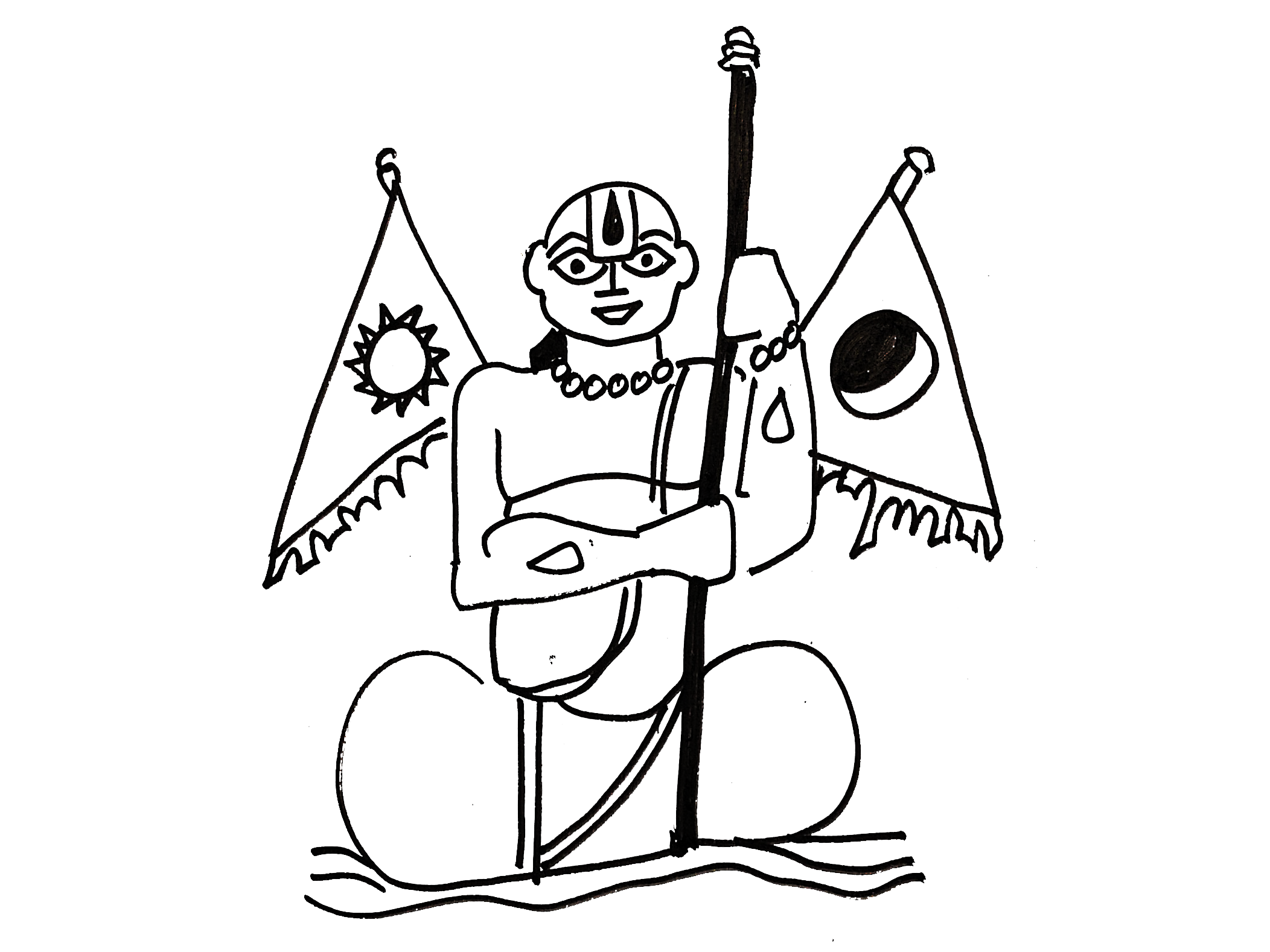
Were There Brahmins In South India 2,000 Years Ago?
We normally assume that Brahmins have been present in every corner of India for the last 5,000 years. But this is not true. …
-
Articles

When Brahmins Killed Kshatriyas and Kshatriyas Killed Brahmins
Anyone who reads the Ramayana and the Mahabharata carefully realises that both texts presuppose an event involving Parshuram, a Brahmin, who slaughters the Kshatriya kings. It is described as a terrible genocide, with five great lakes filled with blood. …
-
Articles

Shaped by Myth, Shaped by History
Indian history shapes Hindu myth and Hindu myth shapes Indian history…
-
Articles

Decoding Invisible Hunger and Fear
Where there is pursuit of food, there is hunger. Where there is hunger there is competition, collaboration, success and failure. …
-
Articles
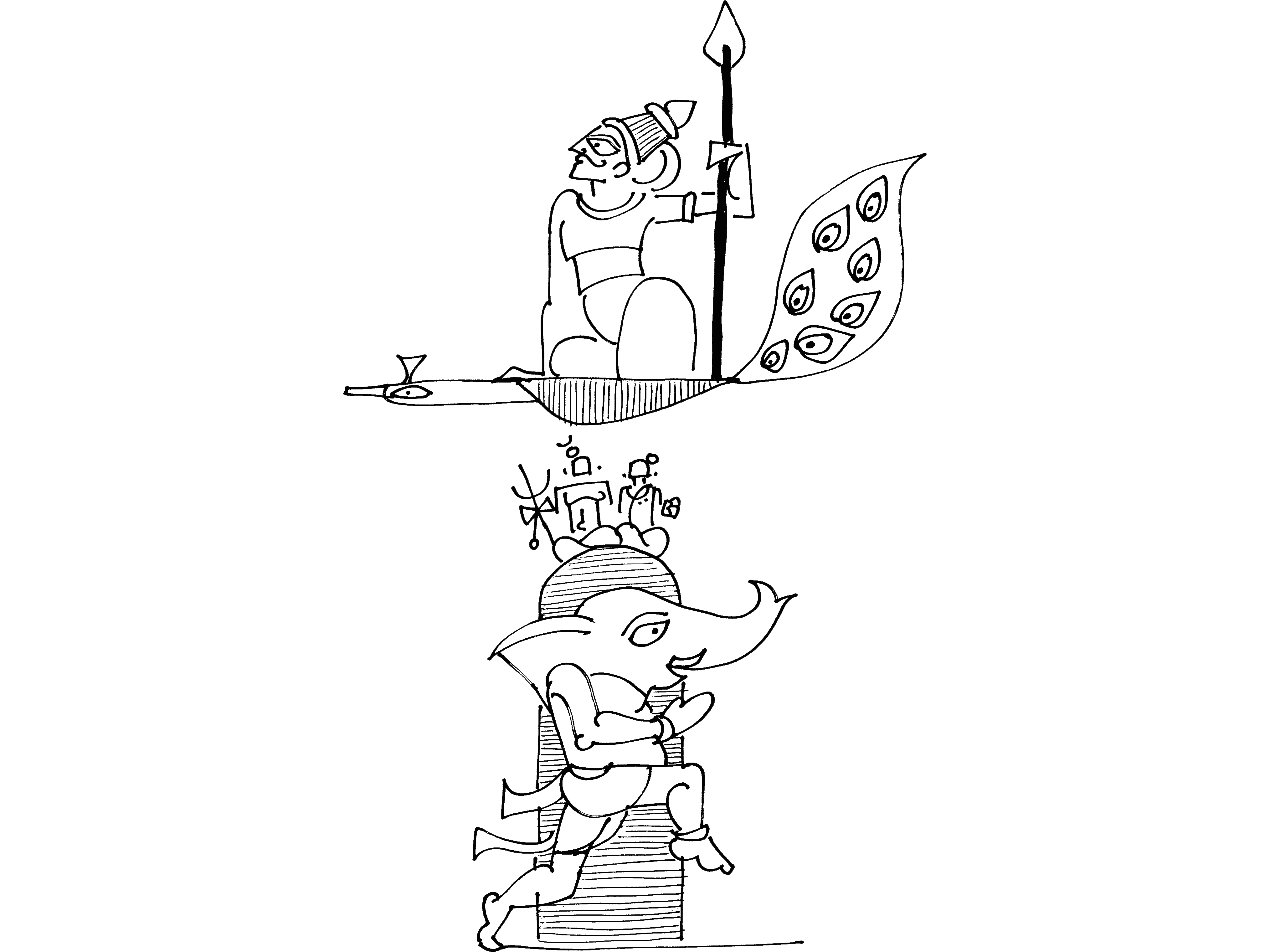
Reality Of Imagination
Imagination exists, but cannot be measured, controlled or predicted. It is this imagination that separates humans from animals and plants…
-
Articles

Ramayana: The World’s First Whodunnit
One of the most amazing things about the Ramayana — which makes it special — is that it is perhaps the world’s first mystery novel, a whodunnit. It is a process involving Jatayu, Kabandha, Shabari, Sugriva, and finally Jatayu’s elder brother, Sampati…
-
Articles

Legacy of Brahmi in Modern Languages
Why is the Ashokan script called the Brahmi script? Was it known so in Mauryan times? We do not know. Early scholars referred to it as “pin-man” script, then “Lat” script (from lathi, or staff, as the Ashokan pillars were known), “Indian Pali” and “Mauryan” scripts. …
-
Articles
Stories Behind Diverse Calendars of India
India has many calendars; different communities use different calendars in different regions. Therefore, it is very difficult to create a single Indian calendar, even if it follows traditional rules…
-
Articles

The Hindu Idea of Pilgrimage
Temples are becoming tourist spots. Festivals are becoming experience centres. Local priests are eager to provide customer delight. Politicians are figuring out ways to make profit by ensuring their people get lucrative contracts for hotels and restaurants. …
-
Articles

Coil of Endless Serpents
Coiled serpents and inter-twined conjugal serpent pairs appear as sacred symbols on Hindu temple walls. They reflect sacred ideas from beyond the Vedic world, where communities venerated serpent groves, filled with termite mounds, which served as entrances to a subterranean world of magical beings — the Naga, serpents with hoods, multiple heads, and the magical…
-
Articles
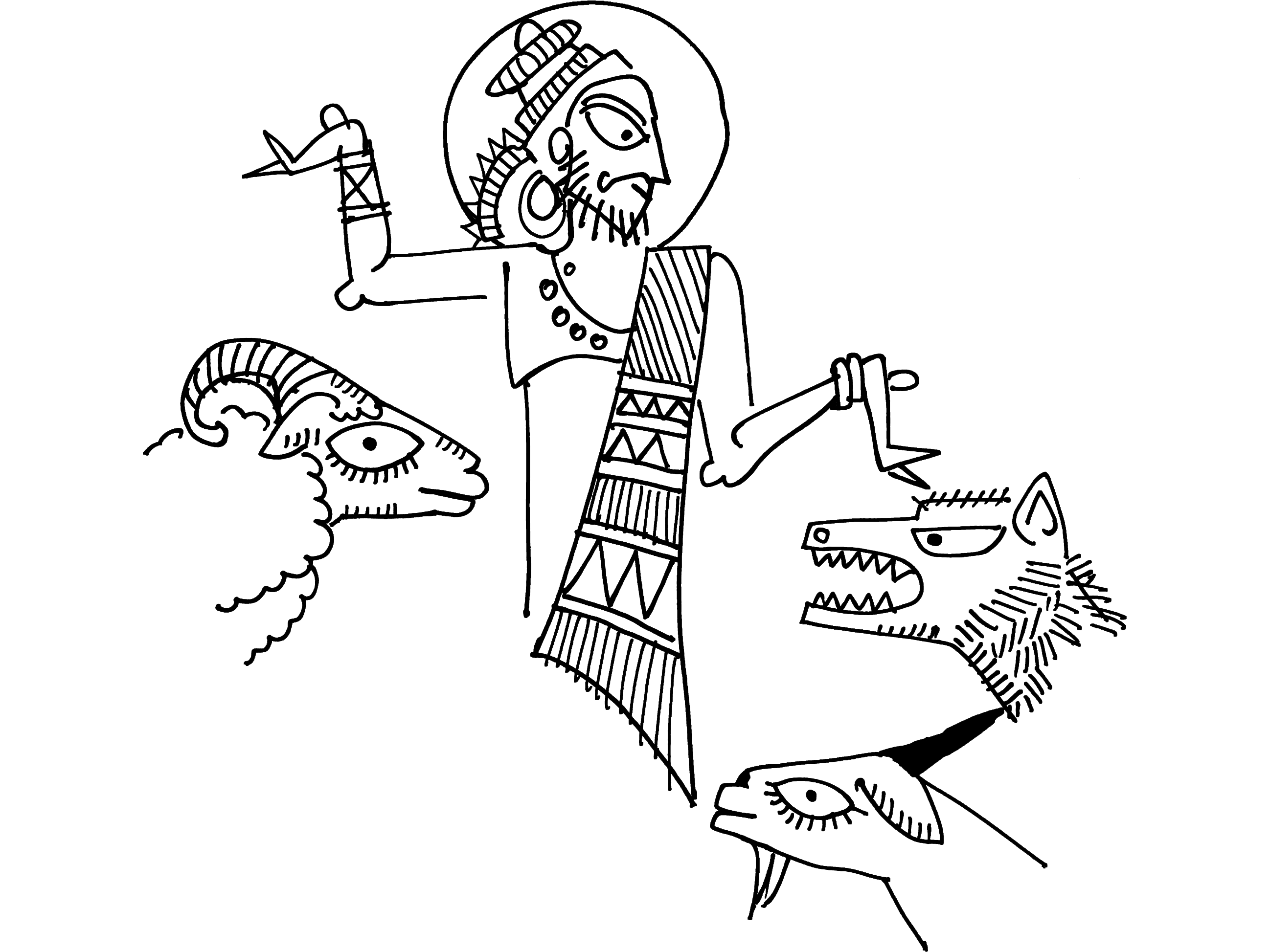
Why historians misunderstand myths — and why it matters
Most historians do not understand myths. They confuse it with fiction. Myths need to be distinguished from other kind of stories that shapes human culture…
-
Articles
Myth-making in History Departments
Historians who refer to myth as ‘fiction’ do a great disservice to humanity. It reveals their inability to separate faith from different types of fiction: parables, propaganda, and fantasy. …
-
Articles

Dalai Lama: Politics of reincarnation
The Dalai Lama plans to declare where he will be reincarnated in his next life. In other words, where his successor will be born. To the rational mind, this may sound like a bizarre proposition, but it has annoyed the Communist authorities in China…
-
Articles

Ashoka’s Afterlife
Historians amplify the rational and secular aspects of Ashoka’s inscriptions, and play down the mythical elements, use of words like paraloka and swarga. These would indicate Ashoka’s need to perform ritual acts to ensure a positive fate in the afterlife…
-
Articles
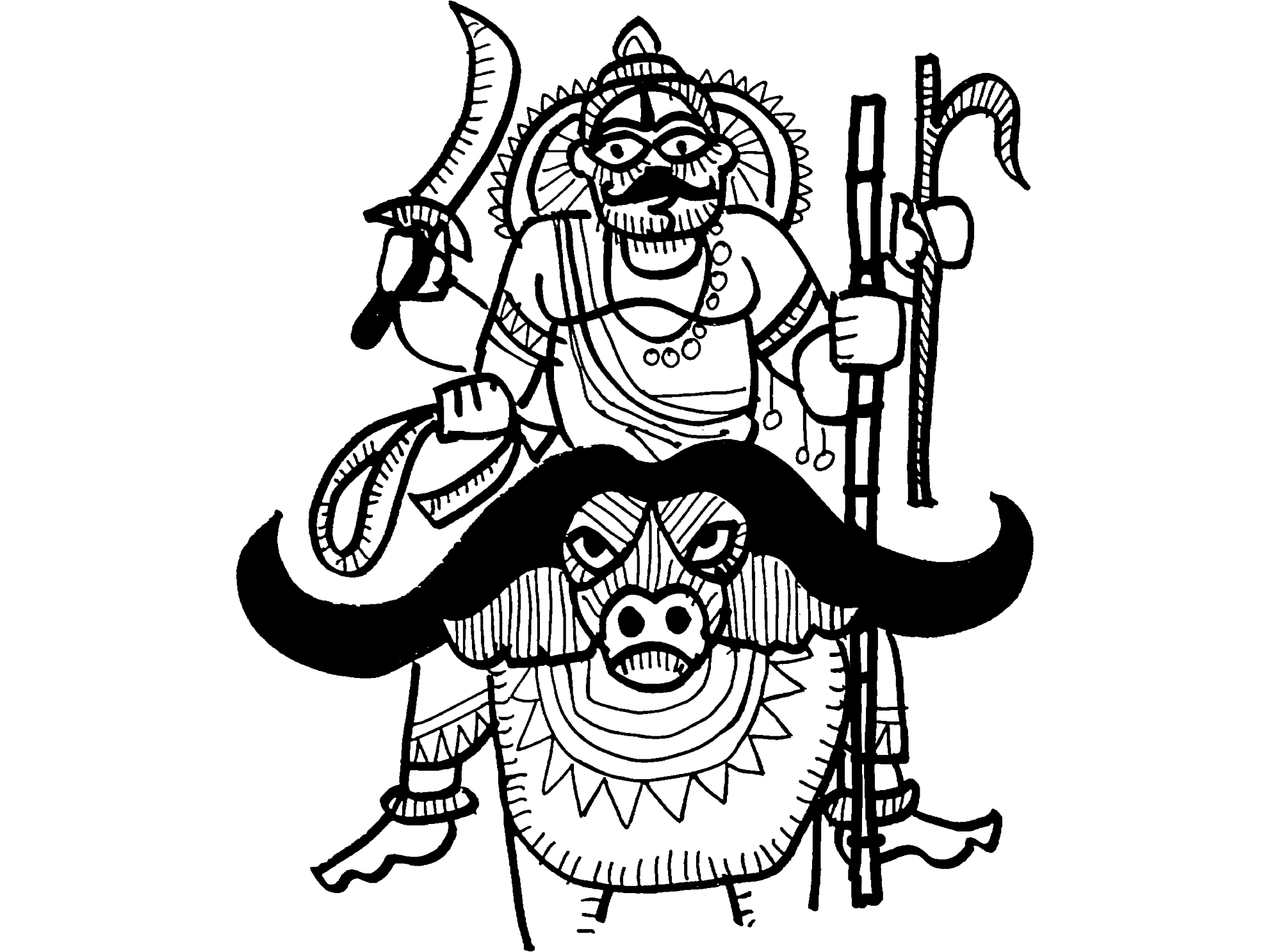
Cultural Significance of the Buffalo
Buffaloes are found in ponds, rivers, marshes, and wetlands meant for rice cultivation. Cows, on the other hand, prefer drier jungle areas. India has both dry jungles and wet river basins…