
Mythologist | Author | Speaker | Illustrator

-
Articles

Imagining Hinduism Without Caste
For centuries, what we now call Hinduism was never a single religion. It was a civilisation organised through caste. Each caste had its own gods, rituals, food rules, taboos, and ideas of the sacred. Diversity was not accidental; it was structural. To imagine a caste-free Hinduism is therefore to imagine uniformity. Who defines it then?…
-
Articles
Beyond Karma: Subaltern Tales of Caste Origin
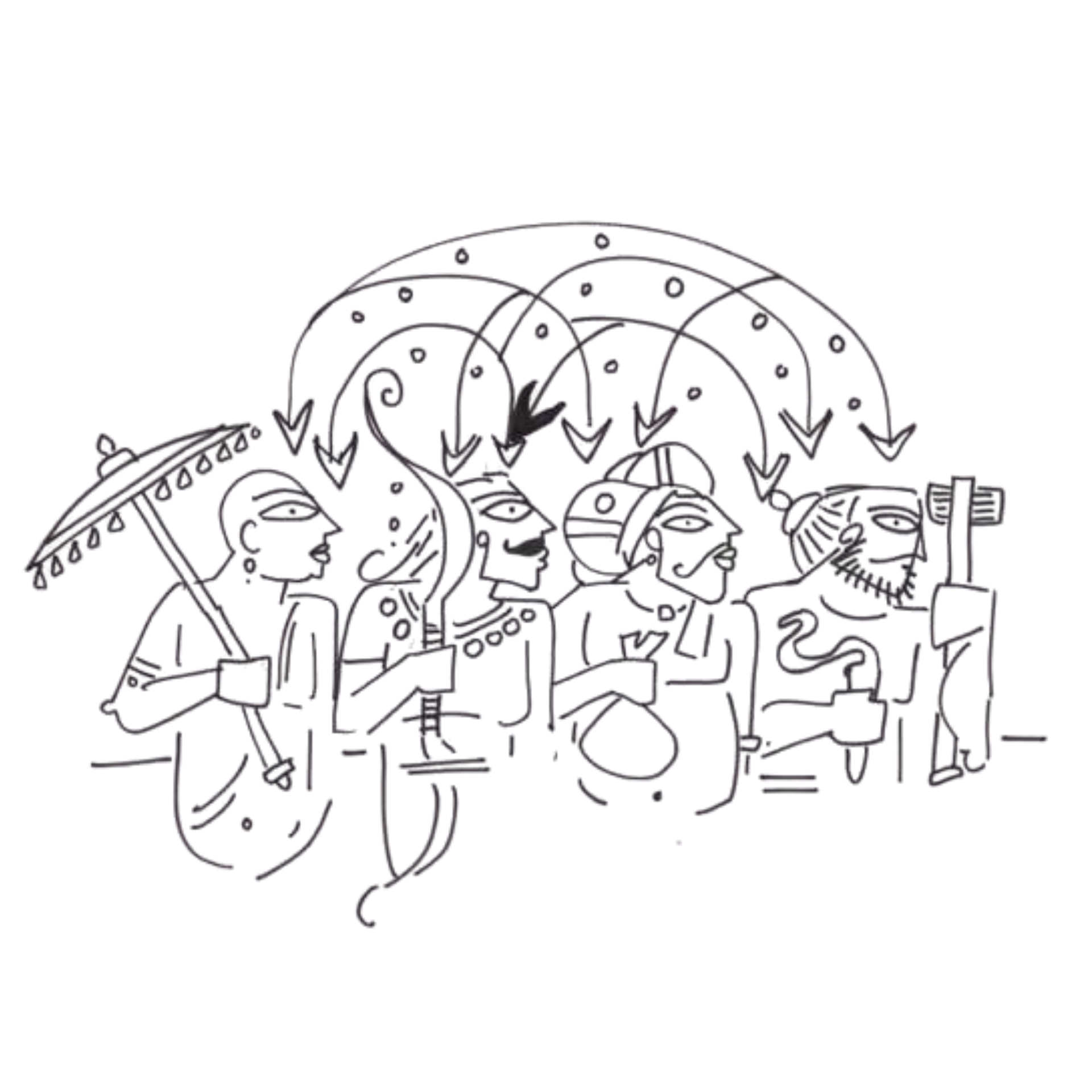
When the missionaries came to India, they argued that Hindus accept social hierarchy because they believe their birth is the result of past actions. Karma promoted fatalism. This interpretation led many anti-caste reformers to reject karma itself. The Jataka tales describe the many previous births of the Buddha, showing how good deeds over lifetimes led…
-
Articles

Of Jains And Jews
The comparison between Jains in India and Jews in Europe reveals two remarkably similar minority communities with profoundly different historical destinies. Both occupied economically influential positions disproportionate to their demographic size. Both cultivated strong internal discipline, dietary codes, educational traditions and merchant ethics. Yet while Europe repeatedly produced violent anti-Semitism culminating in genocide, India never…
-
Articles

India Between Empires: A Reality Check
India has always been sandwiched between East Asia and West Asia. From the West, came horses. From the East came gold. India itself was the land of cotton – it had neither metal nor horses…
-
Articles

A Tamil Reimagining of the Ramayana
Kambaramayanam is one of the most celebrated works of Tamil literature. Composed by the poet Kamban around the ninth century in Tamil Nadu, in the time of Chola kings, it is a lyrical retelling of the Ramayana filled with rich poetry, elaborate metaphors, and deep moral reflection. …
-
Articles

Re-centring the Hindu Goddess
Re-centring the goddess is not anti-male. It is pro-ecosystem. It reminds us that festivals are contracts with land, water, animals, and labour — especially women’s labour. When we reduce Diwali to a warrior’s homecoming, we miss Lakshmi’s audit of how we earned, spent, hoarded, and gave. When we make Navaratri a fashion parade, we forget…
-
Articles
Today’s Sanatan Dharma prefers ‘trad’ Bhisma
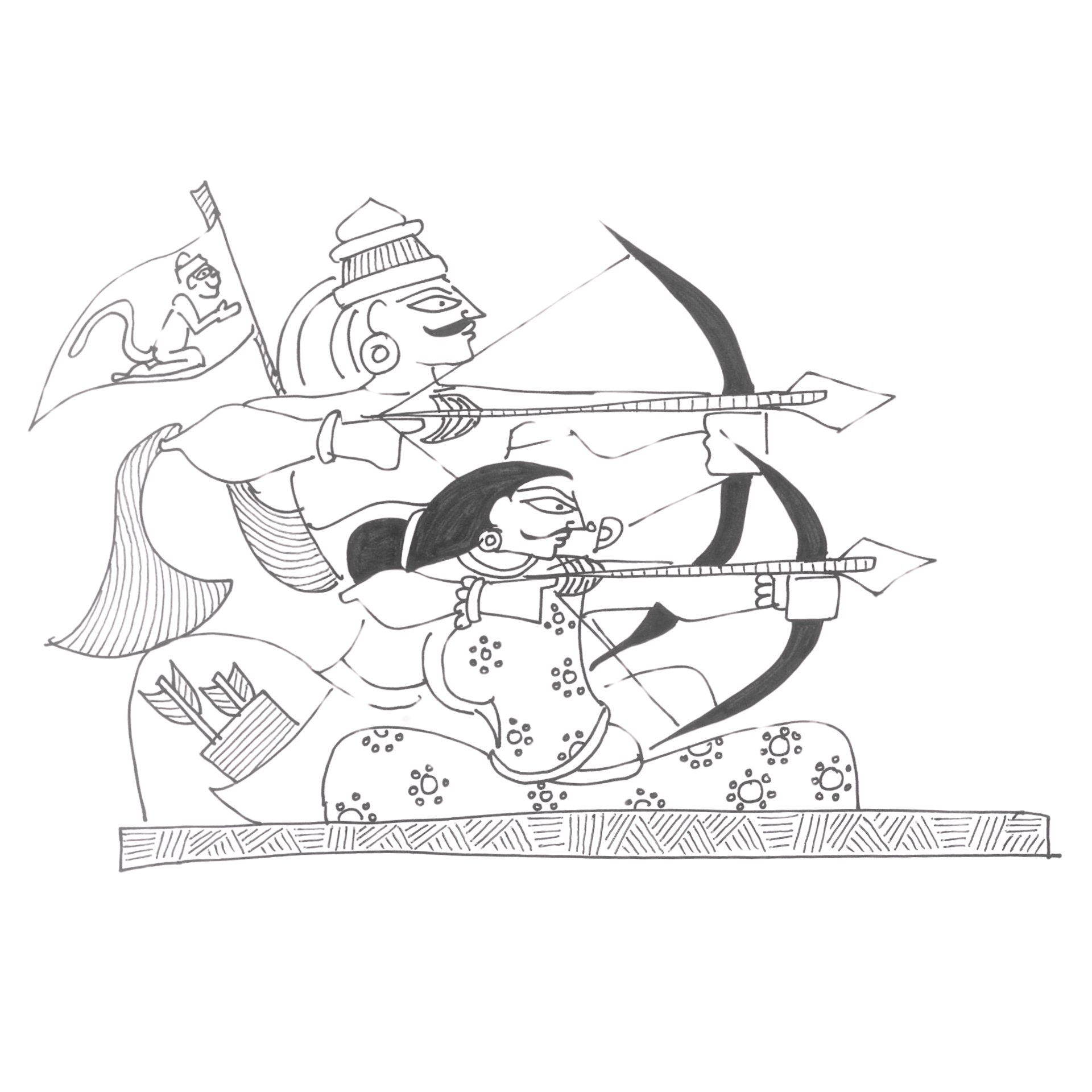
The Trans Bill signed by the President of India aligns with the commander of the Kauravas, not Krishna. The Kauravas were more aligned to Christian Evangelists, not “woke” Krishna…
-
Articles

Why Lord Ram Was Painted Green
In Nayaka art, Ram is painted green, the colour of tender leaves that emerge from the earth after rains. Green is not the colour of fear or dominance. It is the colour of renewal, fertility and calm strength. This Ram is not alone. …
-
Articles
Did the Mughals invent Hindi?
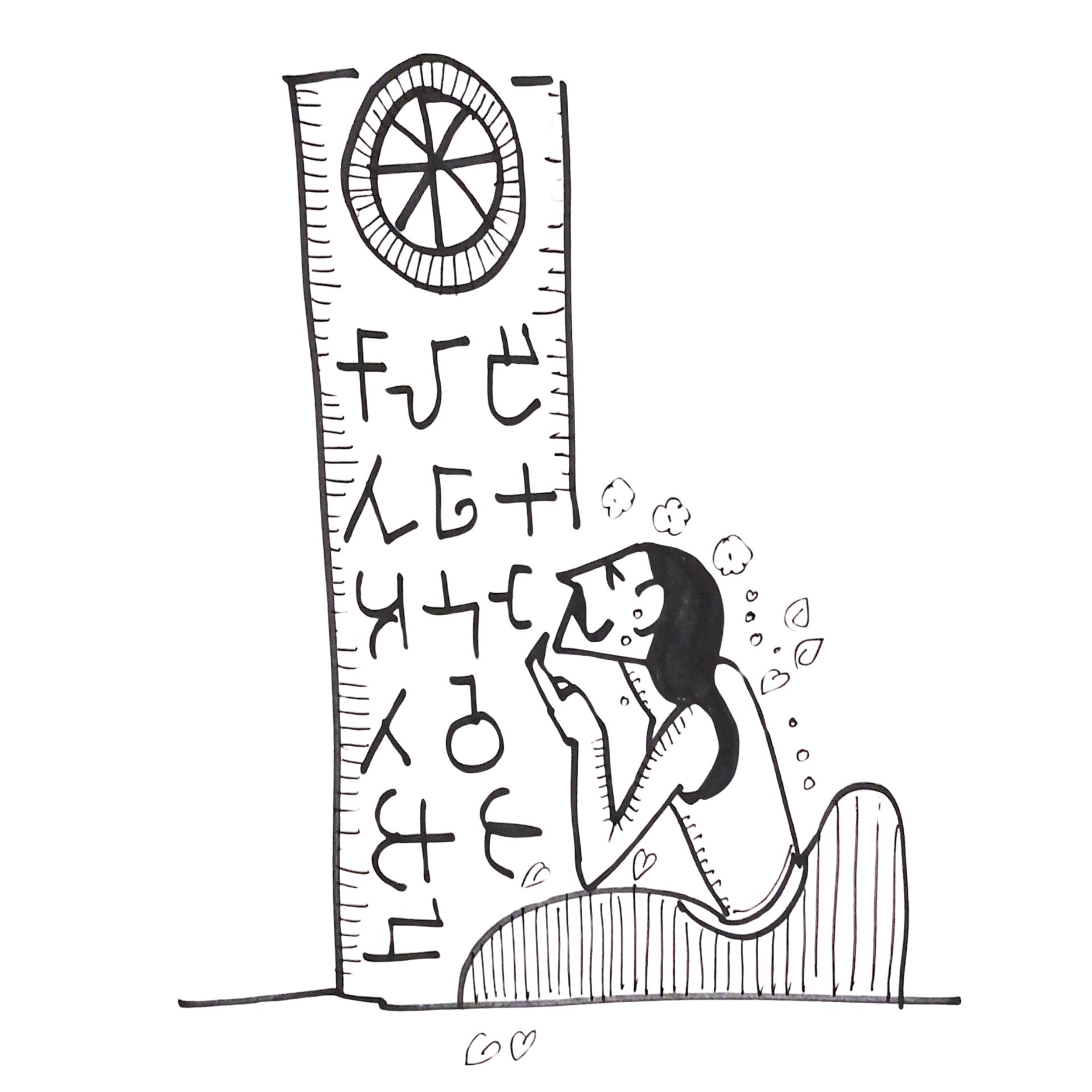
Hindi is often described as a language born in Mughal barracks, as if it were simply the speech of imperial camps. This is an attractive phrase, but it is historically incomplete. The story of Hindi is much older, far wider, and far more layered. …
-
Articles

A Colonial Category Called Religion
Hinduism did not become a religion by organic evolution. It was forced into becoming a religion by colonial definitions, Christian templates and Brahminical reinterpretations. What had functioned for centuries as a civilisational ecosystem of caste, ritual, myth, kinship, land and livelihood was squeezed into the narrow mould of “religion” as understood in the industrial West.…
-
Articles
If Usha Vance became Christian, would she be American enough?
Sensing the shift in public narrative following the killing of Charlie Kirk, now seen as a Christian martyr, Vice President JD Vance declared publicly that he hoped his wife, Usha, daughter of Telugu Brahmin immigrants, would convert to Christianity. But in today’s America, that is not enough…
-
Articles
The Ravana of Ratanpur
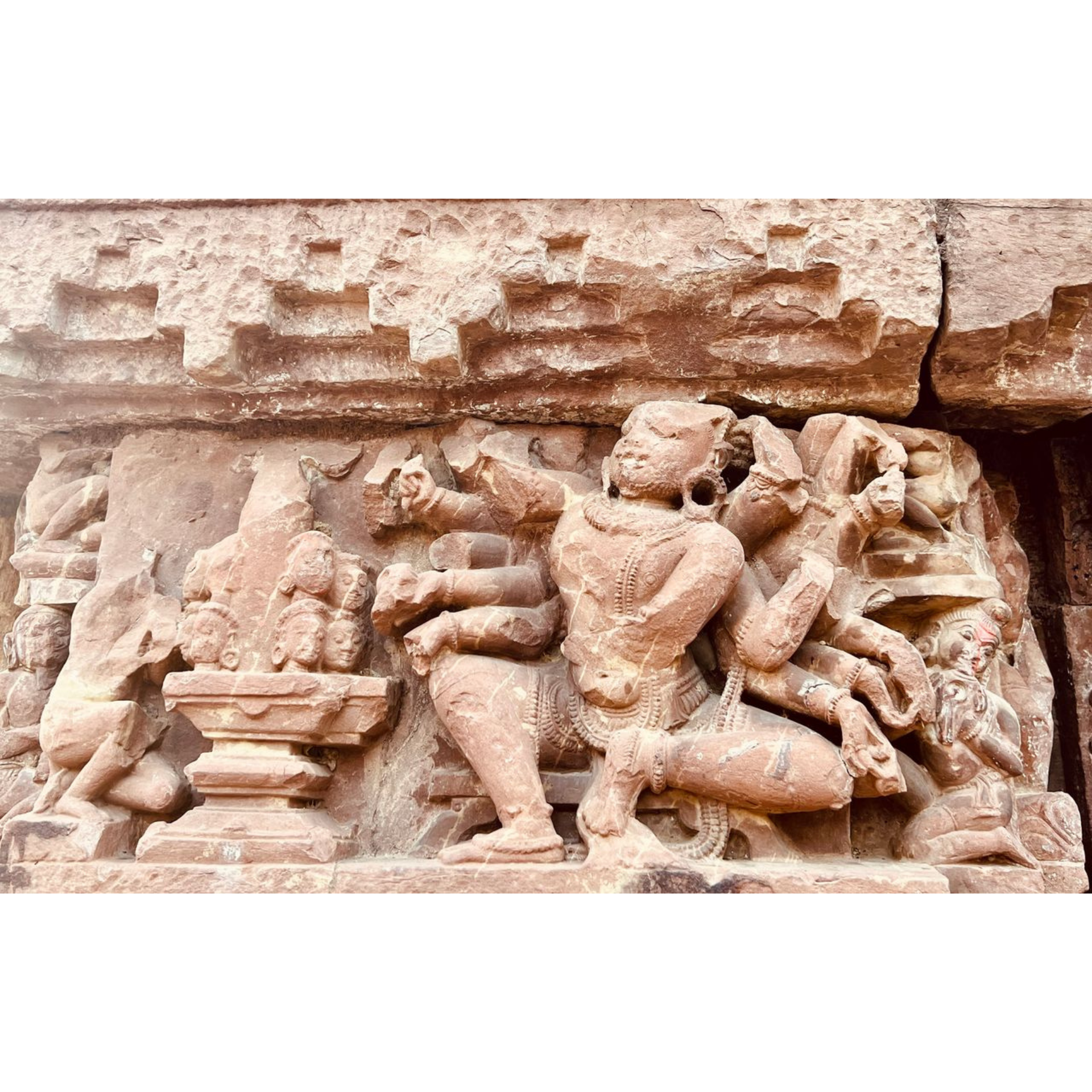
At Ratan-gad, or Ratanpur Fort, near Bilaspur in Chhattisgarh — once part of Madhya Pradesh — there exists a rare and striking sculpture of Ravana. He is shown cutting off several of his 10 heads and offering it into a sacrificial fire. This scene does not come from Valmiki’s Ramayana, but from a later imagination.…
-
Articles

The Tale of Two Somnaths
Loud discussions on how Muslim raiders from Ghazni plundered Somnath temple, on the Gujarat coast a thousand years ago, ignore how Jain ‘basadi’ in Karnataka were replaced by Somanatha Shiva temples around the same time. This is also the time when Rajaraja Chola marched up the eastern coast of India, plundering the kingdoms of Andhra,…
-
Articles
Will Bollywood Rama Ignore Shambuka?
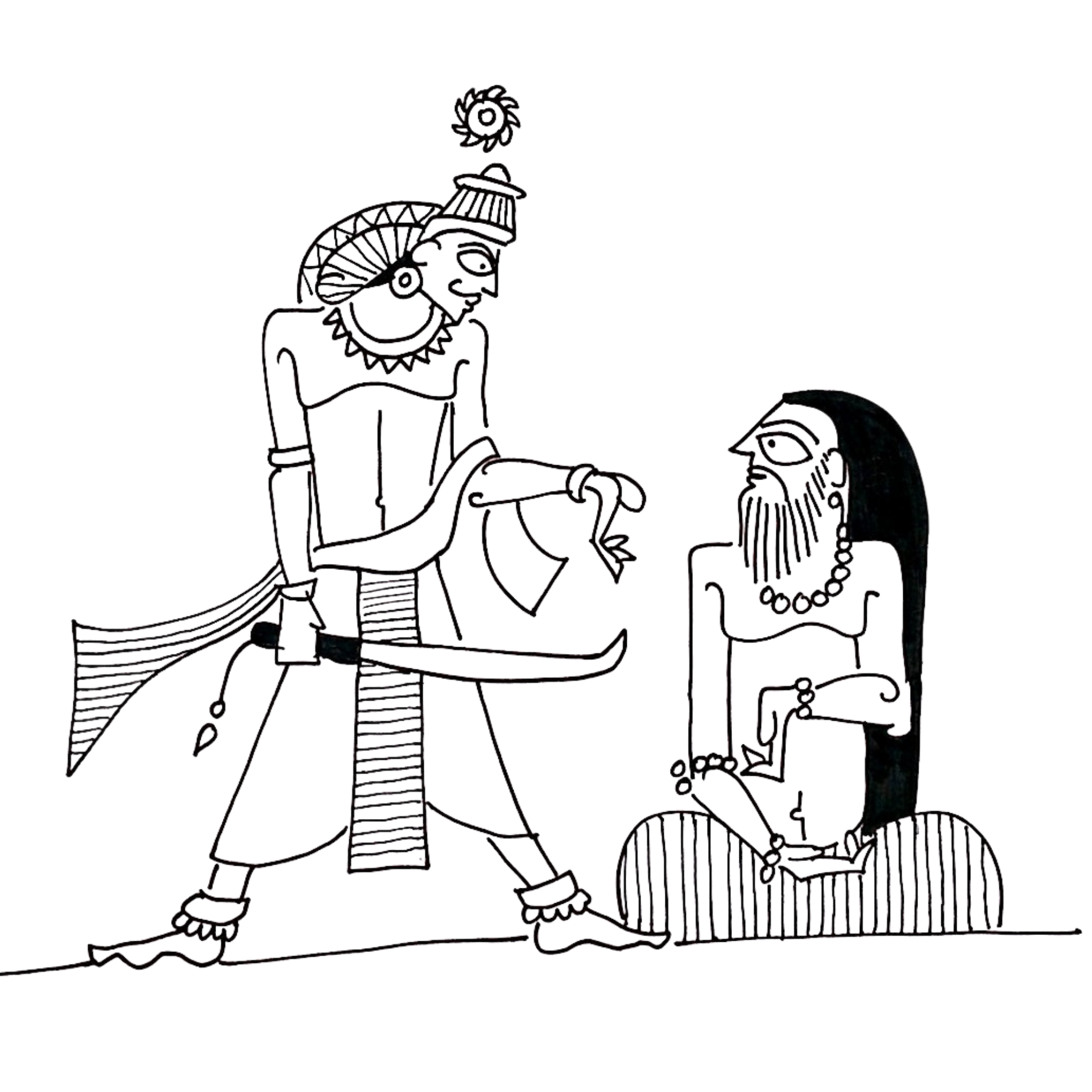
A Brahmin approaches Rama in grief. His young son has died prematurely. Such a death, he says, can only happen when dharma is disturbed. A king is responsible for cosmic order. If something unnatural has occurred, the fault lies with the ruler…
-
Articles
Blood Pacts of Kutch
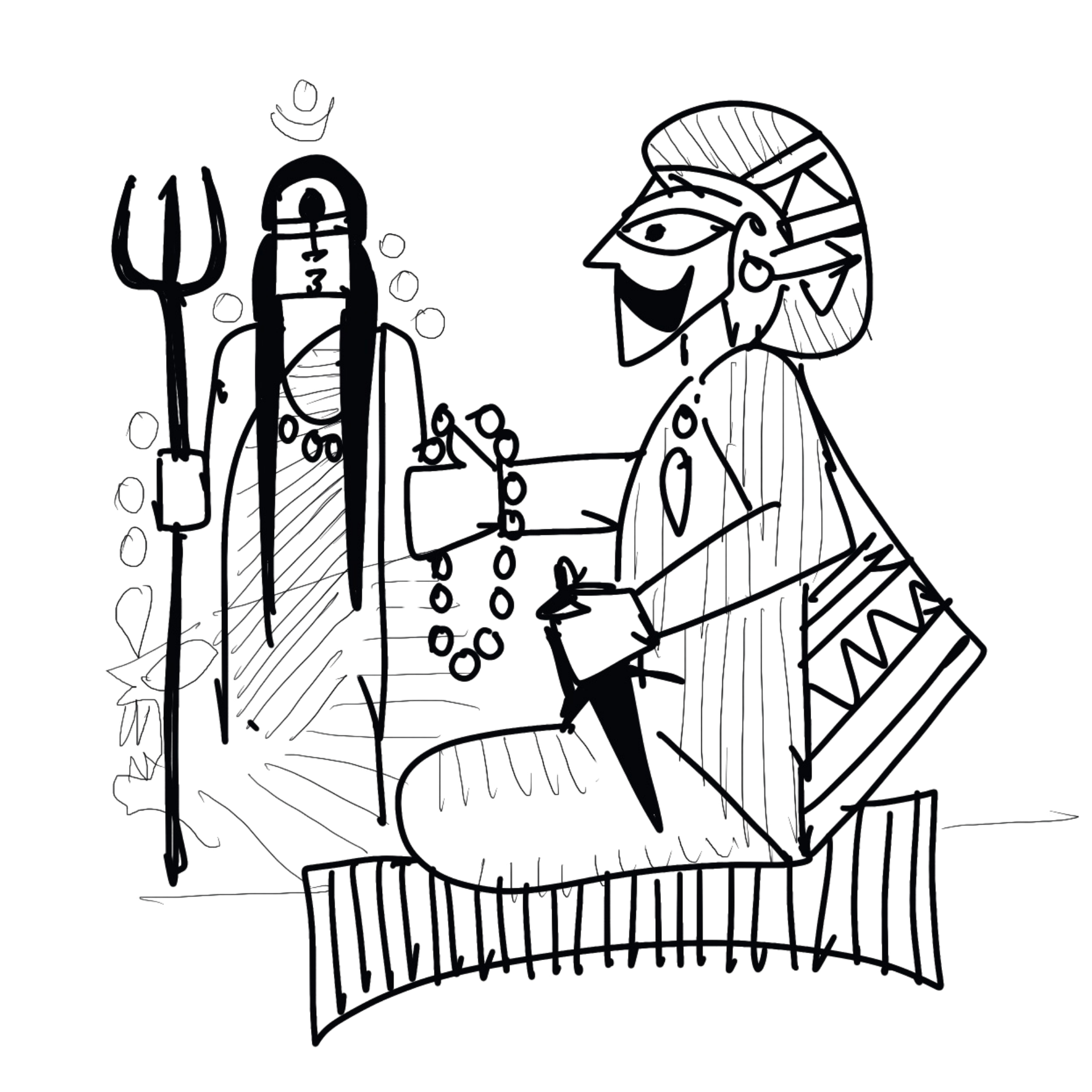
Priestly role was often performed by Charans. They were bards, negotiators, ritual specialists, poets, warriors, royal companisons and much more. They preserved memory in the old Dingal language. …
-
Articles

All About Marriage, Meaning, and the Shiva–Shakti Union
The marriage of Shiva and Shakti is not about property, lineage, or inheritance. It is not about power, spectacle, or display. It is about two individuals giving meaning to each other. …