
Mythologist | Author | Speaker | Illustrator

-
Articles

When Hanuman Took Initiative
There are two forms of Hanuman. In one he sits at the feet of Ram, an obedient assistant. This is Ram-dasa Hanuman. In the other, he stands alone, displaying ten hands and four extra heads: that of a lion, an eagle, a wild boar and a horse. This is Maha-bali Hanuman. …
-
Articles

The Sage Under the Berry Tree
The name Badrinath carries a quiet ecological memory. Badri means the berry (Ziziphus mauritiana), or jujube tree. Nath means lord. …
-
Articles

How Shankara Became a Mythic Hero
The Shankara legend is less about history and more about imagination – how India turned a philosopher into a divine hero, a world conqueror, and a unifier of its sacred geography…
-
Articles

Lakshmi’s Elephants
Across India, the most familiar image of prosperity is Lakshmi flanked by two elephants pouring water over her. We see this in homes, shops, banks, and even in modern advertising. But few pause to ask why elephants stand beside the goddess of wealth. Why not cows, horses, lions or birds? …
-
Articles
How Metaphors Reveal Ancient India’s Cultural Secrets
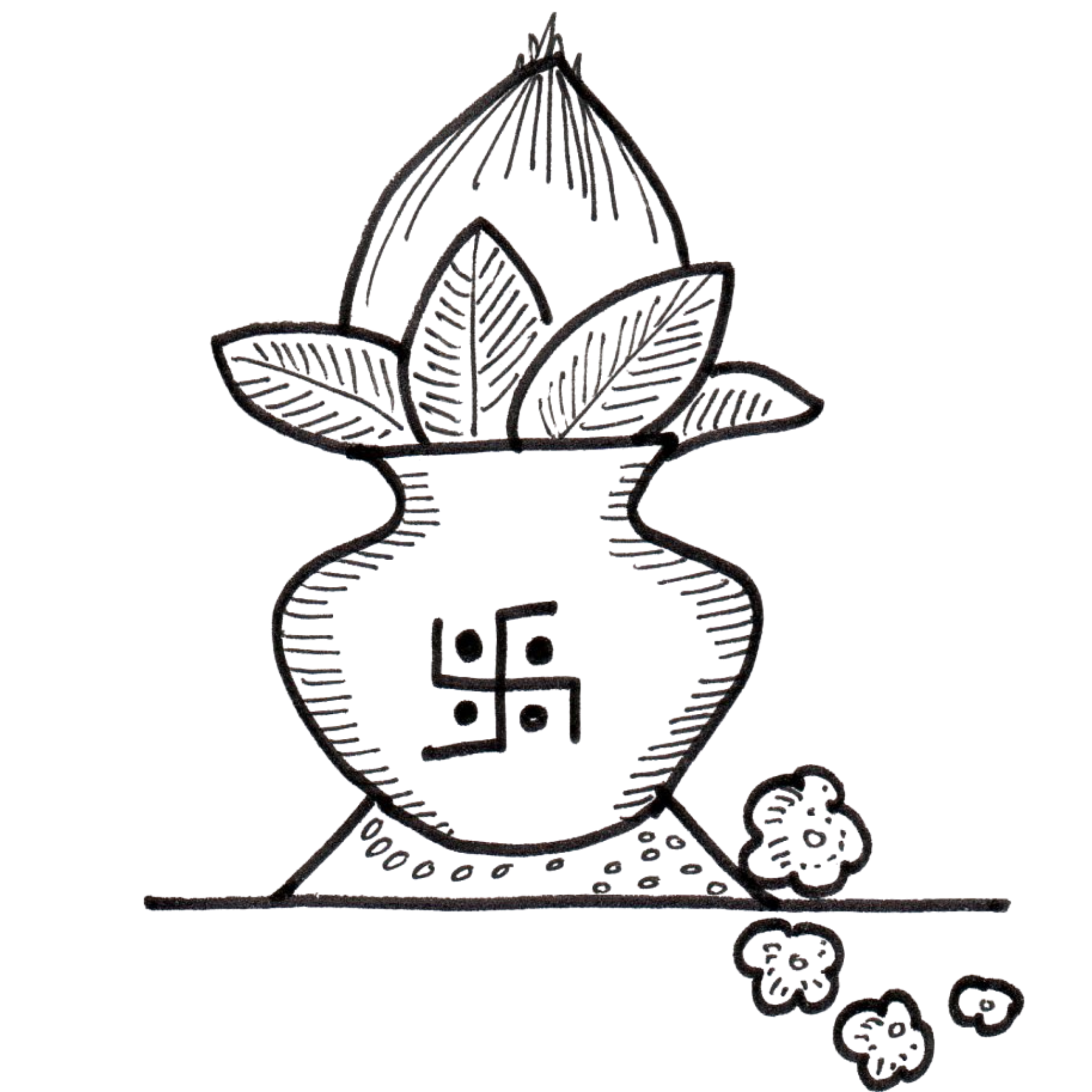
Early Indian metaphors emerge from three very different cultural zones: the Vedic northwest, the Tamil south, and the Prakrit-speaking Deccan. Each region had its own climate, flora, fauna, settlement pattern, and historical rhythm. …
-
Articles

Is the Hamsa an Indian Goose or a European Swan?
The bar-headed goose (hansa) is a key cultural symbol of India, along with other waterfowl such as the sarus crane (krauncha), ruddy shelduck (chakravaka) and crane (baga, bagula). This list excludes the swan (raj-hansa), which is European, not Indian. But somewhere in the last two centuries, the Indian goose was eclipsed…
-
Articles

Jain Saraswati On Goose or Peacock
Sarasvati, goddess of knowledge and speech, has ancient roots in the Vedic river Sarasvati, the cradle of learning and ritual. Over time she evolved from river to goddess, depicted with manuscript, rosary, and water pot — symbols of wisdom. …
-
Articles

China’s Eternal Loop
Just as India is torn between the academician’s truth and the politician’s truth, so is China. But relative to India’s history which is strongly based on diversity, Chinese history is a product of unification…
-
Articles
Double Entry of Paap and Punya
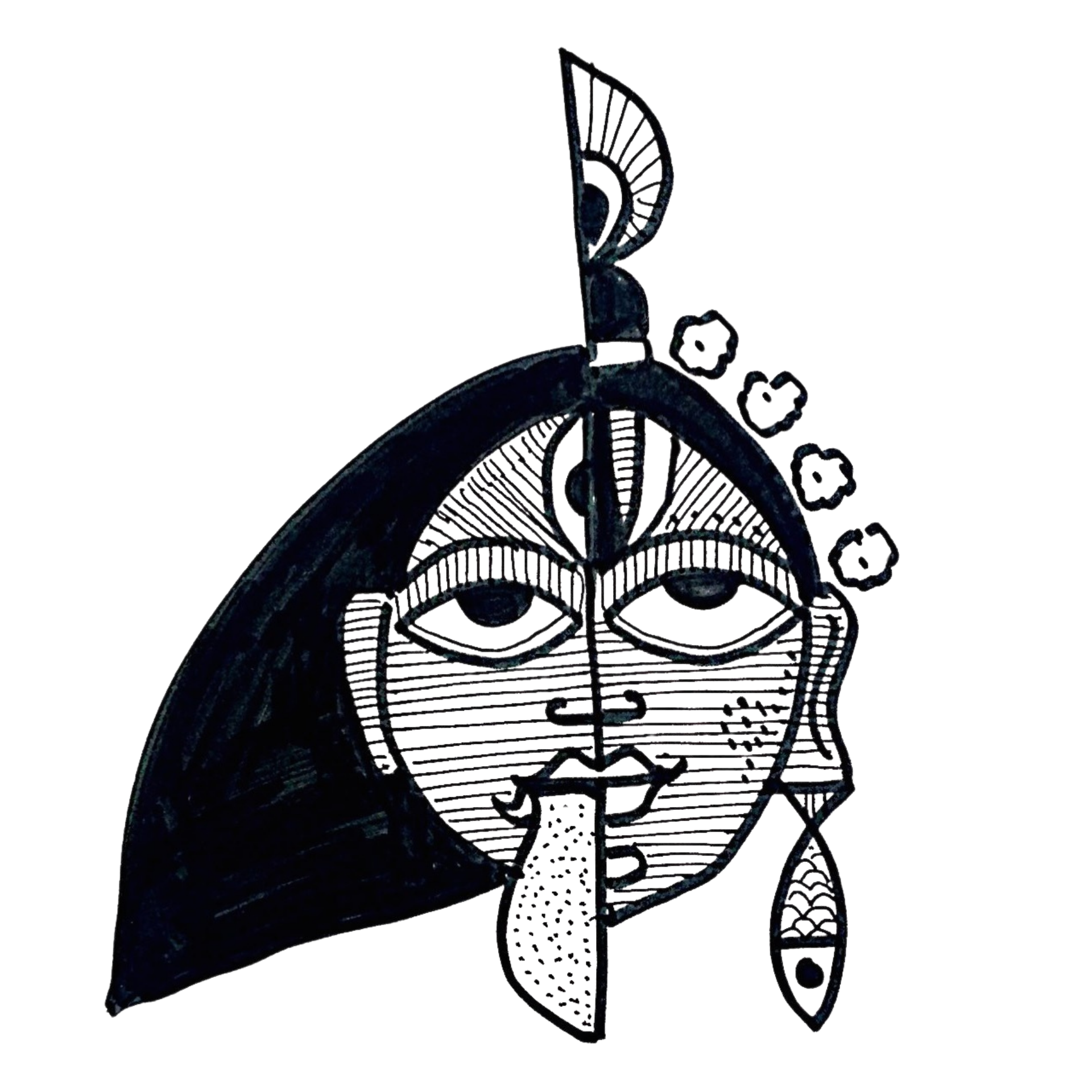
The idea that every financial transaction has two sides is old in India. Long before the Venetian merchants of the 15th century formalised double-entry bookkeeping, Indian traders, guilds and temples had developed parallel practices that reveal the same mental model of balance and reciprocity. …
-
Articles
The Unfaithful Wives In Ramayana
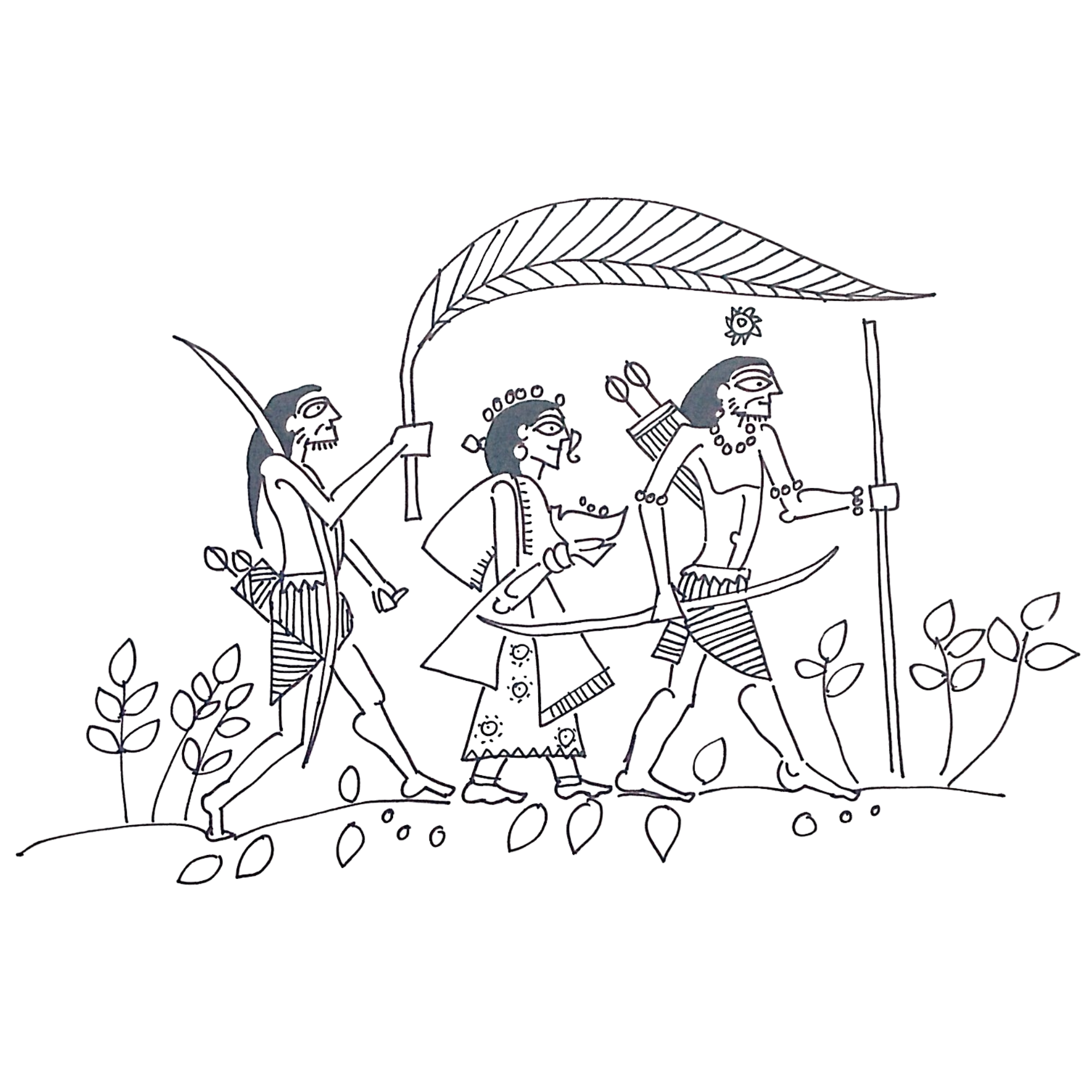
The Ramayana, in fact, presents three types of infidelity. Ahalya engages in physical relations with another man. Rishi Jamadagni’s wife, Renuka, momentarily thinks of another man, representing psychological infidelity. And Sita remains utterly faithful to her husband in both body and mind, yet her reputation is tarnished by her abduction by a demon king…
-
Articles

Shishupalgarh, the Forgotten Capital of Ancient Kalinga
Shishupalgarh, on the edge of modern Bhubaneswar, offers a window into an urban world that flourished 2000 years ago. It belongs to a time when India was connected to the wider world of oceanic trade. …
-
Articles

Brahmin Wars Beneath Vande Mataram
We already have a national anthem, ‘Jana Gana Mana’. Why then the ruckus over a national song, ‘Vande Mataram’? Could it have something to do with the caste of the respective poets, both Bengali Brahmins, but one lesser in ritual stature and the other higher?…
-
Articles
Brief History of Rasa, India’s Aesthetic Theory
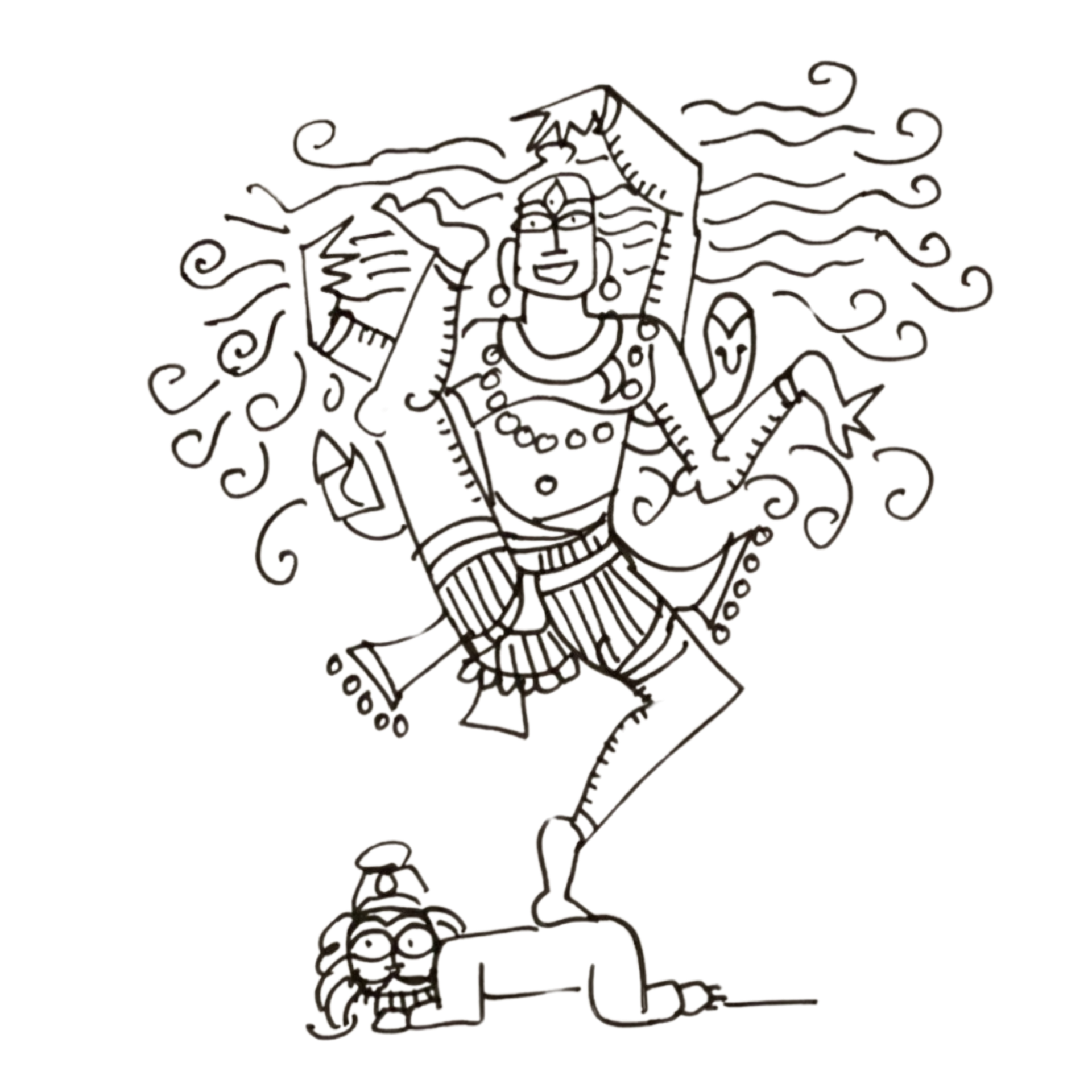
Ancient Indians analysed the experience of beauty (aesthetics) using the rasa theory. Rasa means juice. Just as the mere thought of food makes the mouth water, the experience of art generates a flow of aesthetic juices (rasa) in the audience – be it the performing arts (music, song, dance, story, theatre) or the plastic arts…
-
Articles
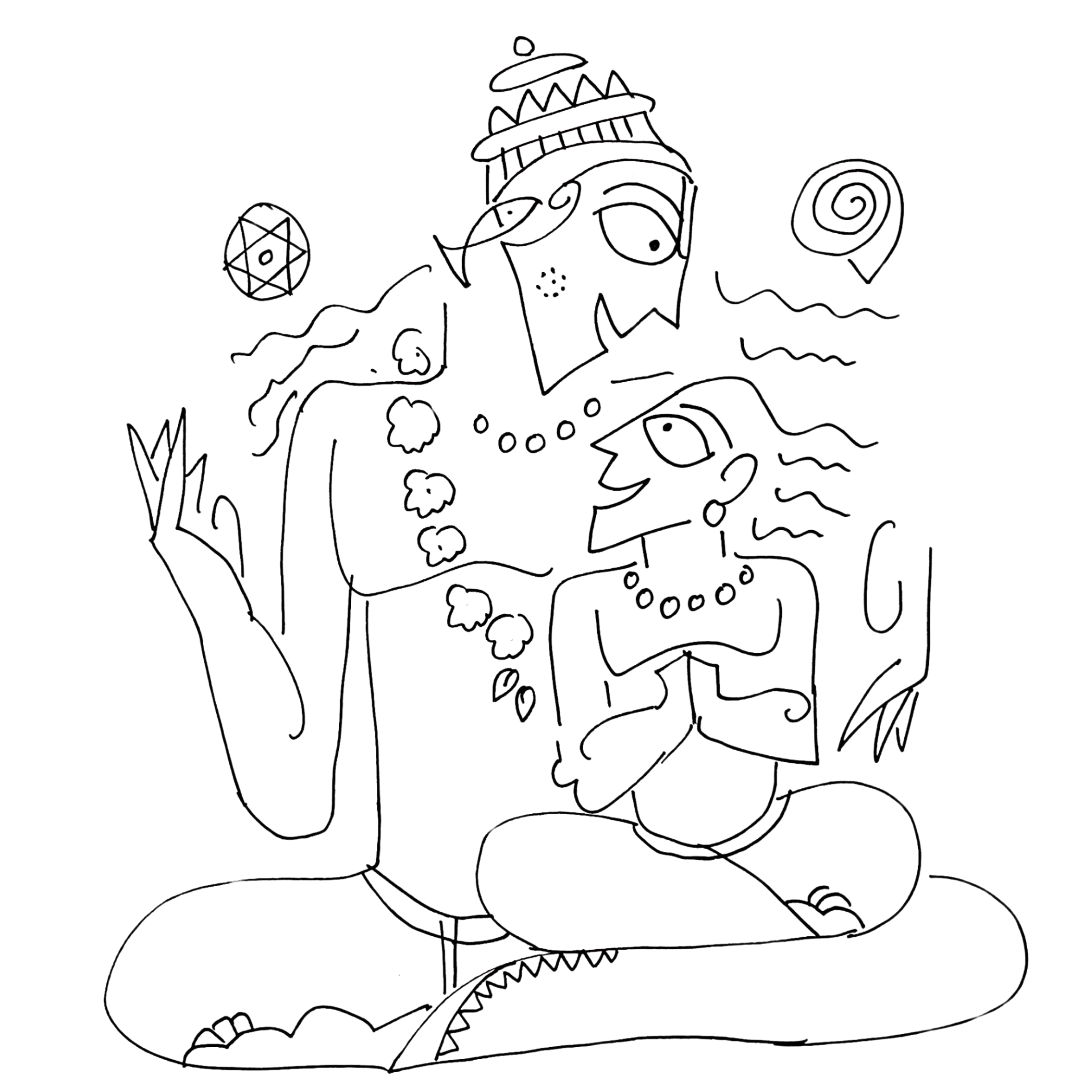
When the Sky Remembers What Humans Forget
Over generations, people realised that constellations did not rise at the same place during the same season. Spring was once marked by one set of stars, but later by another. This shifting sky puzzled ancient observers until they learned to read it as history written across millennia…
-
Articles
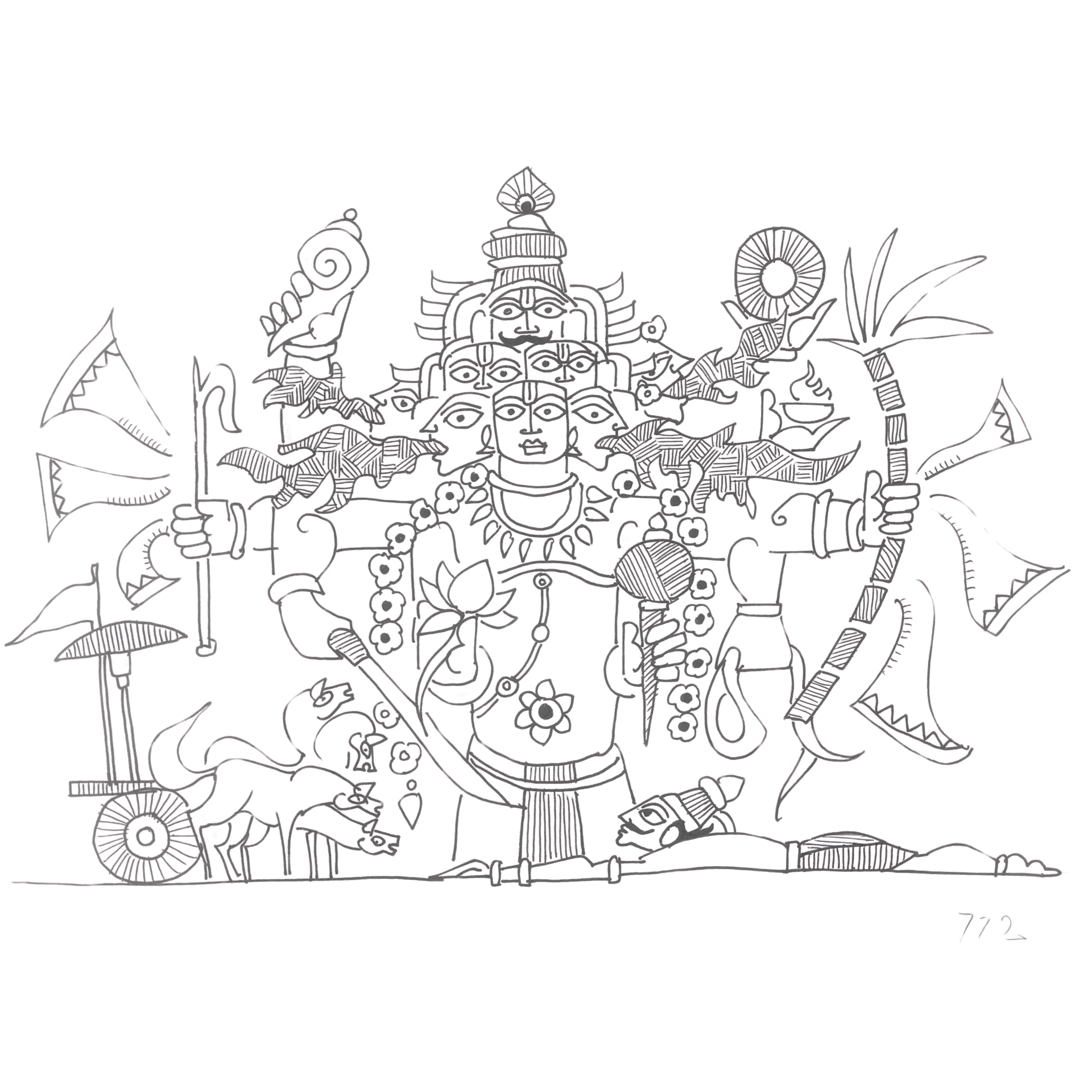
Gita on Relationships
Krishna uses three powerful words in the Gita to understand relationships: adhyatma, adhidaivam, and adhiyajnam…
-
Articles
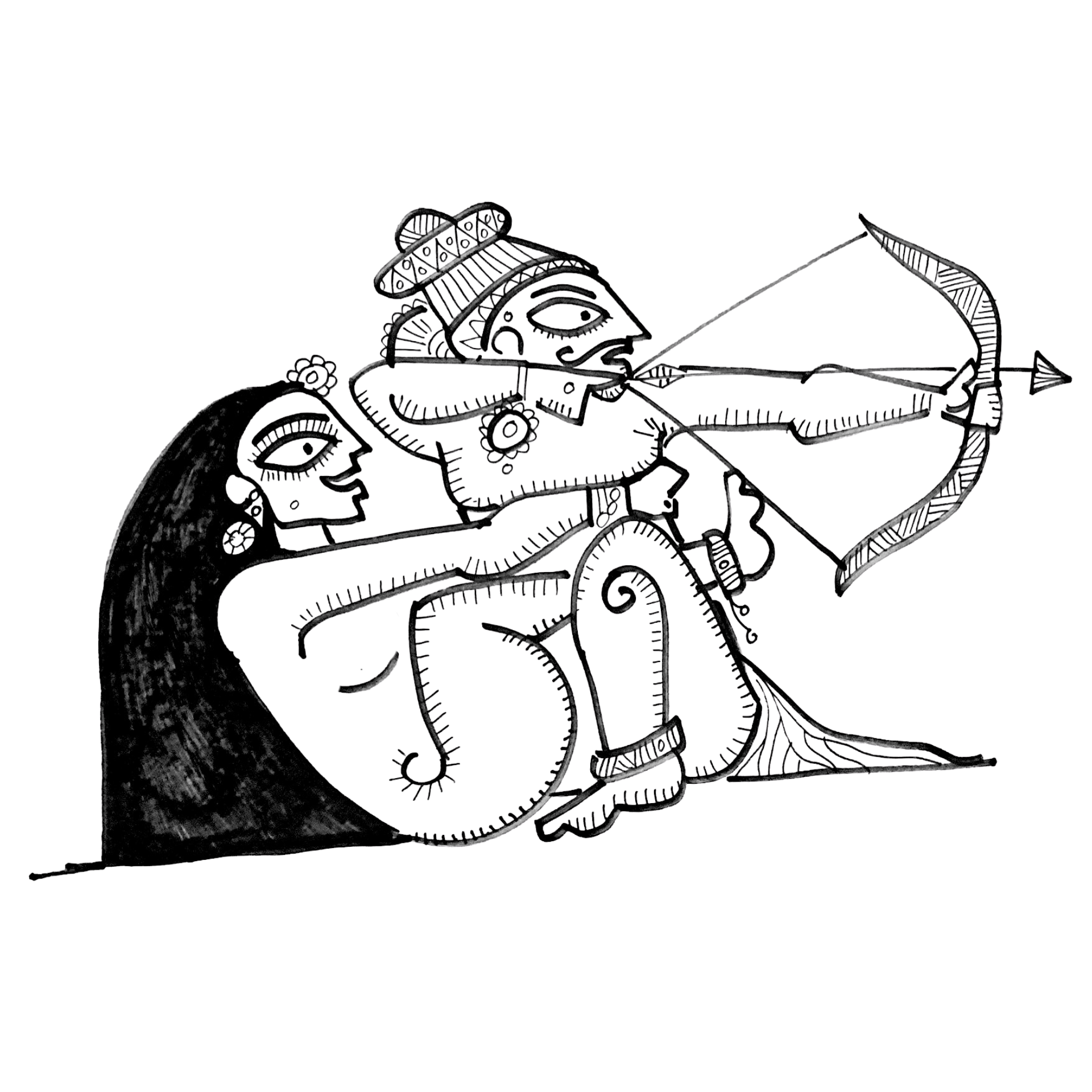
Decolonising India’s Erotic Heritage
We were never a culture of shame. We were made into one. Not just by the British. But also by their Brahmin collaborators. Both found common cause in attacking powerful rich independent Hindu women, the women who gave India its musical and dance heritage…