
Mythologist | Author | Speaker | Illustrator

-
Articles

How Indian Mythology Maps Emotion to Geography
In Tantrik lore, Shiva sits in the mountains, Chamunda sits in the crematorium. When they make a home, they find joy in Kashi, on the banks of the Ganga…
-
Articles
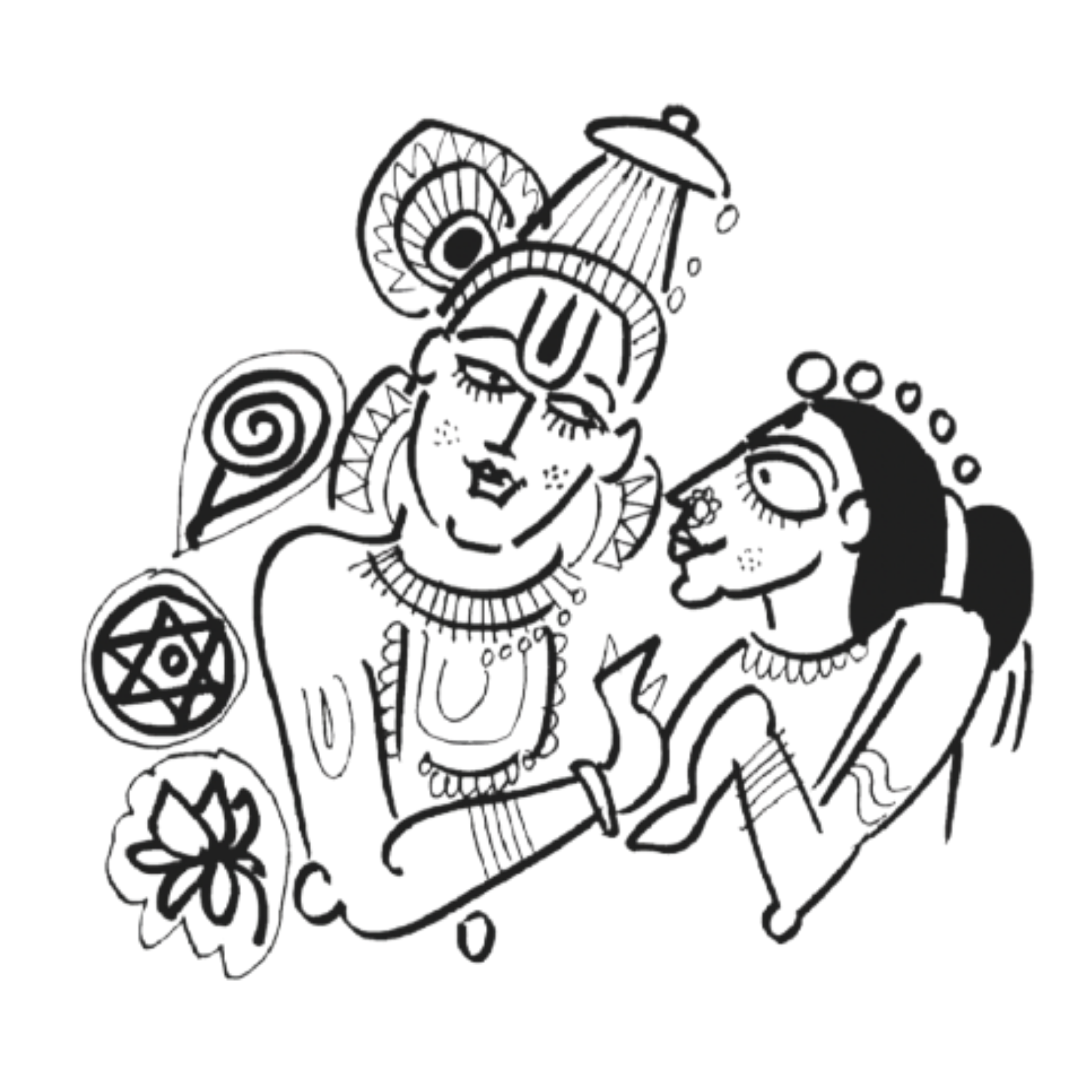
Equality In Love
Every context is different. Standard rules do not apply. The point is that we witness each other and allow each other to grow…
-
Articles

What Does Indian Mythology Have To Say About Marriage Dynamics?
In Shiva temples, the couple are always together, but in Vishnu temples, the goddess has her separate shrine, asserting her identity…
-
Articles
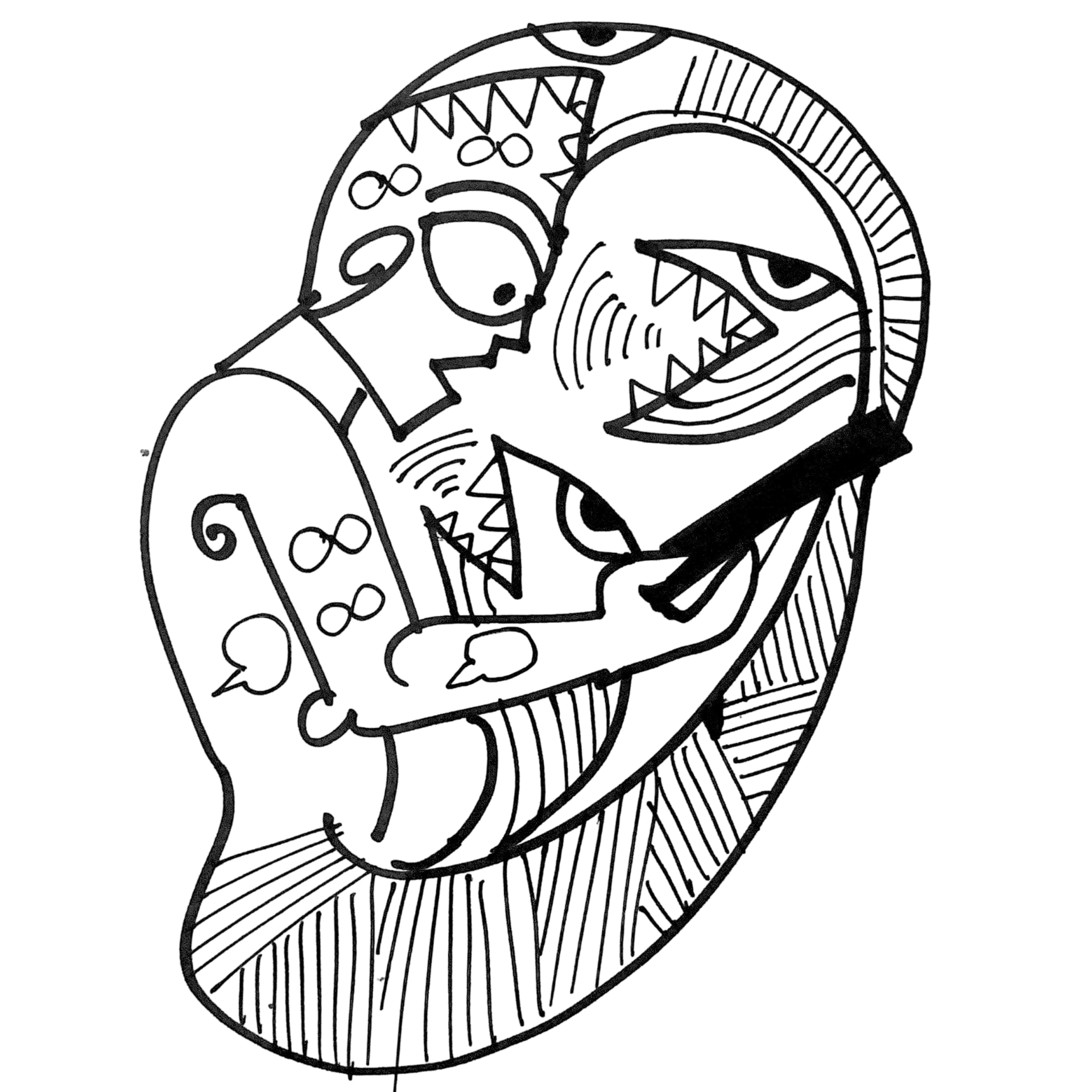
How Ahimsa Enables Untouchability
Ahimsa is presented as the highest Hindu virtue. It evokes images of gentle sages, compassionate saints, and morally superior lives. But beneath this halo lies a social technology that has, for centuries, enabled and reinforced untouchability. …
-
Articles
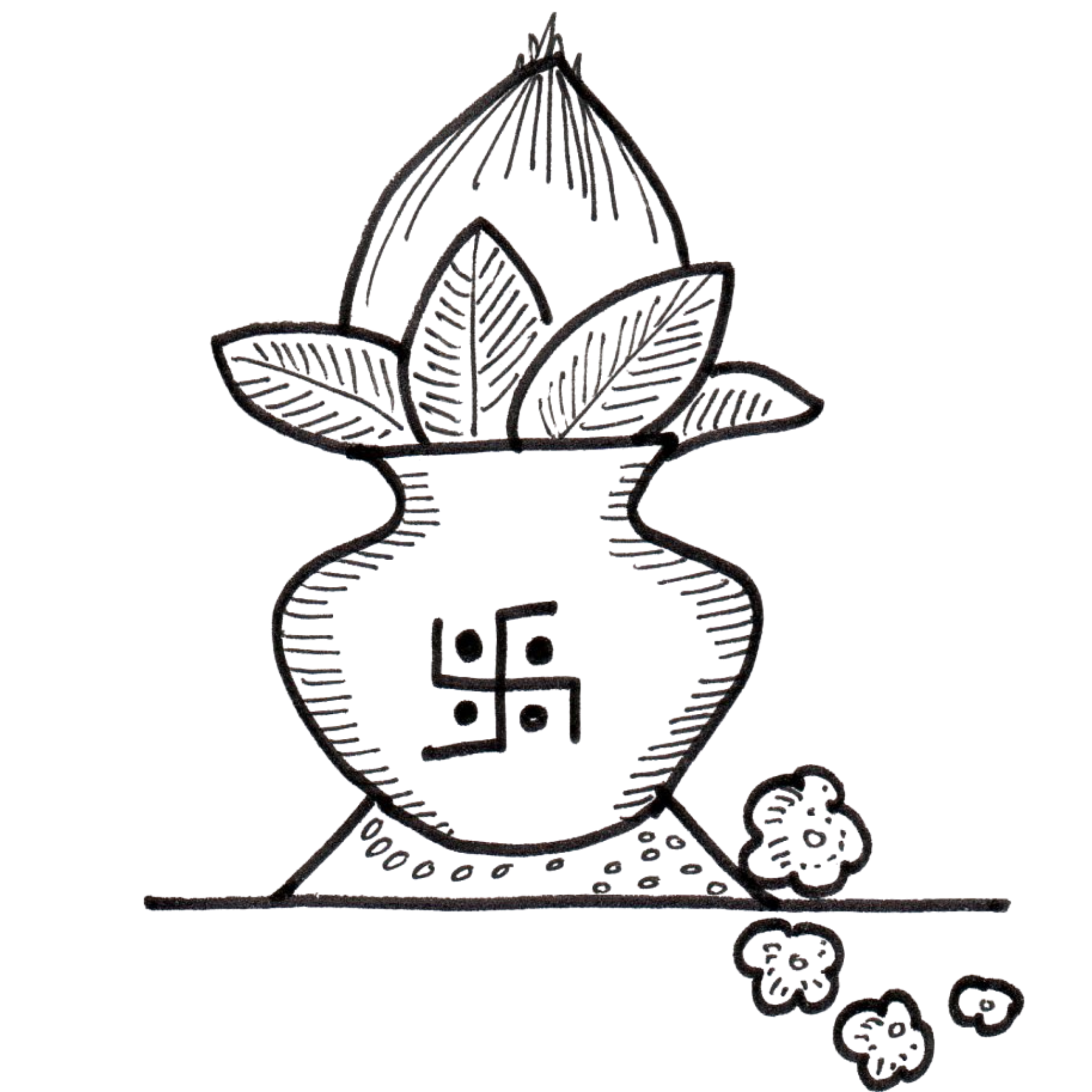
How Metaphors Reveal Ancient India’s Cultural Secrets
Early Indian metaphors emerge from three very different cultural zones: the Vedic northwest, the Tamil south, and the Prakrit-speaking Deccan. Each region had its own climate, flora, fauna, settlement pattern, and historical rhythm. …
-
Articles

China’s Eternal Loop
Just as India is torn between the academician’s truth and the politician’s truth, so is China. But relative to India’s history which is strongly based on diversity, Chinese history is a product of unification…
-
Articles

Brahmin Wars Beneath Vande Mataram
We already have a national anthem, ‘Jana Gana Mana’. Why then the ruckus over a national song, ‘Vande Mataram’? Could it have something to do with the caste of the respective poets, both Bengali Brahmins, but one lesser in ritual stature and the other higher?…
-
Articles
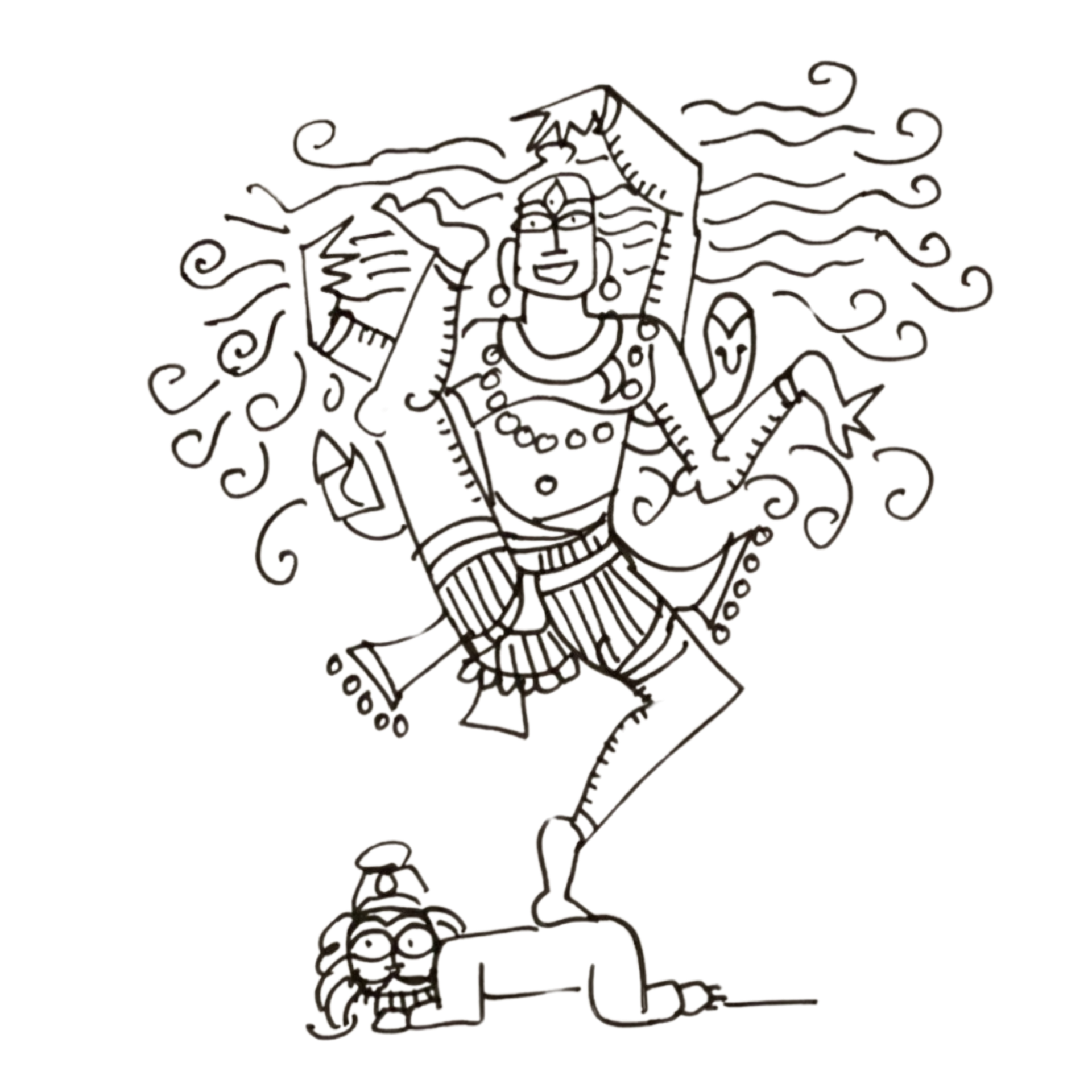
Brief History of Rasa, India’s Aesthetic Theory
Ancient Indians analysed the experience of beauty (aesthetics) using the rasa theory. Rasa means juice. Just as the mere thought of food makes the mouth water, the experience of art generates a flow of aesthetic juices (rasa) in the audience – be it the performing arts (music, song, dance, story, theatre) or the plastic arts…
-
Articles
When the Sky Remembers What Humans Forget
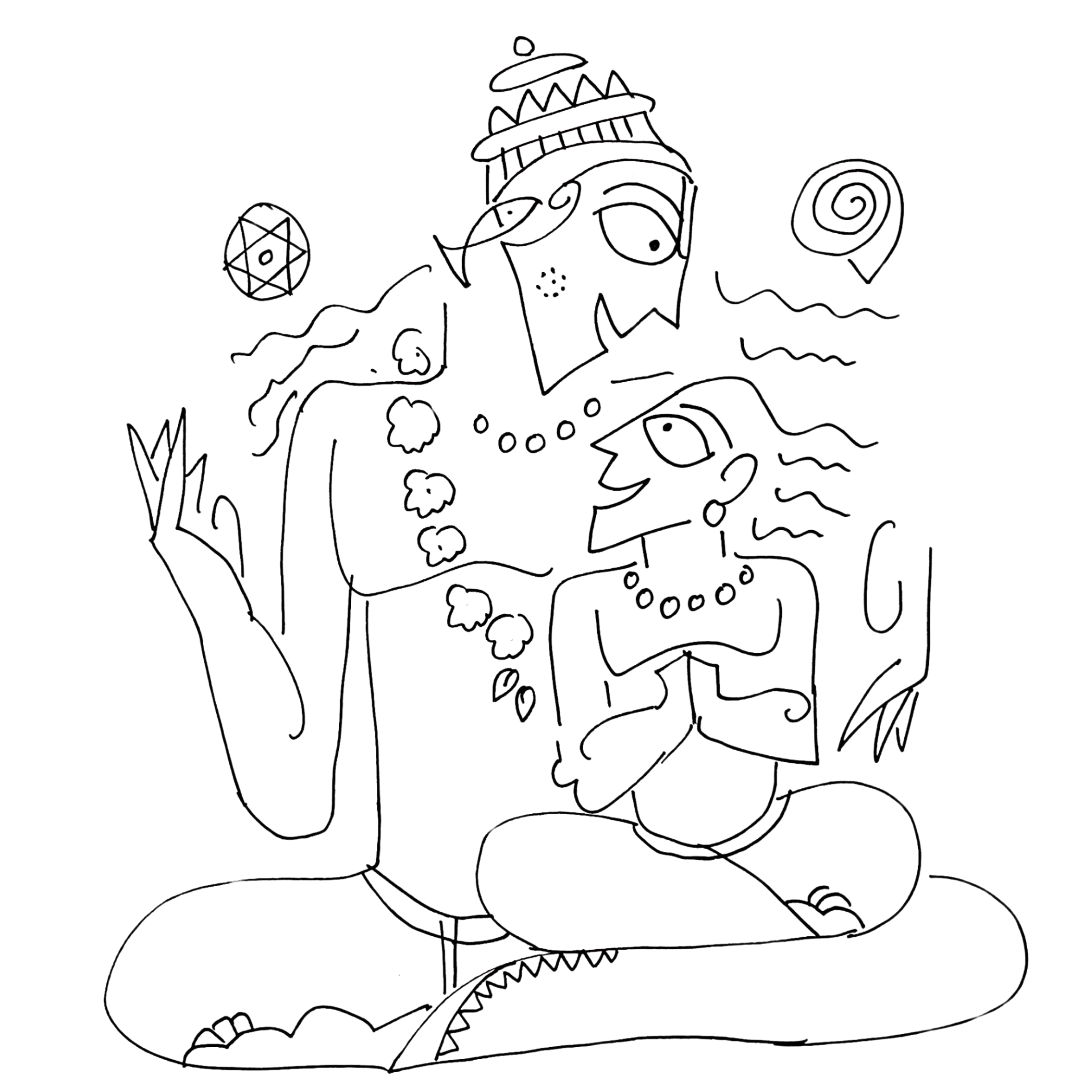
Over generations, people realised that constellations did not rise at the same place during the same season. Spring was once marked by one set of stars, but later by another. This shifting sky puzzled ancient observers until they learned to read it as history written across millennia…
-
Articles
Decolonising India’s Erotic Heritage
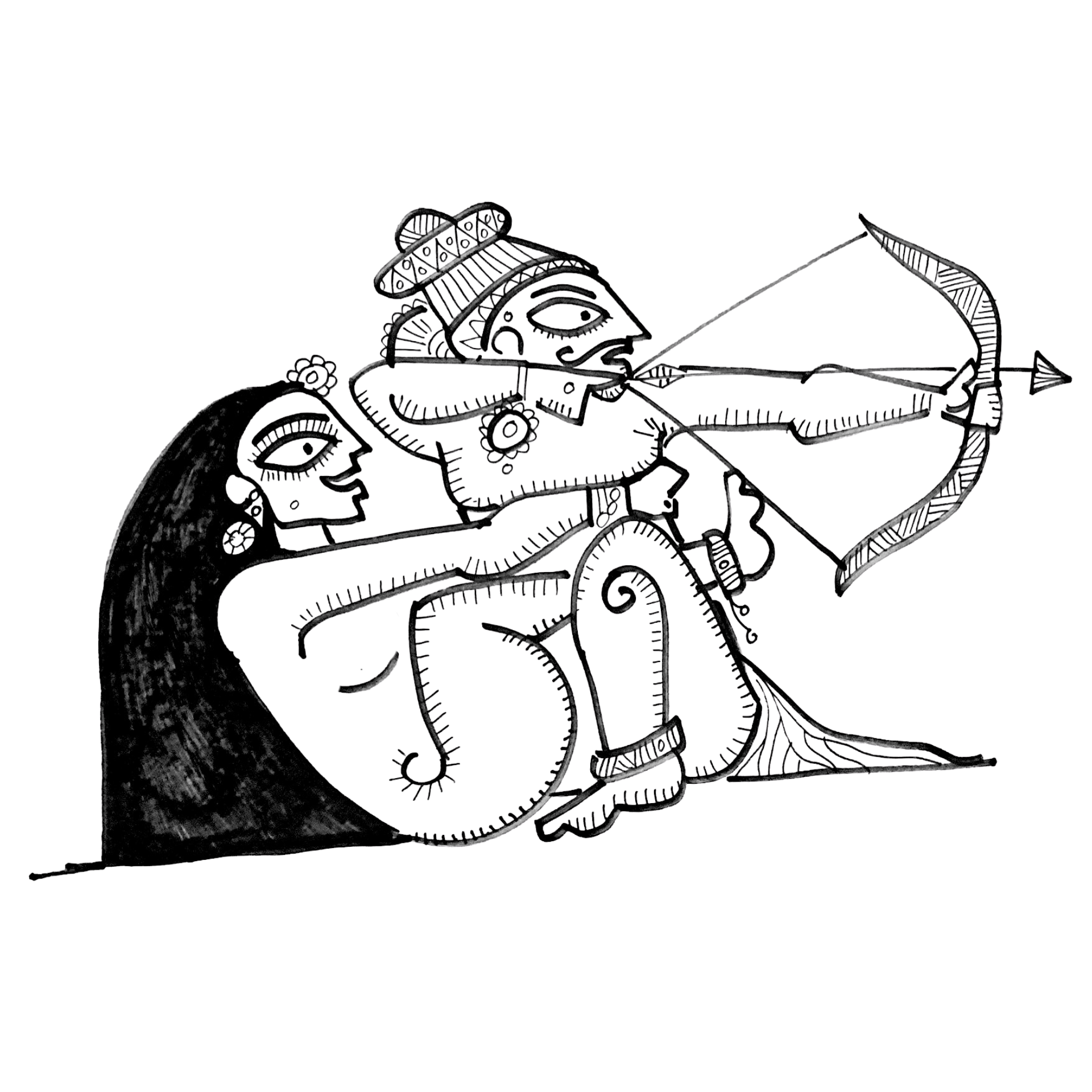
We were never a culture of shame. We were made into one. Not just by the British. But also by their Brahmin collaborators. Both found common cause in attacking powerful rich independent Hindu women, the women who gave India its musical and dance heritage…
-
Articles

Why lotus remains India’s simplest yet most profound symbol
The lotus today is a symbol of a leading political party in India, but for thousands of years it has been part of Indian myth, ritual, architecture, and craft. At the village level, the lotus thrives as a simple floor drawing made with rice flour. …
-
Articles
Was Macaulay Anti-India Or Anti-Brahmin?
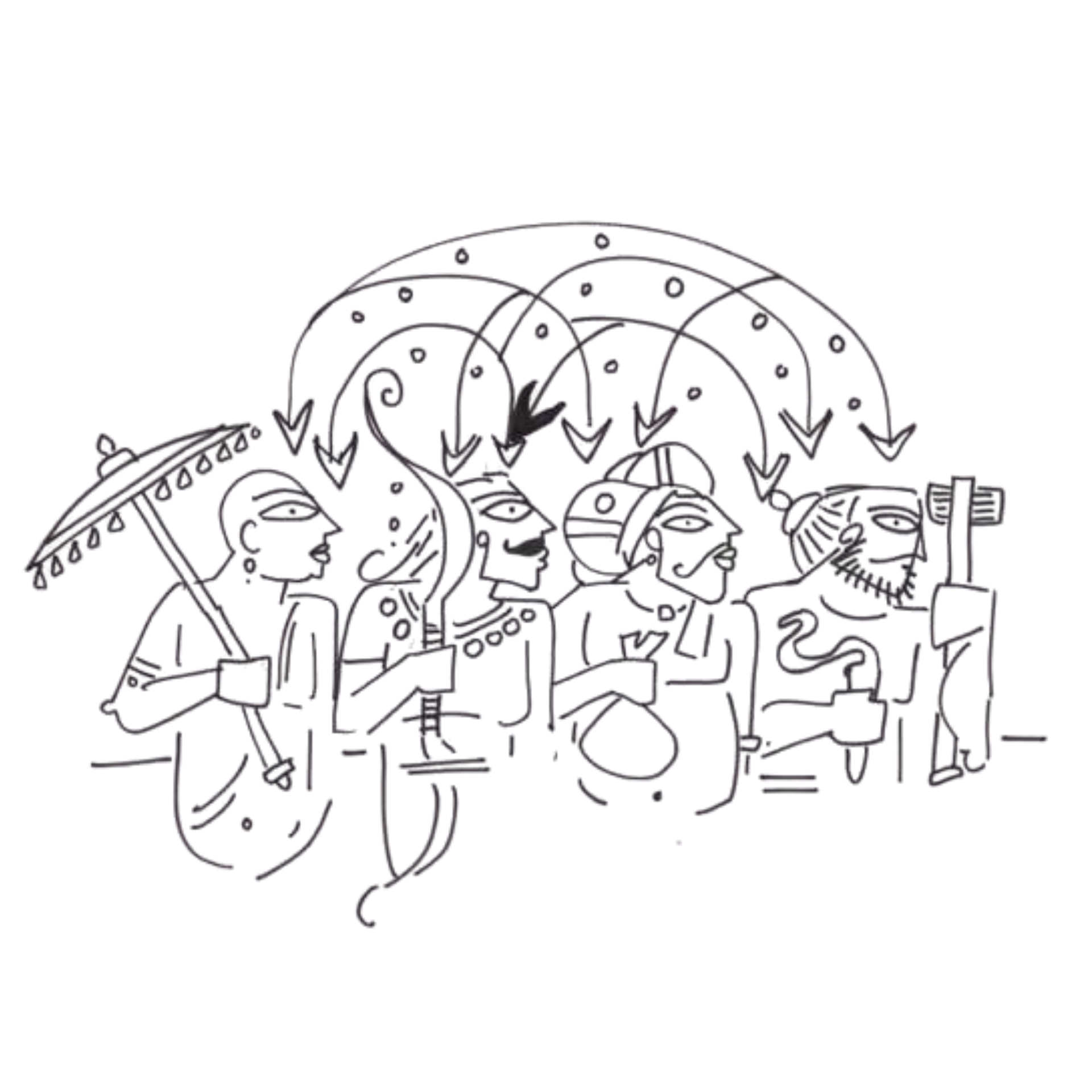
The debate around Macaulay, English, and education is not just about colonialism. It is about whether India wants a future shaped by open inquiry or a past shaped by inherited authority…
-
Articles

Pigeon Spirituality
Who funds these monks who promote non-violence and vegetarian food? Those who make money from industries that pollute rivers, seas, and air. India’s biggest industrialists are vegetarians. …
-
Articles
Is Lingayat a caste or a religion?
The Lingayat community today insists it is a separate religion. They refuse to be placed within the Veerashaiva fold, or being seen as a subset of Hinduism. This demand has upset those who seek to unite Hinduism under a single umbrella by referring to it as ‘sanatan dharma’…
-
Articles
How Merchants Shape the Satvik Holiness
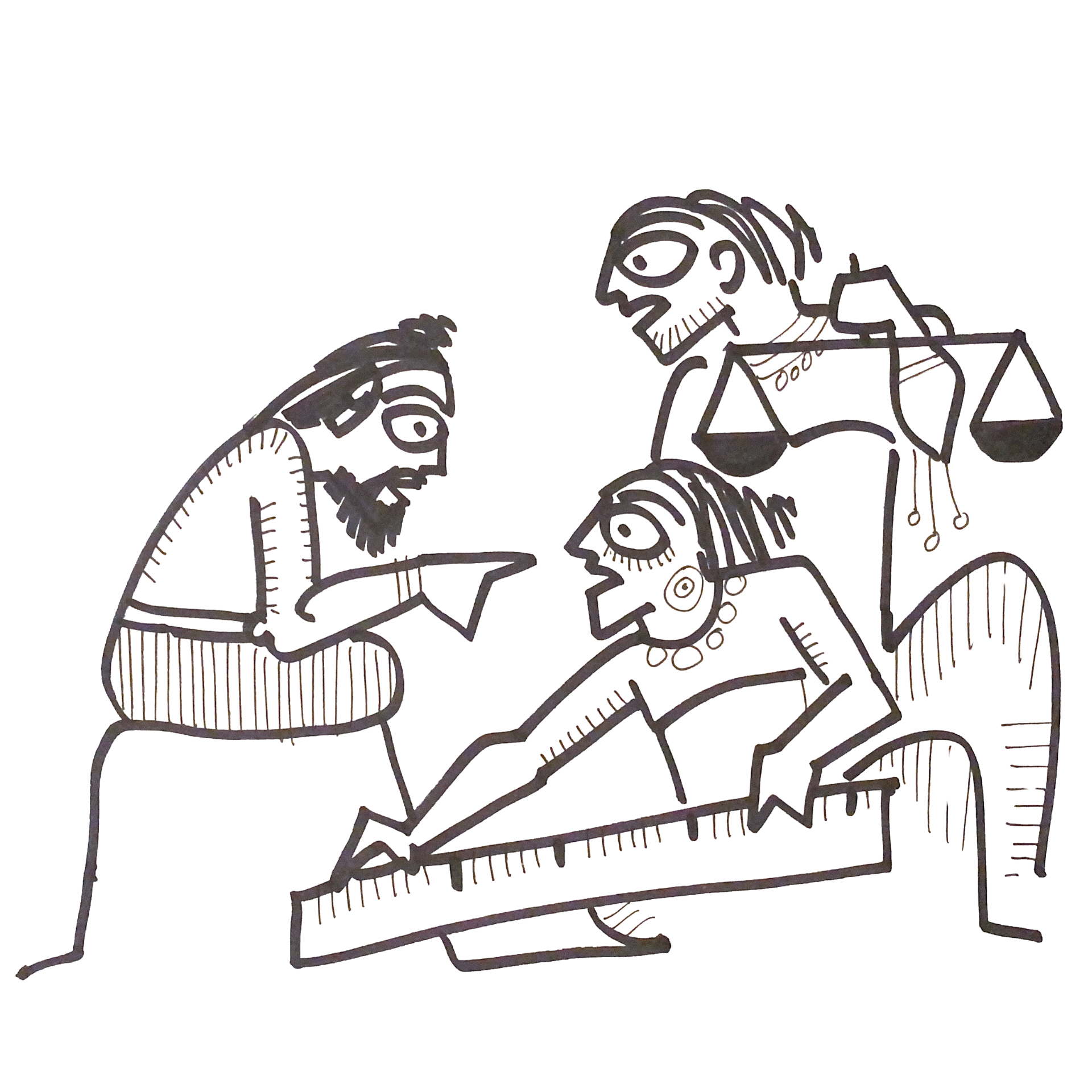
The richest families in India are strictly vegetarian and belong to the vaishya varna. They are supported by politicians committed to the cause of vegetarianism or Satvikism, a new form of Hinduism. As these rich communities take control of temples and pilgrimage sites, we find them pushing for Satvikism…
-
Articles
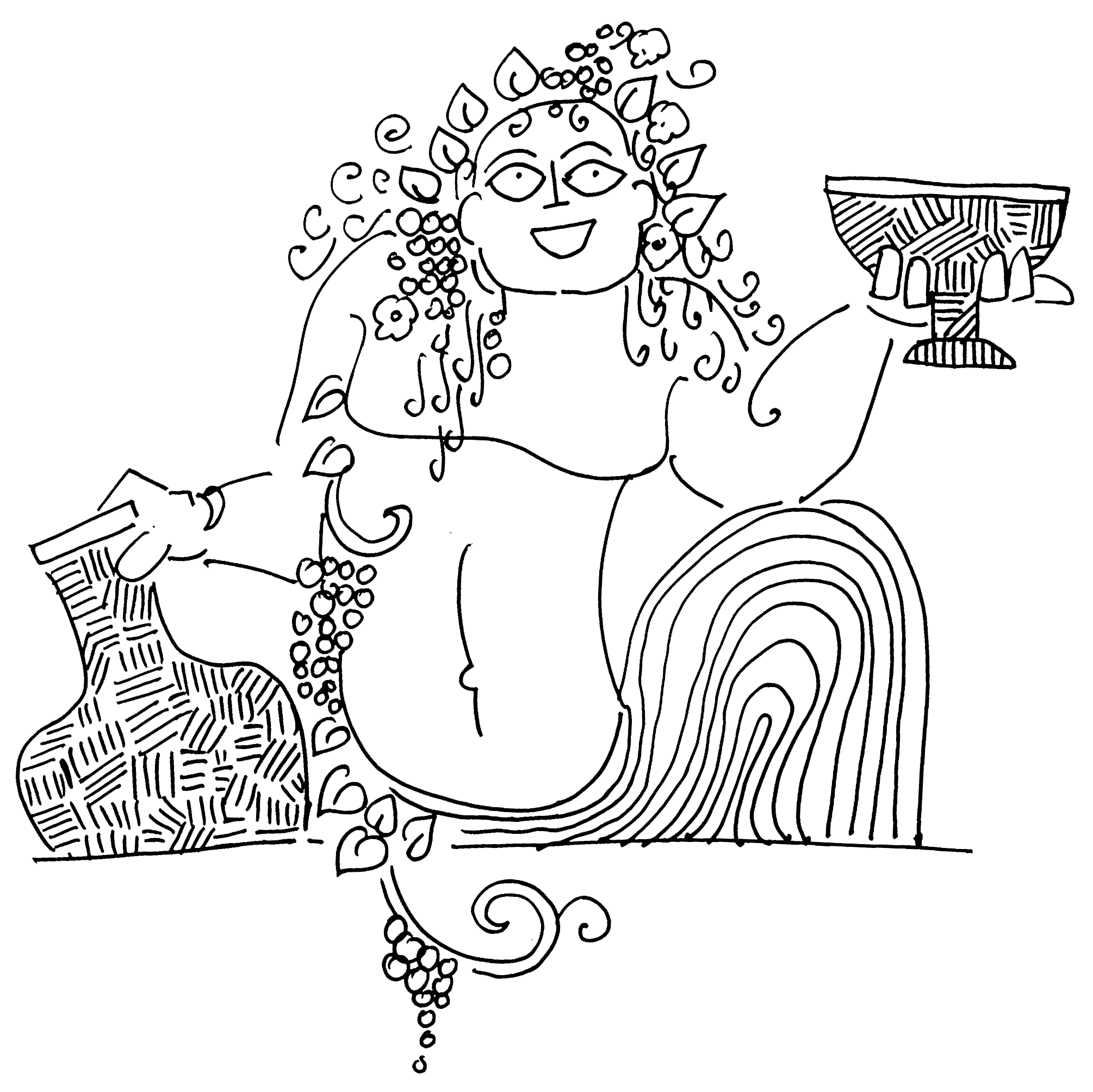
How Beer Established Civilisation
We are told that the dawn of agriculture was about bread. That our Stone Age ancestors settled down to plant wheat and barley so they could bake loaves. But a growing body of research suggests that this may not be entirely true. The real lure of grain was not bread. It was beer. …