
Mythologist | Author | Speaker | Illustrator

-
Articles
Beyond Karma: Subaltern Tales of Caste Origin
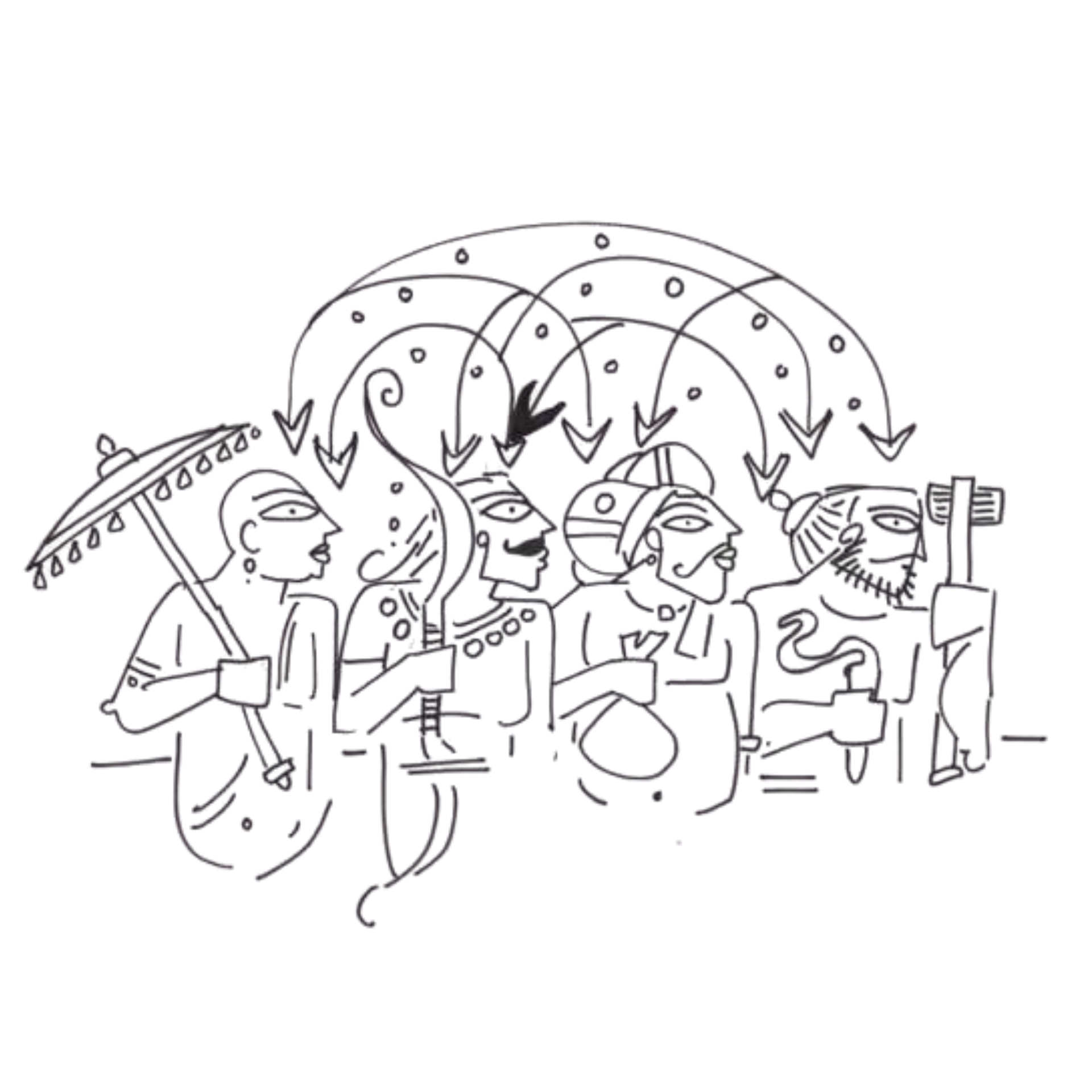
When the missionaries came to India, they argued that Hindus accept social hierarchy because they believe their birth is the result of past actions. Karma promoted fatalism. This interpretation led many anti-caste reformers to reject karma itself. The Jataka tales describe the many previous births of the Buddha, showing how good deeds over lifetimes led…
-
Articles

Of Jains And Jews
The comparison between Jains in India and Jews in Europe reveals two remarkably similar minority communities with profoundly different historical destinies. Both occupied economically influential positions disproportionate to their demographic size. Both cultivated strong internal discipline, dietary codes, educational traditions and merchant ethics. Yet while Europe repeatedly produced violent anti-Semitism culminating in genocide, India never…
-
Articles

India Between Empires: A Reality Check
India has always been sandwiched between East Asia and West Asia. From the West, came horses. From the East came gold. India itself was the land of cotton – it had neither metal nor horses…
-
Articles

Tantra of the Wheel of Time
Compiled in the early eleventh century as Muslim armies pressed into northwest India, the Kalacakratantra — the Wheel of Time Tantra — is one of the clearest cases in religious history of a sacred text designed as a political response to a contemporary threat. …
-
Articles

A Tamil Reimagining of the Ramayana
Kambaramayanam is one of the most celebrated works of Tamil literature. Composed by the poet Kamban around the ninth century in Tamil Nadu, in the time of Chola kings, it is a lyrical retelling of the Ramayana filled with rich poetry, elaborate metaphors, and deep moral reflection. …
-
Articles
Yama’s Journey from Vedic King to Cosmic Accountant
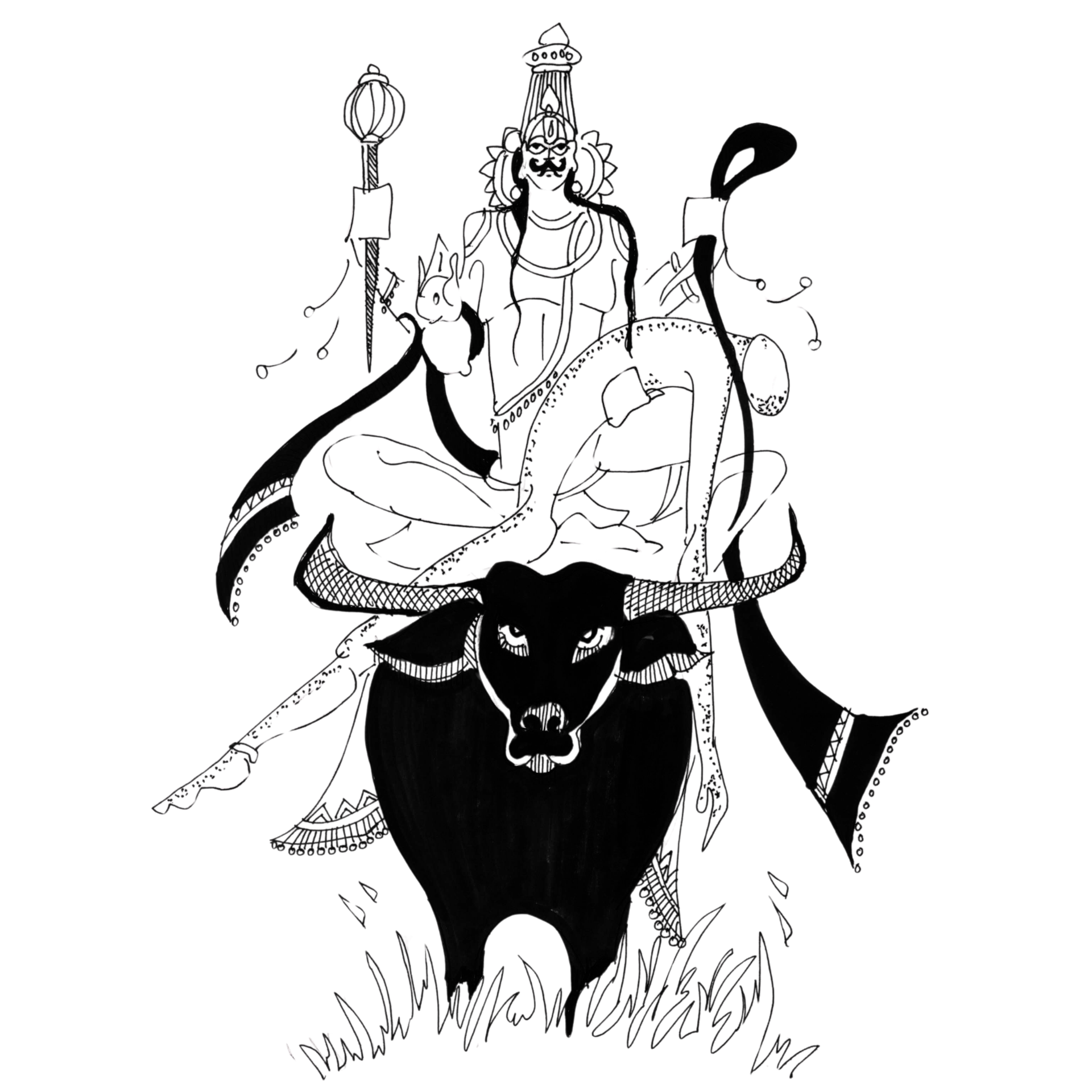
Yama is the Hindu god of death, accountability, and the afterlife. Often ignored, his history is long and complex, reaching back to Vedic, Indo-Iranian, and Indo-European mythological traditions…
-
Articles

How India and Persia Shaped Each Other
Connections between India and Persia stretched back to prehistoric movements of people, long before written history. Genetic and archaeological evidence suggests that populations linked to ancient Iranian farmers moved eastward into the subcontinent around 10,000 years ago, interacting with older forager communities. …
-
Articles
How Bravery, Devotion Soften Caste Boundaries In Folk Stories
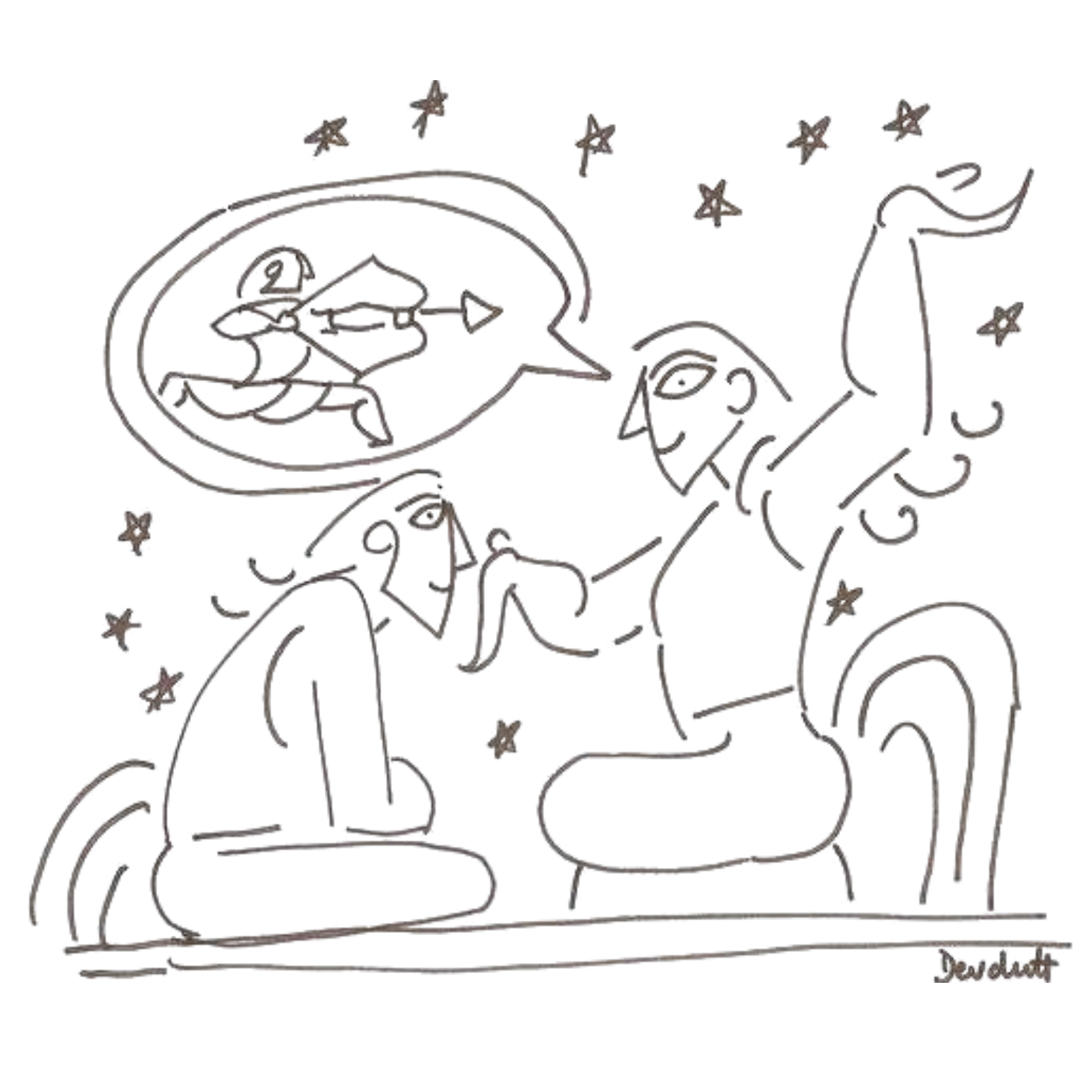
Not all ballads and epics are written by Brahmins or in Sanskrit. Across India, folk stories about gods, heroes, and ancestors did not only entertain. They carried arguments about rank, dignity, and who belonged where. …
-
Articles

Re-centring the Hindu Goddess
Re-centring the goddess is not anti-male. It is pro-ecosystem. It reminds us that festivals are contracts with land, water, animals, and labour — especially women’s labour. When we reduce Diwali to a warrior’s homecoming, we miss Lakshmi’s audit of how we earned, spent, hoarded, and gave. When we make Navaratri a fashion parade, we forget…
-
Articles
Today’s Sanatan Dharma prefers ‘trad’ Bhisma
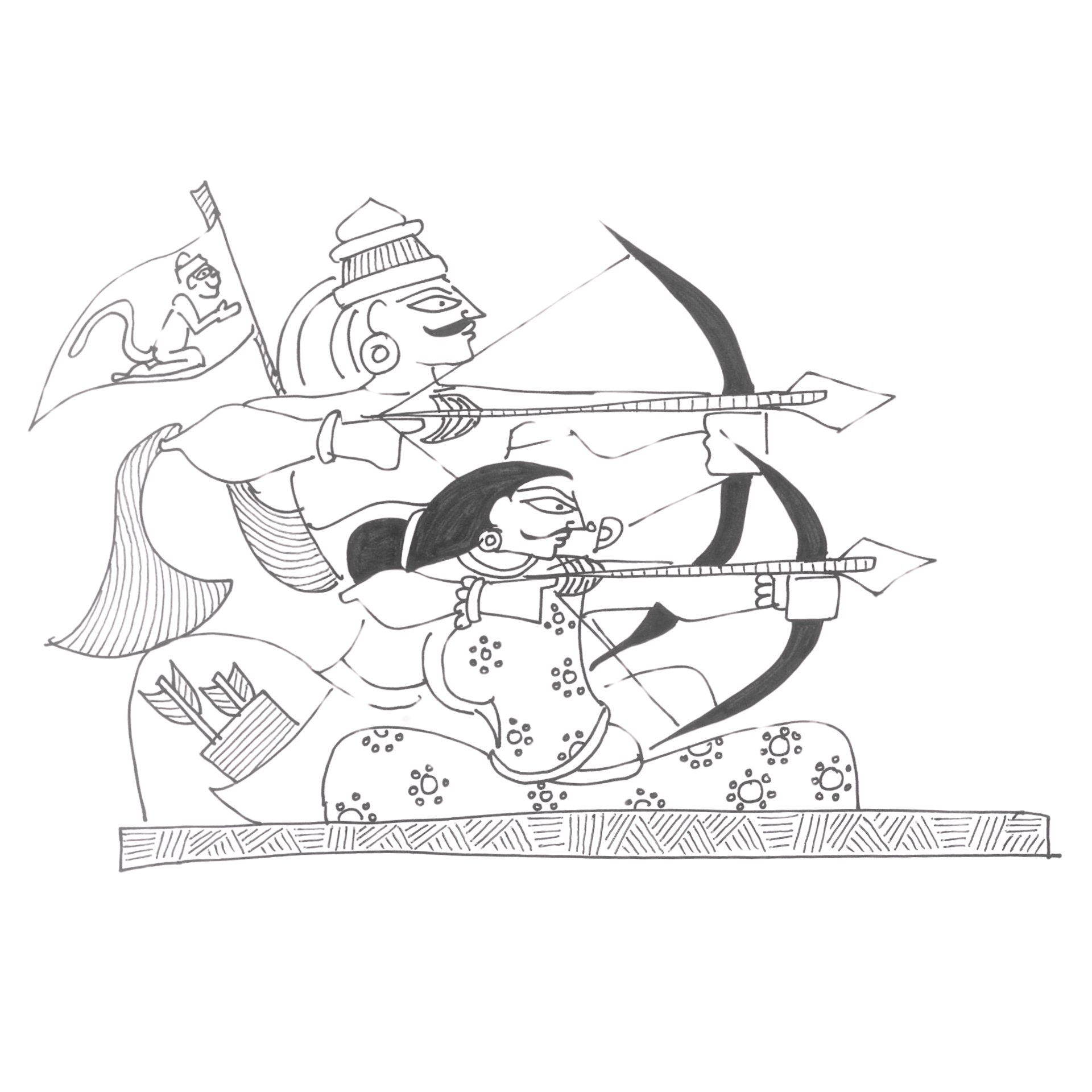
The Trans Bill signed by the President of India aligns with the commander of the Kauravas, not Krishna. The Kauravas were more aligned to Christian Evangelists, not “woke” Krishna…
-
Articles

Narada: the Original Provocateur
Narada is Hindu mythology’s impish, itinerant sage. His presence in a story spells trouble. As a character, he plays a key role. He spotlights our love for gossip, our fragile ego, our competitive spirit, our yearning to measure ourselves against others, our refusal to be content…
-
Articles
The Global Resurrection of Islam
Earlier, Islam was sustained by rulers. In the modern era, it is sustained by communities. Authority shifted from courts and empires to classrooms, print networks, voluntary organisations, and individual conscience…
-
Articles

Why Lord Ram Was Painted Green
In Nayaka art, Ram is painted green, the colour of tender leaves that emerge from the earth after rains. Green is not the colour of fear or dominance. It is the colour of renewal, fertility and calm strength. This Ram is not alone. …
-
Articles

Ashoka and the Unifier of China
Over 2200 years ago, two rulers on opposite ends of Asia confronted a similar problem: how to hold together vast, diverse territories emerging from long periods of conflict. Qin Shi Huang in China and Ashoka in India both inherited states forged through conquest. Yet the solutions they offered to the problem of unity could not…
-
Articles

Chandala’s daughter, Arundhati
Arundhati is remembered today as the ideal wife, the tiny star beside Vasistha in the Saptarshi constellation, shown to every new bride as a model of fidelity. But beneath this polished image lies a far more unsettling story. …
-
Articles

Persia was a Civilisation Long Before Islam and Rome
Zoroastrianism traced its teachings to the prophet Zarathustra (Zoroaster), who is believed to have lived many centuries earlier, perhaps around 1200 BC, according to some scholars. …