Mythologist | Author | Speaker | Illustrator

-
Articles

When Brahmins Killed Kshatriyas and Kshatriyas Killed Brahmins
Anyone who reads the Ramayana and the Mahabharata carefully realises that both texts presuppose an event involving Parshuram, a Brahmin, who slaughters the Kshatriya kings. It is described as a terrible genocide, with five great lakes filled with blood. …
-
Articles

Ramayana: The World’s First Whodunnit
One of the most amazing things about the Ramayana — which makes it special — is that it is perhaps the world’s first mystery novel, a whodunnit. It is a process involving Jatayu, Kabandha, Shabari, Sugriva, and finally Jatayu’s elder brother, Sampati…
-
Articles

How Is Knowledge Transmitted?
Knowledge can be transmitted orally or in the form of texts. Hindus preferred the oral form…
-
Articles
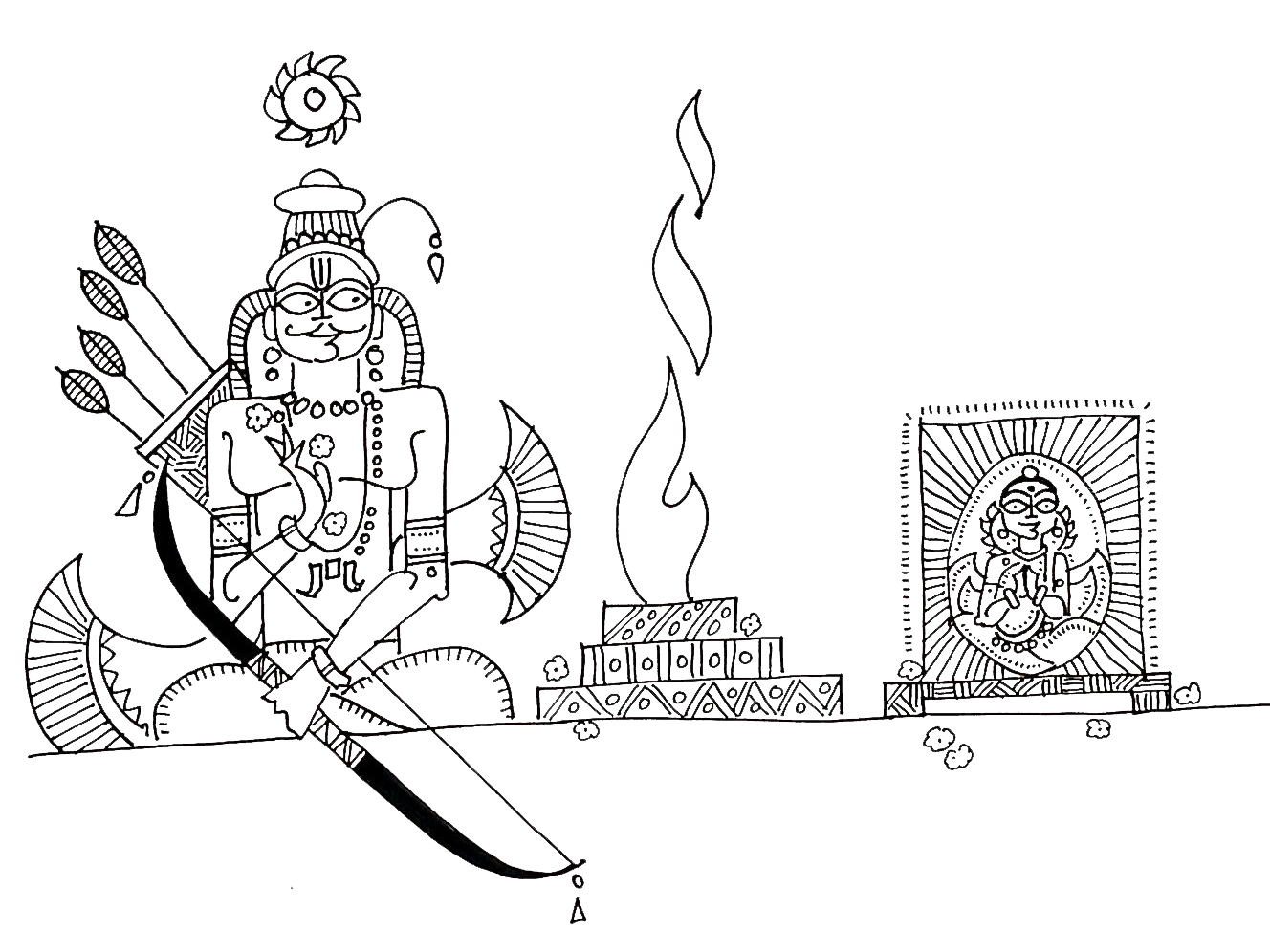
Layer Upon Layer of the Ramayana
Ramayana story exists in layers, capturing key transformations of Hindu society. …
-
Articles
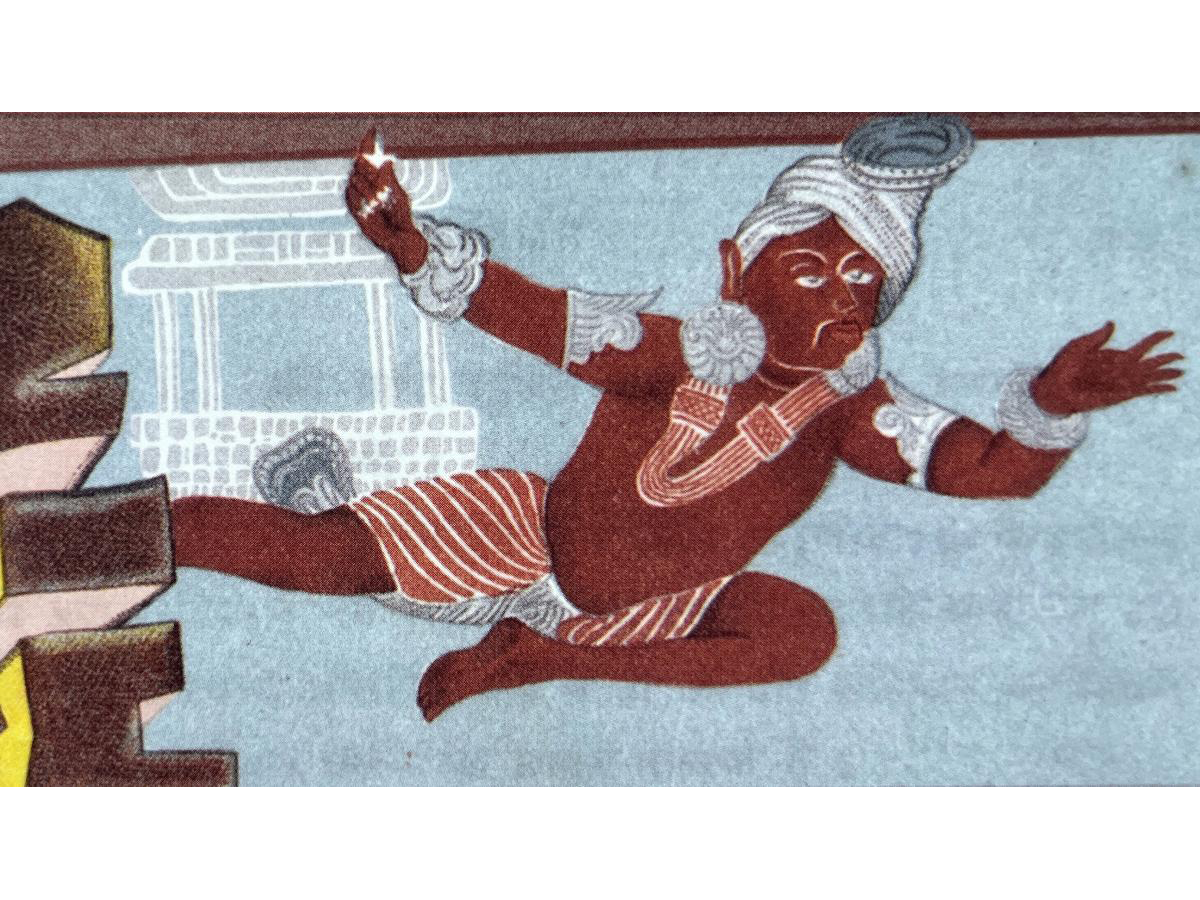
Kubera, the Refugee From Lanka
When the Constitution of India was first published, over 75 years ago, it included many artworks. Amongst them was one showing Kubera, Ravana’s brother and the king of wealth and yakshas (nature spirits), fleeing from Lanka. It is often mistaken for Hanuman burning Lanka, but there are no flames of a burning city or a…
-
Articles

Royal Ram Hunted Deer, Not Lions
Ram of the Ramayana is a great archer but he is never depicted in art or story as hunting lions or tigers. That is strange, considering his royal status. …
-
Articles
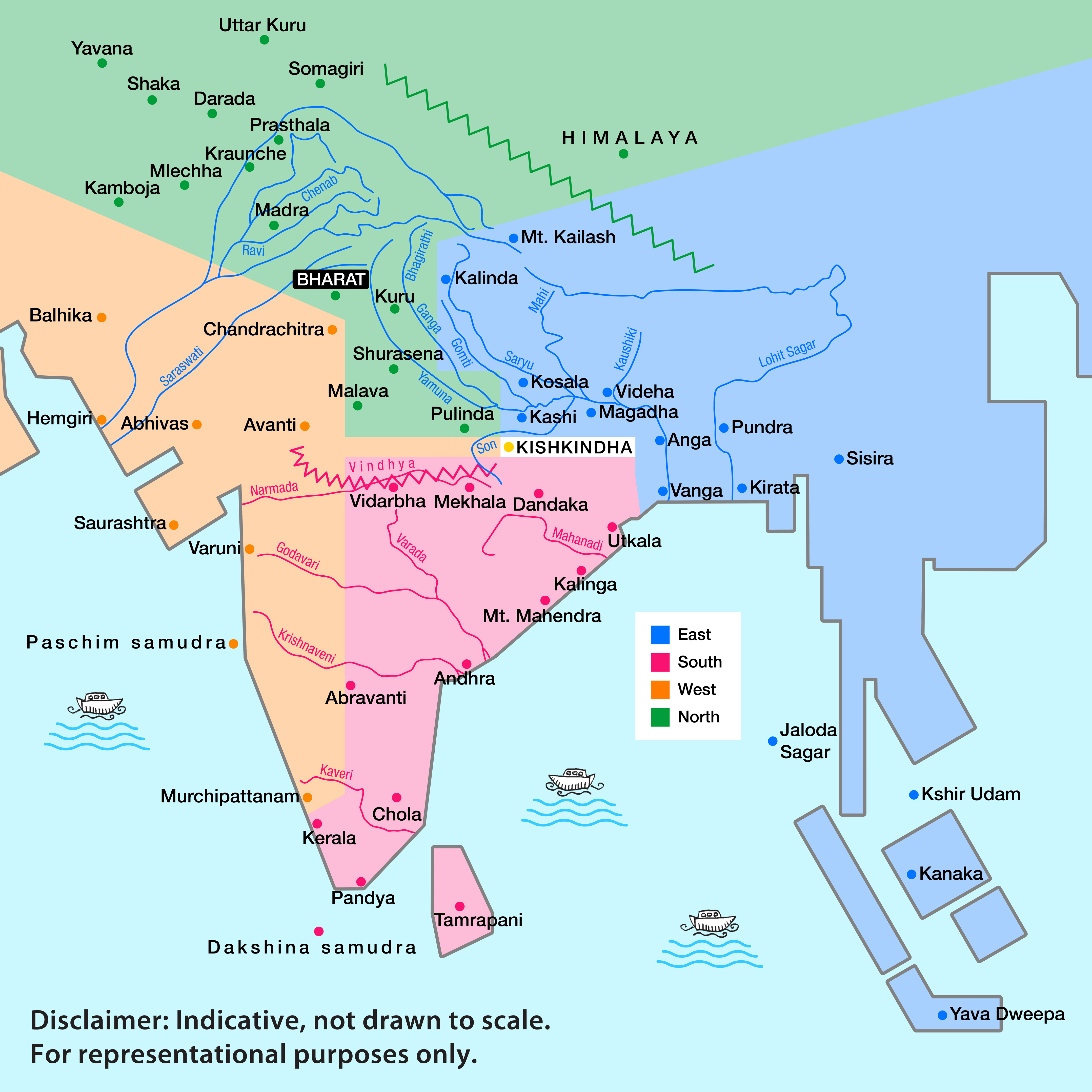
Where Is Bharat In Sugriva’s Atlas?
The Valmiki Ramayana has layers of information, included in different historical periods, that saw the location of Sugrivaʼs kingdom and Ravanaʼs kingdom shift. …
-
Articles
Dharma and the Dharma-sankat Of Ram
Ram is obliged to his people’s needs. That is the dharma of a king (raja). Ram is also obliged to his wife’s needs. That is the dharma of a husband. Which obligation takes priority?…
-
Articles

Insulting Ravan, Bollywood Style
Bollywood has been trying hard to outdo Valmiki’s genius. However, Valmiki was a great sage who aimed to communicate profound truths through the Ramayana, often referred to as the fifth Veda…
-
Articles

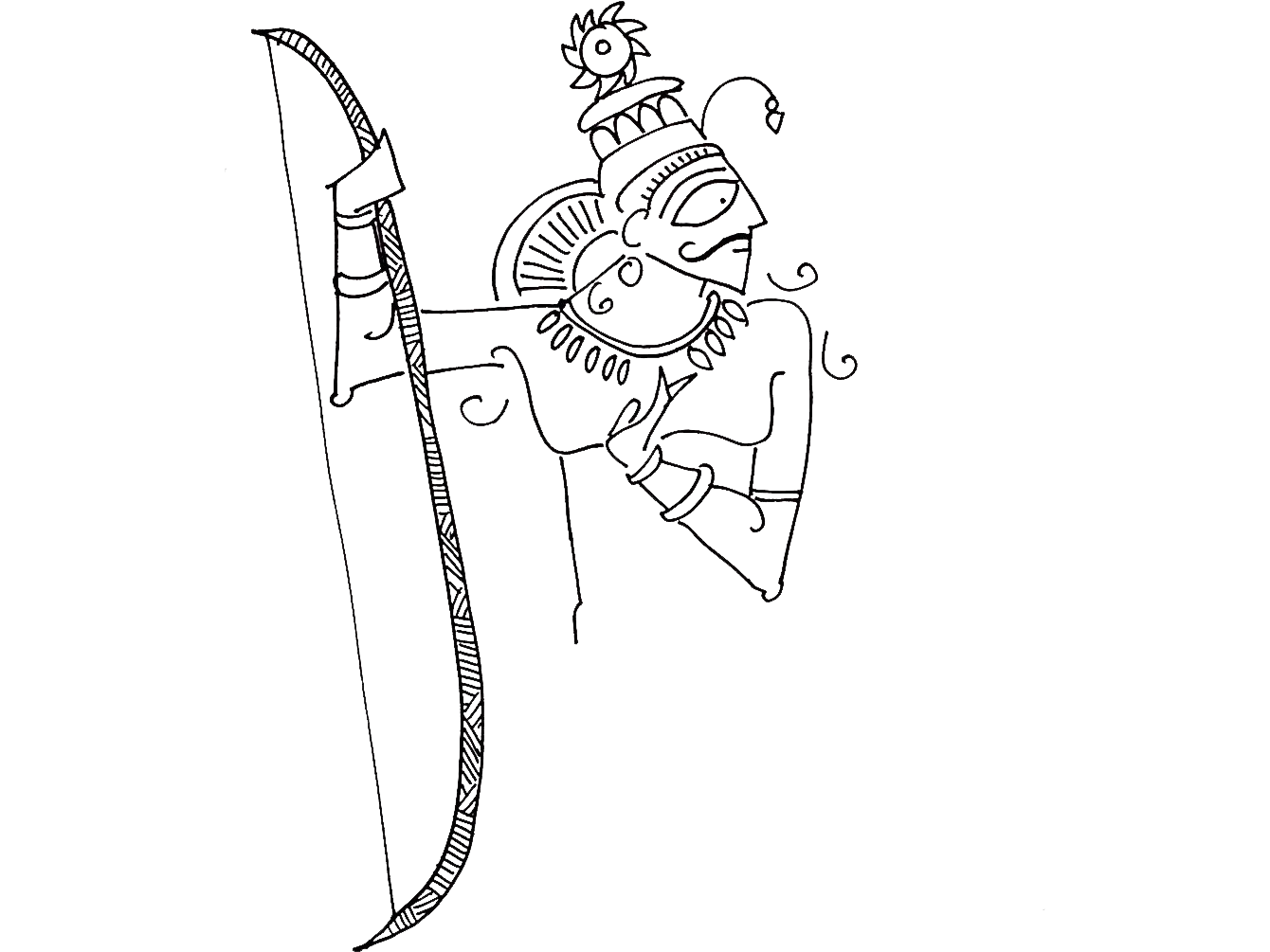
A Bow Made of Bones
Those who depict Rama holding a bow, and insist he ate a plant-based diet in the forest, often reject the idea of the composite bow…
-
Articles
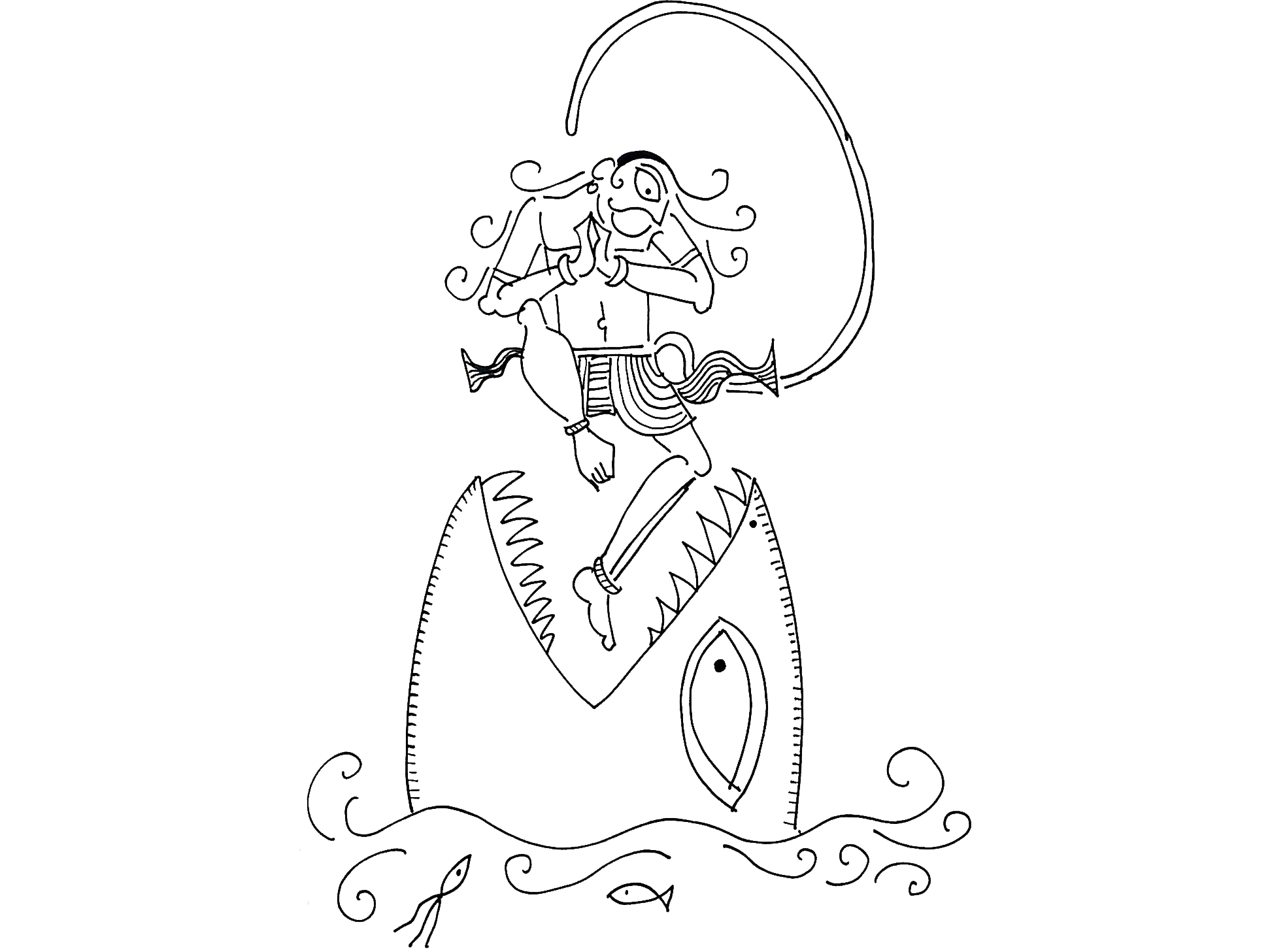
Recognising Hanuman
Stories use metaphors. Concepts become plots. Ideas become characters, even landscapes. …
-
Articles
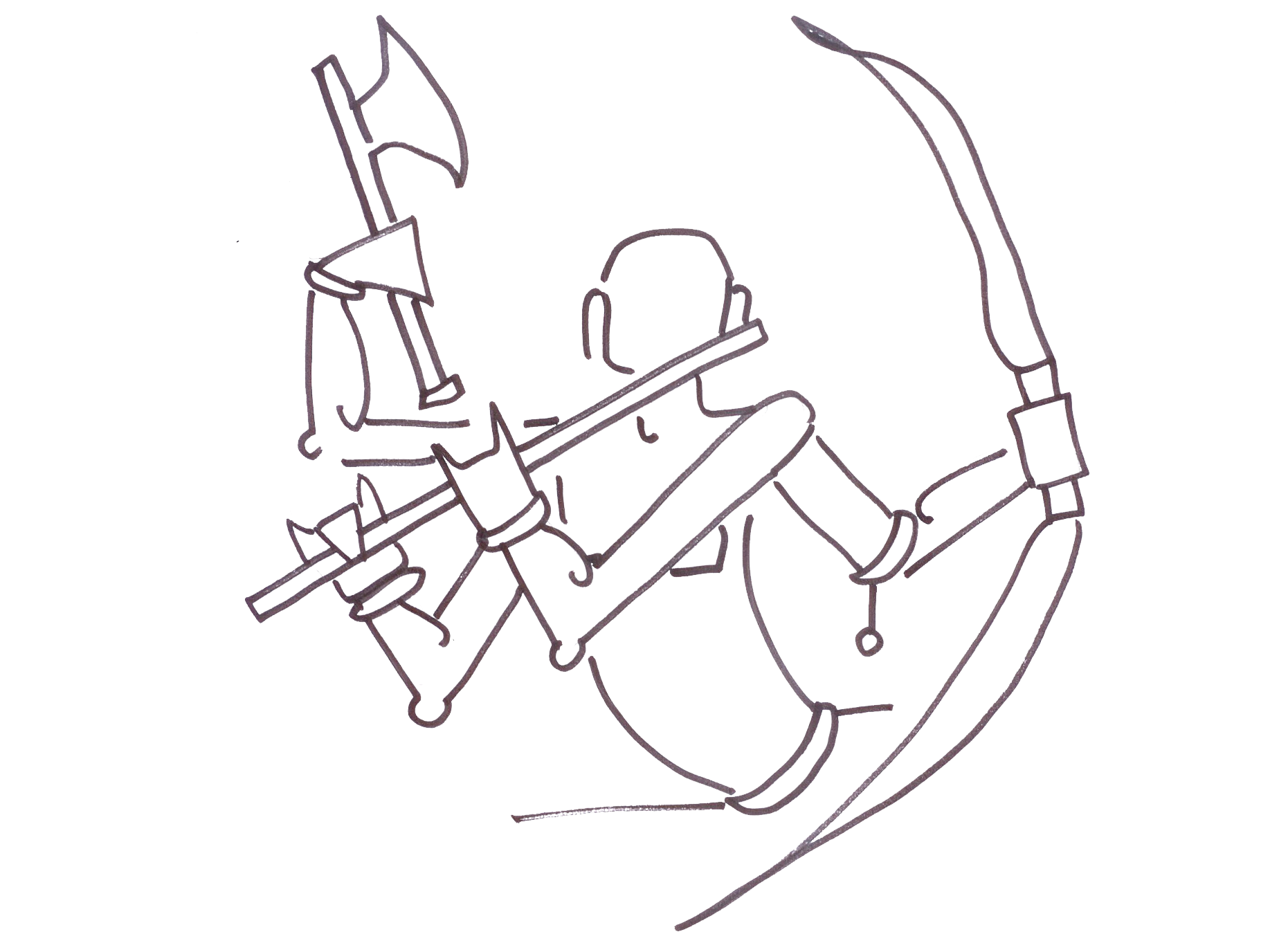
Secularising Ramayana and Mahabharata
When we study Buddhist and Jain lore, we realise many stories there are quite similar to stories found in Ramayana and Mahabharata…
-
Articles

Desire and Restraint In the Ramayana
The first major Sanskrit work to speak of love, especially marital and extramarital love, is Valmiki’s Ramayana…
-
Articles
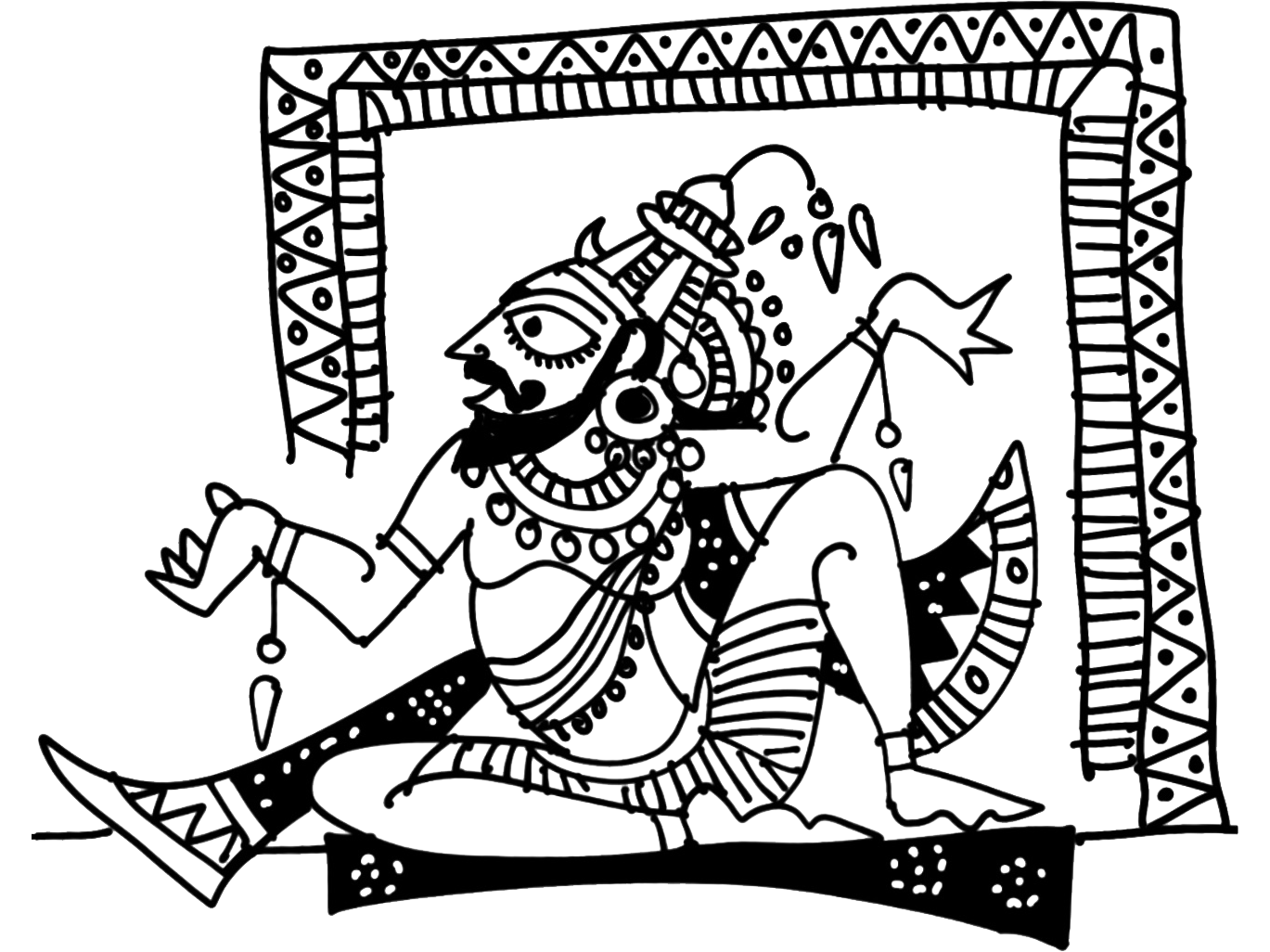
Kingdom Is Responsibility, Not Property
Dharmic Leadership (is) different from Conventional Leadership. Dharmic Leadership is not prescriptive. It is introspective…
-
Articles
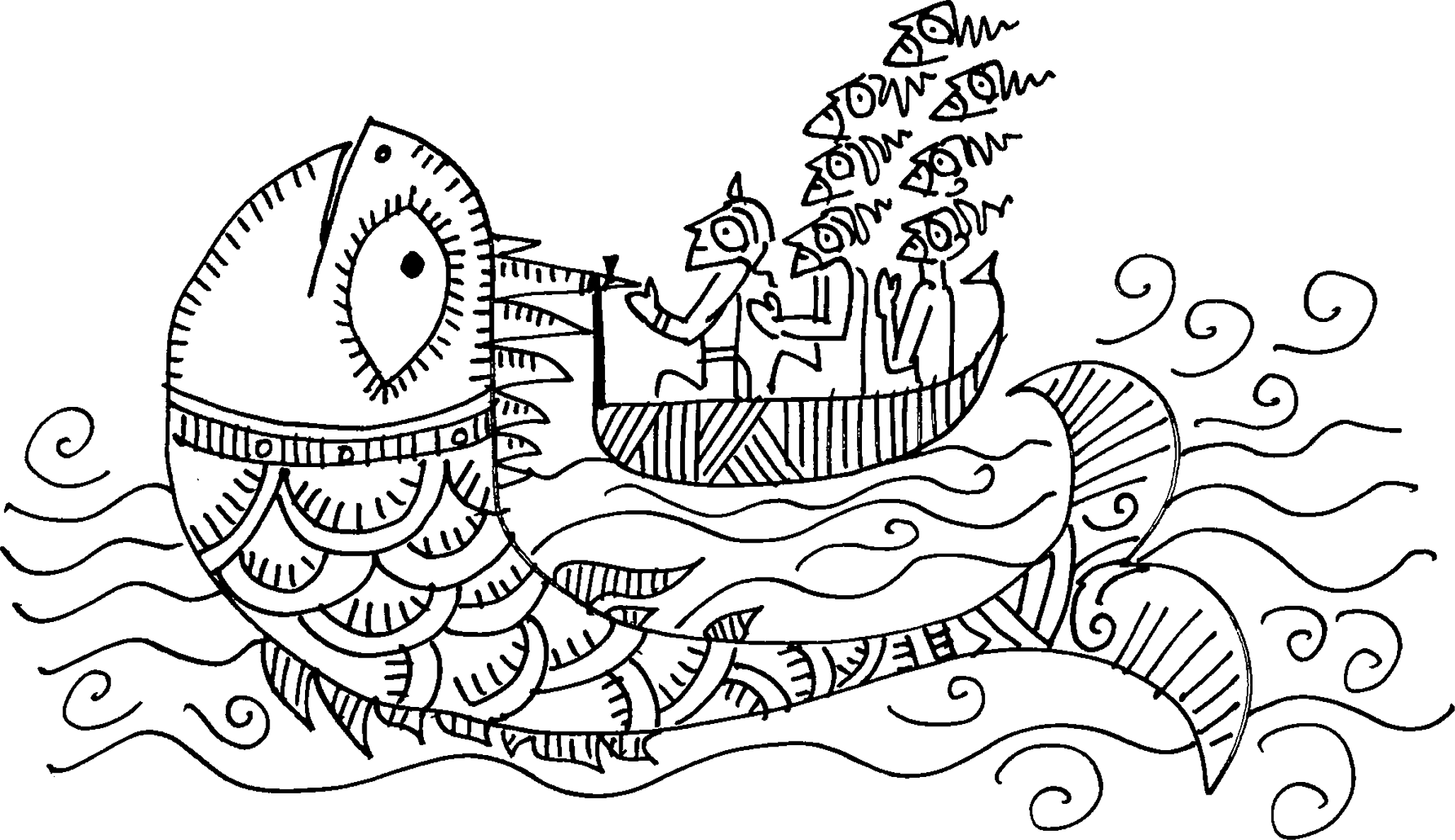
The Yugas Came Later
The four yugas of Hindu mythology (Krita, Treta, Dvapara, Kali) are based on the numbers on traditional four-sided dice: four, three, two, one. They refer to the four legs of the bull of dharma…