The Vedic scriptures (1000 BC to 100 AD) were about ritual. They do not have intimate details about love. The first major Sanskrit work to speak of love, especially marital and extramarital love, is Valmiki’s Ramayana. It was put down in writing after the Mauryan Age, and sought to evoke the earlier Vedic Age before the rise of Buddhists.
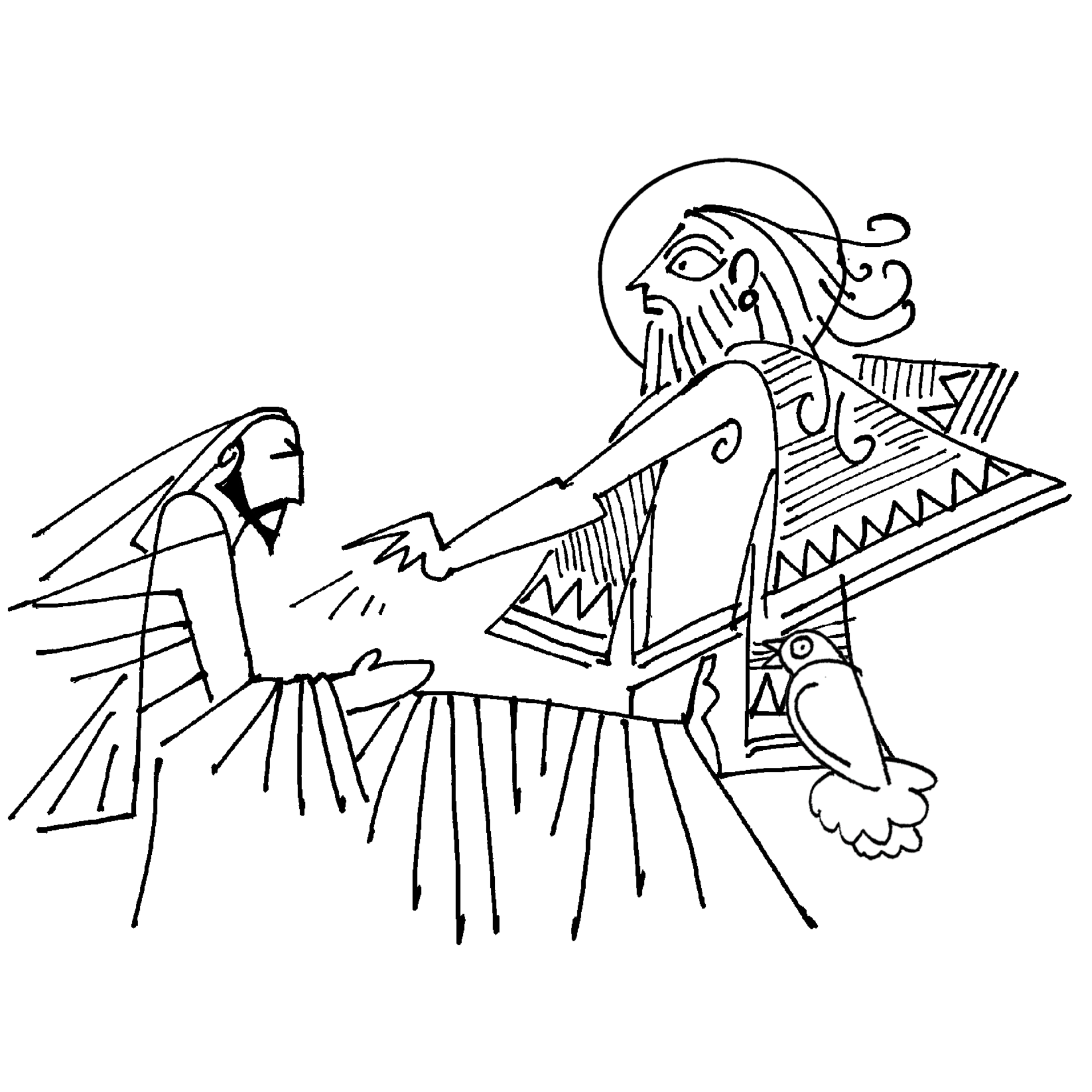
Here is how the hero, Ram, of the Valmiki Ramayana is described when Surpanakha, the rakshasi woman, sees him for the first time. He resembled a celestial being, with his radiant countenance, his long arms, his large eyes like unto lotus petals, his majestic gait resembling an elephant’s, matted locks crowning his head; youthful, full of valour, bearing the marks of royalty, his colour that of the blue lotus and alluring as the love-god himself.
Surpanakha is attracted by Ram and wants to be intimate with him, and is surprised at being rejected. Even more surprised by Ram’s declaration that he is faithful to his wife, Sita, and would never accept another. Surpanakha is a widow, wandering the forests, seeking new lovers. Her brother, king of Lanka, has many wives, and even the wives of other men grace his bed.
Here is a description of Ravana’s bedchambers at night.
There were innumerable women, lying on the rugs, attired in every kind of raiment with wreaths on their heads, who, under the influence of wine, had fallen asleep, having ceased to disport themselves, half the night being spent. And, on account of the silence, that great company, decked with ornaments, the tinkling of which was no longer audible, resembled a vast lake filled with lotuses where the sound of the swans and the humming of bees had ceased. Some lay wrapped in slumber into which they had fallen in the midst of dancing and feasting, their hair and crowns in disarray, their ornaments scattered here and there; others amongst those lovely beings had lost their anklets and the mark on their foreheads had been effaced; some had allowed their garlands to fall aside, some had broken their pearls and, their raiment in disorder, their girdles loosened, resembled disburdened mules, whilst others, bereft of earrings, their garlands torn and crushed, looked like flowering creepers trodden under foot by great elephants in the forest. And on account of the proximity of these women, sleeping close to one another, it was impossible to distinguish to whom the jewels, veils and garlands covering their limbs belonged.
The scene is epic in scale. It lacks the domestic intimacy found in Tamil love poetry (Akam poetry of Sangam). The floral nature of Sanskrit, the use of repetitive tropes, make it seem rather performative, and less authentic, composed to impress rather than express. This is royal in nature. A court language. A court romance. It counters the world of Buddhist monks, and halls of monastic power.
The one observing Ravana’s bedchambers happens to a celibate monkey called Hanuman. It becomes obvious that the author of the epic is drawing attention to various ideas related to sexuality: celibacy, fidelity, love, lust, desire, hedonism. How should a king behave? Ram or Ravana? Who should we be impressed by? Sita or Surpanakha? Seen in a historical and cultural context, these stories reveal much more.