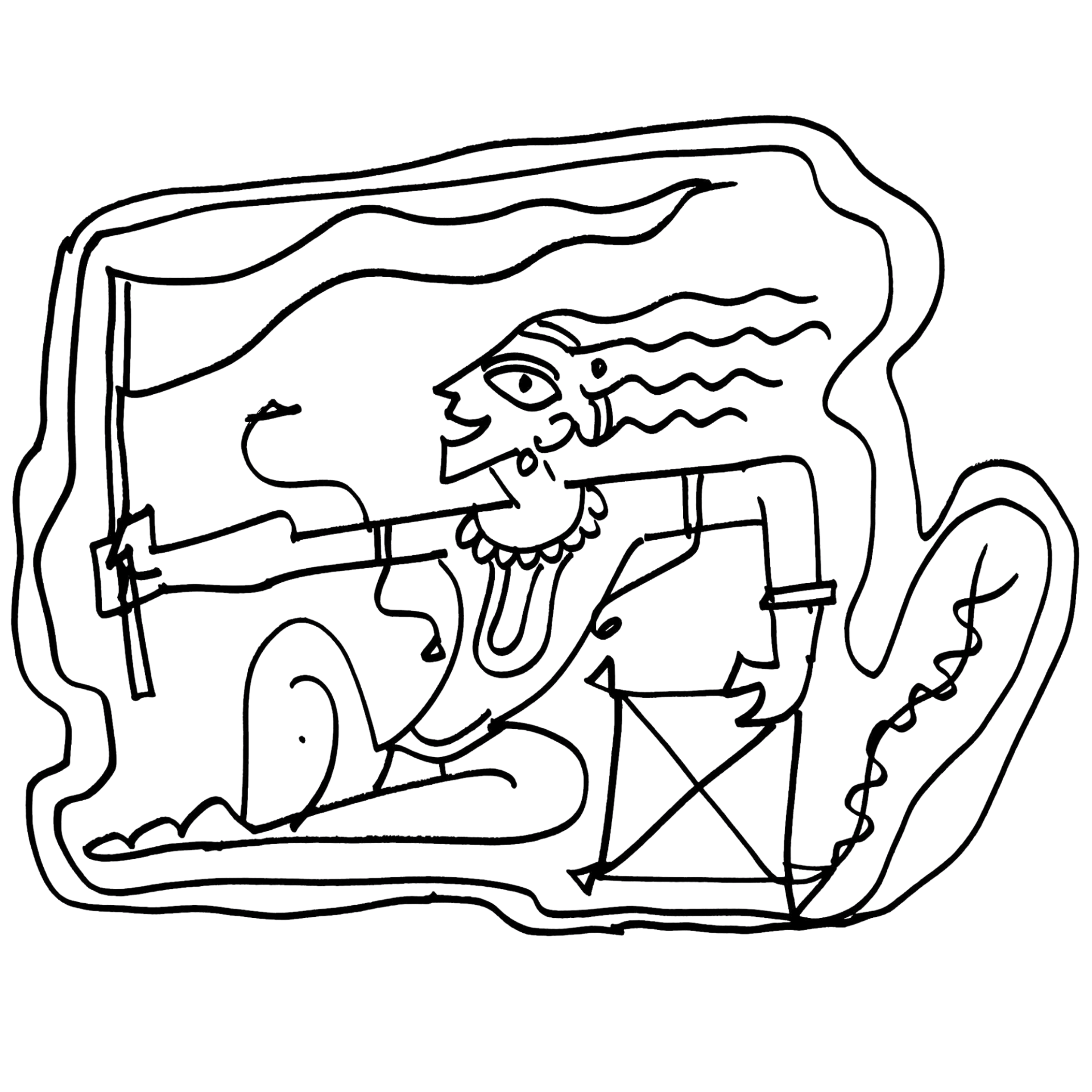
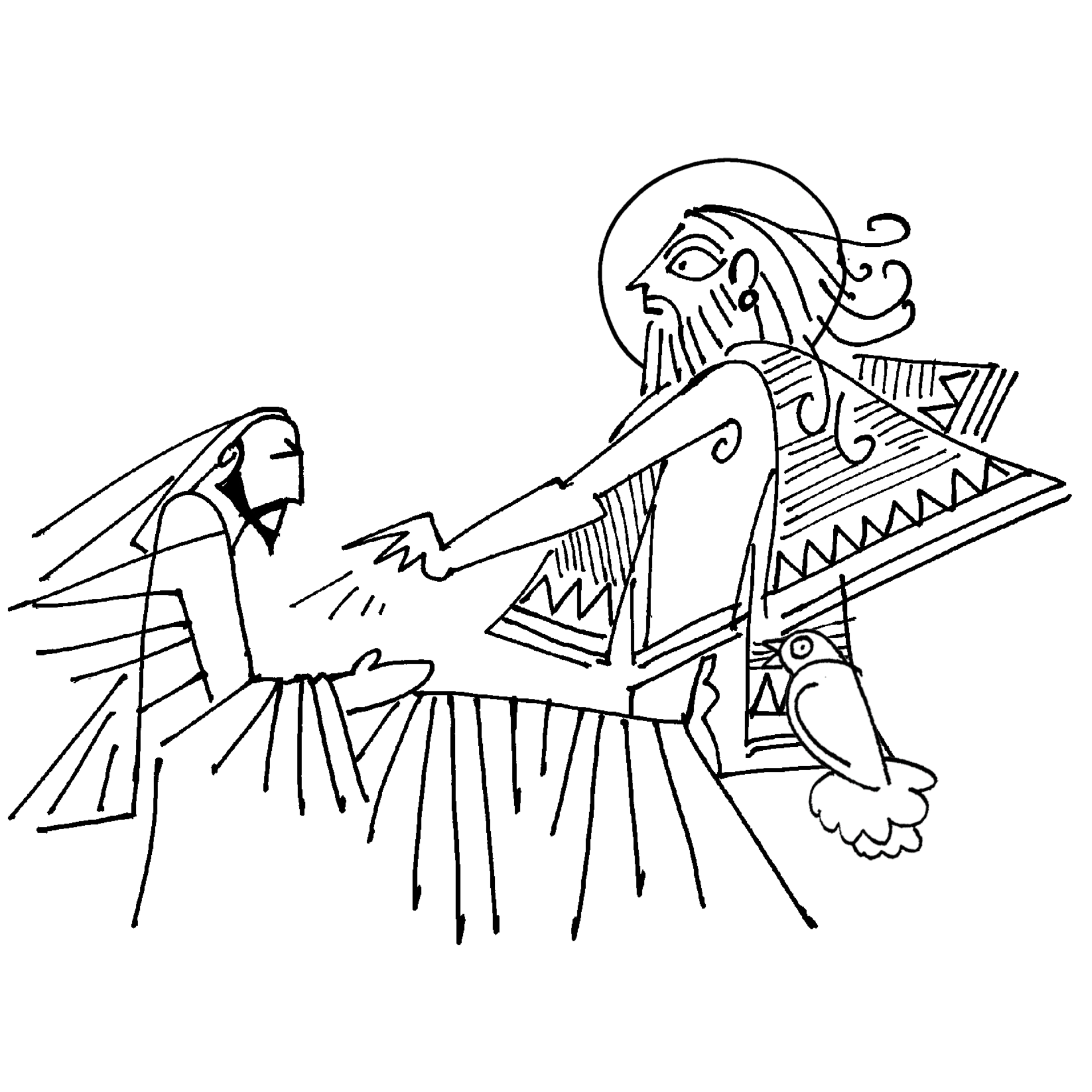
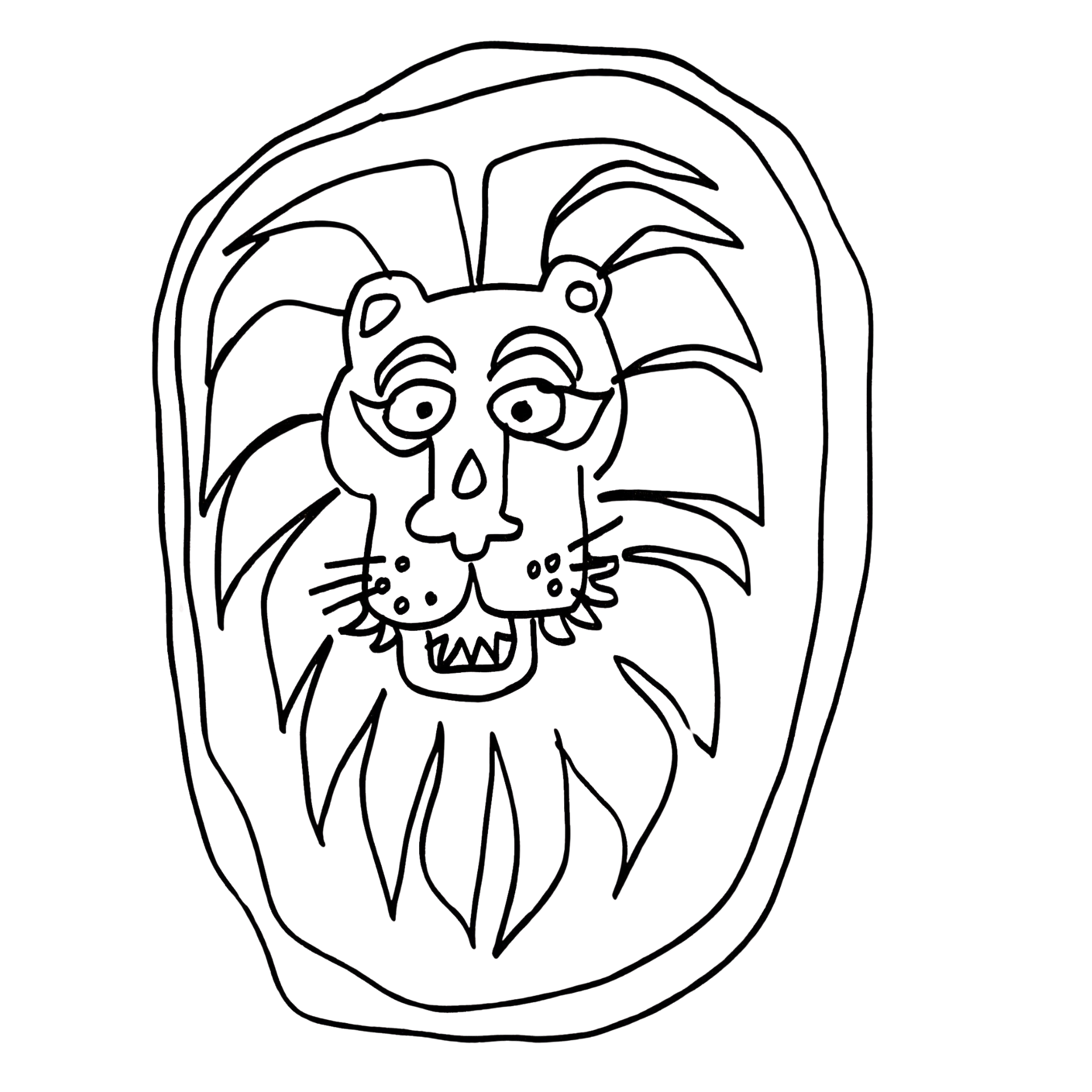
Ravan is a favourite of Bollywood filmmakers. He is depicted variously. We have seen films where Ravan is depicted as a devotee of Shiva (bhakta-Ravan), singing hymns and pleasing the hermit-god in many stories and television serials. Others have made him the perfect brother (bhaiyya Ravan) in their narrative.They justify his kidnapping of Sita because Ram’s brother insulted and abused his sister, Surpanakha, who simply wanted to have sexual relations with the brothers and could not take no for an answer.
Then there are directors who present Ravan as a great king who works in iron mines, not golden cities that remind you of Middle Earth sets of Lord of the Rings (veer-Ravan). Or he is projected as a great lover, a true admirer of Sita, who genuinely adores her but ignores her consent. He refrains from touching her, portraying this as doing her a favour (ashiq-Ravan). He also has been seen in Bollywood as a video game character called Ra-one. There are films that suggest Ravan is a feminist since he is an enemy of patriarchal Ram. Some filmmakers have even glamourised Ravan’s Brahmin status (pandit-Ravan), and confused him with other Brahmin characters like Parshuram, Ashwatthama, and Chanakya.
Lately, however, Ravan is being portrayed as a Muslim. This is perhaps the most intriguing transformation: from a Shiva bhakt to an ideal brother, a great king, a true lover, and now a Muslim smuggler, criminal, or terrorist. He is even shown as someone who eats meat—the ultimate taboo for Brahmins allegedly.
Bollywood has been trying hard to outdo Valmiki’s genius. However, Valmiki was a great sage who aimed to communicate profound truths through the Ramayana, often referred to as the fifth Veda. His epic explored the complexities of human relationships, the dangers of power, the limitations of knowledge, the challenges of kingship, and the tensions between nature and culture. These intricate ideas are beyond Bollywood’s grasp.
The most successful Ramayana serial from the 1980s was based on Tulsidas poetry, so hardly original. For decades since, the industry has tried to outdo the great sages of Hinduism and has failed both artistically and at the box office. Even today, the main aim of a film seems to be special effects and muscles and fight sequences. However, who knows? With a few more crores and some supportive critics, there might be a Bollywood film that will surpass India’s holiest books. And like Ravana, the filmmakers may also fly their very own private jet to their private island in the middle of the sea, which they openly aspire for.
We must not forget that Muslim communities of South and Southeast Asia have composed the Ramayana inherited from their Hindu ancestors. Mappila Ramayanam of Kerala speaks of Ram and Ravan as Lama and Lavana and there Ravana is very angry why Allah is with Lama. In Indonesian Ramayana, Ram is a descendent of Adam and Allah replaces Brahma. The Muslim works have always respected the structure of the original narrative.
For years, it was observed that many Left-leaning Bollywood writers preferred to over-valorise Ravan simply because they saw Ram as the mascot of the Right-wing. Now, forced by political reality, they are over-compensating and crawling when asked to bend.