
Mythologist | Author | Speaker | Illustrator

-
Articles
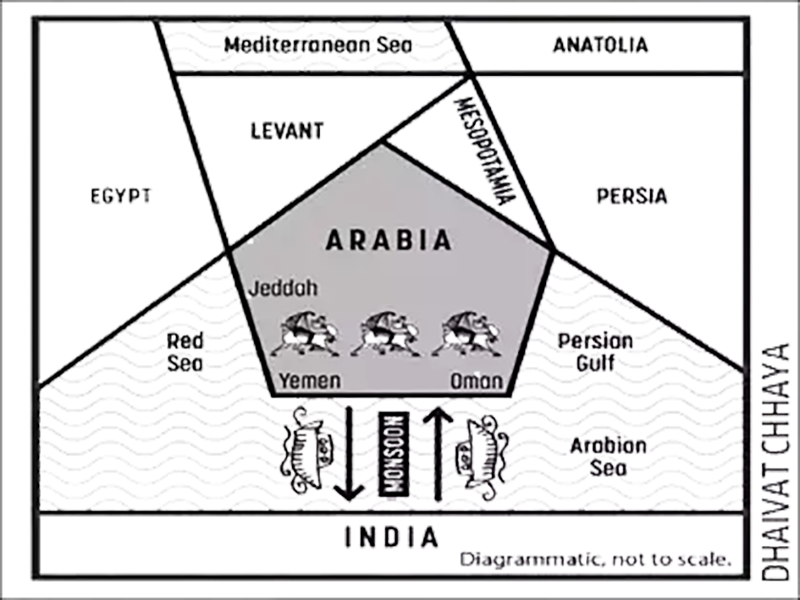
A Starry Network of Arabian Trade
The word monsoon comes from the Arabic word ‘mausam’, meaning season. Incidentally, the word ‘ara’ in Sanskrit means desert…
-
Articles

How Currency Notes, Piece of Fabric and Thali Symbolise India’s Diversity
India is neither superior nor inferior to other nations—it is simply different, shaped by history, geography, and the interplay of numerous cultures. The lesson for the world is that India’s diversity is not a challenge but its strength, and understanding India requires an appreciation for its unique structure and identity…
-
Articles

Satan, Santa, Sanat, Sant
Anagrams are fun. They are also thought provoking. Reorganise the letters and the word takes a totally different meaning. Here are three such words: Satan, Santa, and Sanat. …
-
Articles

Why Hindu Gods Dance, and Those In Other Religions Don’t
Dance is an integral part of culture. It cannot be captured in a museum — except as photographs or videos. But as a performance, it is something that changes with time and space. Therefore, like music, it is an intangible heritage…
-
Articles
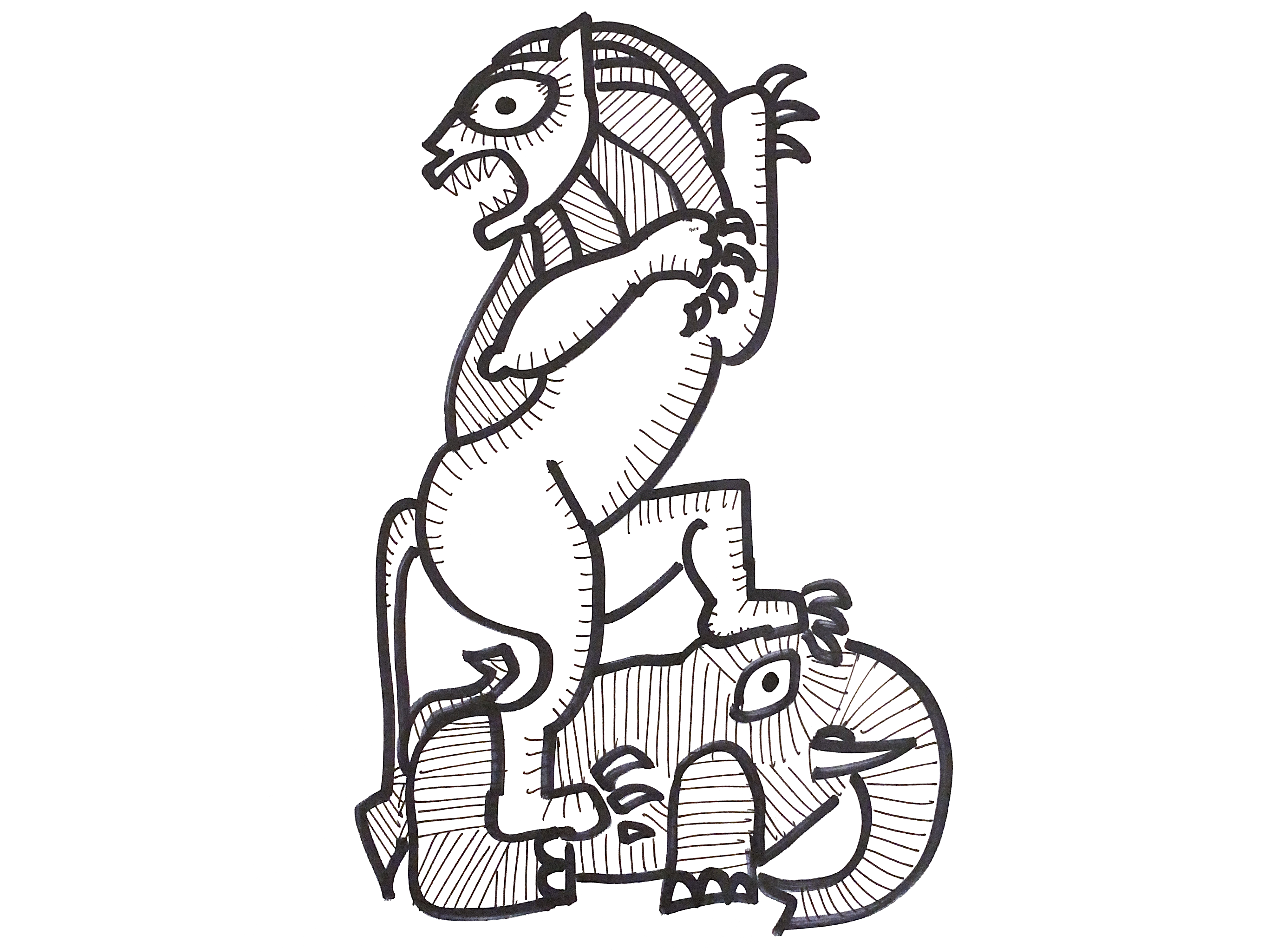
In the Lion’s Royal Shadow
Lions have long been symbols of royalty across the world. In India, kings sat on lion thrones (simha-asana), and Durga, the patron goddess of royal households, is shown riding into battle on a lion. Uniquely, in our country, lions are also linked with ascetics and their guardian goddesses. …
-
Articles
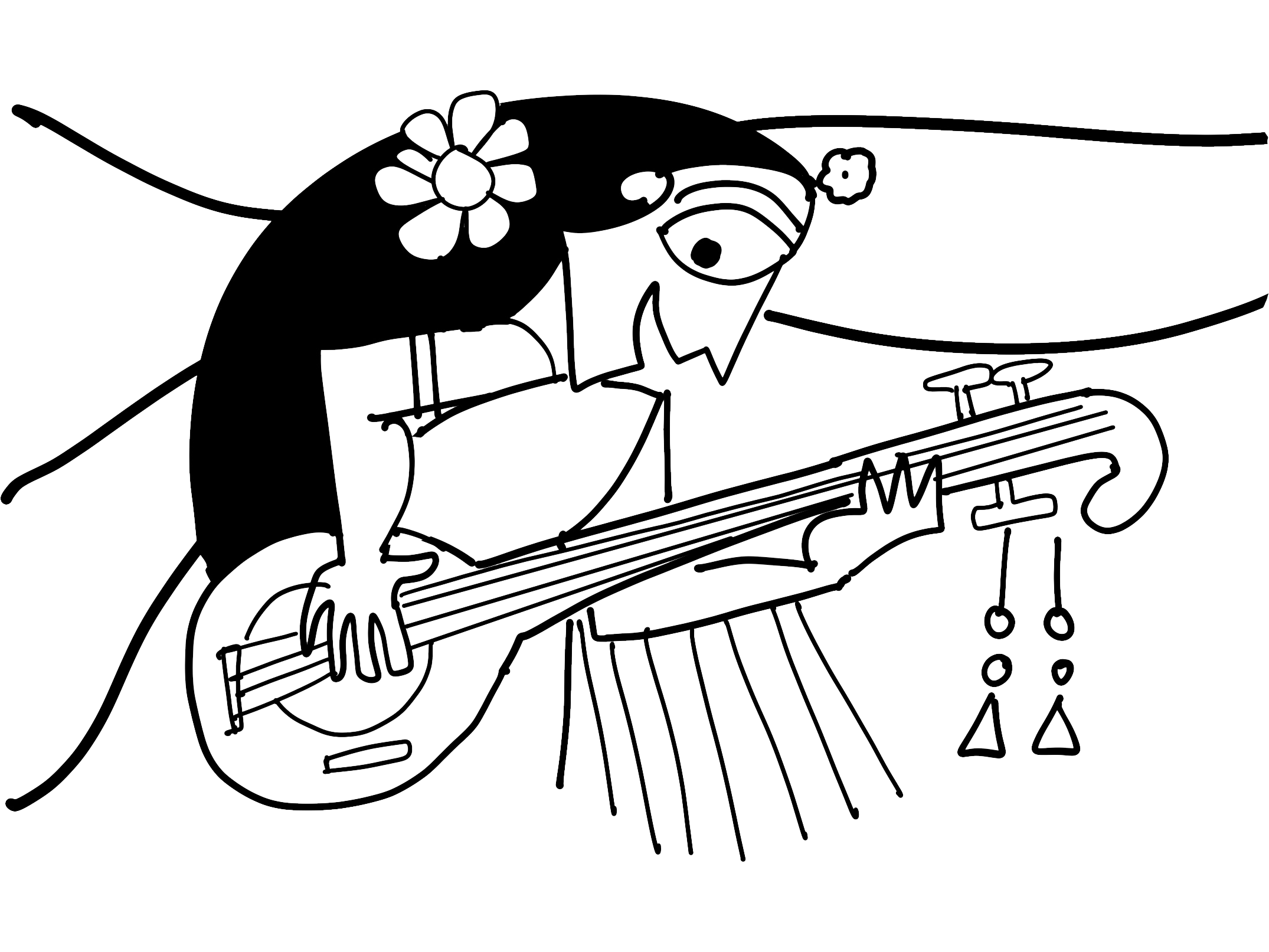
How Is Indian Music Different From Western Music?
Music was not linked with the ascetic. It was popular with bhakti saints. Music was a sin in orthodox Christian and Muslim circles, except songs and hymns in praise of God. Music thus reveals a lot about culture…
-
Articles
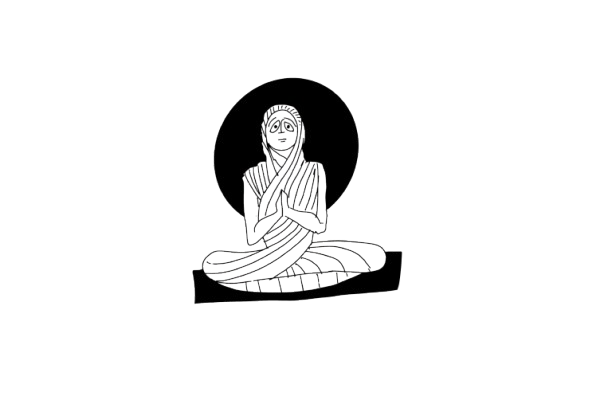
Nun With Shaved Head
A new-age guru has been establishing a monastic order for women, encouraging them to wear simple clothes, shave their heads, and break all ties with their families, as they seek union with the divine through the guru. This practice has ancient roots, as men and women who wished to renounce the world were often encouraged…
-
Articles
Samadhi: Suicide or Sacrifice?
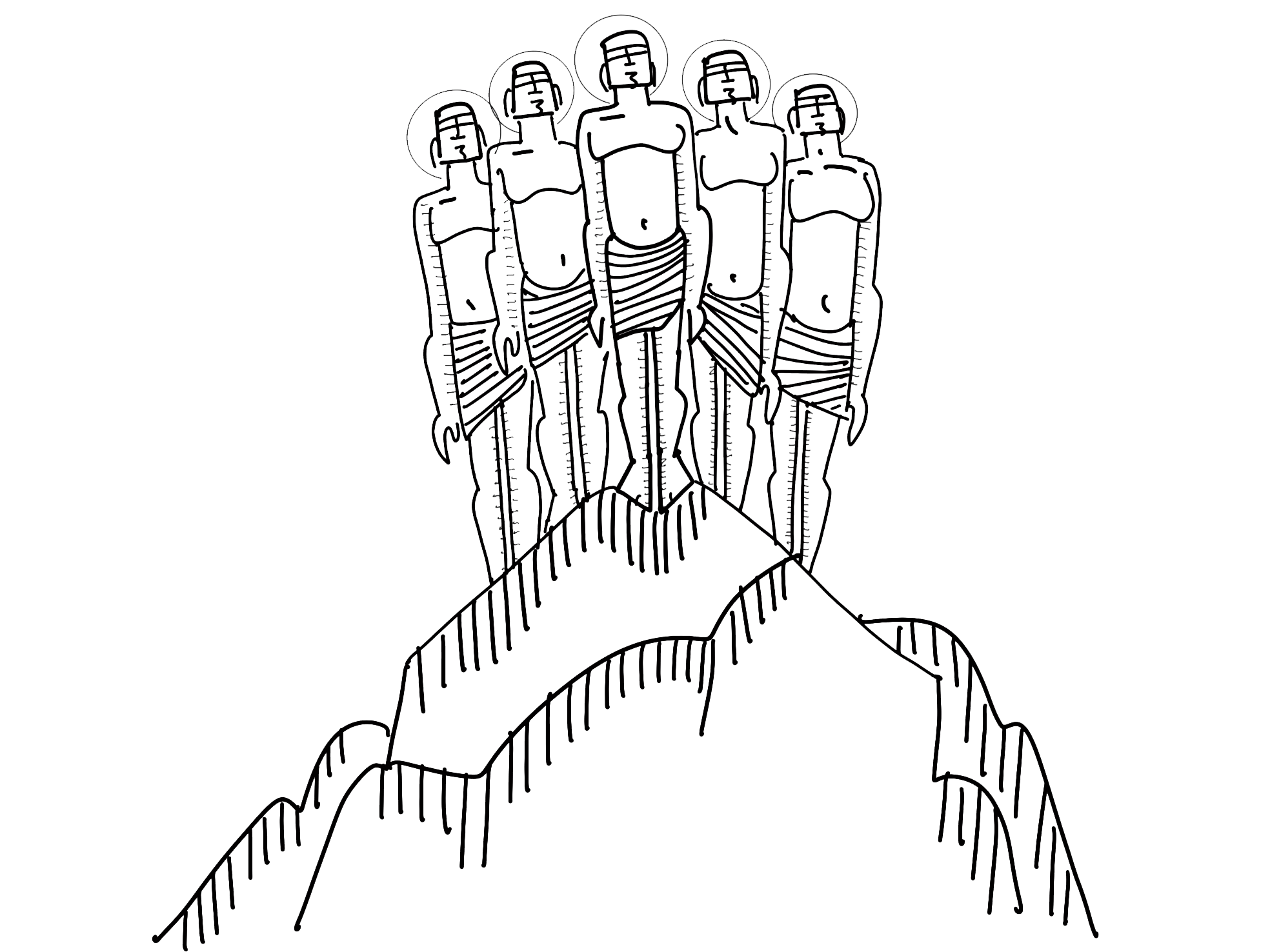
Suicide was sin in many cultures and so the only way they could justify encouraging soldiers to rush to their death in battle was by renaming it glamorously. There is no Sanskrit word for martyr…
-
Articles

Why Are Historians Averse to Mythology?
Historians refuse to engage with mythology generally. In fact, many hold it in contempt. History emerged as an opposition to folklore, mythology, and memory cultures in the 19th century when these subjects were invented…
-
Articles

India’s Rich History of Trade and Cultural Exchanges
India has had relations with cultures around the subcontinent by both land and sea. By land, it was connected across the Hindu Kush to Persia (modern-day Iran) as well as Central Asia. By sea, it was connected to Persia, Arabia, and via the Red Sea to the Roman Empire. On the eastern coast, it had…
-
Articles

If India Was Five Days Old
If the 5,000-year-old history of India can be reduced to five days, this is how events unfurled…
-
Articles
Rise and Fall of Cities in India
Broadly speaking, India has undergone five urbanisations. …
-
Articles

View: No Safe Space For Gen Z
As Gen Z enters the workplace, they are hearing on social media handles that Boomers (grandparents) and Gen X (parents) and Gen Y (older siblings), saying they have to work 70 hours a week if they wish to be successful, and shrugging their shoulders when a kid dies due to work pressure, arguing such kids…
-
Articles

What Sculptures Tell Us About Indian Culture
Sculptures typically show human, animal and plant figures or supernatural beings standing in isolation or emerging from walls. The most ancient sculptures we have come from the Harappan Civilization (2500-1900 BC) — the clay figurines, usually female, bejewelled, perhaps of ritual use; tiny bronze images such as the 10.5-cm long “dancing girl” made in the…
-
Articles
Himanta, Muslims & a Liberal Fallacy
Today ‘inclusion’ has become a great ideology. If you oppose it, you are branded ‘fascist’. This totalitarian idea emerges from the usual suspects: the West, European and American academies…
-
Articles

On Jhatka and Halal
In the 16th and 17th centuries, with the rise of North Indian Vaishnavism, vegetarian food started to be seen as a counter to the Islamic way of eating, which is based on Halal meat, where a hooved animal is slowly bled to death — a way of eating that is mandatory in the Islamic world.…