If the 5,000-year-old history of India can be reduced to five days, this is how events unfurled:
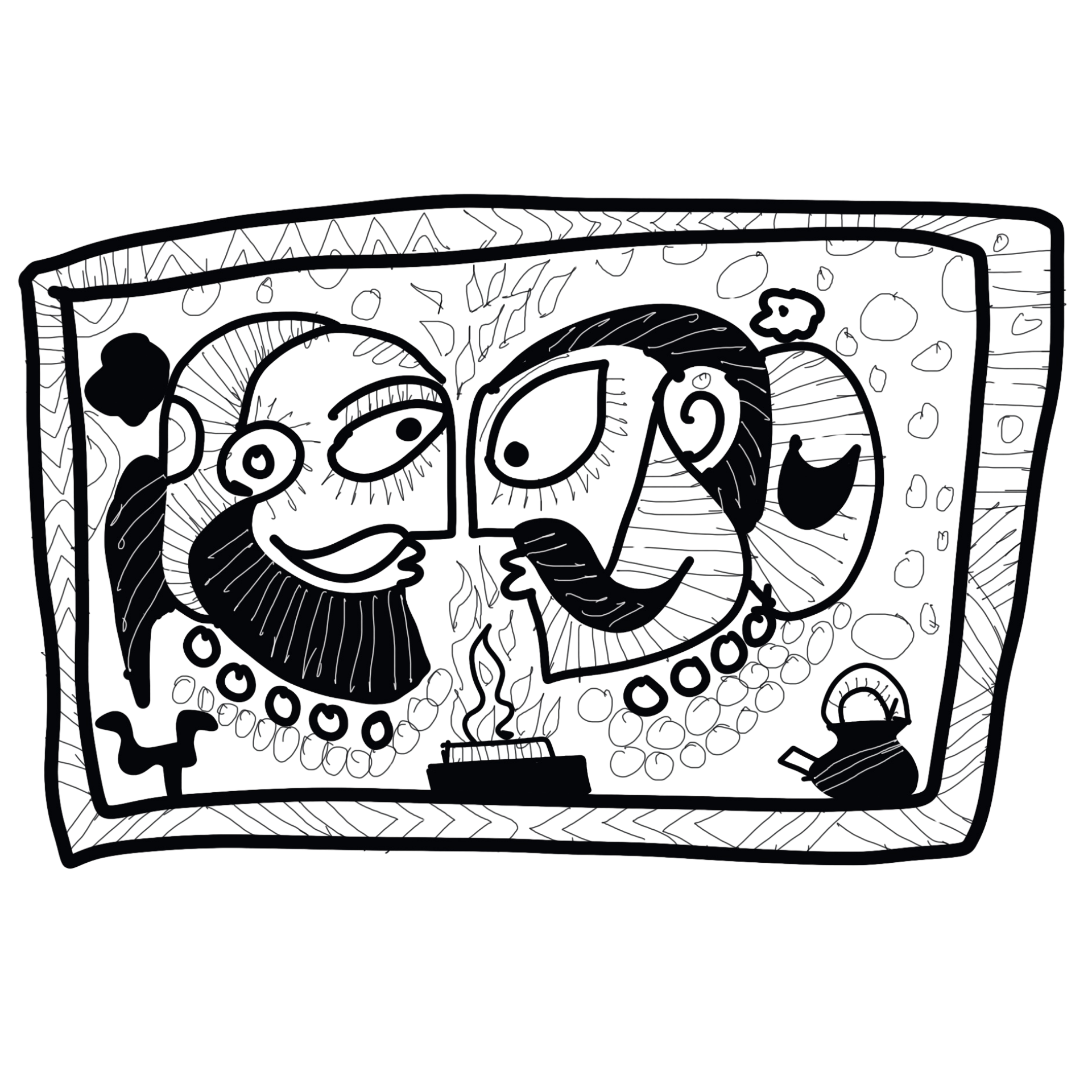
The first day saw the rise of agriculture north of the Vindhyas, followed by the rise and fall of well-planned cities in the Indus river basin. These were built by merchants who traded bronze, cotton and beads of lapis lazuli and carnelian with the Middle East.
In the south, megaliths were being raised to the dead, and herdsmen were piling dung and establishing ash-mounds. Art appeared painted on cave walls and etched on rocks along the coast.
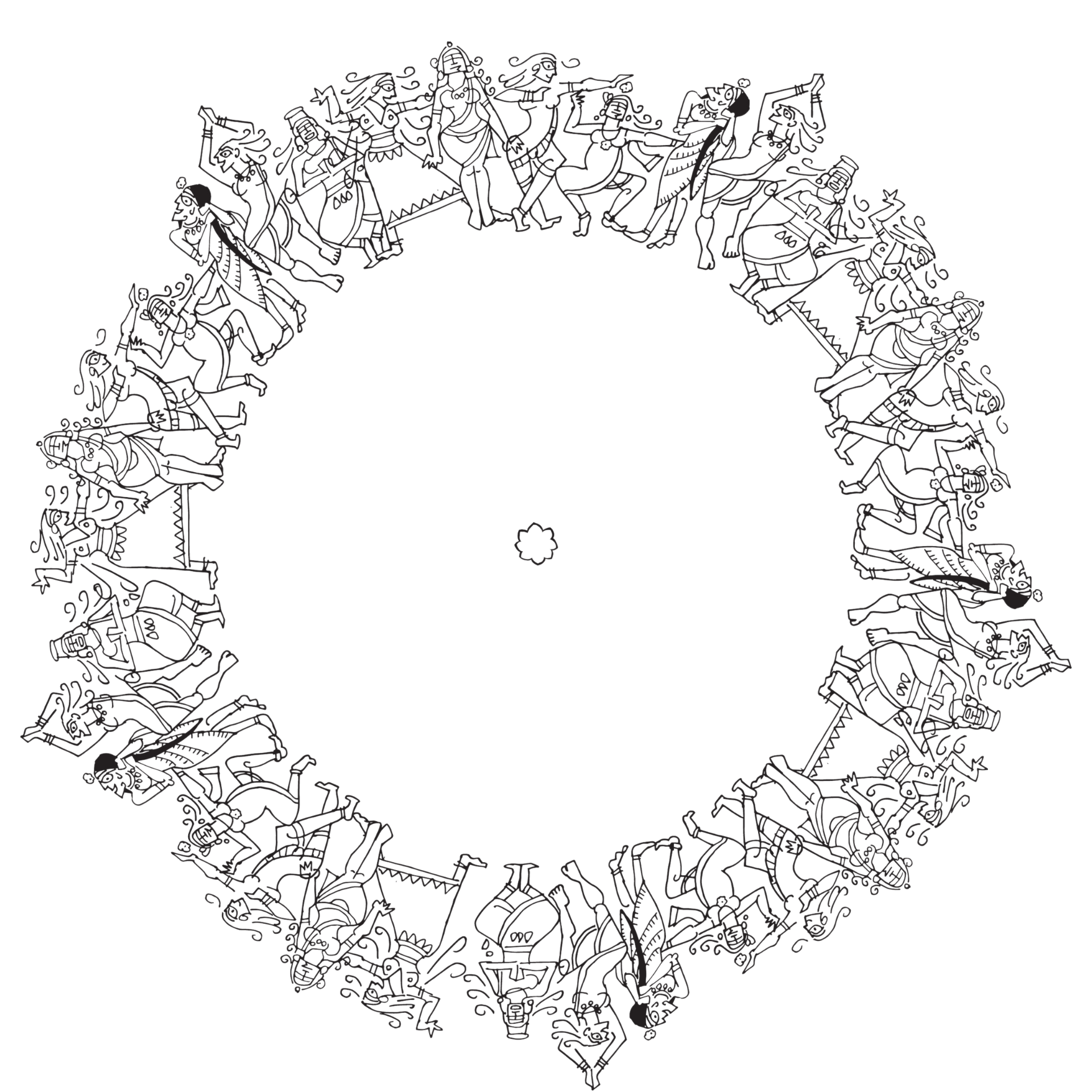
The second day was silent until dusk when nomads entered the north from beyond the Hindu Kush mountains. They came with horses, and through fire altars and chants connected with gods who lived amongst the stars. Maybe, they came for iron that was being smelted in the dark forests to the east and the south.
The third day saw the spread of fire rituals that valorised the householder in the upper Ganga plains. This was challenged, in lower Ganga plains, by monastic orders that valorised the hermit. The householder rituals favoured settled agriculture. The monks, especially Buddhists and Jains, were patronised by merchants who built monasteries and rock cut shrines on trade routes and ports. Taking care of monks brought good luck in business and so the monasteries prospered along with merchants. By evening many nomadic tribes from beyond Hindu Kush were controlling trade routes of the north. These were the Greeks, the Scythians, the Parthians and Central Asians. This is when Ramayana and Mahabharata was composed. The Puranas would come the next day. These epics claimed they were describing events that had occurred that same morning.
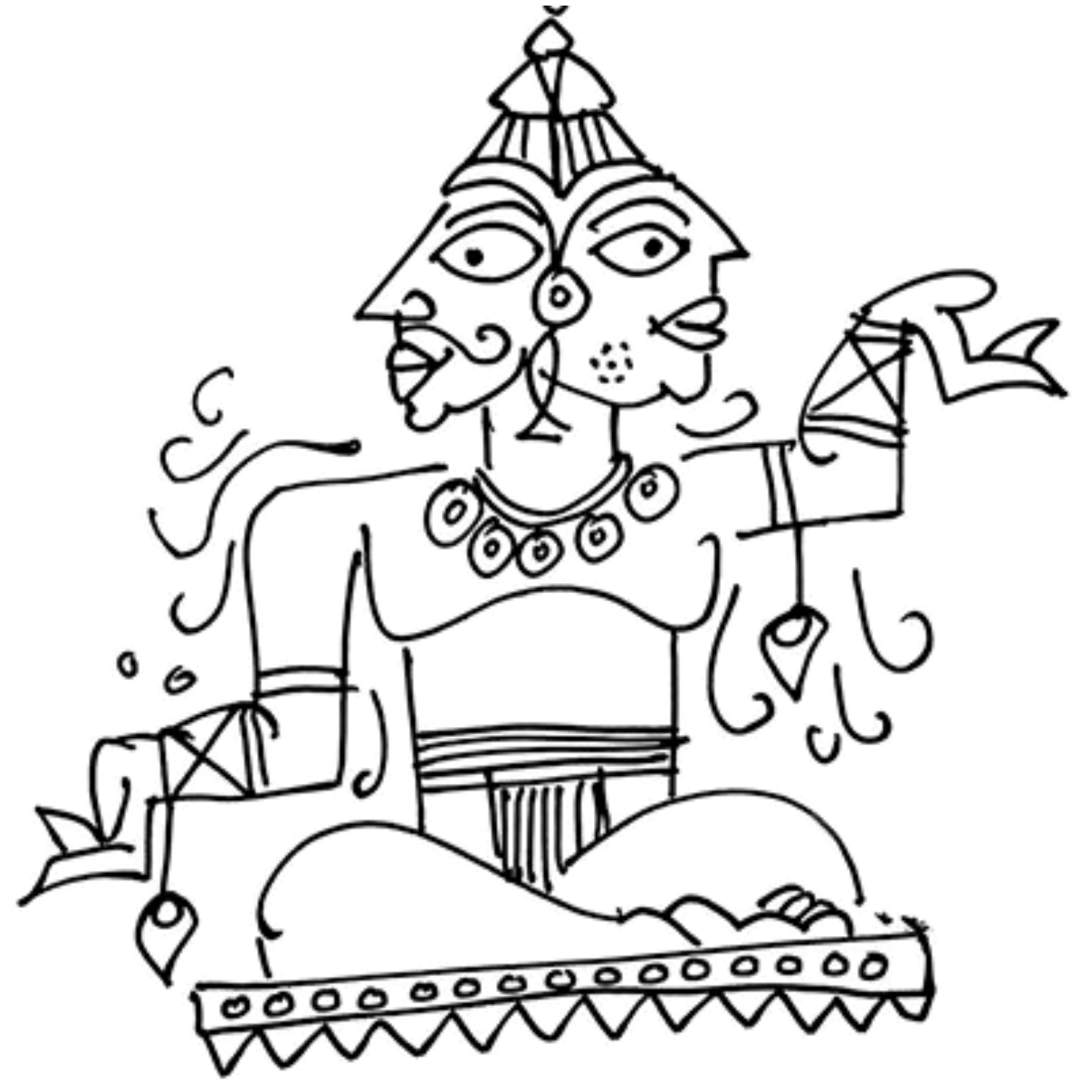
The fourth day saw prosperous agricultural communities rising in the river valleys of the south, as well as in eastern and western coasts. Circles of kings emerged around grand temples on whose walls stories were told of Shiva and Vishnu, Durga and Lakshmi. Hindu gods fought battles and got married. They celebrated participating in the world rather than withdrawing from it. They inspired kings from Satavahanas, to Vakatakas, to Guptas, to Kachuris, Pallavas, Chalyukas, Gangas and Cholas. This was when Sanskrit was the court language. And it was popular from Afghanistan to Vietnam. This was when the caste system consolidated itself with the pure living in the centre close to the temple and the impure further way in a graded manner.
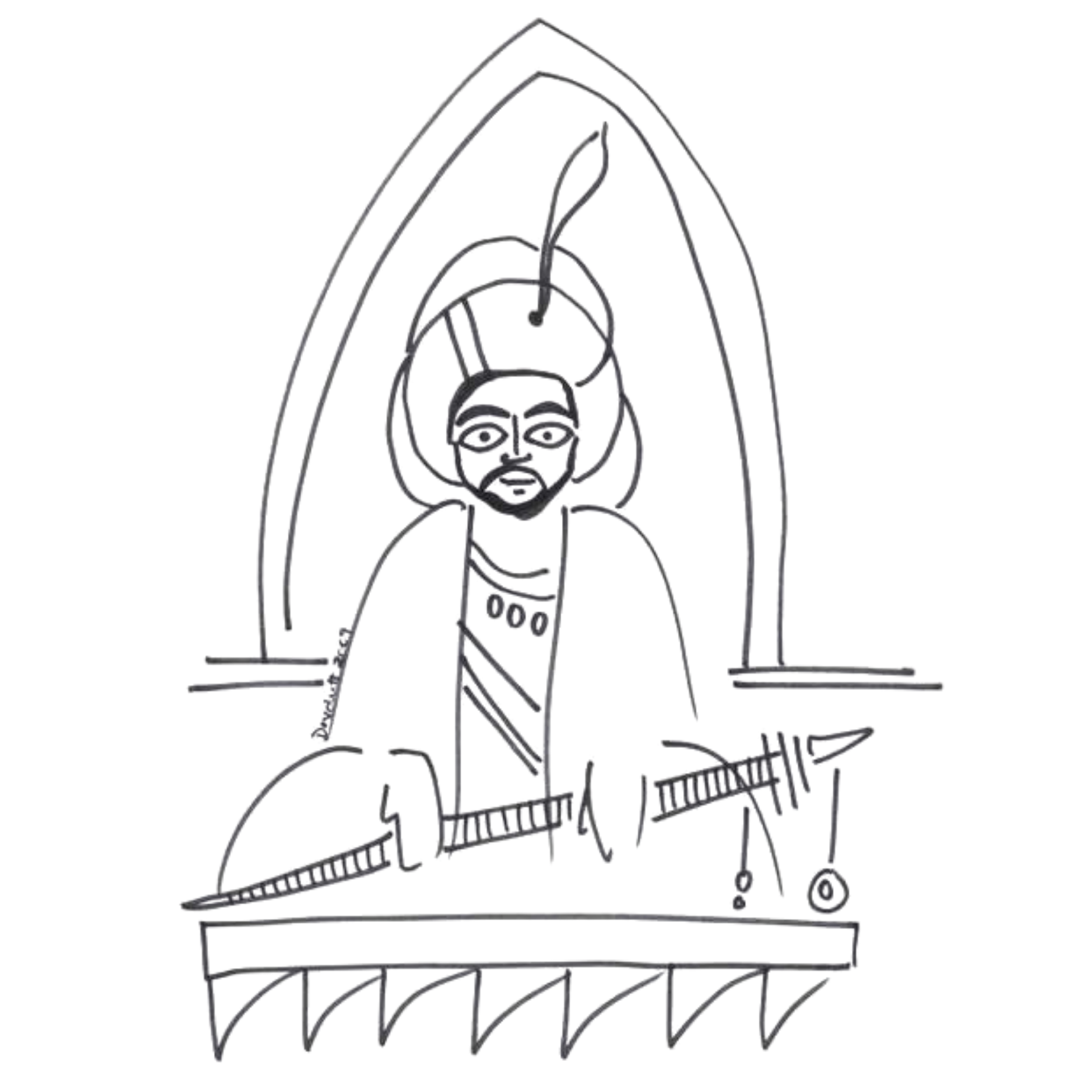
The fifth day saw the rise of Islam in the subcontinent, temples replaced by mosques, the idea of a formless god taking precedence over idols and imagery. Persian became the court language replacing Sanskrit. The idea of one true god, and one life, challenged ideas of goddess and rebirth. Feudalism became the norm. Life was no longer a balance sheet. It was about justice and equality. Vedanta and Sanskrit texts were protected mostly in southern kingdoms from northern marauders. When the Christians arrived by sea from Europe, sex was seen as sin, pleasure as debauchery. Caste-based society became a religion-based society. English became the dominant language. Hindi sought hegemony. By evening science was challenging all matters of faith. The constitution rejected the caste system. Metaphors lost meaning. The literal, the measurable, and the rational were seen as the answer to life’s problems. But as we know now, that was a lie.