Mythologist | Author | Speaker | Illustrator

-
Articles

How Many Manus Do You know?
Most people assume that Manu is simply the stern lawgiver of the Manusmriti, son of Brahma, entrusted with the task of framing rules for humankind. But this Manu is only one among many, and a relatively late one at that — emerging around 200 AD. …
-
Articles

The Buddha and His Impact On Brahminism
Vishnu takes the form of Buddha to save animals from being slaughtered in Vedic rituals. Today, many Hindus get upset when told that Vedic rituals involved animal sacrifice. Clearly, Buddhist influence on Vedic Brahmins has been profound, though always denied…
-
Articles
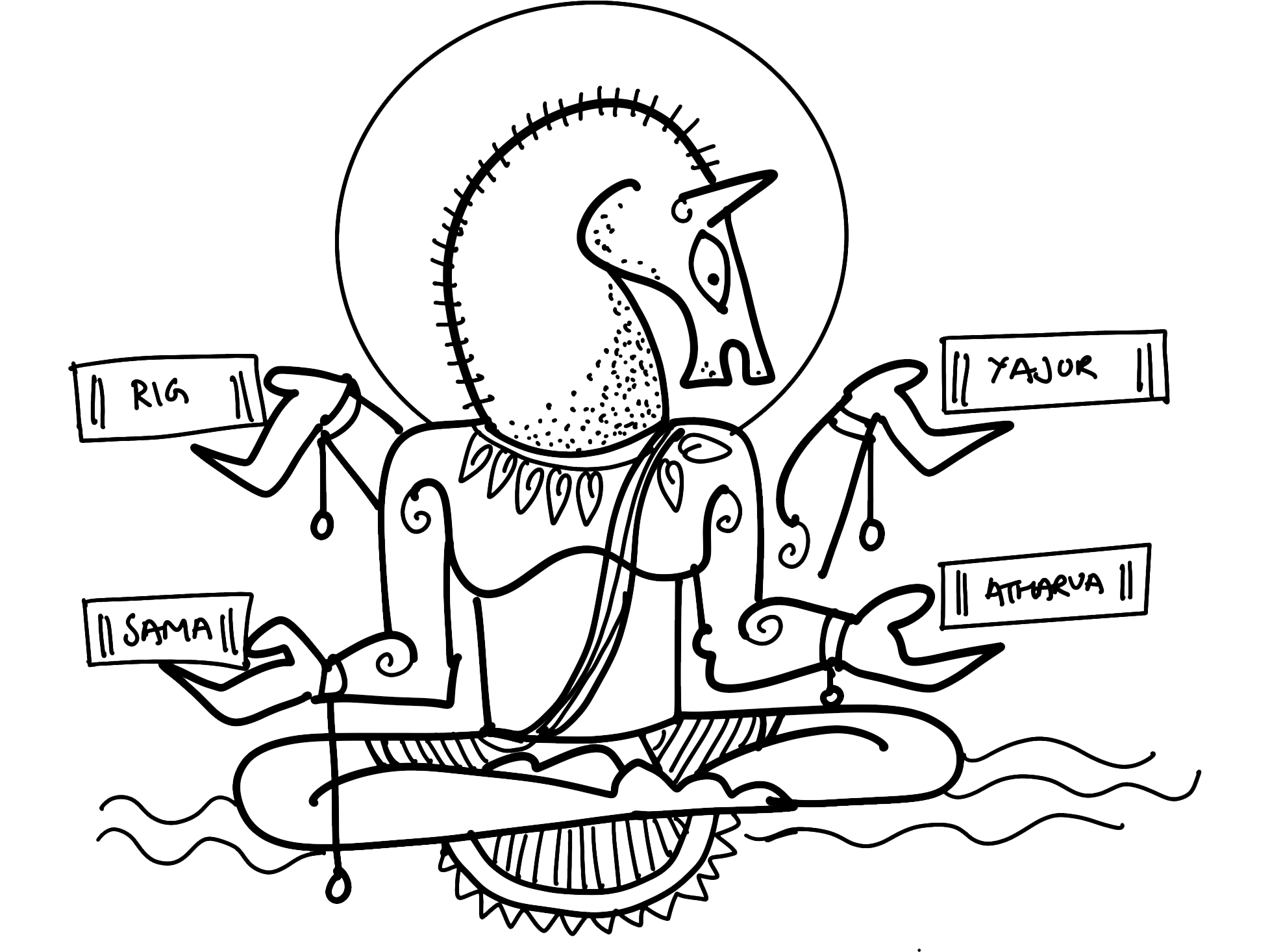
Dravidian Iron for the Aryan Horse
Colonial historians argued the ‘Aryan invasion theory’ that light-skinned chariot-riding people destroyed Harappan cities, conquered India, enslaved local dark-skinned people and created the caste system. To counter this, there was the ‘out of India’ theory popularised by many Brahmins, that Harappa was Vedic, that Aryans were originally Indians who migrated out of India, taking civilization…
-
Articles
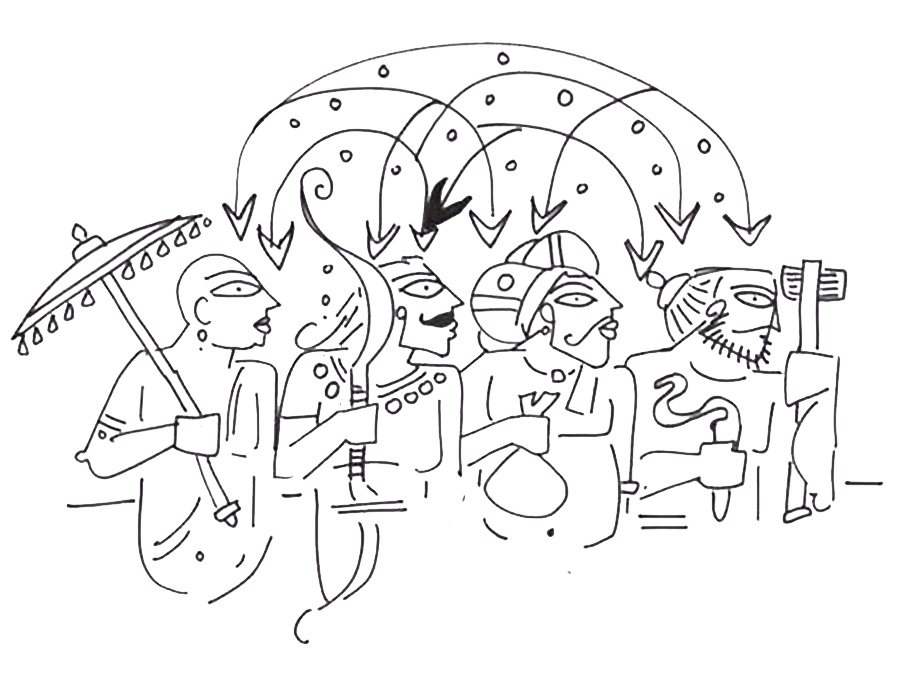
Is a Dvija the Same As a Savarna?
The term ‘Savarnaʼ was coined by the Left wing to distinguish the Hindu elite from the ‘Avarnaʼ, those who are deemed outside the caste system and denied human dignity…
-
Articles
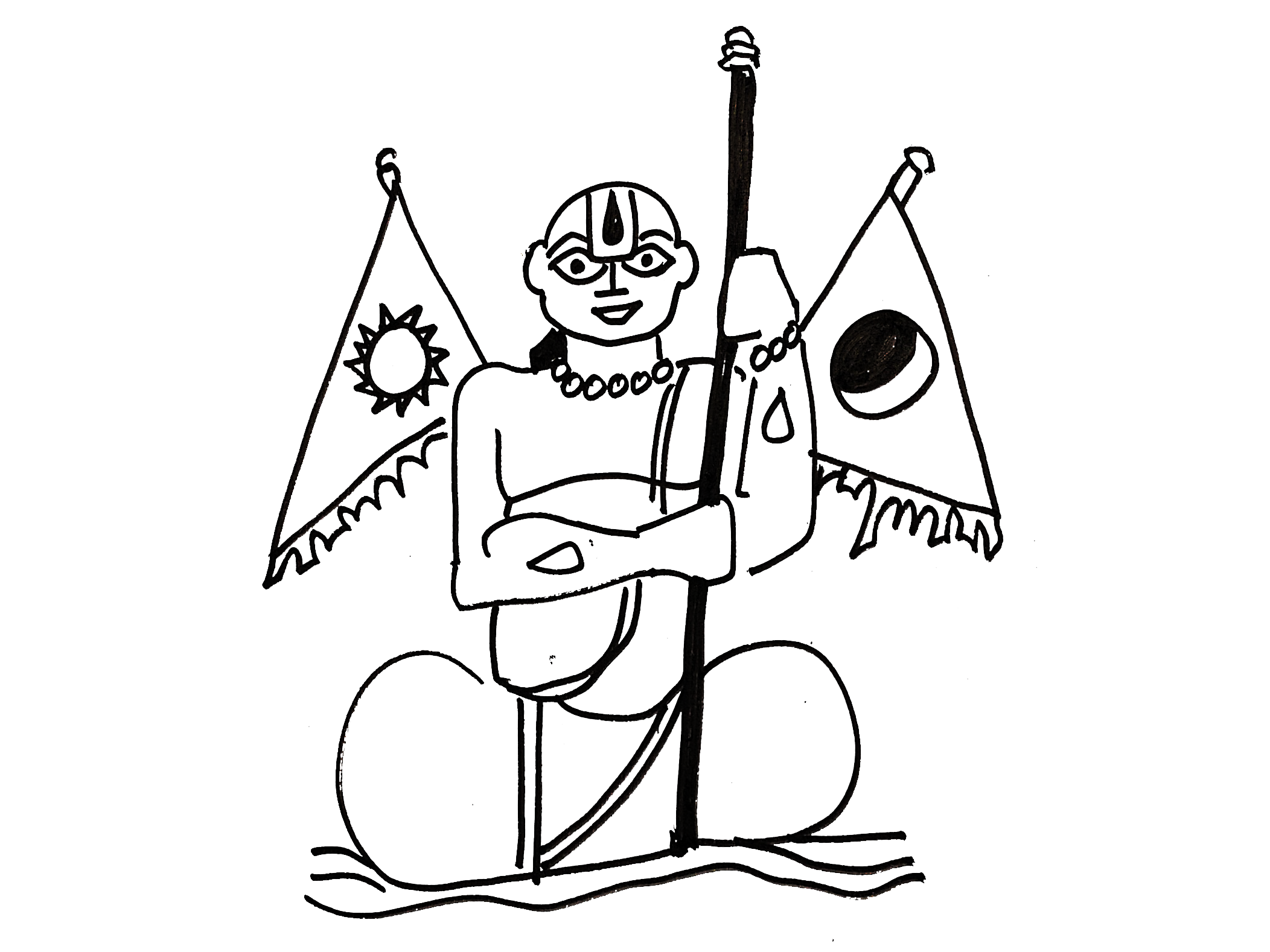
Buddhism, Jainism Within Brahmanism
As per conventional history, Jainism and Buddhism originated in India 2,500 years ago to challenge Vedic ritualism and casteism. Then, a thousand years ago, Buddhism was driven out by Brahmins, with a little help from invading Muslim warlords…
-
Articles

Three Worlds, Four Eras
In ancient Vedic culture, the number three held great significance. However, in the later Vedic period, we observe the number three being replaced by the number four…
-
Articles
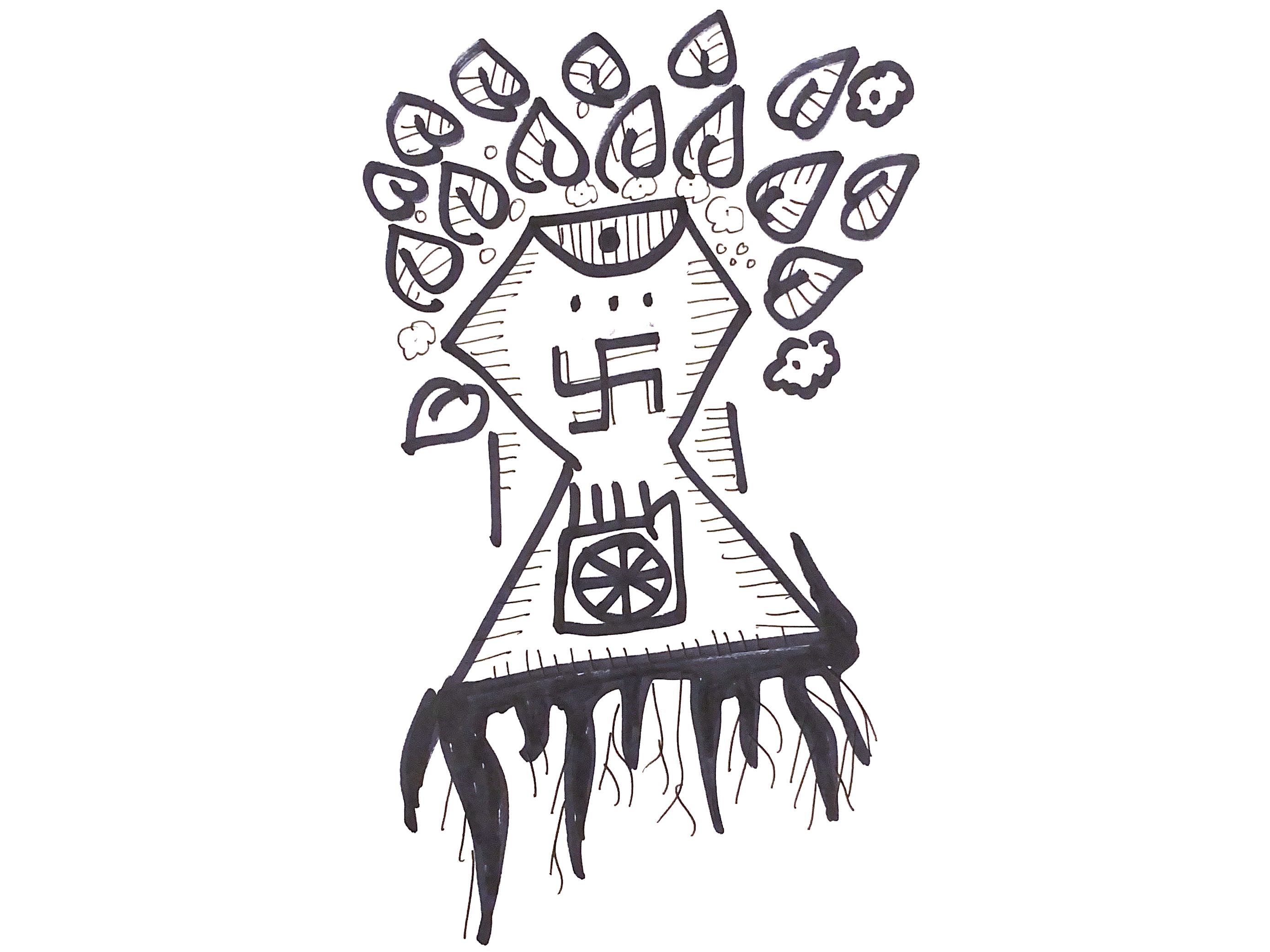
How to Look At Manusmriti and the Caste System
Everybody talks about the Manusmriti nowadays and links it to the caste system. But what exactly is it? To understand this, we must understand a little bit of Indian history…
-
Articles

The Significance of Vedas and Their Rituals
When we talk about the Veda, we have to differentiate between Vedic poetry, Vedic prose, and Vedic philosophy. …
-
Articles

The Maleness of Shiva
This leads to questions if Shiva and Shakti are equal halves or is she the inferior half? Are they talking about men and women, or about mind and body?…
-
Articles

Rishi Pippalada of the Atharva Veda
Atharva Veda is the collection of hymns containing spells for helping, healing and even hurting, composed by the Rishi who was generally excluded from the list of Seven Sages (Sapta Rishi): Atharva, Angirasa and Bhrigu…
-
Articles
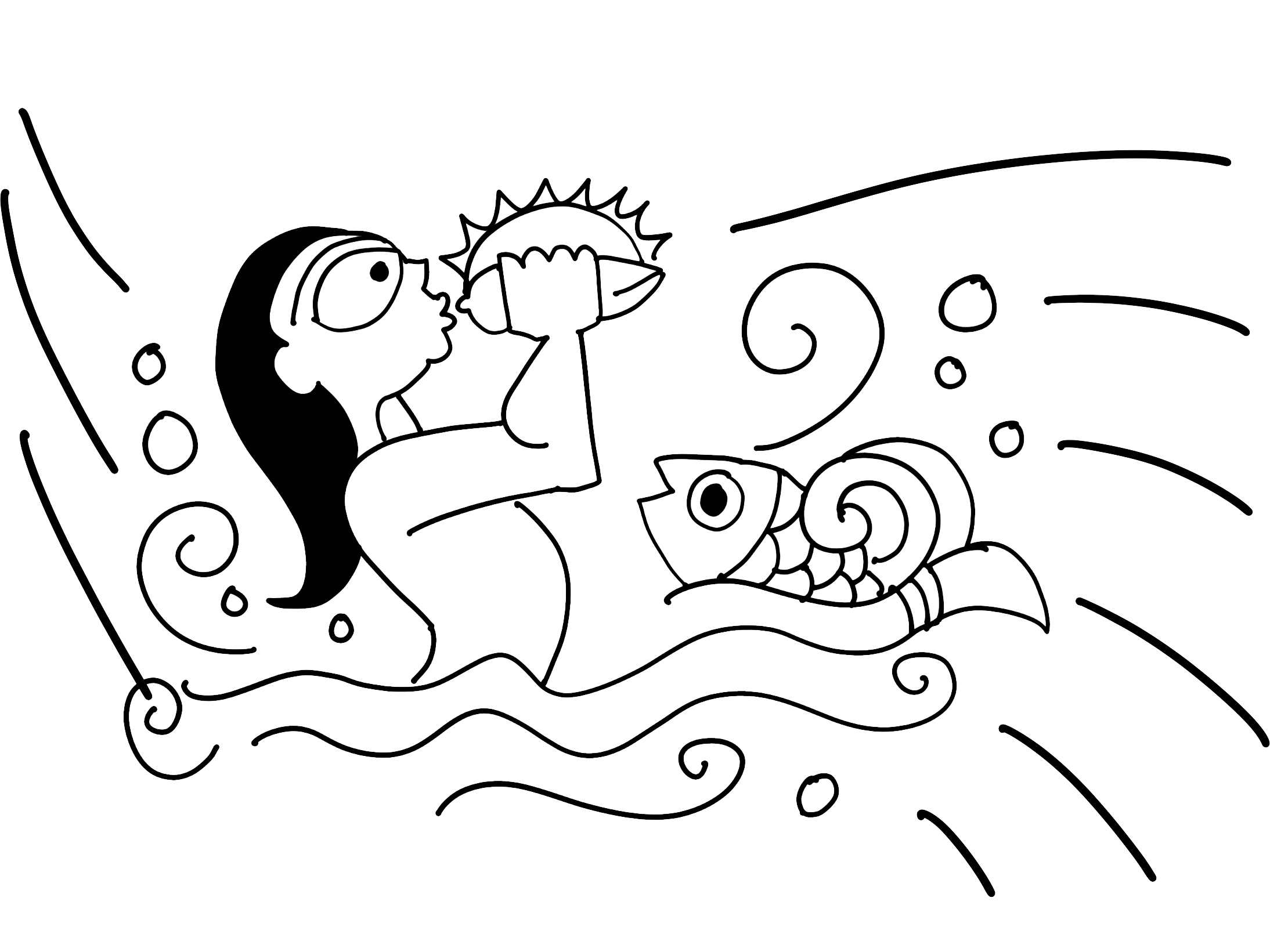
Loss and Recovery of the Vedas
The conch-shell trumpet heralds the shift of time: a great battle that witnesses the end of Dwapara Yuga and the start of Kali yuga. …
-
Articles
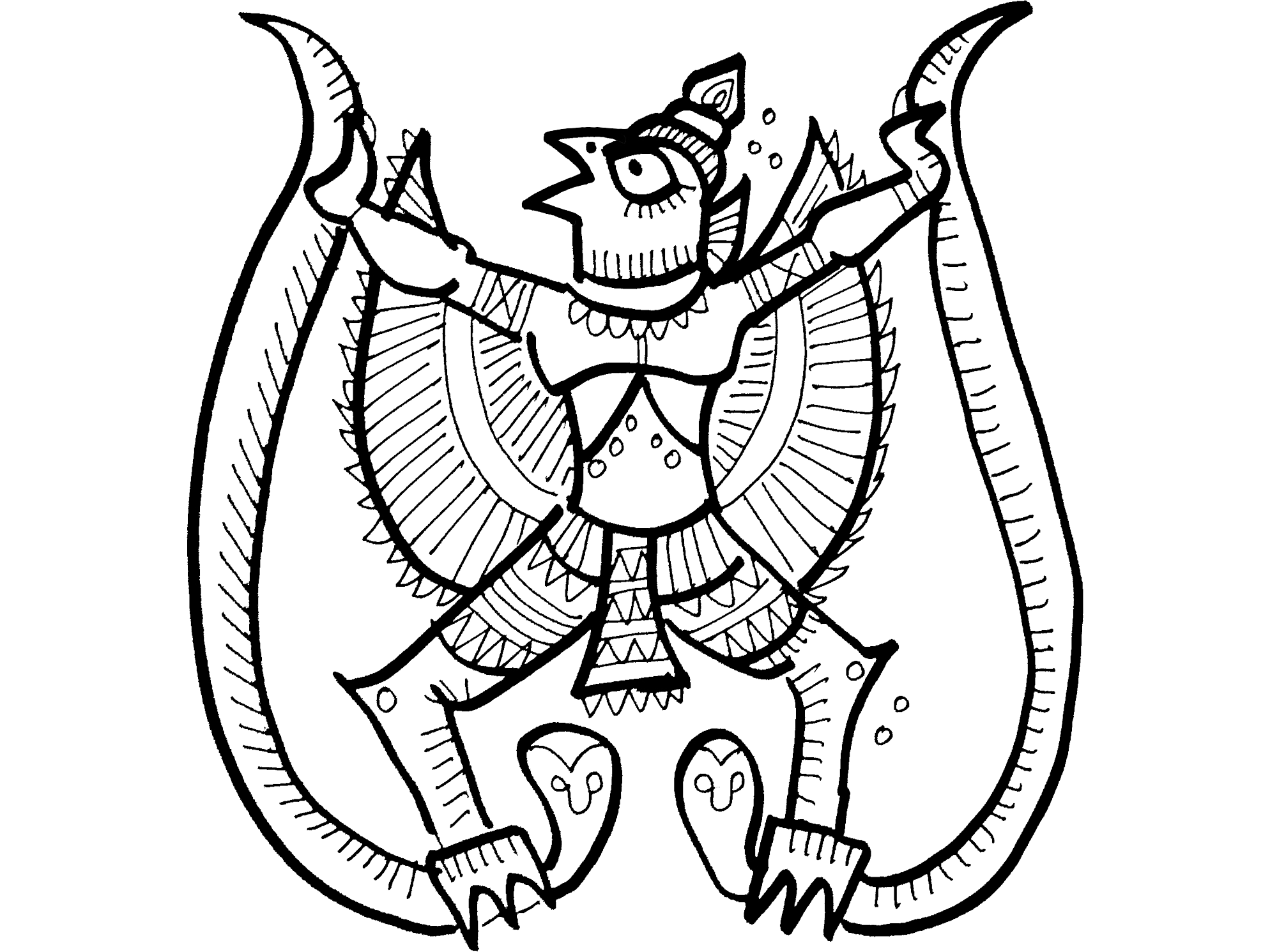
From Vedic Soma to Puranic Amrut
Early scholars wondered what this Soma was, leading to rather colourful research. Was it a magical drink?…
-
Articles
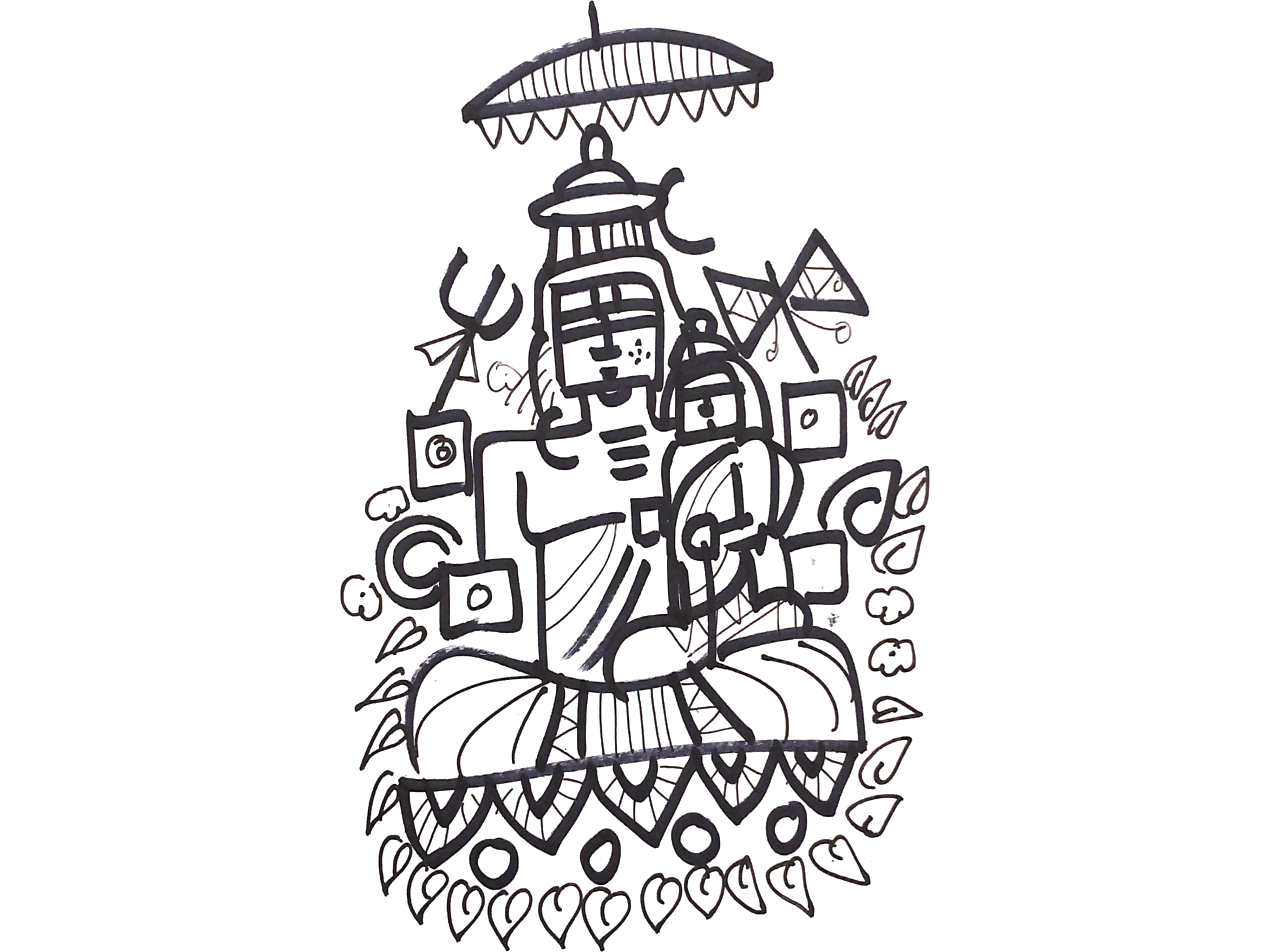
Rise of Hindu Monotheism
Vedic philosophy starts considering the idea of one god. It seems monotheistic. But that is not quite true…
-
Articles
Non-Vedic Hinduism
The study of Hinduism reveals much more than the narrow ideas of the Vedic corpus. Yet it was the Veda that was privileged by the British, who were looking for a Hindu “holy book”…