
Mythologist | Author | Speaker | Illustrator

-
Articles

How Mythology Impacts Notions of Social Justice
It is important to understand how mythology impacts our notions of social justice. Modern social justice has its roots in monotheism, not in atheism…
-
Articles
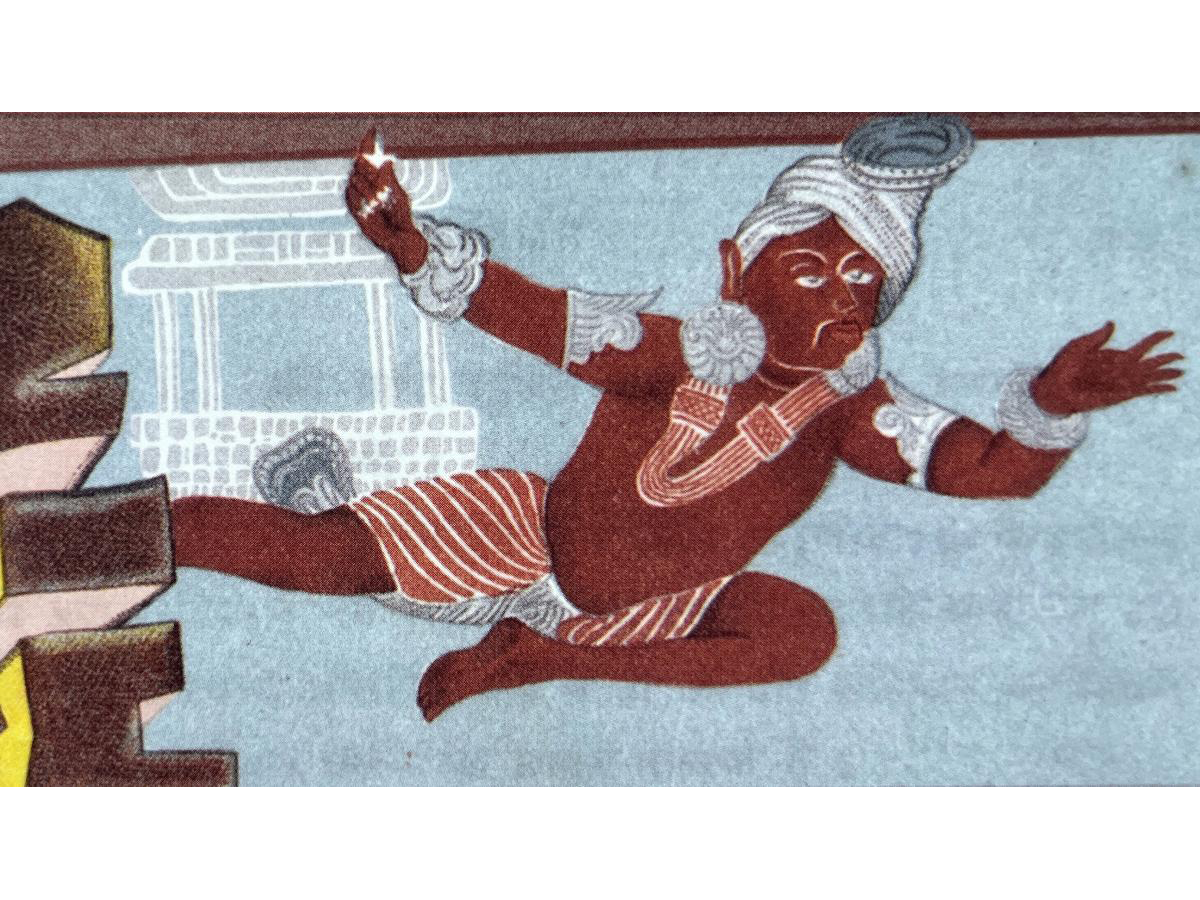
Kubera, the Refugee From Lanka
When the Constitution of India was first published, over 75 years ago, it included many artworks. Amongst them was one showing Kubera, Ravana’s brother and the king of wealth and yakshas (nature spirits), fleeing from Lanka. It is often mistaken for Hanuman burning Lanka, but there are no flames of a burning city or a…
-
Articles

ASAP In Eternal Time
ASAP is a popular acronym for ‘as soon as possible’. But more often than not it is used to mean ‘immediately’ in corporate circles. In political, bureaucratic and judicial circles, it depends on the relationship of the beneficiary and the benefactor…
-
Articles

The Many Horse Invaders of India
India has been invaded several times, for over 3,000 years, by horse-breeding tribes from the steppes, grasslands north of the Himalayas, the last of whom were the Mughals, and the Mughals came only 500 years ago…
-
Articles

Stories of How India Connected East and West
The Indian subcontinent is located right in the center of the world if we see Europe and America as the West and China and Japan as the East…
-
Articles
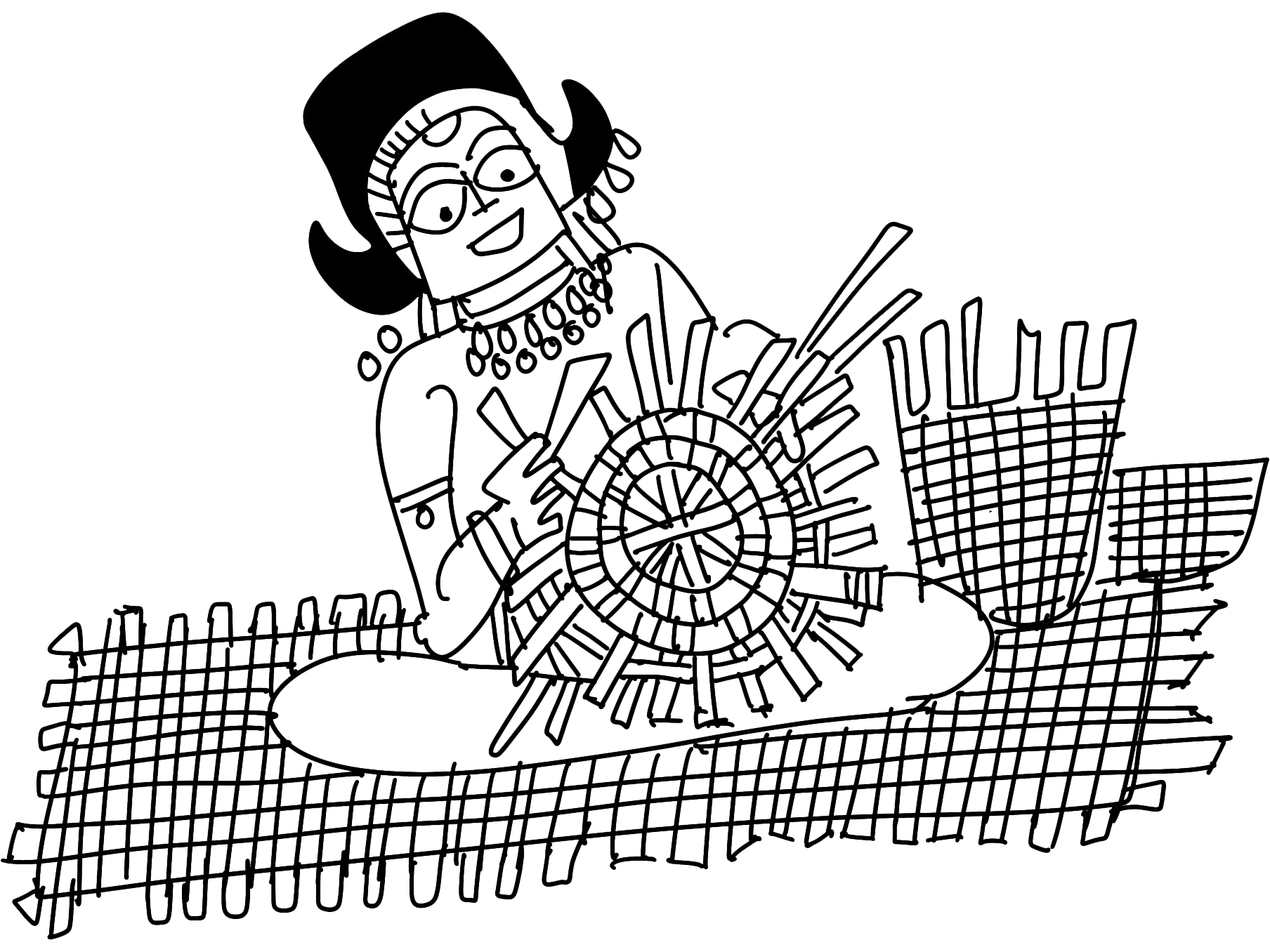
12 Children In 12 Castes
Caste (jati) is a reality in India. People in India for at least 1500 years could not change vocation or marry outside caste. This led to social stagnation…
-
Articles
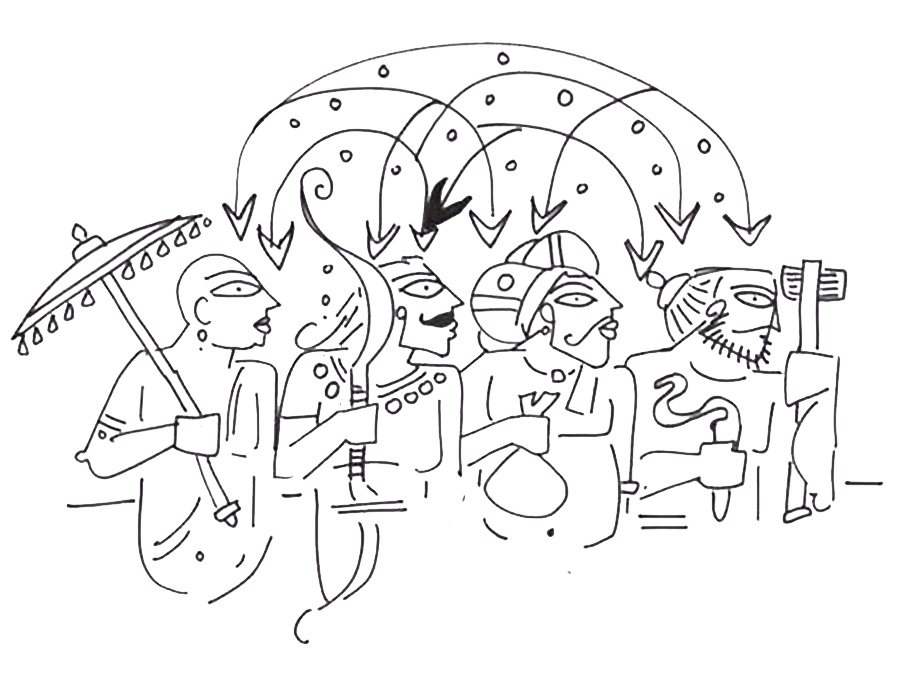
The Chatur-varna System of Punjab
Despite their military support, Jats were seen inferior by Brahmins, Rajputs and Khatris, as they practiced a form of widow remarriage (chadar chadhana) and refused to indulge in widow burning (Sati) valorised in royal and martial communities…
-
Articles

Royal Ram Hunted Deer, Not Lions
Ram of the Ramayana is a great archer but he is never depicted in art or story as hunting lions or tigers. That is strange, considering his royal status. …
-
Articles

Binding Bharat With a Vegetarian Canteen
Many pilgrim spots are being turned vegetarian. First Jain sites. Now Hindu sites. The assumption being vegetarian food is non-violent (it is not), eggs, fish, and meat are impure and polluting (they are not) and gods prefer vegetarian food (since when?)…
-
Articles

Why Myth Terrifies Seekers Of Truth
Truth based on faith is religious truth or cultural truth or patriotic truth, which in modern academic circles is called “myth”. Truth based on scepticism is scientific truth, and depends on measurement, evidence, and experimentation…
-
Articles
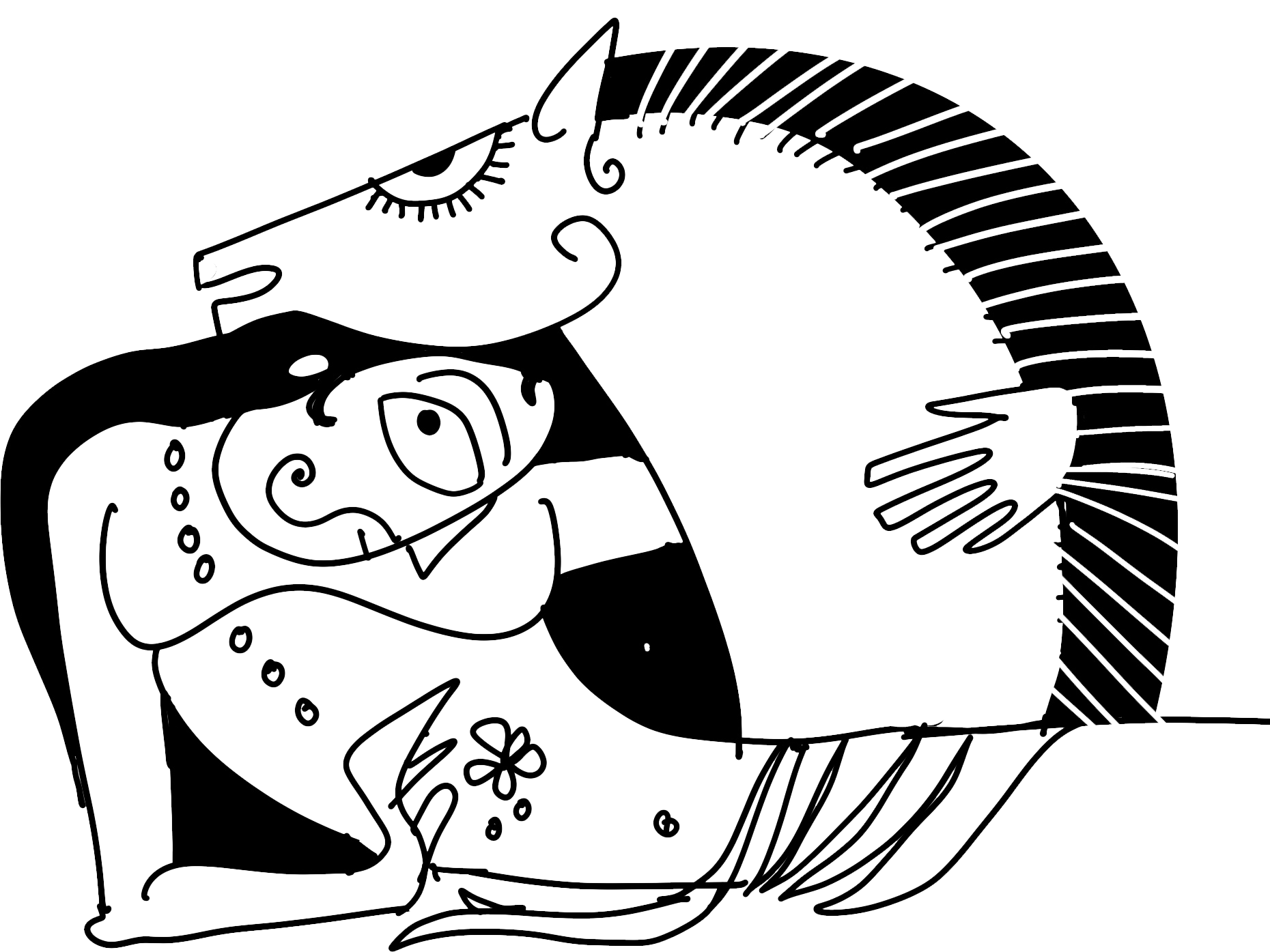
Did Aryans Know About Same-Sex Behaviour?
In a story from Brahmanas, when the world was split into three, men went on top with the sky, women stayed below with earth, in between was the third sex, neither this nor that. Indra once becomes third being “men to men and women to women” until a castrated ram is sacrificed and he is…
-
Articles
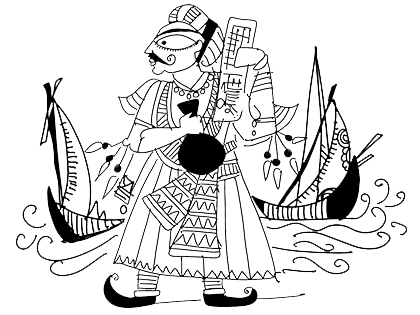
Bharat’s Mercantile Heritage
India’s oldest civilisation was the Harappan civilisation, which was a merchant civilisation. Over 4,000 years ago, in the Bronze Age, several planned brick cities stood along the Indus, the now-dry Saraswati, and the coasts of Gujarat. They traded tin, copper, lapis lazuli, carnelian and cotton with Middle Eastern cities…
-
Articles
Why Pots Are Integral to Understanding Culture
Pottery is a sign of culture. It allowed humans to transport food and water. Besides cooking or storage — it serves ritualistic purposes in both marriage and death ceremonies. This dual function, both practical and spiritual, makes pottery an essential aspect of cultural heritage…
-
Articles
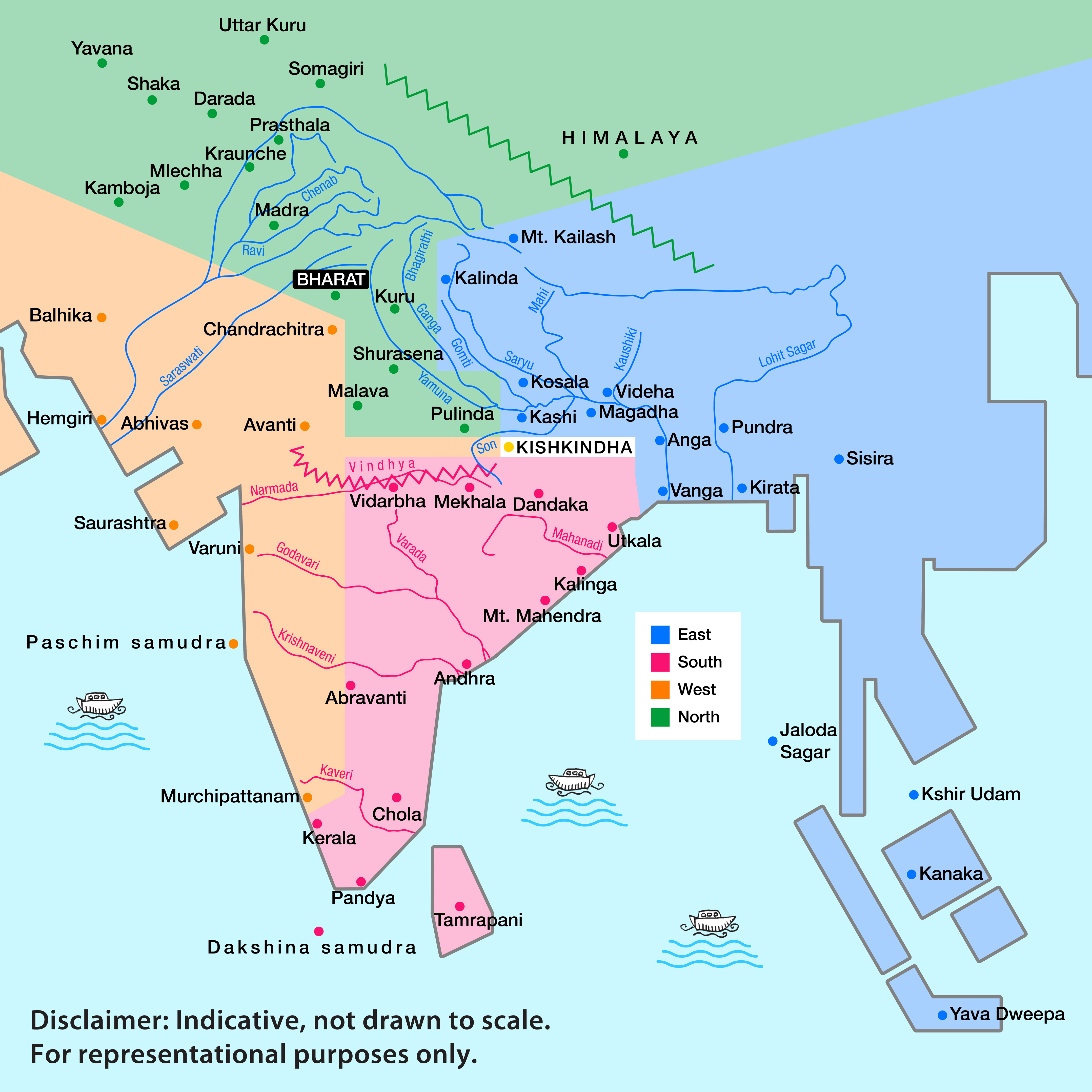
Where Is Bharat In Sugriva’s Atlas?
The Valmiki Ramayana has layers of information, included in different historical periods, that saw the location of Sugrivaʼs kingdom and Ravanaʼs kingdom shift. …
-
Articles

Stage-Managed Spirituality
The trees have not changed. The animals have not changed. Humans have not changed, either. Only technology has changed. Spirituality is essentially about coping with anxiety and finding meaning…
-
Articles
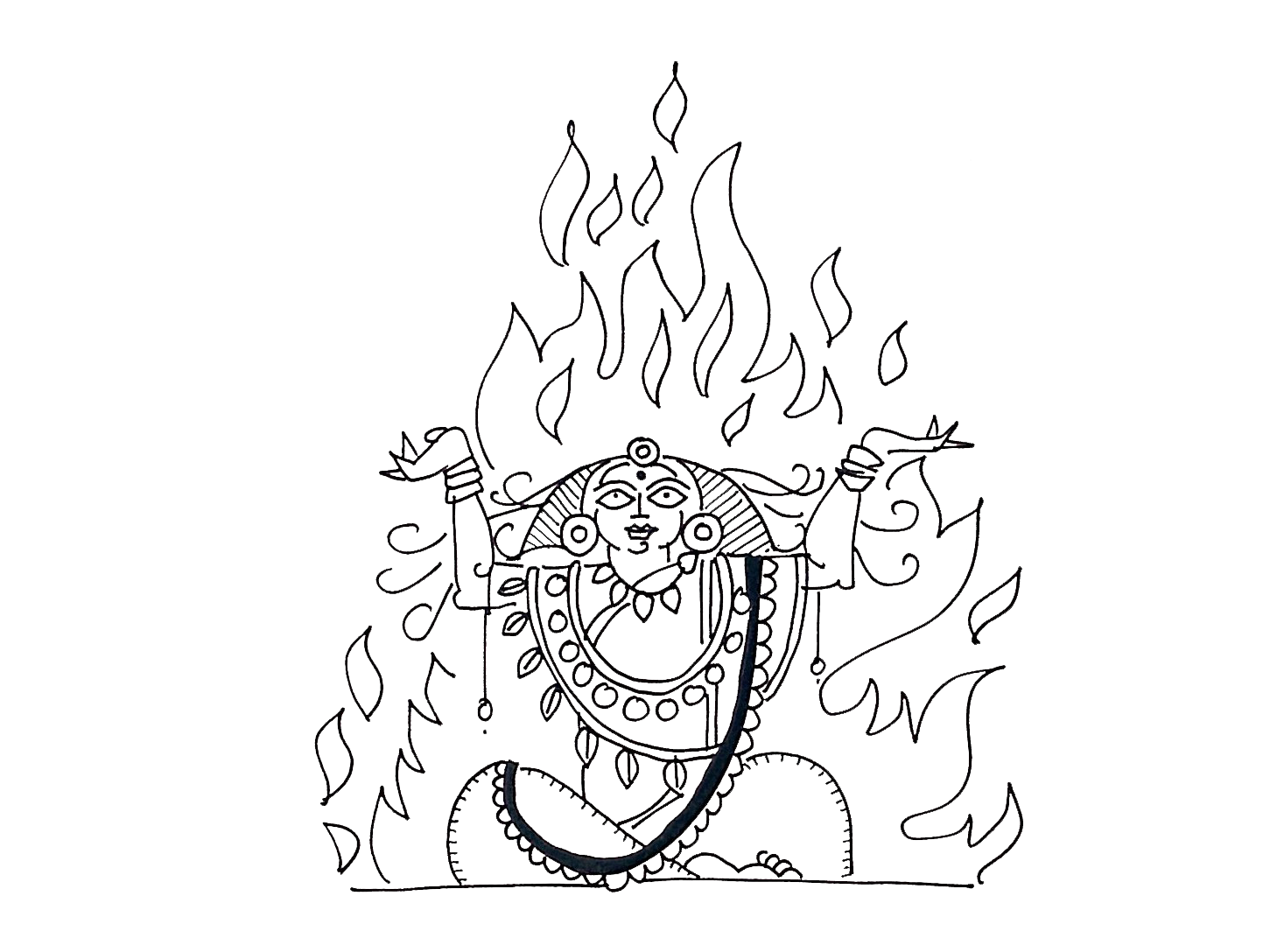
Flames of Fidelity
No one knows when the pan-Indian practice of warrior widows burning themselves with (sahagamana) or without (anugamana) the corpse of their husband came to be known as ‘sati’ — a word that means the chaste wife. The inhuman practice was strongly linked to the belief in fidelity-magic; that a woman who thinks of no one…