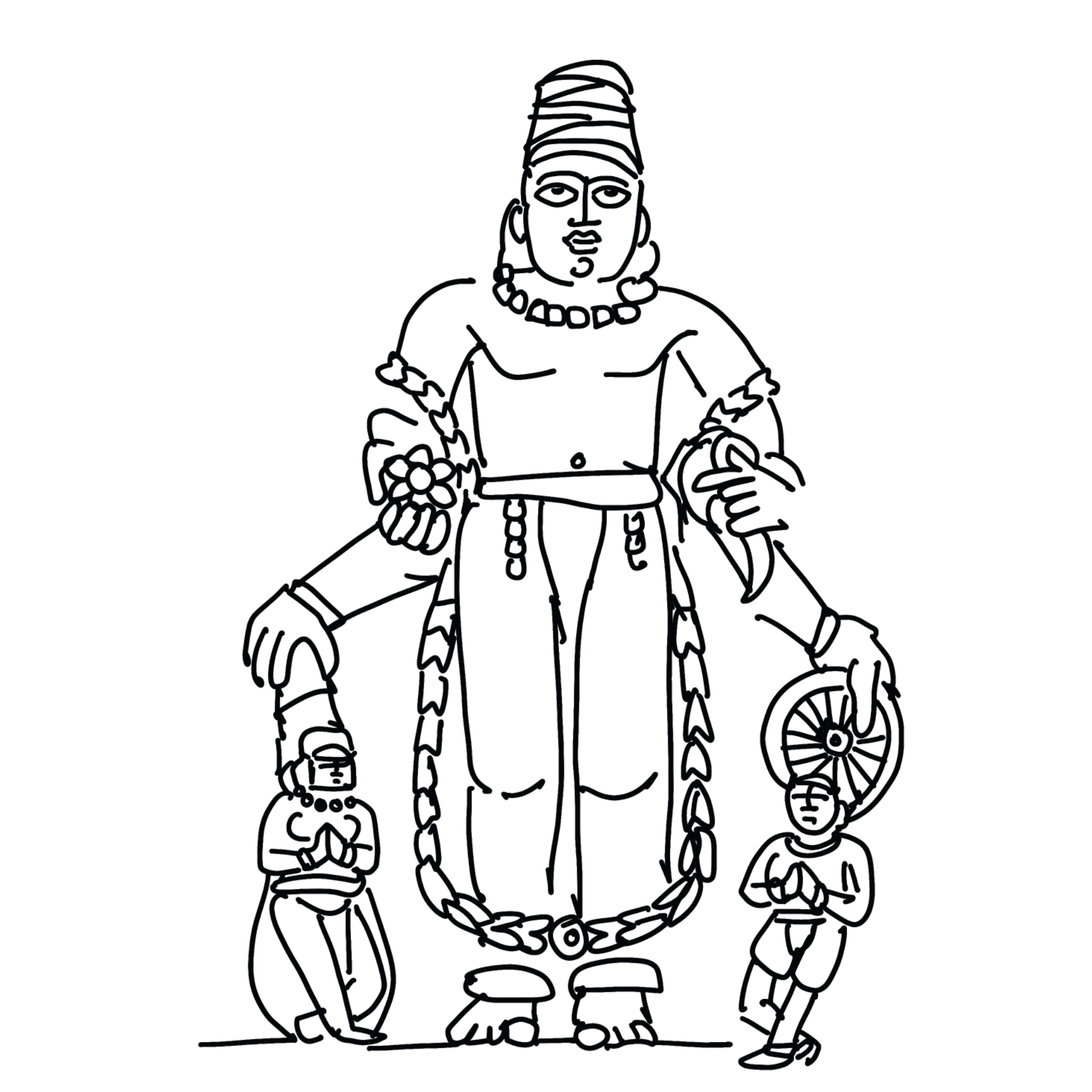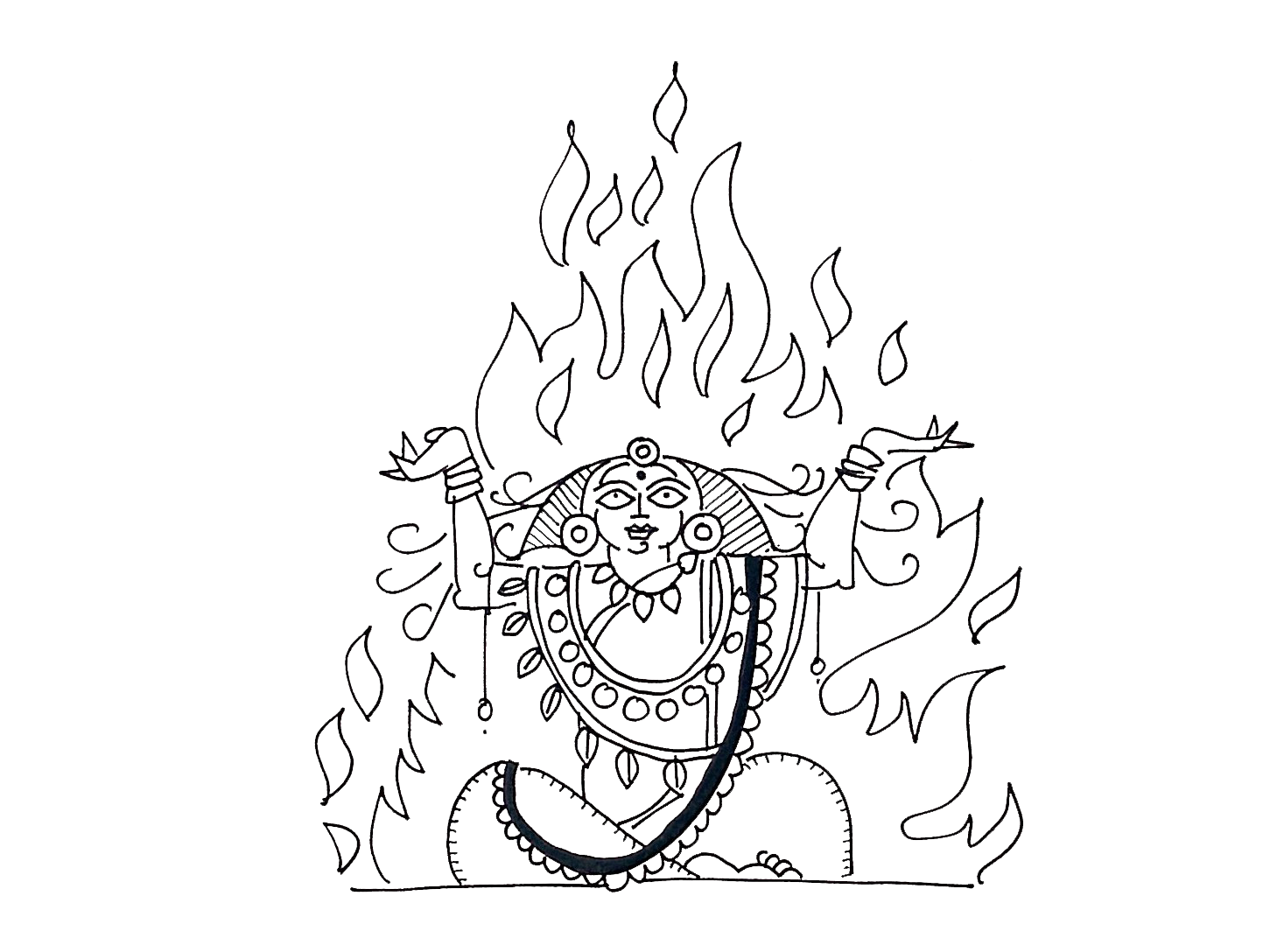
In Europe, Christian clergy burnt alive women suspected of being Satan-worshipping witches. In Arabia, the ‘People of the Ditch’ were martyrs who chose death by fire rather than giving up Islam. The theatre of death in matters of faith is very much part of human culture. The practice of Sati — burning of Hindu widows — needs to be seen in this context.
In 1829, the East India Company passed a law banning Sati. Christian missionaries had long highlighted this practice in European circles to argue that, despite its lofty philosophy, India was a barbaric land in need of civilisational rescue. Defying this ban, a decade later, the Sikh controlled lands saw the burning of four Rajput queens and seven slave girls on the funeral pyre of Raja Ranjit Singh. A Kangra miniature painting was commissioned to commemorate this event.
In 1861, Michael Madhusudan Dutta wrote his famous ballad Meghnad-Badh that valorised the sati-hood of Prameela, widow of Indrajit, daughter-in-law of Ravan, a story with roots in the 700-year-old Telugu Ranganatha Ramayana. Even Hindu social reformers, known for supporting the ban against Sati, praised this Bengali ballad as a literary masterpiece.
Chastity at what cost?
No one knows when the pan-Indian practice of warrior widows burning themselves with (sahagamana) or without (anugamana) the corpse of their husband came to be known as ‘sati’ — a word that means the chaste wife. The inhuman practice was strongly linked to the belief in fidelity-magic; that a woman who thinks of no one but her husband had supernatural powers. She could collect water in unbaked pots, as in the story of Sati Renuka; she could stop the sun from rising, as in the story of Sati Shilavati; she could turn the Hindu Trinity into her babies, as in the story of Anasuya. Sati Savitri even saved her husband from the jaws of death. So, it was assumed that a chaste wife would protect her warrior husband from death.
Vedic literature does not speak of this practice. In the Rig Veda, a widow is made to lie next to her husband’s corpse and then told to grasp the hand of another man and return to the land of the living. This may have inspired the practice of chadar-chadhana or ‘drape-offering’ by which widows in pastoral communities of North India were remarried to relatives of the husband. Similar practices are found in the Jewish Bible where Tamar is forced to marry her husband’s young brother. Feminists saw this kind of remarriage as patriarchy, as the widow had no agency here.
Brahmins and Rajputs frowned on remarriage as a ‘low’ caste custom seen among monkeys and demons of the Ramayana. A ‘high’ caste widow, who refused to burn herself on her husband’s pyre, was respected only if she shaved her head, stripped her body of ornamentation, ate food without salt or spices, and lived like a nun, abandoned in temples of Mathura and Vrindavan.
Mira, a Rajput princess of the 16th century, embarrassed her household, when she refused to become Sati and instead devoted herself to singing praises of Krishna in public. Hounded by relatives, she disappeared mysteriously in Dwarka.
The prestige of death
The earliest archaeological and epigraphic evidence of widow immolation comes from around 1,600 years ago, from Nepal and central India and western India — roughly from the period when Satavahana kings controlled the Godavari river basin. In a Tamil Sangam poem from this period, a widow says: ‘That funeral pyre of black twigs that frightens you is not fearful to me, who has her broad-shouldered husband. A lotus pond and an altar of flames are both the same to me’ (Purananuru, 246). In the Prakrit literature work, Gaha Sattasai (poem 407), also from this period, we are told how the flames were doused by the sweat of the widow, who lovingly clung to her husband’s corpse.
Around 1,300 years ago, we find the earliest Brahminical texts, the Parasara and Vishnu Dharma-shastra, endorsing this practice as a way of preserving chastity and making a path to paradise. But it was reserved for the warrior community. The prestige it granted made it popular, as indicated by the widespread proliferation of sati-stones from Rajasthan through central India and Deccan to Odisha. The first king to oppose it officially was Muhammad Tughlaq in the 14th century. But monuments were being erected to mark the spot of the sati sacrifice by Rajput and Maratha nobility even in the 17th and 18th centuries.
About 300 years ago this practice was widely adopted by Kulin Brahmins of Bengal. What made it alarming, however, was that along with polygamy, it was being rationalised by the elite priest community for childless child widows — in service of caste purity. This is what the British clergymen reported in Europe to defame India and bring about the ban.