The Aryans were the Indo-Europeans who travelled eastwards and discovered the Ephedra-containing Soma plants in the Pamir mountains, which they consumed in complex rituals while stationed in the Oxus River basin. From here, one group migrated towards India, and the other migrated towards Iran (a name derived from Aryan).
The group that migrated towards India married local women, and their children composed the Rigveda. In the Rigveda, the chief deity is Indra. Most of the hymns found in the Rigveda are in praise of this deity. Soma is offered to him, and in exchange, he grants fortune to those who adore him.
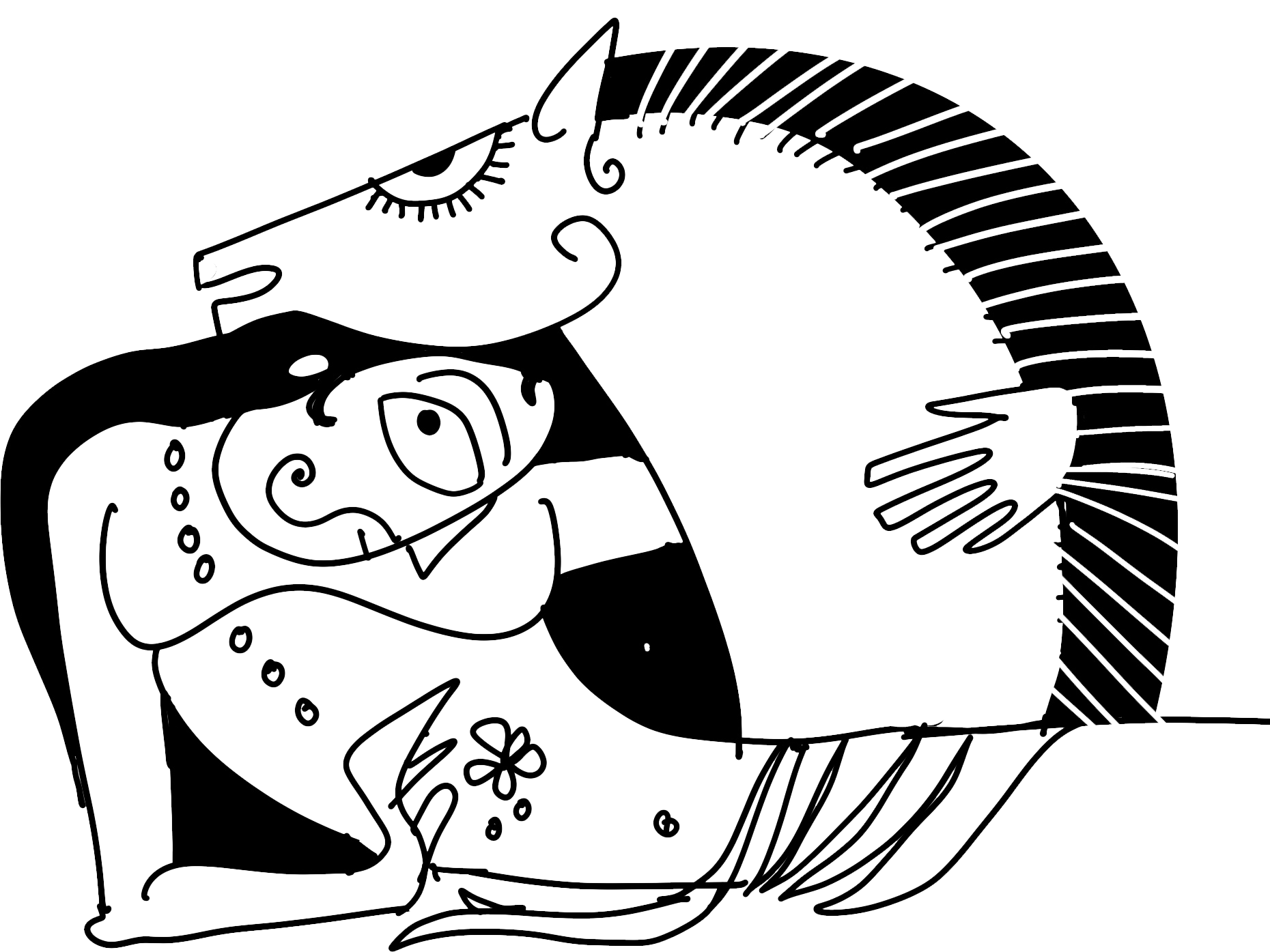
In the invocation “formula” to Indra in Yajurveda, the “Subrahmanyā” (“the best formula”), and in Rigveda 1.51.13, he is called the wife (mena) of a seed bearing virile bull-stallion (vrishan-ashva). This phrase is rather tantalising but lacks clarity. What it obviously suggests is a kind of sexual domination or submission of Indra towards a hyper-masculine creature. This complements his ability, also described in Subrahmanya, to draw a chaste wife, Ahalya, away from her husband, Gautama. He who attracts women with his virility is also attracted to someone even more virile than him. He is also the ram (male sheep) sacrificed by Medhatithi in order to restore the virility of the woman-like man Asanga much to the delight of his unhappy wife Saswati.
In a story from Brahmanas, when the world was split into three, men went on top with the sky, women stayed below with earth, in between was the third sex, neither this nor that. Indra once becomes third being “men to men and women to women” until a castrated ram is sacrificed and he is liberated from the spell. These need not be read literally. But their use as metaphors indicates the Aryans were familiar with same-sex activity.
This is not far-fetched as they were cattle herders. They had goats, sheep, cows, and buffaloes. All these animals are known to display same-sex behaviour under certain circumstances. Among females, same-sex behaviour enables a hierarchy to be established. The same happens amongst males, especially if they are kept away from reproductive females in confinement. No sexual behaviour is observed in castrated bulls (ie, oxen).
So perhaps the story of Indra’s sexual activities with both women (obviously) and men (surprisingly) indicates knowledge of some form of same-sex behaviour to establish social hierarchy—the kind seen in animal hierarchies.
Another argument is that animals with same-sex tendencies who form permanent same-sex bonds, work for their community more than their own gene pool. Nearly 5-10 per cent of animal species display same-sex behaviour. So nature clearly enables it. Value is being placed on non-productive sexual activity. While heterosexual parents favour nepotism, homosexual animals would be less prejudiced. This gives same-sex behaviour an evolutionary purpose.
Indra, is both male and woman-like, thinks for men and women, not just about his own family, children or kin, but the entire community, including other clans. This, perhaps, is what makes him worthy of being a leader. This is speculation, of course, but something that deserves consideration.