
Mythologist | Author | Speaker | Illustrator

-
Articles

Comparing Poems from Tantra and Bhakti
A tiny fragment of the Indian population was literate in medieval times. But a large portion knew poetry, composed poetry and transmitted poetry. These poems are thus major cultural outputs. …
-
Articles
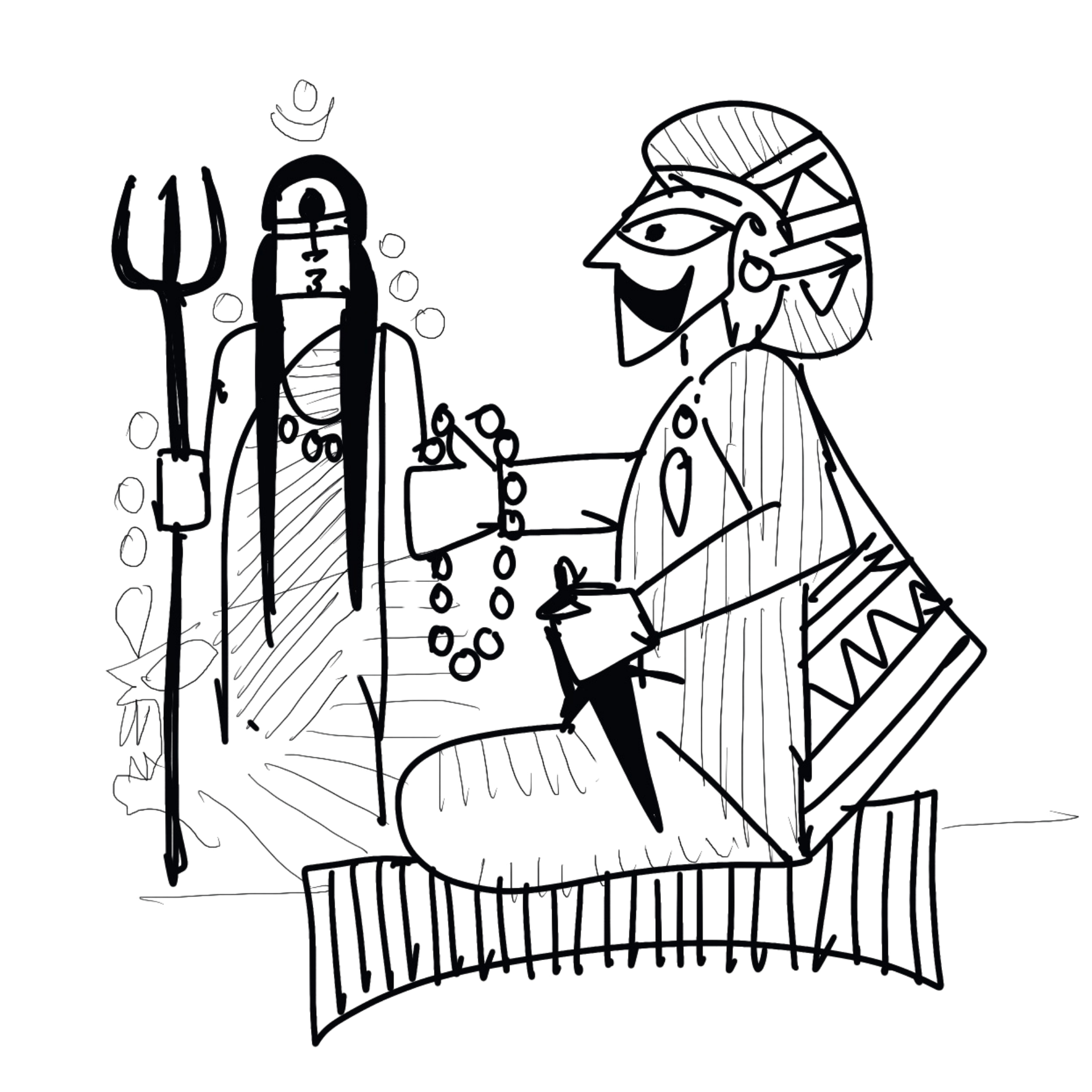
Blood Pacts of Kutch
Priestly role was often performed by Charans. They were bards, negotiators, ritual specialists, poets, warriors, royal companisons and much more. They preserved memory in the old Dingal language. …
-
Articles

All About Marriage, Meaning, and the Shiva–Shakti Union
The marriage of Shiva and Shakti is not about property, lineage, or inheritance. It is not about power, spectacle, or display. It is about two individuals giving meaning to each other. …
-
Articles

Temple Gopurams As Royal Defiance
Most of the tall gopurams we see in South India today were built by Nayaka kings of Telugu origin. Most are three to four centuries old, built during and after the Vijayangar period. Nayaka rulers reimagined Ram and Krishna as political and theological answers to the Islamic and Indo-Persian imperial culture that shaped North and…
-
Articles

Can a French man be a ‘civilisational Hindu’?
In New India, an Italian woman with an Indian passport remains a ‘foreigner’, but a French man with an Indian passport becomes a ‘civilisational Hindu’, and is even asked to influence young impressionable minds by creating ‘decolonised’ school textbooks…
-
Books
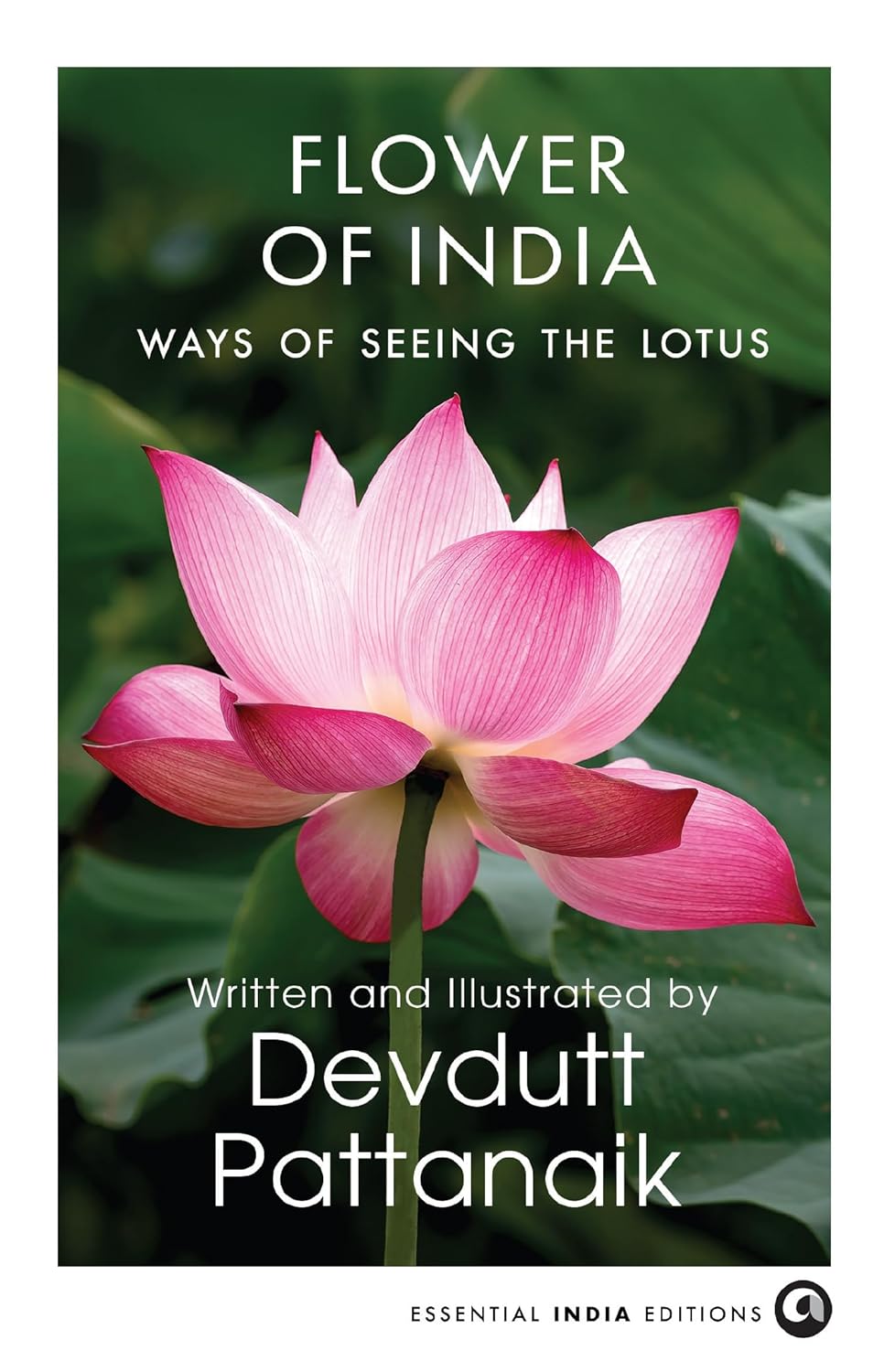
Flower of India: Ways of Seeing the Lotus
In Flower of India, bestselling author and renowned mythologist Devdutt Pattanaik examines the lotus as …
-
Articles
Can a French man be a ‘civilisational Hindu’?
In New India, an Italian woman with an Indian passport remains a ‘foreigner’, but a French man with an Indian passport becomes a ‘civilisational Hindu’, and is even asked to influence young impressionable minds by creating ‘decolonised’ school textbooks…
-
Articles
How the British shaped India’s education system
Education in India underwent a major transformation in the nineteenth century during British rule, particularly after the intervention of Thomas Babington Macaulay in 1835…
-
Articles

How Ganesh Became The God Of All Things
To understand why Ganesha is worshipped as the remover of obstacles and invoked before every Hindu ceremony, we must understand—and appreciate—the role elephants have played in Indian history and imagination. …
-
Articles
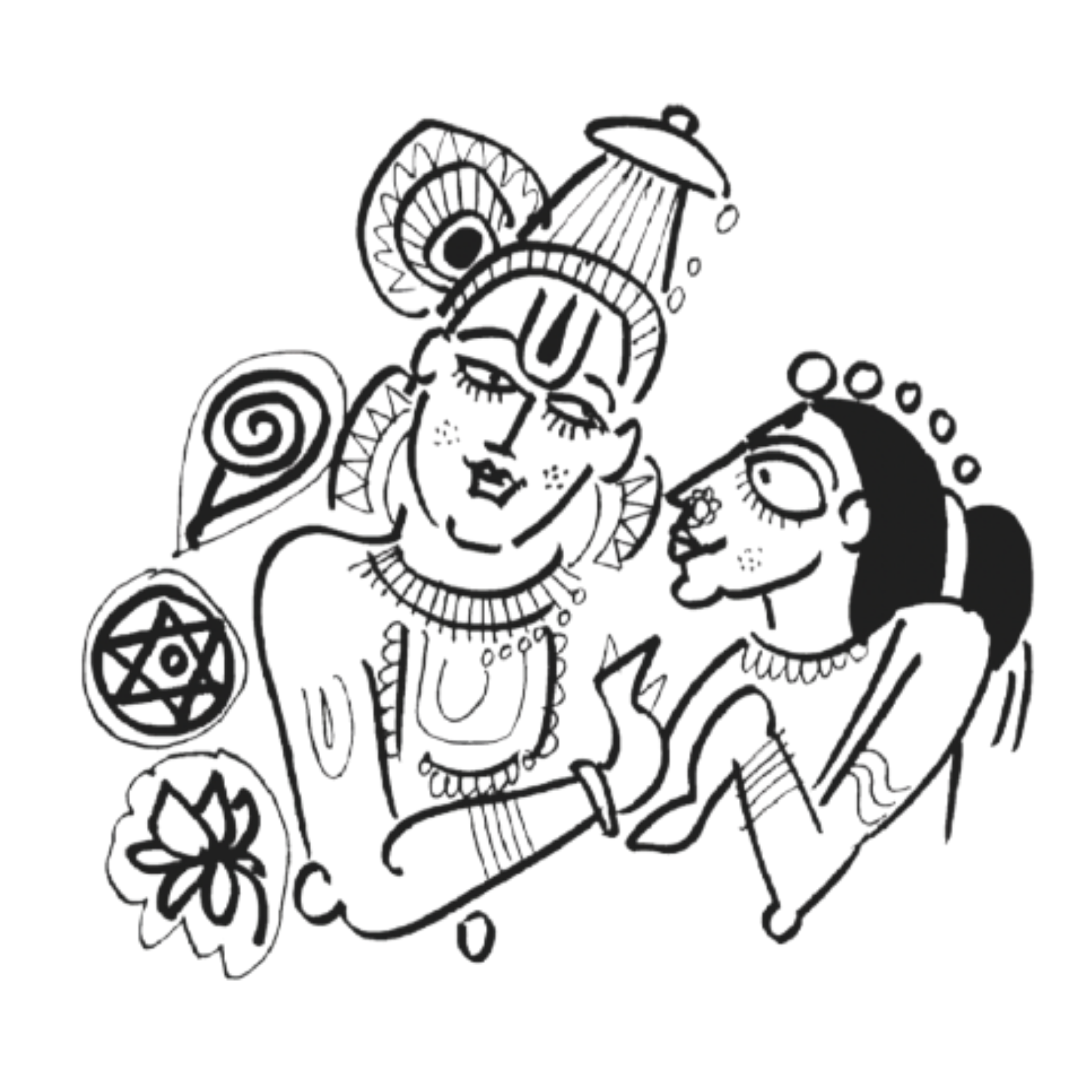
Vishnu’s Art of Attracting Fortune
In Indian mythology, Vishnu is described as the beloved of Lakshmi. His names are Sri-vallabha, beloved of fortune, and Sri-nivasa, abode of fortune. In art, the goddess is shown residing in his heart, or seated by his side. When he reclines, she is at his feet. This pairing is a metaphor. …
-
Articles

Are vegetarians kinder people?
Vegetarianism has become associated with Jains, Brahmins, Baniyas, Lingayats and with the idea of purity, even though Kashmiri, Maithili, Bengali and Odia Brahmins are meat-eaters. Meat eating became associated with communities considered “untouchable” and “impure”: Tribals, Dalits, Chandalas, Ati Shudras. Over time, diet has become a caste marker. …
-
Articles
How Mangal Kavyas reinvented Hinduism in Bengal
Stories shape culture. The Mangal Kavyas is one such example. They are folk narratives that emerged in Bengal between the fifteenth and eighteenth centuries. …
-
Books
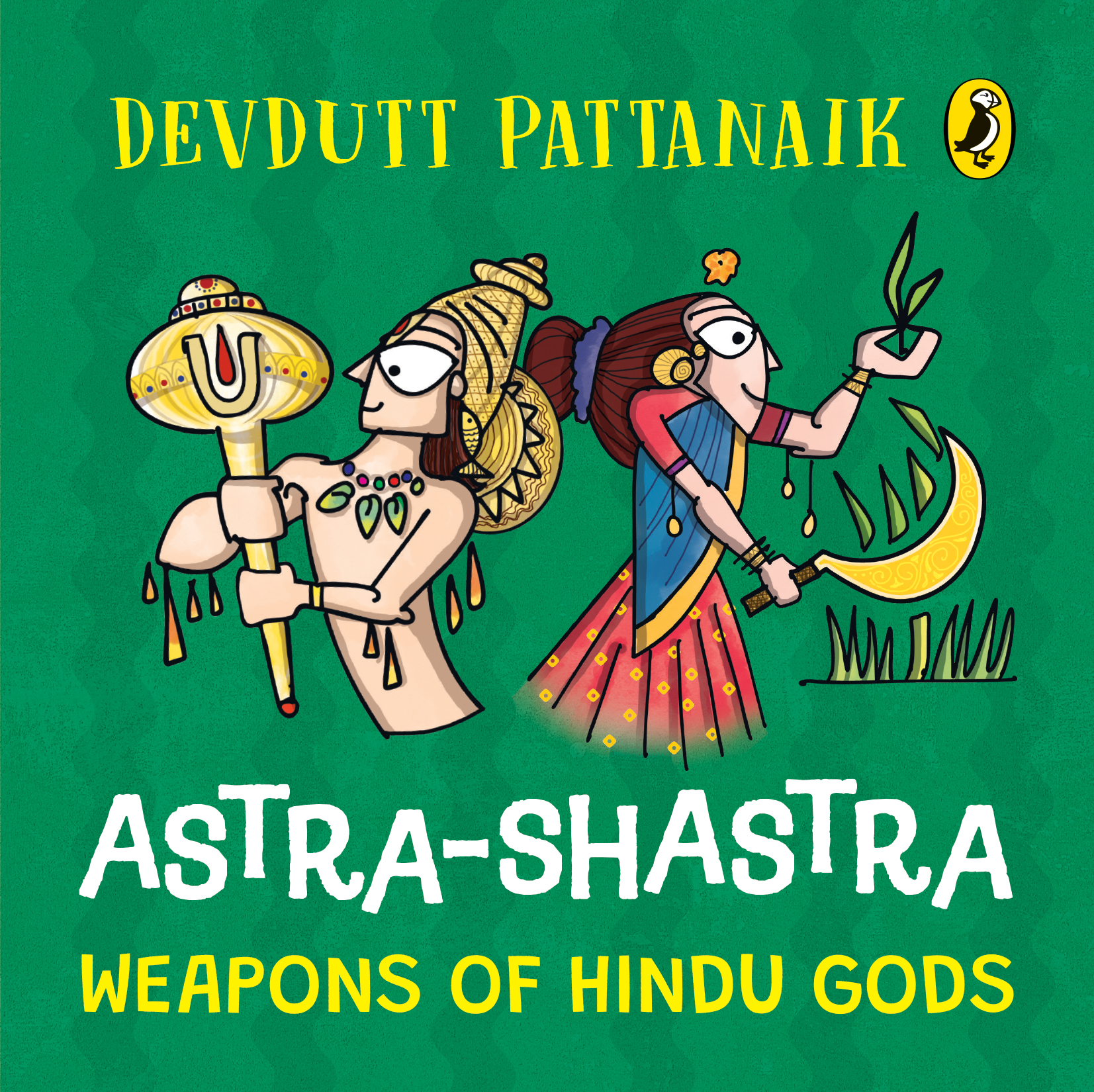
Astra Shastra: Weapons of the Hindu Gods
Well-known mythologist Devdutt Pattanaik introduces young readers to the wonderful weapons of Hindu gods with his unique art and easy-to-read text…
-
Articles
How Diwali Changes Shape Across India
Diwali is celebrated across India, but contrary to popular assumption, it is not a single, uniform festival. It takes very different forms depending on where you go. …
-
Articles

The Seven Steps To Partnership Over Promises
The idea of taking vows during weddings is not part of Hindu traditions. This idea comes to us from West Asia and the Middle East…
-
Articles

What was Rig Vedic society like?
Rig Vedic society reflects a long and uneven transition from a predominantly pastoral mode of life to a more settled agrarian order, accompanied by the gradual emergence of social hierarchies…