Published in Corporate Dossier, ET on Oct 28, 2011.
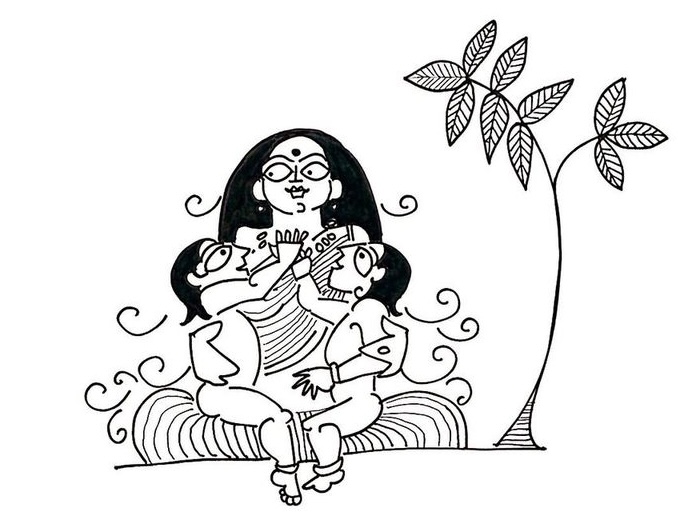
One day, Brahma, father of all living creatures, found a grain of rice at his feet. “Who is responsible for you?” he asked. The farmer claimed responsibility, as he had sown the seed and harvested the grain. The seed claimed responsibility, as without seed no grain can be created. The soil claimed responsibility, as without soil a seed cannot germinate. The sun claimed responsibility, as without sunlight plants cannot grow. Finally the rain claimed responsibility as unless there is timely rain, and adequate rain, nothing can grow. “Everyone is essential for the creation of the grain,” said Brahma, “But only one is critical: the farmer. For it is the farmer, who makes a plant a valued crop. Without him, rice would have been just another weed in the wild forest.”
So it is with business. Who claims responsibility for success? At the time of investment, no one really knows if the business will be successful. Success is always realized in hindsight. Who takes the credit for the business: the entrepreneur, his employees, the banker, the market conditions? It is very difficult to pinpoint a single factor to success. But ultimately, everything depends on the entrepreneur, who took the initiative to transform an idea into reality. Had he not had the desire, had he not overcome his doubt, the enterprise would never take shape.
In the Rig Veda, the poet wonders what existed before everything else. And after much pondering he concludes, the first to exist, even before breath, is desire — Kama. Without kama, there would no movement from formlessness (asat) to form (sat), from darkness (tamas) to light (jyoti), from hopelessness (mrityu) to hope (amrita). The entrepreneur is the seat of Kama, without whom culture would not exist.
Parakh once asked his father to what did the family owe its fortune. His father said, “To the consumers who buy the metal we produce, to the workers who work in our mines, to the government who regulates us fairly, to the market that has been favorable, to the earth which provides us the minerals that we mine, but most importantly to my grandfather who invested all his wealth in the mining business. They were traders then, but he wanted to be involved in a primary industry, something close to earth, that would support all other industries. His family did not support him. So he raised capital on his own. That desire, and ability to cope with risk, of your great grandfather is the critical factor without which we would not be where we are.”