Published in Corporate Dossier ET on July 30, 2010.
Around 1500 BCE (Before Common Era, formerly known as BC or Before Christ), about the time the Rig Veda was reaching its final form in India, a tale was being told in Mesopotamia, the fertile plains watered by the Tigris and Euphrates, now modern Iraq. It was the tale known as Enuma Elis, or the Creation Myth of Babylon. It is believed that this story had a powerful impact on Greek myths as well as the Jewish Bible or Tanakh, eventually influencing what is now commonly known as Western thought.
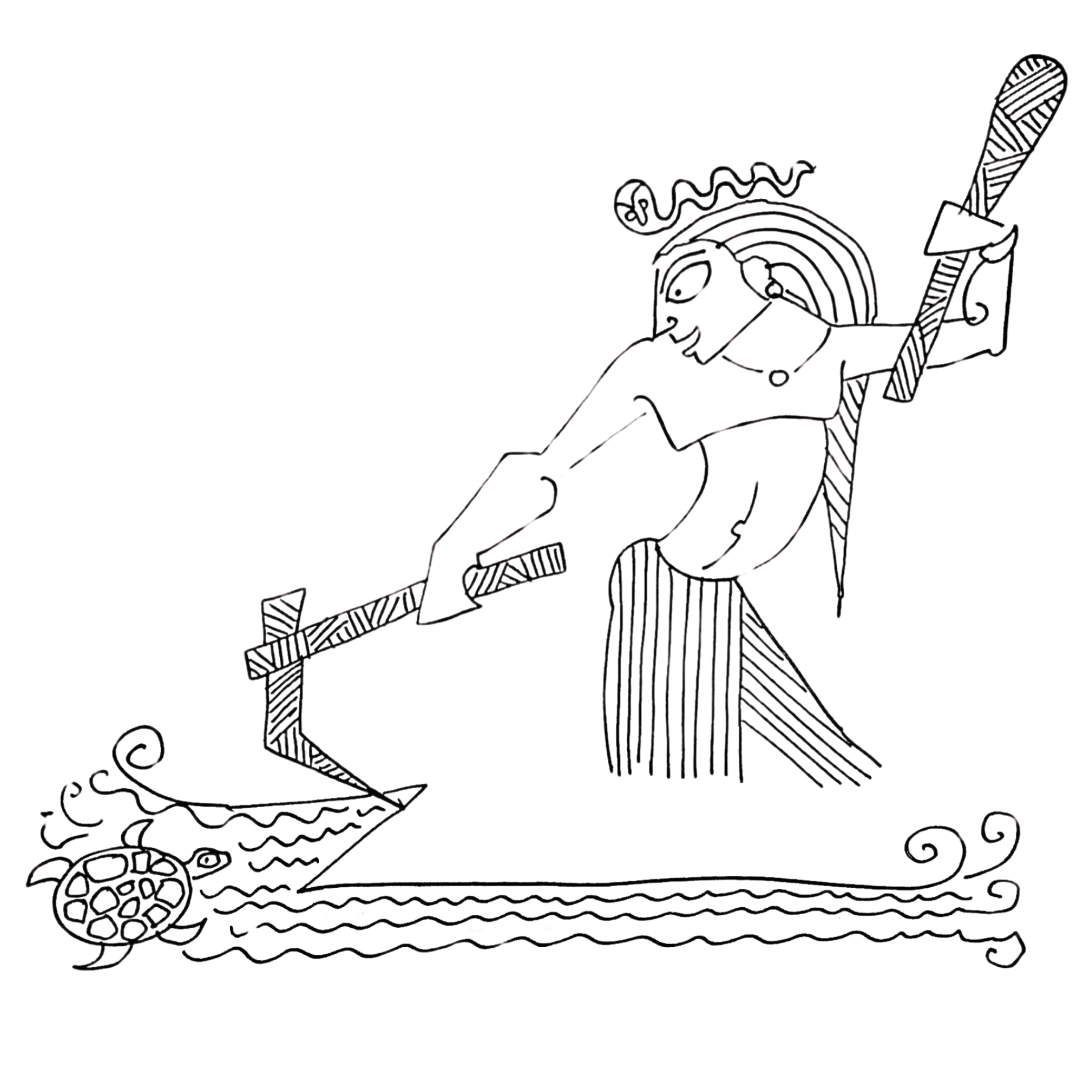
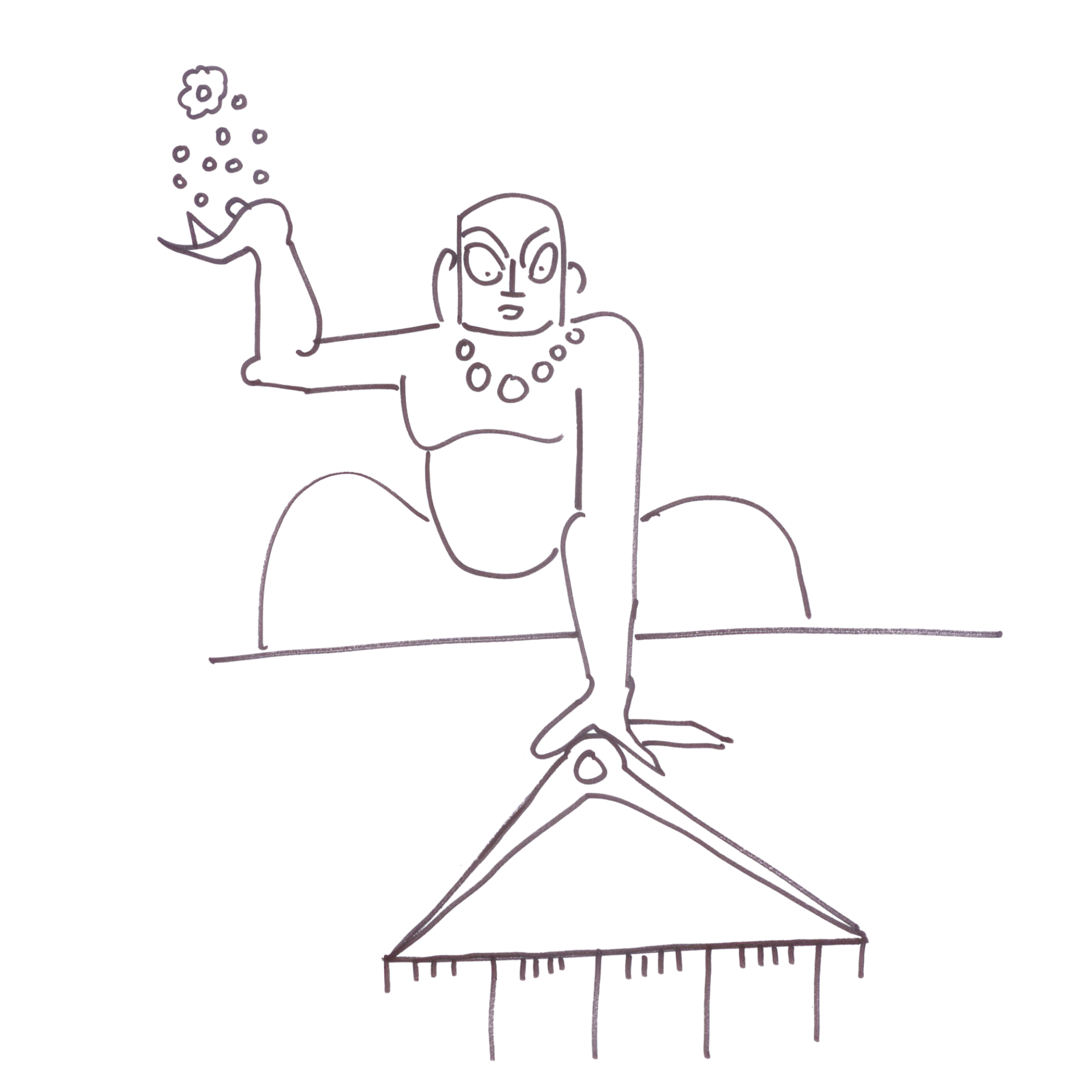
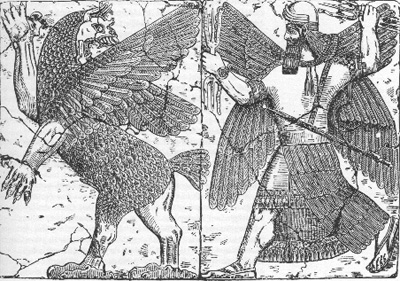
The story speaks of how the world, as we know it, came into being. It involved a great war in which Marduk led the ‘new gods’ to defeat the ‘old gods’ who were led by Tiamat. Tiamat is described as a monster. She was also the great mother of all gods; in her body resided all her children.
All was well until the children made so much noise that the old gods demanded the destruction of the new gods. The first time this happened, Tiamat warned her children. The second time this happened, Tiamat, ordered her consort to destroy the new gods. The new gods rallied around Marduk who, after a furious fight, defeated Tiamat and her consort and all the old gods who sided with them.
From the body of Tiamat, Marduk created the earth below and the sky above. Tiamat’s tears became the rivers Tigris and Euphrates. The blood of her consort was mixed with the red earth and from this was created humankind. As the spawn of the old gods, humanity was forced to serve the new gods forever. Failure to serve the new gods led to floods and storms.
In this narrative, the old gods are associated with complacency and chaos. The new gods are associated with action and order. This story informs human behaviour when a new management takes over from the old management, usually after a violent struggle, either a boardroom brawl or a takeover. Either it can be the new generation taking over from the old generation, or it can be a new management brought in by the new majority shareholders. Though the stated objective is to maintain harmony and respect the old ways, the reality is a ruthless change, with the new guard holding the old guard in disdain. Marduk comes with his resplendent army, Tiamat’s old body provides shelter to the new world order, and the children born of her consort’s blood are forced to submit.
All this is objectively explained using excel sheets and power point presentations. A new vision is drawn up, and a new organization structure is galvanized to achieve the new objectives and goals. And since the old ways did not deliver, the old reporting structures, old processes and old measurements are discarded in favour of new ones. However, rational these actions may be, they fuel fear and insecurity. Egos are hurt. People leave the organization and those who stay behind mourn the passing of the golden age. The new gods mock the old ways, reminding all of the terrible state of affairs, the pathetic growth rate and the lacklustre balance sheets. Those who start working with the old gods are branded as traitors. And the new gods face many dilemmas — do they reward loyalty or talent, place talented members of the old management over the not-so-talented members of their team?
Dileep is part of a consulting firm. He has overseen many mergers and acquisitions. Post an M&A, he always feels that he has entered a war zone. There are the conquerors and the conquered. There is arrogance on one side and fear on the other. What is most bewildering is how these emotions are ignored.
Dileep remembers this post-merger workshop he was asked to conduct to identify a suitable sales reporting system for the new entity. The workshop was conducted using all tools of modern management — forms had to be filled, SWOT analysis had to be done, scores had to be given, so that the final outcome would be objective, stripped of bias, hence acceptable to all. But the workshop was anything but objective. Yes, members of both organizations were forced to sit together but during coffee breaks the two tribes stayed away from each other. Dileep overheard people saying, “Be smart. Just celebrate the reporting system that the new CEO likes. And you know which one that is.” Beneath the veneer of objectivity, emotions were determining the choice of the sales reporting system. Marduk’s system won. Tiamat’s system was broken down.