Mythologist | Author | Speaker | Illustrator

-
Articles
Identities In Conflict
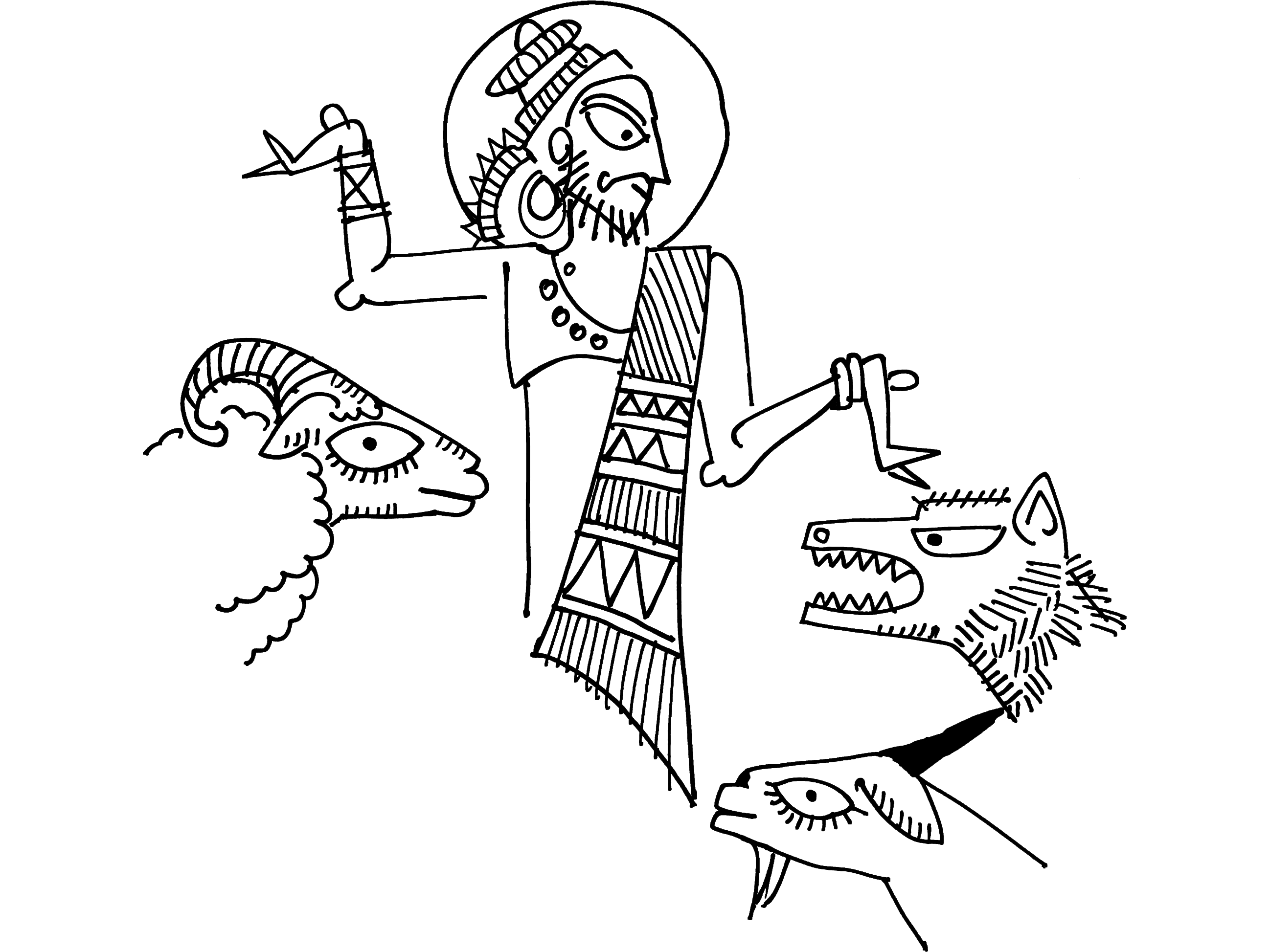
Who you are depends on who you oppose. To have an identity, you have to take sides. Sitting on the fence is not allowed. Left or Right…
-
Articles
Men with Shaved Heads
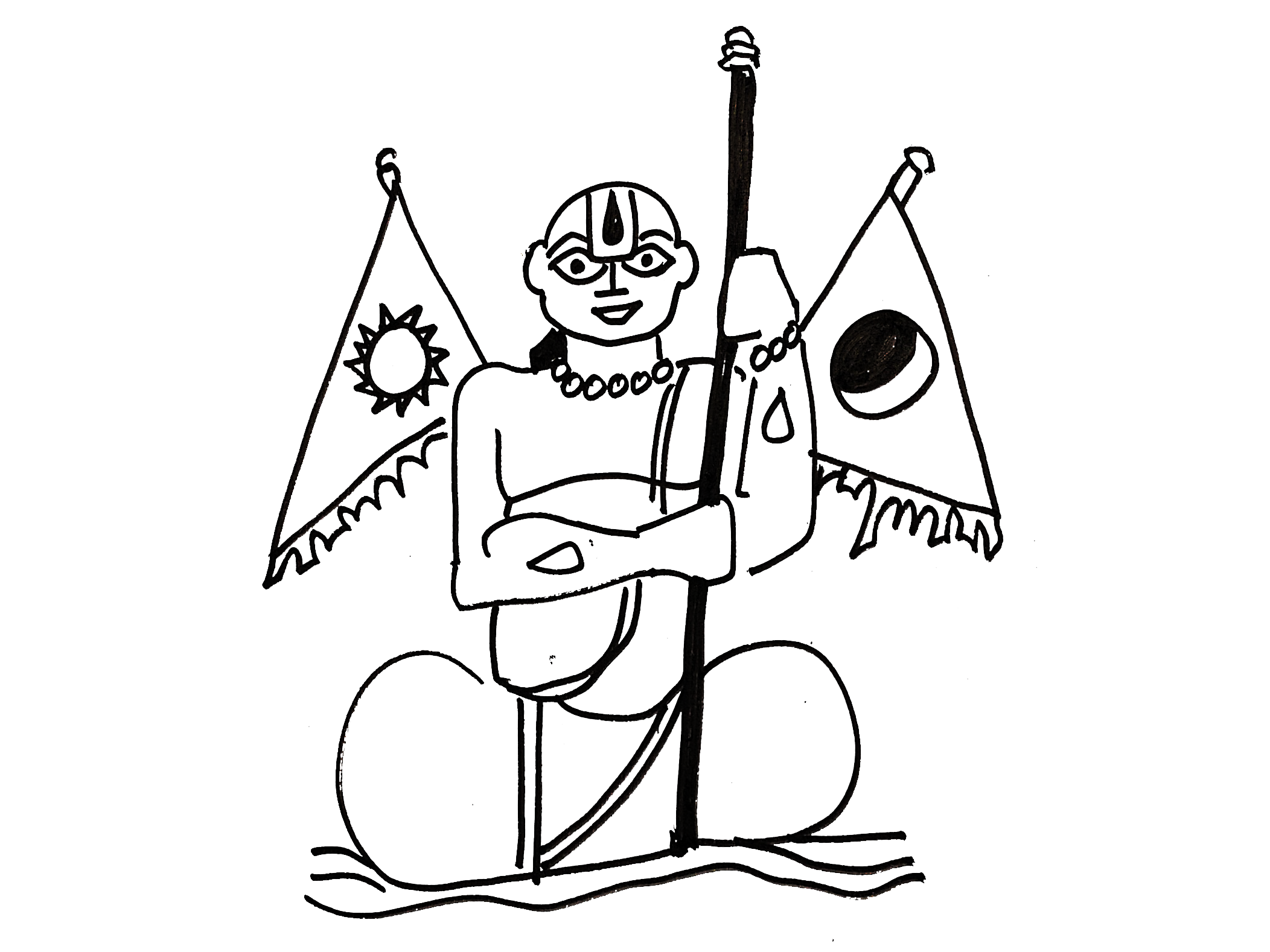
According to legend, when Shankaracharya went to meet Brahmin scholar Mandan Mishra, around 700 AD, Mishra refused to look at him because his head was shaved. This is why the Shankaracharyas cover their heads with cloth even today, as shaven heads are still seen as symbols of bad luck and inauspiciousness…
-
Articles

Not Ready to ‘Tremble and Obey’
China was always centralised with the Dragon throne in Forbidden City seeking tributes from the rest of the world. India, by contrast, is based on the Mandala model, first described by Chanakya, a set of intersecting spheres of power that are endlessly pulsating, contracting and expanding over time. No centralisation…
-
Articles
Whose Shrine Is It, Anyway?
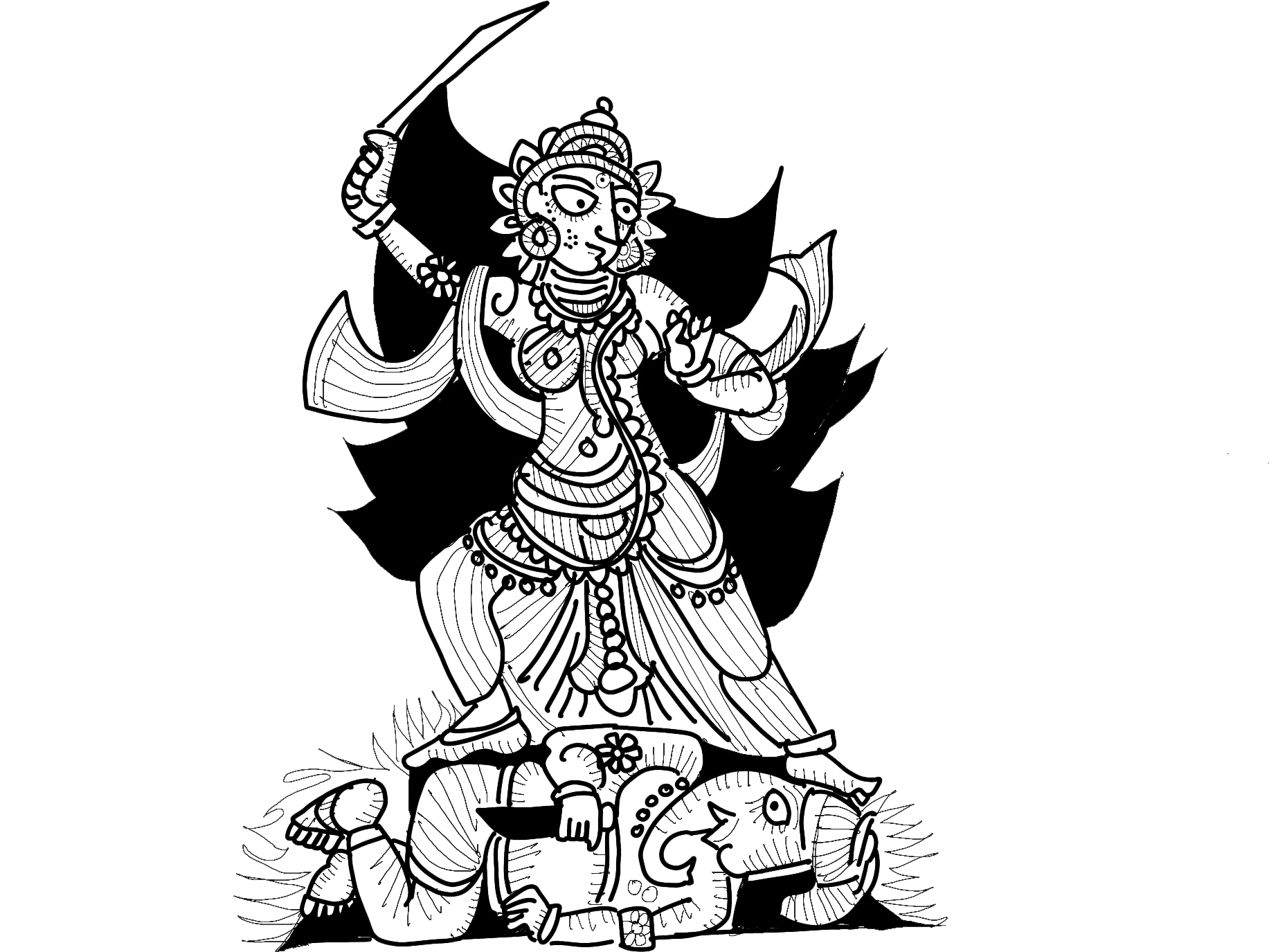
Across India today, there is a movement to identify Hindu shrines that were broken by Muslims and replaced by mosques and dargahs. This is being done in the name of social justice—historical wrongs are being made right. However, the same enthusiasm is not seen when it comes to the Buddhist and Jain demands for the…
-
Articles

How Mythology Impacts Notions of Social Justice
It is important to understand how mythology impacts our notions of social justice. Modern social justice has its roots in monotheism, not in atheism…
-
Articles
Kubera, the Refugee From Lanka
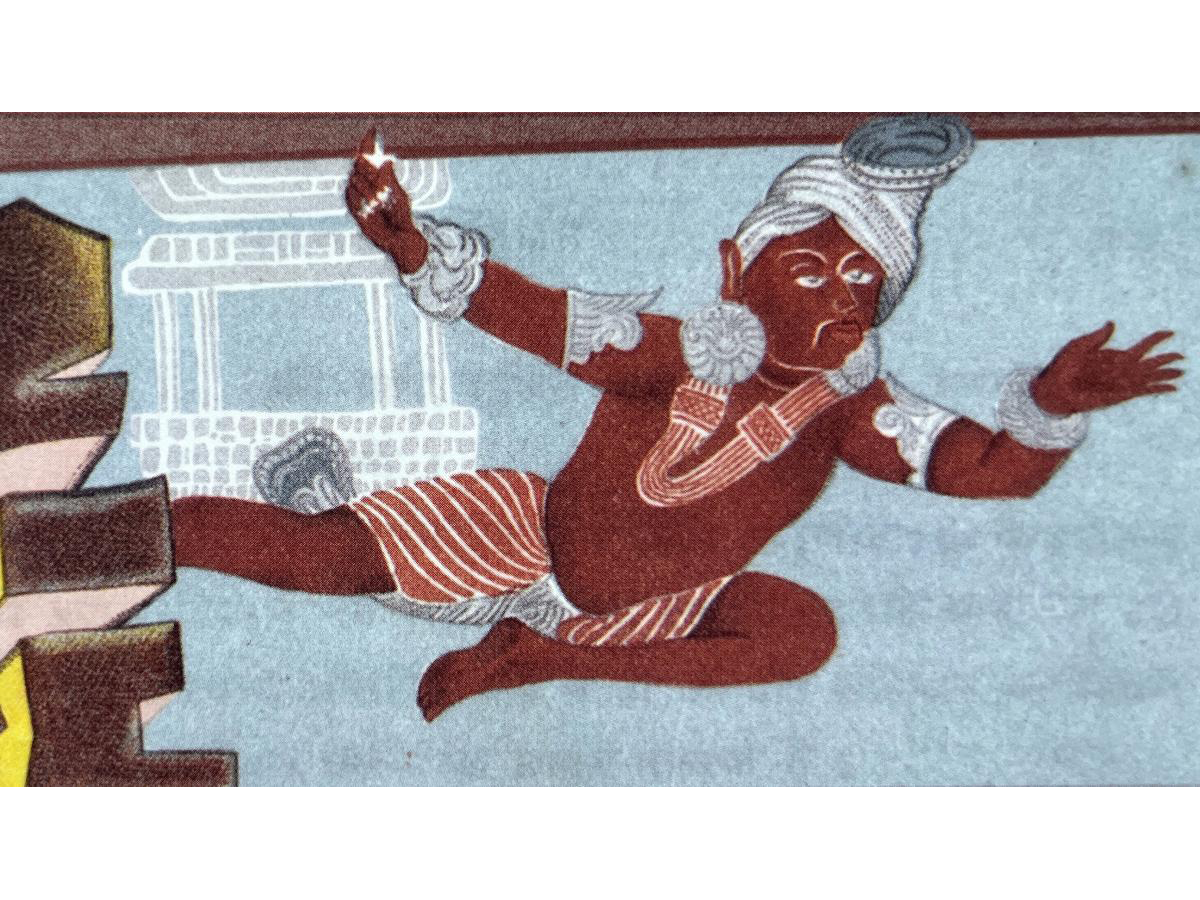
When the Constitution of India was first published, over 75 years ago, it included many artworks. Amongst them was one showing Kubera, Ravana’s brother and the king of wealth and yakshas (nature spirits), fleeing from Lanka. It is often mistaken for Hanuman burning Lanka, but there are no flames of a burning city or a…
-
Articles

ASAP In Eternal Time
ASAP is a popular acronym for ‘as soon as possible’. But more often than not it is used to mean ‘immediately’ in corporate circles. In political, bureaucratic and judicial circles, it depends on the relationship of the beneficiary and the benefactor…
-
Articles

The Many Horse Invaders of India
India has been invaded several times, for over 3,000 years, by horse-breeding tribes from the steppes, grasslands north of the Himalayas, the last of whom were the Mughals, and the Mughals came only 500 years ago…
-
Articles
12 Children In 12 Castes
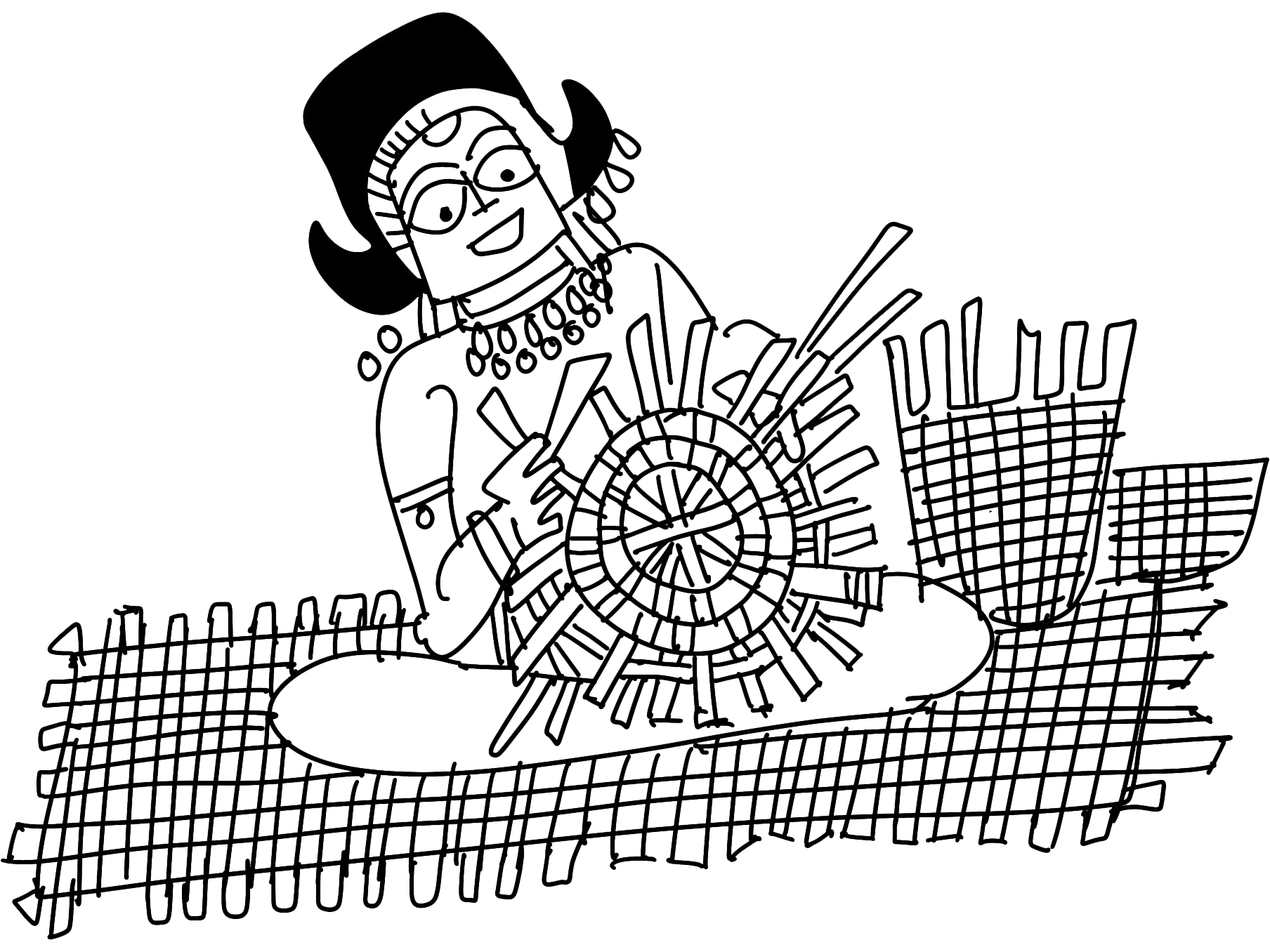
Caste (jati) is a reality in India. People in India for at least 1500 years could not change vocation or marry outside caste. This led to social stagnation…
-
Articles
Flames of Fidelity
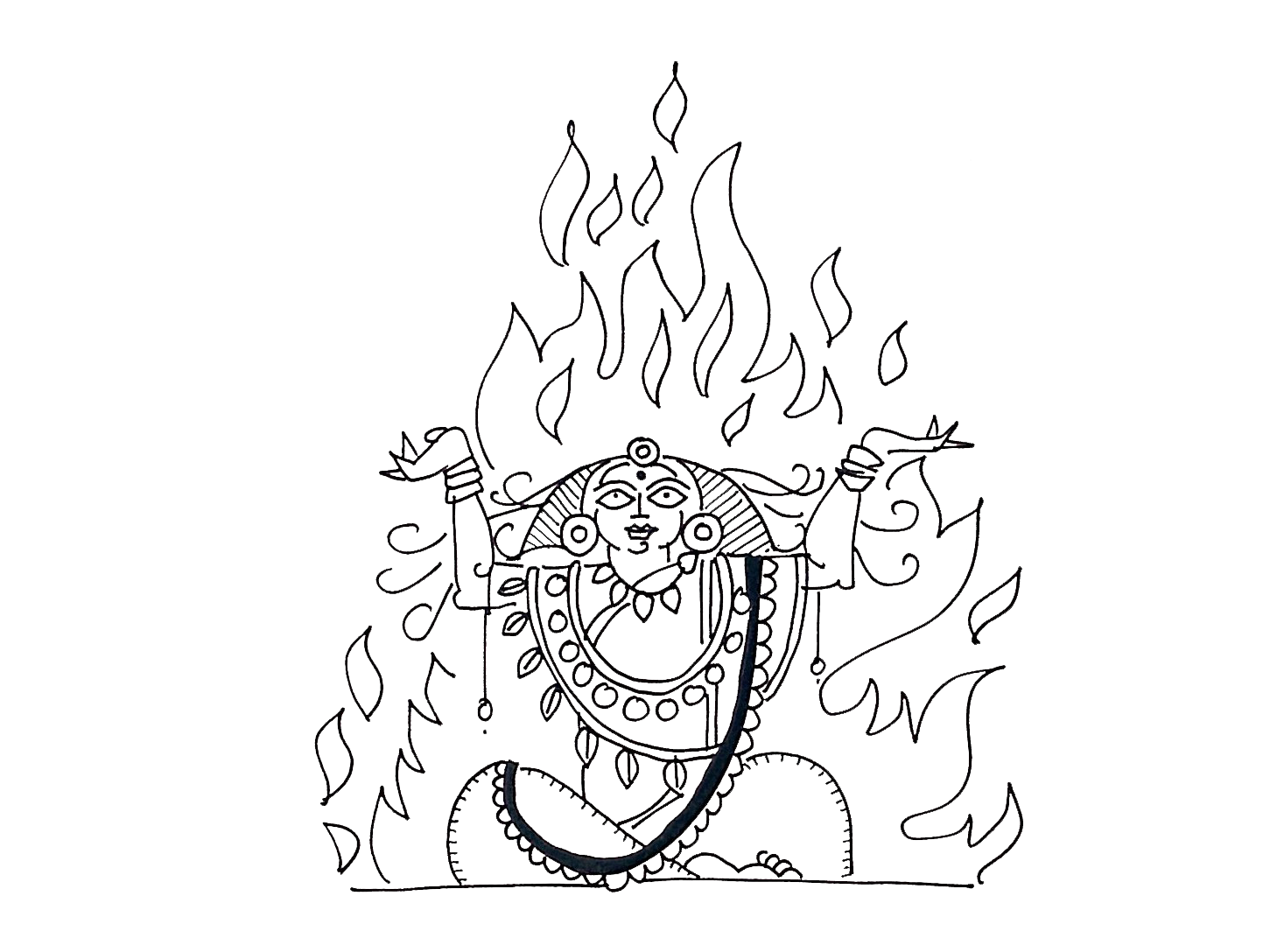
No one knows when the pan-Indian practice of warrior widows burning themselves with (sahagamana) or without (anugamana) the corpse of their husband came to be known as ‘sati’ — a word that means the chaste wife. The inhuman practice was strongly linked to the belief in fidelity-magic; that a woman who thinks of no one…
-
Articles
Now an Angry Parashuram?
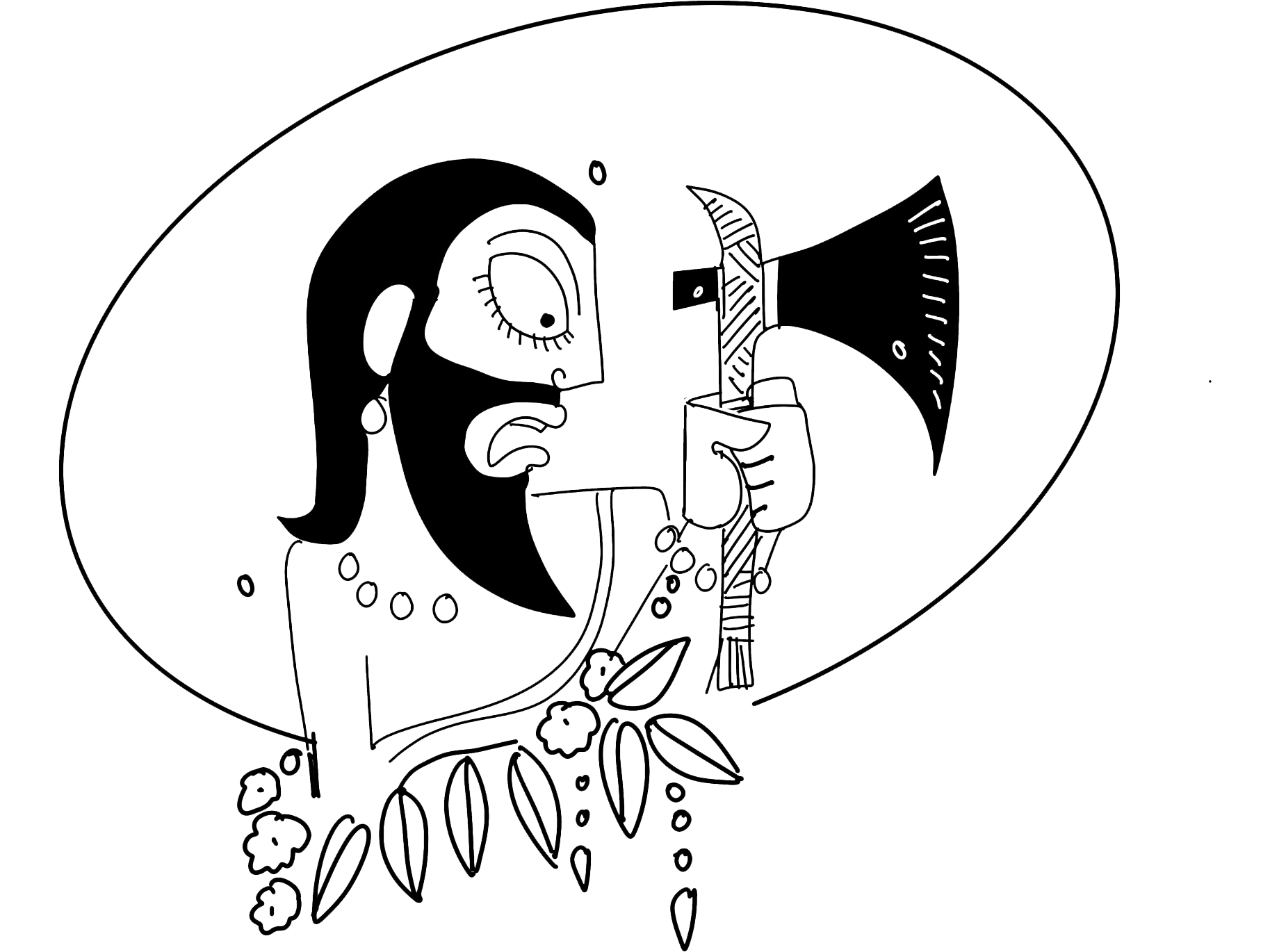
A film poster on Parashuram appeared on social media. And he looked terribly angry. Why? The answer in all probability will be revenge…
-
Articles

The Stench Of Flesh
By eating vegetarian food, one supposedly becomes a kinder person or gains positive karma, which leads to moksha. And yet, in the Mahabharata, there is the Vyadha Gita, or the Butcher’s Gita, where a butcher teaches dharma to a mendicant and says that taking care of parents and family and strangers is greater than renouncing…
-
Articles
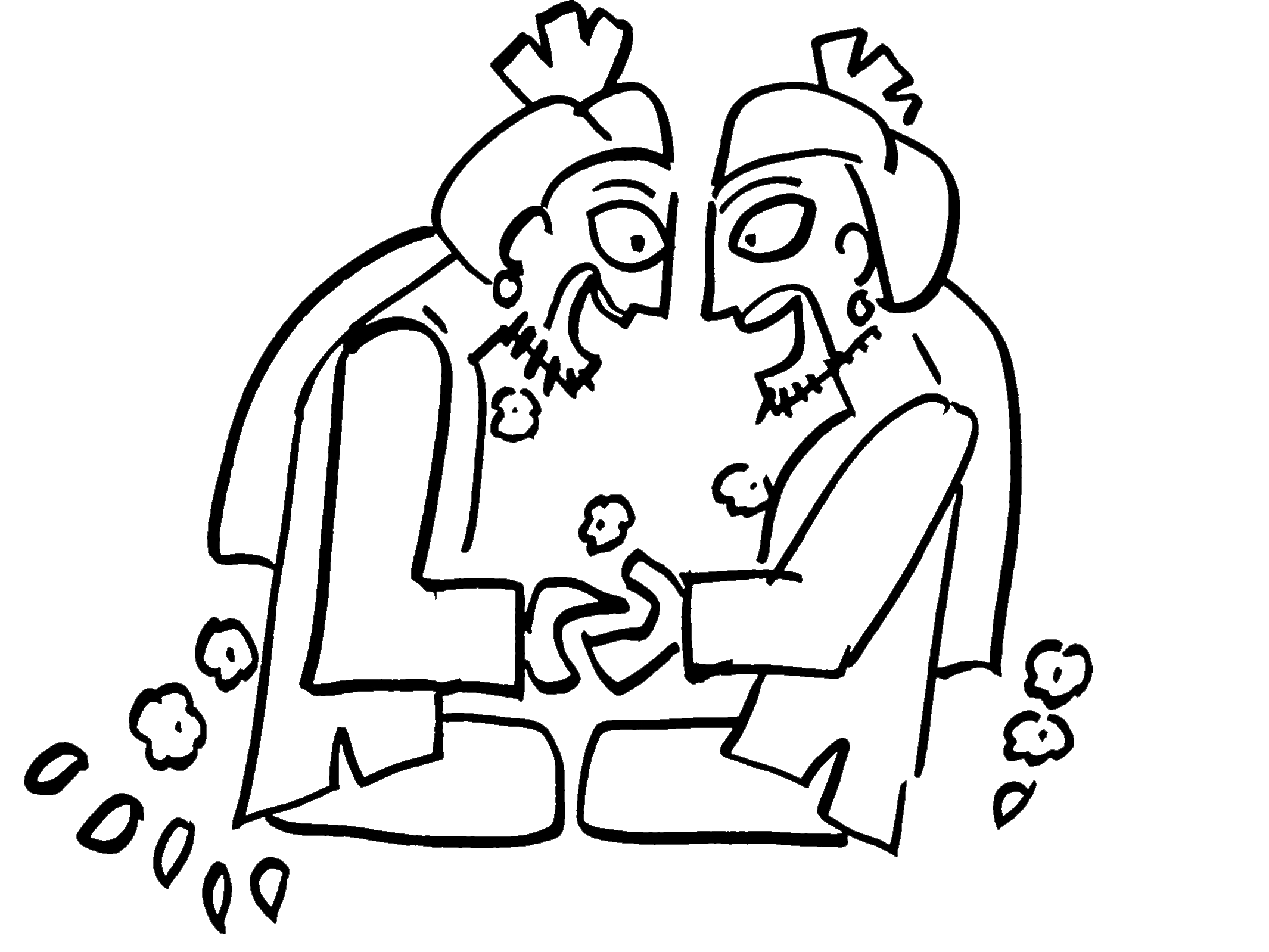
The Happiness of Gay Lovers
Not everyone in India or Bharat views gays as terrifying threats to nature and culture and dharma, to be denied marriage rights. This invisible majority needs a voice…
-
Articles

A Tale of Two Weddings
In India, we find two types of weddings: the lavish and the simple. Lavish weddings are typically seen in those who follow the Shaiva or Vaishnava path of householders. Simple weddings are typically seen in those who follow the Buddhist or Jain path of hermits…
-
Articles

Are the People of Punjab and Haryana the Original Aryans?
It is only in the Sindh, Rajasthan, Punjab and Haryana region that the ancient Aryan tradition of pastoral communities thrived, giving rise to communities like Rajputs, Jaats (or Jutt) and Gujars…