
Mythologist | Author | Speaker | Illustrator

-
Articles

When Brahmins Killed Kshatriyas and Kshatriyas Killed Brahmins
Anyone who reads the Ramayana and the Mahabharata carefully realises that both texts presuppose an event involving Parshuram, a Brahmin, who slaughters the Kshatriya kings. It is described as a terrible genocide, with five great lakes filled with blood. …
-
Articles
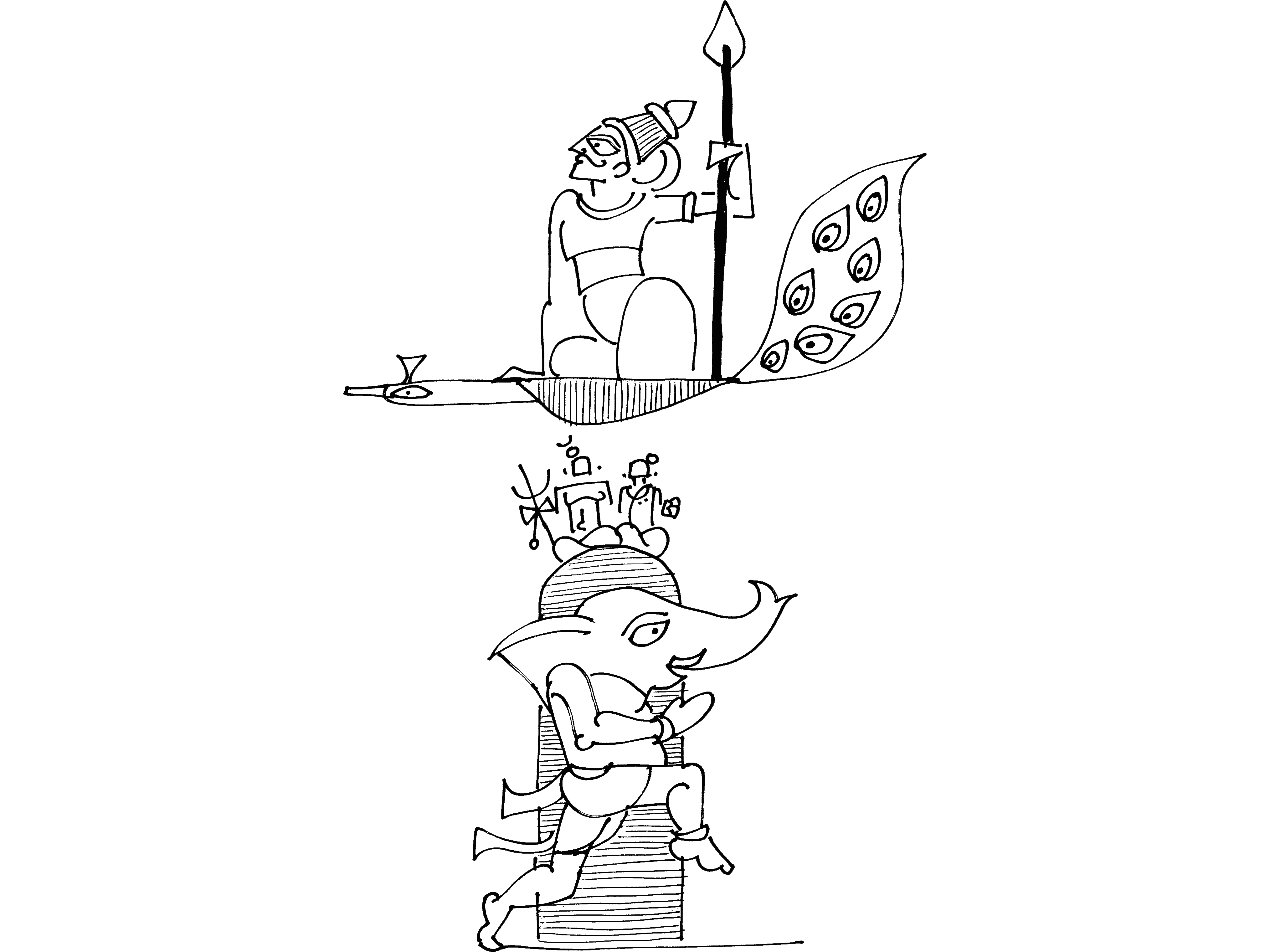
Reality Of Imagination
Imagination exists, but cannot be measured, controlled or predicted. It is this imagination that separates humans from animals and plants…
-
Articles

Vegetarianism Is Not About the Environment, But About Caste
You start deluding yourself that you are a kind person because you build a zoo to house animals that have been displaced by your industries, that destroyed their natural habitat, in the first place…
-
Articles
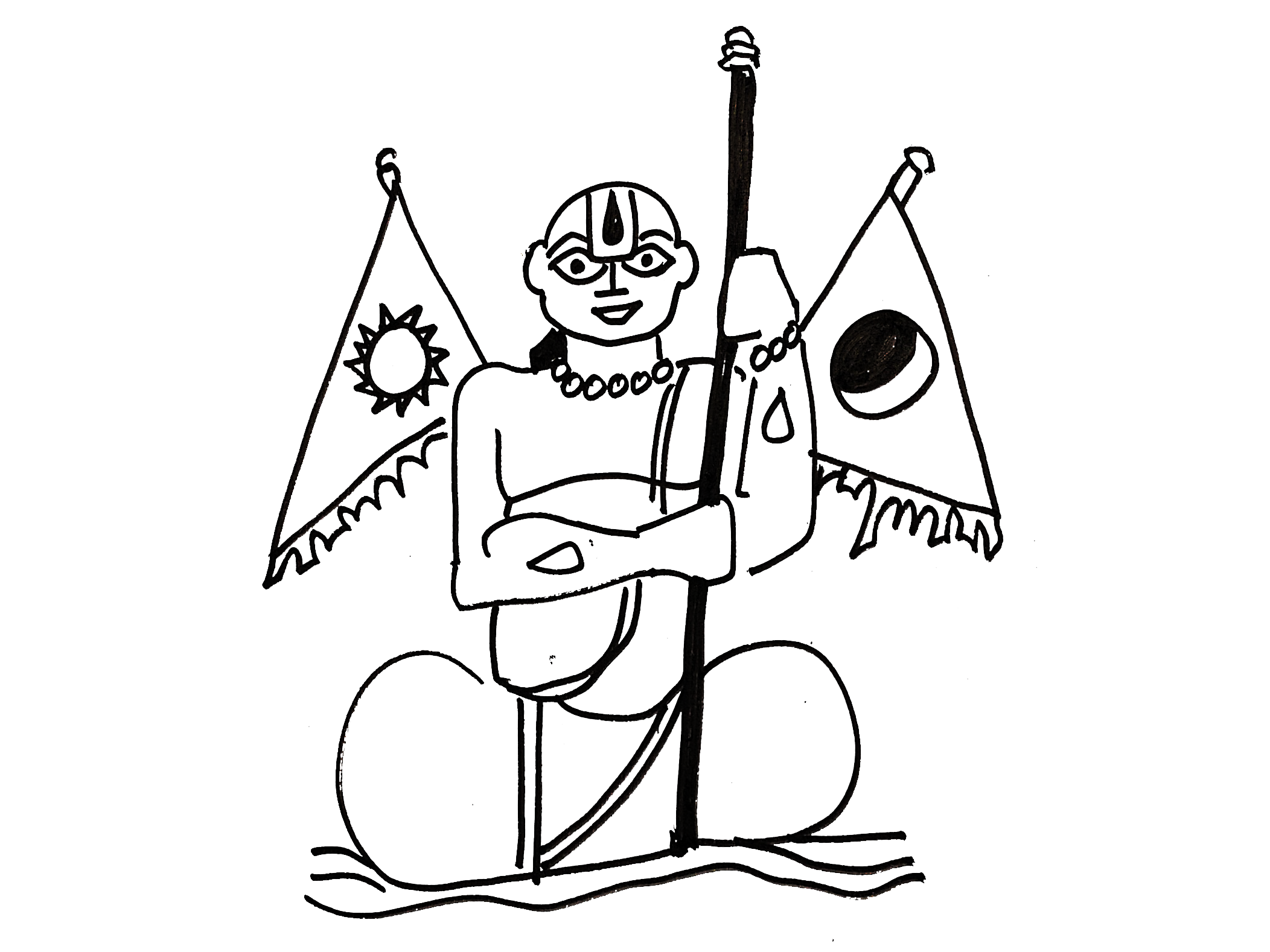
How Did the Guru Become More Godlike Than God?
Today, we find gurus speaking about gods like Ram and Krishna in their Ram-katha and Bhagavat-katha, yet the guru has become the focal point. …
-
Articles
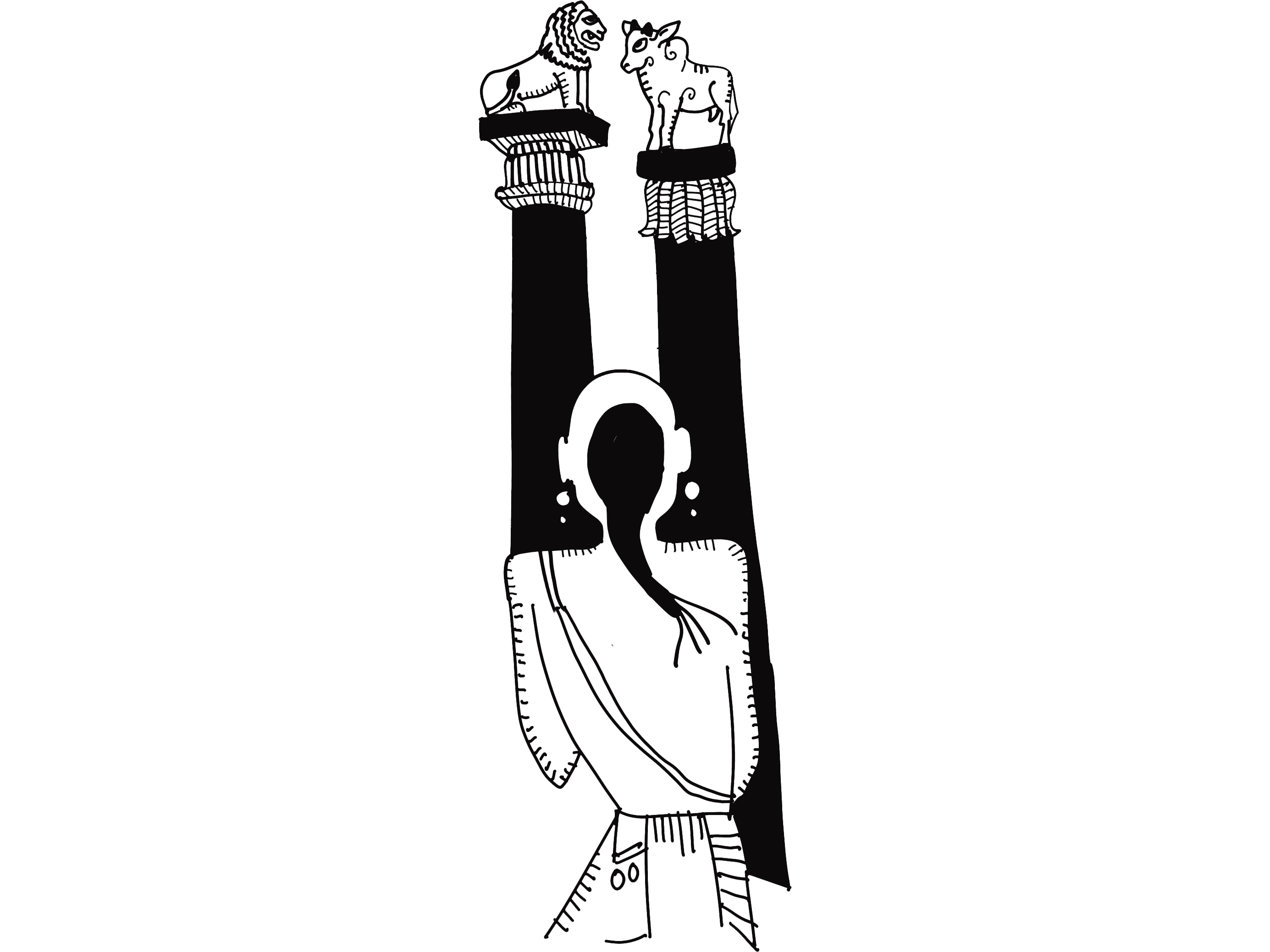
Historian’s Myth
It is generally assumed that historians are objective and express ideas outside their cultural influence, owing to academic training. However, this is never true. Historians, like all other humans, live in myth. Very few admit it…
-
Articles

From Sanskritisation to Backwardation
A century ago, many communities wanted to be recognised as Brahmins and Kshatriya. Today, the same groups want to be Other Backward Community (OBC). The old varna model (Brahmin, Kshatriya, Vaishya, Shudra, Ati-shudra or Pancham) is now replaced by a new categorisation (General, OBC, Scheduled Caste, Scheduled Tribe). …
-
Articles
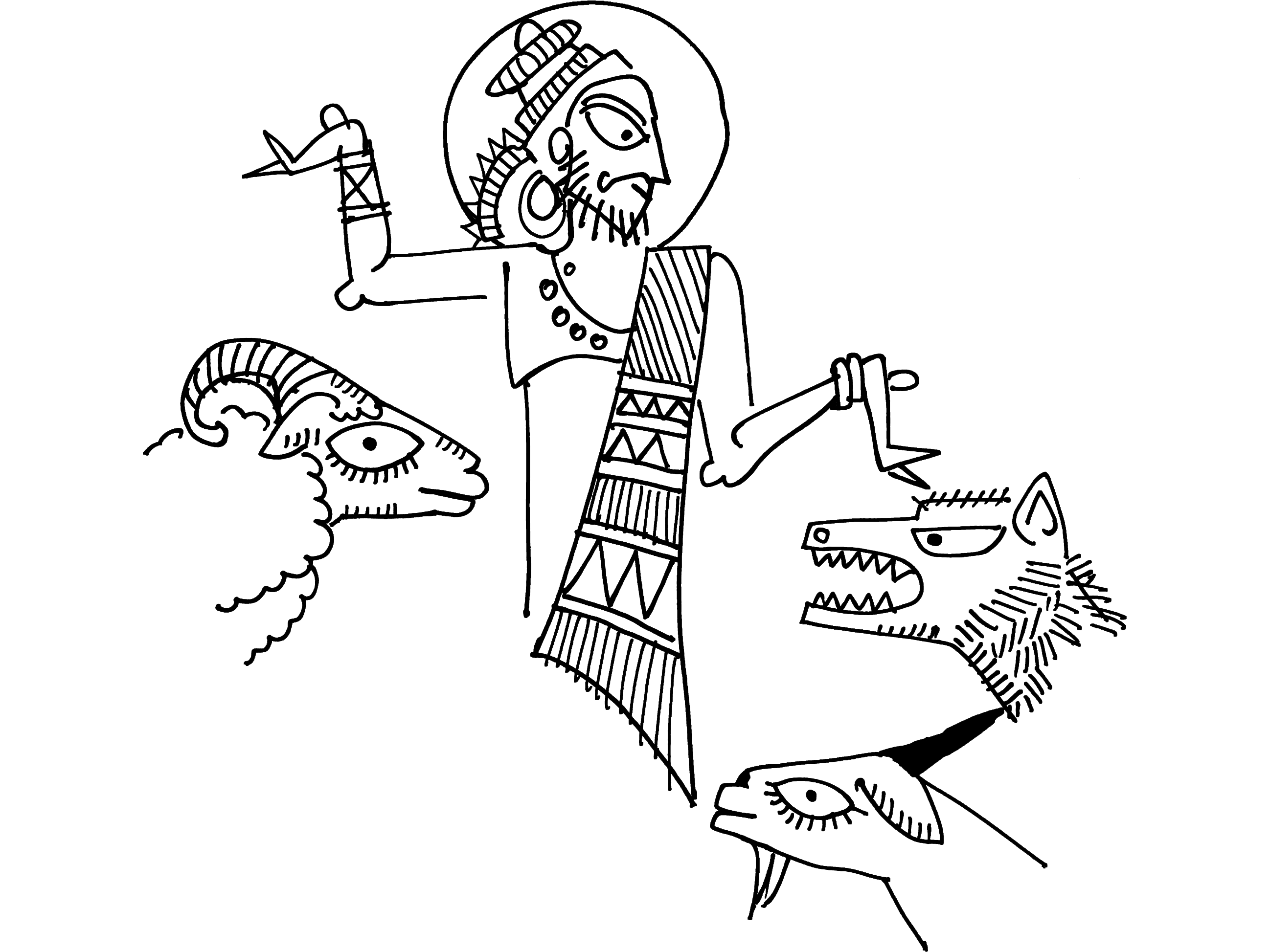
Identities In Conflict
Who you are depends on who you oppose. To have an identity, you have to take sides. Sitting on the fence is not allowed. Left or Right…
-
Articles
Men with Shaved Heads
According to legend, when Shankaracharya went to meet Brahmin scholar Mandan Mishra, around 700 AD, Mishra refused to look at him because his head was shaved. This is why the Shankaracharyas cover their heads with cloth even today, as shaven heads are still seen as symbols of bad luck and inauspiciousness…
-
Articles

Not Ready to ‘Tremble and Obey’
China was always centralised with the Dragon throne in Forbidden City seeking tributes from the rest of the world. India, by contrast, is based on the Mandala model, first described by Chanakya, a set of intersecting spheres of power that are endlessly pulsating, contracting and expanding over time. No centralisation…
-
Articles
Whose Shrine Is It, Anyway?
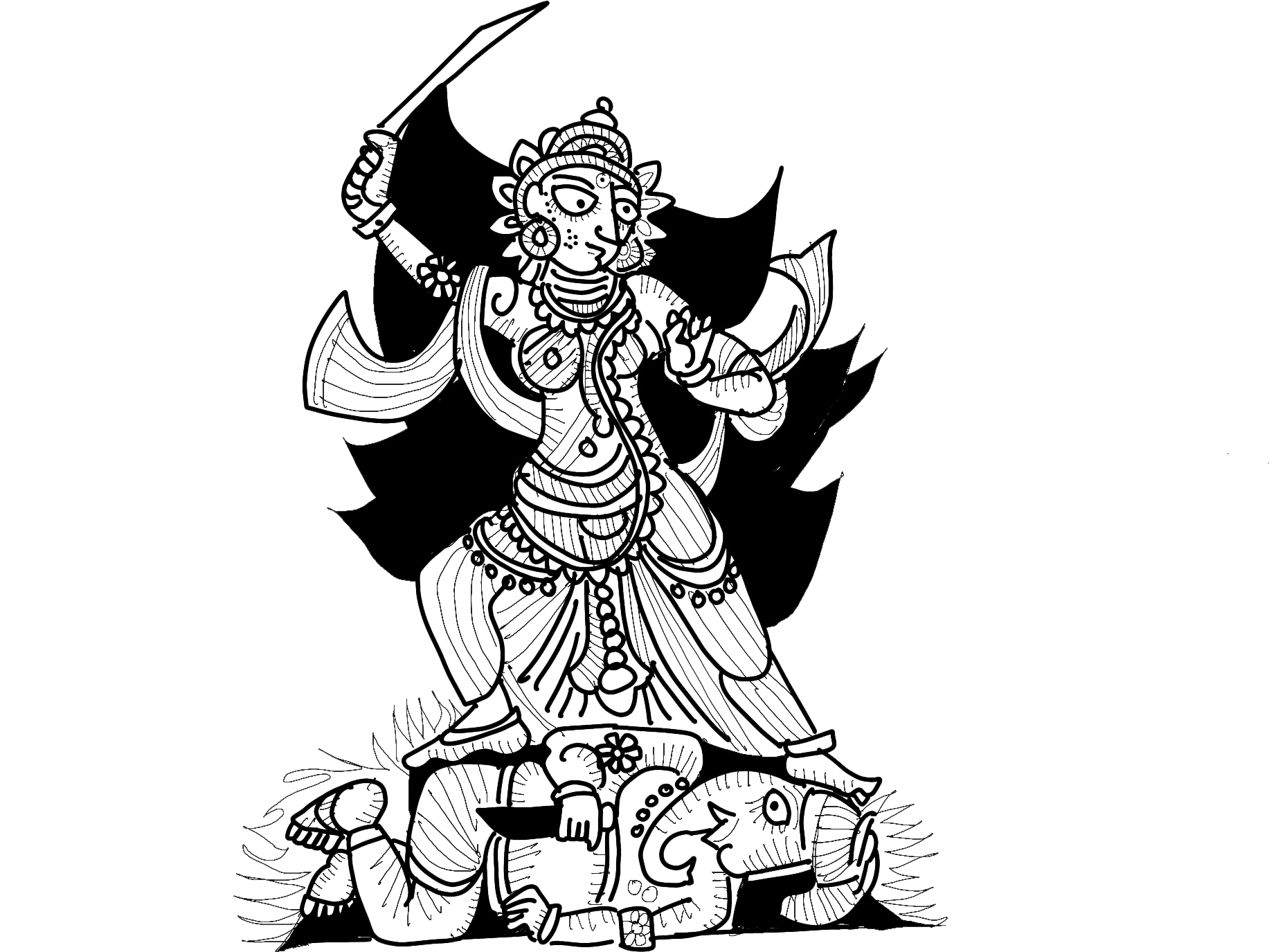
Across India today, there is a movement to identify Hindu shrines that were broken by Muslims and replaced by mosques and dargahs. This is being done in the name of social justice—historical wrongs are being made right. However, the same enthusiasm is not seen when it comes to the Buddhist and Jain demands for the…
-
Articles

How Mythology Impacts Notions of Social Justice
It is important to understand how mythology impacts our notions of social justice. Modern social justice has its roots in monotheism, not in atheism…
-
Articles
Kubera, the Refugee From Lanka
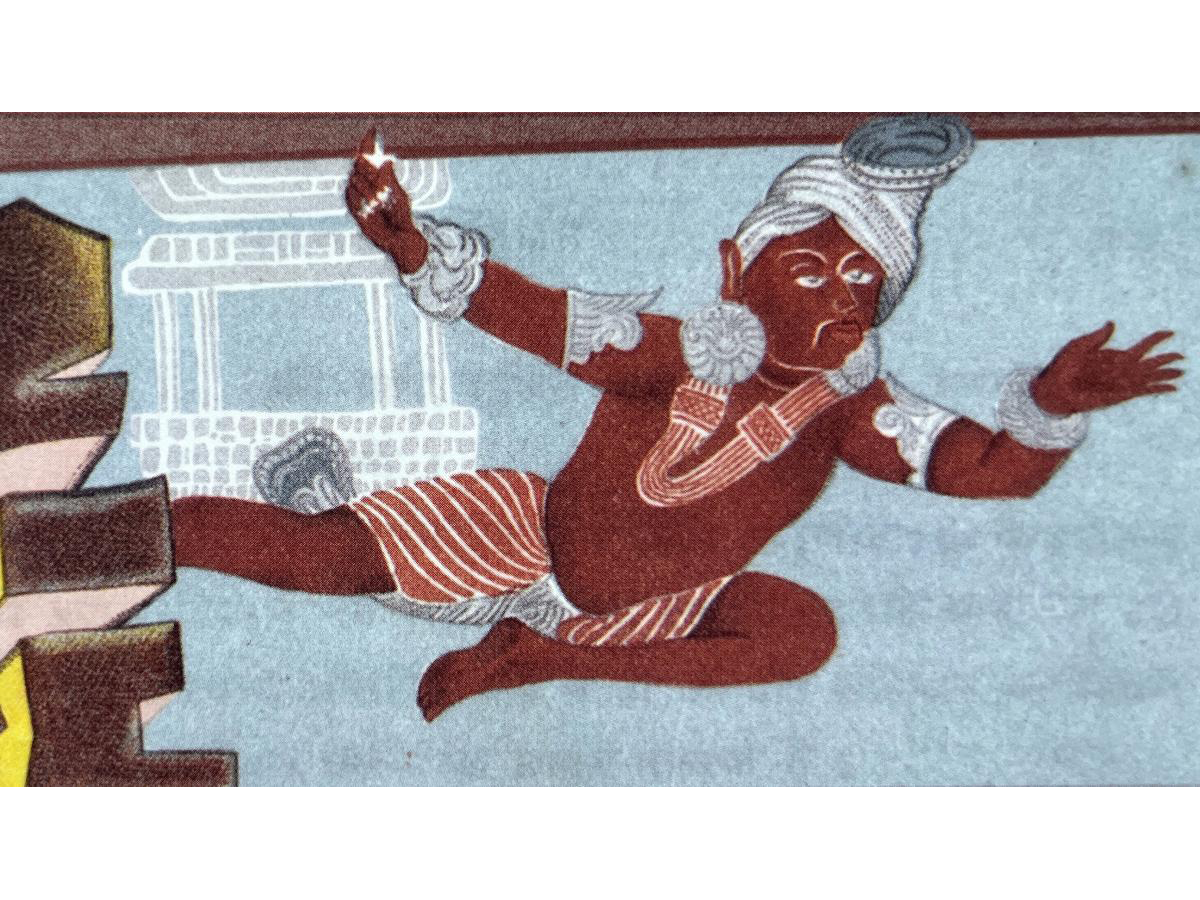
When the Constitution of India was first published, over 75 years ago, it included many artworks. Amongst them was one showing Kubera, Ravana’s brother and the king of wealth and yakshas (nature spirits), fleeing from Lanka. It is often mistaken for Hanuman burning Lanka, but there are no flames of a burning city or a…
-
Articles

ASAP In Eternal Time
ASAP is a popular acronym for ‘as soon as possible’. But more often than not it is used to mean ‘immediately’ in corporate circles. In political, bureaucratic and judicial circles, it depends on the relationship of the beneficiary and the benefactor…
-
Articles

The Many Horse Invaders of India
India has been invaded several times, for over 3,000 years, by horse-breeding tribes from the steppes, grasslands north of the Himalayas, the last of whom were the Mughals, and the Mughals came only 500 years ago…
-
Articles
12 Children In 12 Castes
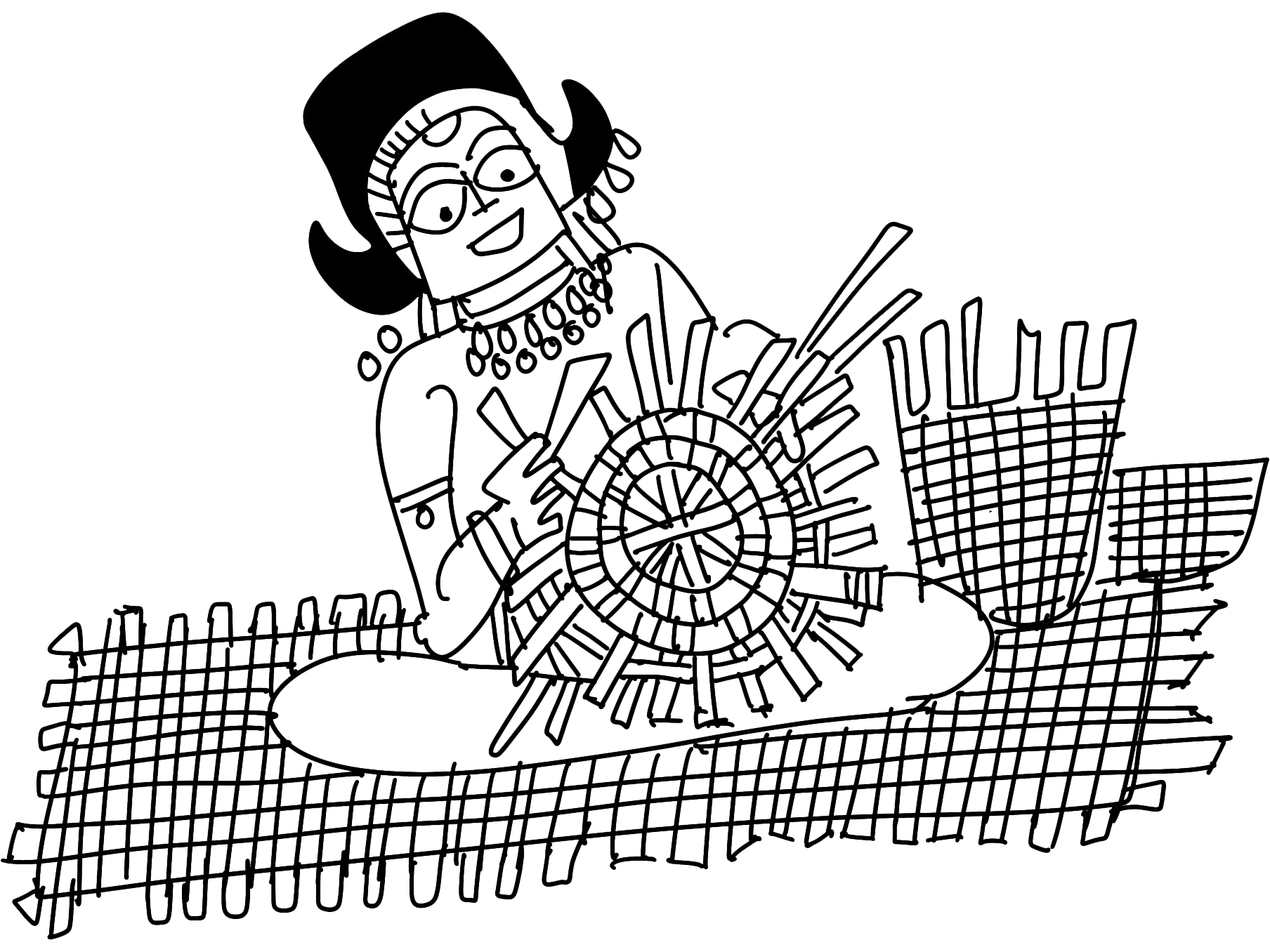
Caste (jati) is a reality in India. People in India for at least 1500 years could not change vocation or marry outside caste. This led to social stagnation…
